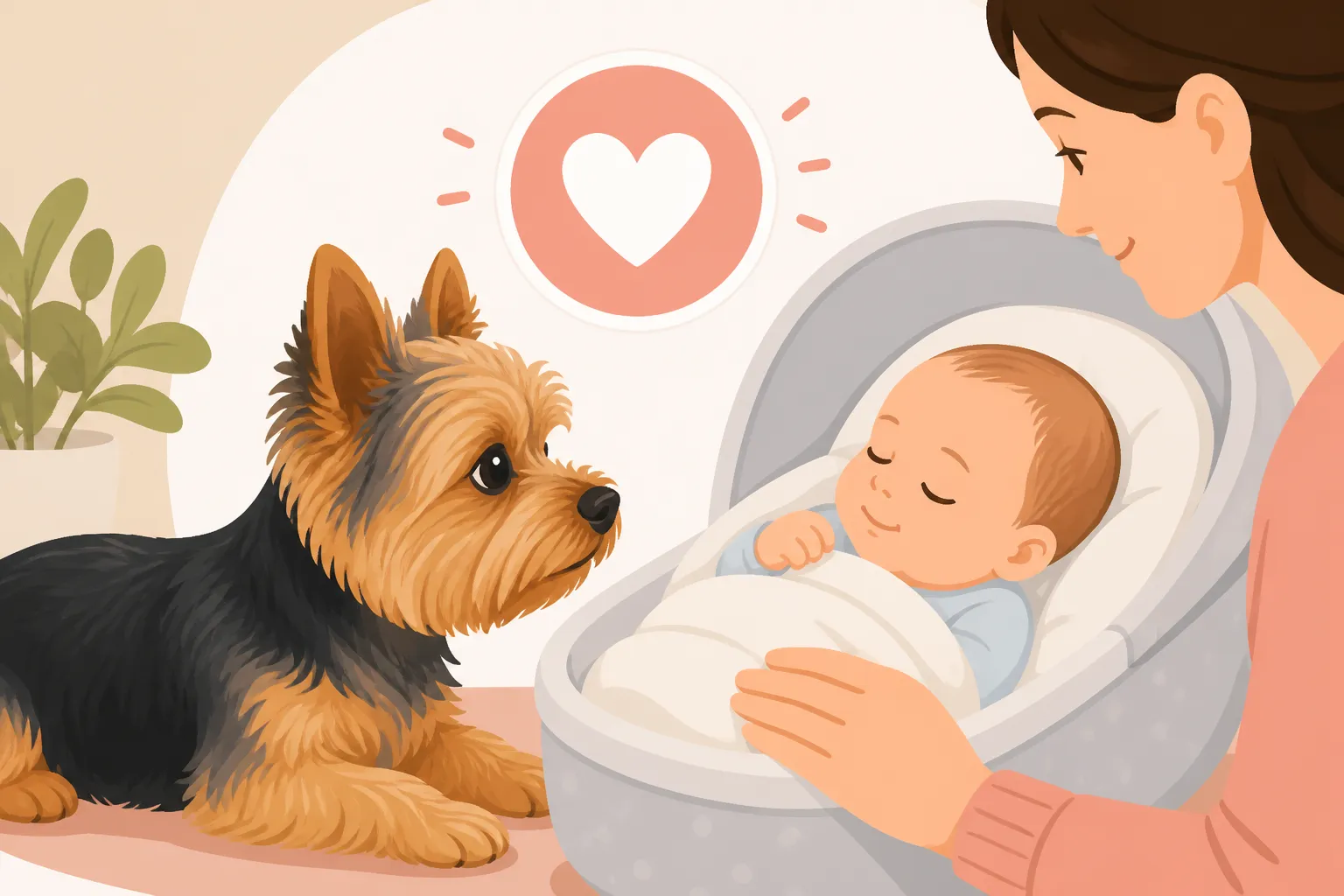
How to Introduce a Yorkie to a New Baby
Bringing a new baby home is an incredibly exciting time, but if you’re a proud Yorkie parent, it often comes with a secret worry: how will my furry little companion react to this huge change? It's completely normal to feel a mix of anticipation for your new arrival and a touch of anxiety about how your beloved Yorkshire Terrier will adapt to the upheaval. Their world is about to shift dramatically, and without careful preparation, this can lead to stress, jealousy, or even behavioral regressions in your tiny terror. This comprehensive guide is here to walk you through a step-by-step process, ensuring a smooth and harmonious introduction between your Yorkie and your new bundle of joy, creating a happy, integrated family from day one.
Laying the Groundwork: Preparing Your Yorkie Before the Baby Arrives
The secret to a successful introduction isn’t just about the first meeting; it’s about months of thoughtful preparation. Your Yorkie thrives on routine and predictability, so any changes should be introduced gradually, long before the baby makes their grand entrance. This proactive approach helps your little dog adjust without feeling suddenly displaced or overwhelmed.
Gradually Introducing Baby-Related Sights and Sounds
Imagine your Yorkie, used to the quiet hum of your home, suddenly confronted with crying, squeaking toys, and new smells. It can be a sensory overload! To avoid this, start exposing them to these new stimuli early. Buy baby lotions, powders, and even a diaper pail, and let your Yorkie sniff them out. Set up the crib, changing table, and stroller. Let your Yorkie explore these items at their own pace, offering praise and treats for calm curiosity. You can even play recordings of baby sounds—crying, cooing, giggling—at a low volume, gradually increasing it over time. This helps desensitize them, so the actual sounds aren't a shock.
One practical step is to get the baby's car seat and stroller out and let your Yorkie investigate it on the living room floor. Perhaps they’ll even take a nap in the stroller (empty, of course!) while you supervise, associating these new objects with relaxation. This isn't about ignoring them; it’s about normalizing the new elements of your home. If you're looking for useful products to help with this, many options for baby gates, sound machines, and training tools can be found on platforms like Amazon, making it easier to manage boundaries and simulate sounds.
Adjusting Routines and Establishing New Boundaries
Yorkies are creatures of habit, so altering their schedule before the baby arrives is crucial. Think about what your daily life will look like with a newborn. Will your Yorkie’s feeding times change? Will their walks be shorter or at different times? Start implementing these changes now, even if it feels a little strange. This prevents them from associating negative changes directly with the baby's arrival. If you'll be spending less time on the sofa with them, for example, start practicing independent play or resting near you without being on your lap.
Establishing clear boundaries is also key. If your Yorkie won't be allowed in the nursery, introduce a baby gate early on. Let them see it, understand it's a barrier, and reward them for staying on their side. Consistency is paramount here. It might feel mean to restrict access, but it's for everyone's safety and peace of mind in the long run. If your Yorkie is prone to Yorkshire Terrier Separation Anxiety Solutions, gradual adjustments to alone time or attention distribution can be especially beneficial during this phase.
Refreshing Obedience Training and Socialization
A well-behaved Yorkie is a safer Yorkie, especially around a fragile newborn. This is the perfect time to brush up on basic commands like "sit," "stay," "down," "leave it," and "come." These commands will be invaluable for managing interactions and preventing unwanted behaviors. Enroll in an obedience refresher course or work with an online training program like BAXTER & Bella, which offers structured programs you can do from home. A strong "leave it" command, for instance, can prevent your Yorkie from mouthing baby toys or blankets that aren't meant for them.
Beyond basic obedience, consider your Yorkie's overall socialization. If they aren't used to various people, sounds, or sudden movements, now is the time to broaden their experiences in a positive way. While you might naturally want to shower your Yorkie with extra affection before the baby, resist the urge to create a clingy dynamic. Instead, foster a sense of secure independence, where they know they are loved even when your attention is divided. This also ties into how to effectively How to Socialize a Yorkie Puppy, as many principles apply to adult dogs encountering new family members.
The Grand Introduction: Making the First Meeting Smooth and Positive
The moment of introduction is often what most new parents worry about. It doesn't have to be a stressful event if you've done your homework. A calm, controlled, and positive approach will set the stage for a loving relationship.
Pre-Introduction Scent Swaps
Before your Yorkie even sees the baby, let them get acquainted with the baby's scent. When the baby is born, have a partner or family member bring home a blanket, a worn onesie, or a hat the baby has used. Place it on the floor where your Yorkie can sniff it freely. Don't force it. Observe their reaction. Praise calm curiosity. If they seem anxious or overly excited, keep the item at a distance, gradually moving it closer as they relax. This allows your Yorkie to process the new smell and start to associate it with home before the actual human package arrives.
This step is critical because dogs experience the world primarily through scent. Getting familiar with the baby's unique smell helps demystify the new arrival and can reduce anxiety during the face-to-face meeting. You want their first impression to be, "Oh, this is what that new scent is!" rather than "What is this strange-smelling intruder?"
The First Face-to-Face Meeting
When you bring the baby home, the actual introduction should be calm and controlled. Ideally, one parent can enter the house first without the baby to greet the Yorkie, giving them some much-needed attention. Let your Yorkie burn off some energy with a short walk or play session before the baby comes in, so they are not overly excitable.
When the baby comes into the home, keep your Yorkie on a leash. This isn't about punishment; it's about gentle control to prevent them from jumping or getting too close too quickly. Hold the baby securely, allowing the Yorkie to approach cautiously. Let them sniff the baby's feet or the edge of the blanket. Keep the interaction brief and calm. Offer gentle praise and treats to your Yorkie for calm behavior. Avoid any scolding or harsh corrections, as this can create negative associations with the baby. Remember, the goal is positive reinforcement. If your Yorkie starts to get too excited or shows any signs of stress, gently guide them away. This careful handling can prevent many Yorkshire Terrier Behavior Problems and Solutions.
Important Considerations for the First Meeting:
| Action Phase | Key Steps | Why It Matters |
|---|---|---|
| Before Baby Home | – Pre-expose to baby scents (blankets, lotions). – Play baby sounds at low volume. – Set up baby gear (crib, stroller) and let Yorkie explore. – Adjust Yorkie's routine (feeding, walks). – Establish "baby-free zones" with gates. – Refresh obedience training ("sit," "stay," "leave it"). |
Helps normalize baby's presence before arrival, reducing shock and anxiety. Prevents Yorkie from associating negative changes directly with the baby. Establishes boundaries for safety. |
| Upon Baby's Return | – Parent greets Yorkie without baby first. – Take Yorkie for a quick walk to burn energy. – Keep Yorkie on a leash during the initial introduction. – Hold baby securely, allow controlled sniffing of feet/blanket. – Offer treats and praise for calm behavior. – Keep interaction brief. |
Reduces initial overwhelm for the Yorkie. Ensures safety and prevents impulsive behaviors. Creates positive associations with the baby through rewards. Prevents negative first impressions. |
| Ongoing Integration | – Supervise all interactions, even brief ones. – Never leave Yorkie and baby alone. – Continue separate "special" time with your Yorkie. – Maintain consistent routines for both baby and dog. – Reward calm behavior around the baby. – Provide escape routes or safe spaces for the Yorkie. |
Essential for preventing accidents and building trust. Reinforces the Yorkie's place in the family without making them feel ignored. Encourages peaceful coexistence and reduces stress for the Yorkie. |
Life with a Baby and a Yorkie: Fostering Ongoing Harmony
The introduction is just the beginning. The real work is in creating a harmonious household where both your baby and your Yorkie feel secure, loved, and respected. This takes ongoing effort, consistency, and a keen eye on both your baby's and your dog's cues.
Supervised Interactions and Safe Spaces
You must, without exception, supervise all interactions between your Yorkie and your baby. This is non-negotiable, even if your Yorkie has been a perfect angel their whole life. Babies are unpredictable, and even the gentlest dog can react poorly to a sudden grab of hair or an accidental poke in the eye. Never leave your Yorkie and baby alone together, not even for a second, to grab a diaper or answer the door. This vigilance is paramount for the safety of both.
Equally important is providing your Yorkie with a safe retreat. A crate, a designated bed in another room, or an elevated dog bed can serve as their sanctuary, a place where they can go to escape the baby's sounds or movements. Teach your children as they grow that this is the dog's special space and they are not to disturb them there. This respects your Yorkie's need for personal space and reduces stress. Many parents find success with a sturdy dog crate, making it a comfortable haven for their Yorkie.
Maintaining Your Yorkie's Emotional Well-being
It's easy for your Yorkie to feel neglected when a new baby demands so much of your time and attention. Make a conscious effort to continue giving your Yorkie dedicated "special" time every day. This could be a short walk, a quick cuddle session on the sofa (when the baby is napping or with another caregiver), or a few minutes of play with their favorite toy. Even five minutes of uninterrupted, positive attention can make a world of difference in preventing jealousy and resentment. This shows them they are still a valued member of the family.
Involving your Yorkie in family activities, even if it's just them lying quietly at your feet while you feed the baby, can also reinforce their sense of belonging. The key is to make positive associations with the baby. If good things happen when the baby is around (like getting a treat or a favorite toy), your Yorkie will be more likely to see the baby as a source of good things rather than a threat to their attention. Consider looking at articles on How to Keep a Yorkshire Terrier Healthy to ensure their overall well-being is maintained during this transitional period, as stress can impact physical health.
Addressing Common Challenges and When to Seek Professional Help
Even with the best preparation, challenges can arise. It's important to recognize common issues and know when it's time to bring in the experts.
Recognizing Signs of Stress or Jealousy
Yorkies, like all dogs, communicate their feelings through their body language. It's crucial to learn to read these signs. Watch for:
- Lip licking, yawning, excessive blinking: These can be subtle signs of stress.
- Tail tucked, ears back: Clear indicators of fear or anxiety.
- Growling or snapping: These are warning signs that should never be ignored. They indicate your Yorkie is uncomfortable and feels the need to protect themselves. This is a crucial area to understand, especially in relation to Why Is My Yorkie Growling.
- Resource guarding: If your Yorkie suddenly starts guarding their toys, food, or even your attention more intensely, it could be a sign of insecurity or jealousy.
- Regression in potty training: Accidents inside the house might not be intentional defiance but a stress response, signaling, "I'm overwhelmed!" This is where revisiting your Yorkshire Terrier Potty Training Guide might become necessary.
- Excessive barking: If your Yorkie is suddenly barking more than usual, especially at the baby's cries or movements, it's a call for help. For more insights, check out How to Stop a Yorkie from Barking.
Never punish your Yorkie for these behaviors, as it can worsen the problem. Instead, try to understand the underlying cause and remove them from the stressful situation.
Managing Unwanted Behaviors
When you see signs of stress or jealousy, immediate, calm intervention is necessary. If your Yorkie is showing mild signs of anxiety, try to gently redirect their attention with a quiet toy or a calm command. If they are growling or snapping, immediately and calmly separate them from the baby. Create more distance, and re-evaluate the situation. Perhaps the introduction was too long, or they felt cornered.
It’s tempting to tell your Yorkie "no" or scold them for barking at the baby, but this can create a negative association between the baby and punishment. Instead, remove the Yorkie from the situation and reward calm behavior when they are not barking or reacting negatively. If your Yorkie is often hyper, learning How to Calm a Hyper Yorkie can be really helpful during this period. Consistency and patience are your best friends here.
When to Consult a Professional
If you’re seeing persistent signs of aggression, severe anxiety, or if your Yorkie's behavior is becoming a safety concern, it’s time to call in the professionals. A certified professional dog trainer or a veterinary behaviorist can assess the situation, identify triggers, and develop a tailored plan to help your Yorkie adjust. They can teach you techniques that are specific to your dog's personality and the dynamics of your household. Don't feel ashamed or defeated if you need to seek help; it shows you're a responsible pet parent dedicated to the well-being of all your family members. Early intervention can prevent minor issues from escalating into major problems, ensuring a safe and happy home for everyone, two-legged and four-legged alike.
Disclaimer
This article provides general information and recommendations. Every Yorkshire Terrier is an individual, and their reaction to a new baby may vary. Always consult with your veterinarian or a certified professional dog trainer for personalized advice regarding your specific pet's health and behavior. The safety of your baby and your dog is paramount; never leave them unsupervised.