How to Stop a Yorkie from Running Away
The sheer panic that washes over you when your beloved Yorkshire Terrier suddenly darts out the door or slips their leash is a feeling no pet parent ever wants to experience. One moment they're right there, the next they're a tiny blur heading for trouble, and your heart jumps straight into your throat. It’s incredibly frustrating and frightening, but you're not alone. Many Yorkie owners grapple with this exact issue. This comprehensive guide is here to walk you through understanding why your little escape artist might be making a break for it and, most importantly, provide actionable steps and robust strategies to help prevent your Yorkie from running away, keeping them safe and sound.
Understanding Why Your Yorkie Runs Away
Before we can stop a behavior, we need to understand its roots. Yorkies, despite their small size, carry a big personality and a surprising amount of terrier tenacity. They're not just being naughty; there's usually an underlying motivation for their dash for freedom. Pinpointing this can be the first step in crafting an effective prevention plan.
The Instinctual Drive to Explore and Hunt
Remember, Yorkies were originally bred to hunt rats in textile mills. That strong prey drive, that urge to chase anything that moves, is still very much alive in them. A squirrel, a blowing leaf, another dog, or even just an interesting smell can trigger that primal instinct to pursue. When something exciting catches their eye or nose, their brains can switch to "chase mode," and everything else, including your desperate calls, fades into the background.
It's not that they don't love you; it's that the scent of that rabbit or the sight of that bird taps into something ancient and powerful. This can be especially true if they haven't had enough mental and physical stimulation, or if their walks are too predictable. A bored Yorkie is a creative Yorkie, and sometimes, a little adventure is just too tempting to resist. They might bolt from the yard not because they dislike being home, but because the world beyond the fence smells utterly fascinating and promises new "prey" to investigate.
Fear, Anxiety, and Seeking Safety
While exploration is a common motivator, sometimes a Yorkie runs away out of fear or anxiety. Loud noises like thunder, fireworks, or even construction work can send a sensitive Yorkie into a panic. Their natural instinct is to flee from the perceived danger, seeking a safe haven. This isn't about being defiant; it's a genuine survival mechanism kicking in. A sudden loud bang could cause them to bolt from a seemingly secure yard or pull away from a loose grip on a leash.
Furthermore, some Yorkies develop Yorkshire Terrier Separation Anxiety Solutions when left alone for extended periods. This anxiety can manifest as an attempt to escape their confines in search of their human companions. If they constantly whine, bark, or chew at doors and windows when you're gone, and then try to escape whenever they have the chance, it might be a cry for help related to their emotional state. Understanding these cues is vital in addressing the underlying cause of their escapes rather than just treating the symptom.
Lack of Training and Strong Recall
Let's be honest: sometimes, the reason they run is simply that they haven't been taught that coming back to you is the most rewarding choice. A solid recall command – that reliable "come!" – is arguably one of the most important commands you can teach any dog, especially a small one like a Yorkie who can vanish in an instant. Without consistent training, boundaries, and positive reinforcement, your Yorkie might not see the value in returning to you when there are so many exciting distractions calling their name.
If their name or the "come" command isn't associated with overwhelmingly positive experiences, they might just ignore you. They might even see it as a game of chase, especially if you tend to run after them when they bolt. This reinforces the idea that running away leads to an exciting interaction, even if it's a frantic one for you. Investing in thorough obedience training, perhaps even an online program like those offered by BAXTER & Bella, can make a huge difference in building that reliable recall.
Essential Prevention Strategies
Once you understand why your Yorkie might be making a break for it, you can start putting effective prevention strategies into place. These fall broadly into two categories: securing their environment and enhancing their training. A multi-pronged approach is always best to ensure their safety.
Fortifying Your Home and Yard
The first line of defense against a runaway Yorkie is a secure environment. These little dogs are agile and can squeeze into surprisingly small spaces, so you need to think like a Yorkie and scout for potential escape routes.
Secure Fencing and Gates
If you have a yard, a physical fence is paramount. But not just any fence. Yorkies are small enough to slip through wide gaps or even dig under weaker barriers. Ensure your fence is at least 4-5 feet high, and that the pickets or mesh are close enough together to prevent them from squeezing through. We're talking no more than 2-inch gaps, ideally. Critically, check the bottom of the fence line. Many Yorkies are natural diggers, so burying a section of chicken wire or concrete footing along the bottom can deter tunneling. Regularly inspect your fence for any weak spots or holes that might have appeared due to weather, wear, or even your dog’s persistent efforts.
Gates are often the weakest link. Make sure they latch securely and can’t be easily pushed open or wiggled through. Consider adding a secondary lock or a sturdy spring-loaded gate closer for extra peace of mind. Never rely solely on a flimsy latch that your clever Yorkie might figure out. A thorough daily perimeter check is a good habit to get into, especially after heavy rain or storms that might shift the ground or damage fencing.
Indoor Escape Prevention
It’s not just the yard you need to worry about. Many Yorkies are master indoor escape artists, especially when guests come over or during busy times. Consider using baby gates or pet barriers to create "safe zones" away from entry doors. This is particularly important for rambunctious puppies or Yorkies prone to "door dashing." When you open the front door for a delivery or to greet someone, your Yorkie should be safely behind a barrier, out of immediate bolting range.
Additionally, always be mindful of open windows or unsecured screens. A determined Yorkie can push through a flimsy screen or squeeze out a window that's open just a crack. Even a high balcony can be a risk if not properly secured with netting or plexiglass. Think about creating a "no-go" zone near exterior doors or windows, using consistent training and barriers to reinforce that boundary.
Harnessing and Leash Safety
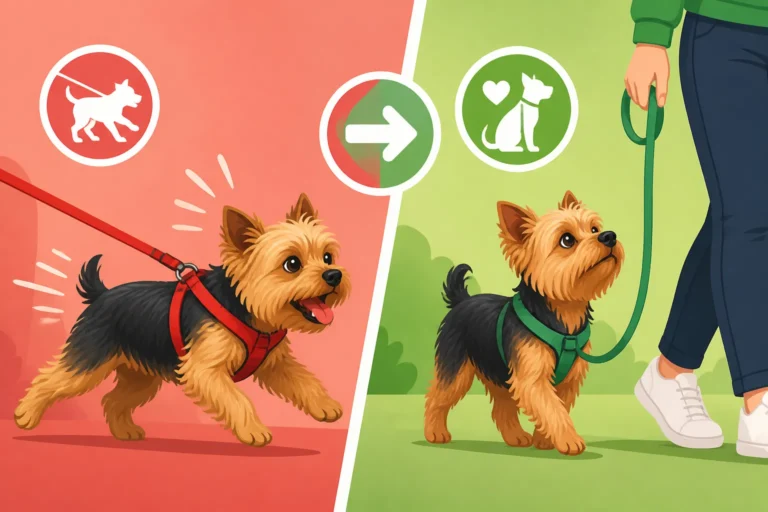
When your Yorkie is outside your secure home or yard, a properly fitted harness and leash are non-negotiable. A collar can be easily slipped out of, especially by a dog who suddenly pulls back when startled. Plus, collars can put dangerous pressure on their delicate tracheas, leading to conditions like Yorkshire Terrier Collapsing Trachea: Signs and Care.
The Right Harness
Invest in a secure, well-fitting harness designed for small breeds. Look for a harness that is anti-escape, meaning it has multiple straps or a snug fit around the chest and waist to prevent them from backing out of it. Brands like Ruffwear's Web Master Harness or Hurtta's Weekend Warrior Harness are often recommended for their secure fit and durability, even for escape-prone dogs. Always ensure you can only fit two fingers comfortably under any strap. If it's too loose, they can Houdini their way out; if it's too tight, it will chafe.
Leash Best Practices
A sturdy, non-retractable leash, preferably 4-6 feet long, is ideal. Avoid retractable leashes as they offer less control and can snap, sending your Yorkie darting into traffic. Always double-check the clip mechanism on your leash before heading out. Consider using a safety clip that attaches from the leash to both the harness and a collar (if you use one), providing a secondary attachment point in case one fails. And just as importantly, practice holding the leash securely. Loop it around your wrist, or use a belt clip for hands-free walking, ensuring you always have a firm grip. For more tips on walking your Yorkie, you might find "How to Teach a Yorkie to Walk on a Leash" helpful.
Building a Bulletproof Recall
Environmental security is crucial, but training is your ultimate safety net. A strong, reliable recall command ("come!") is the single most important skill your Yorkie can have to prevent them from running away and to ensure their safety if they ever do get loose. This isn't just about saying the word; it's about building an irresistible desire in your Yorkie to return to you.
The Foundation: Positive Reinforcement
Yorkies respond incredibly well to positive reinforcement. Forget harsh corrections or punishment; these will only make your Yorkie associate coming to you with negativity, making them less likely to return. Instead, make coming to you the most wonderful, rewarding experience in their world.
High-Value Treats and Praise
When teaching recall, you need treats that are irresistible. Think small pieces of cooked chicken, cheese, hot dogs, or whatever your Yorkie absolutely adores. Keep these special treats only for recall practice. Don't use them for everyday commands. Pair the treat with enthusiastic verbal praise ("Good come! Yes!"). Every time your Yorkie comes to you, they should feel like they've won the lottery.
Start practicing in a quiet, distraction-free environment, like your living room. Call their name, then "Come!" or "Here!" and as they approach, reward immediately. Gradually introduce minor distractions, then move to a more stimulating environment like a secure, fenced yard. The key is consistency and making it overwhelmingly positive. If you find your Yorkie "Yorkie Not Listening: What to Do", it might be a sign you need to re-evaluate your reward system or the training environment.
Making Yourself More Interesting
Sometimes, your Yorkie runs because the outside world is simply more exciting than you are at that moment. You need to become the most exciting thing in their environment. Play exciting games like "hide and seek" in the house or yard, where they find you and get a treat. Use an excited, happy tone of voice when you call them. Drop to their level to make yourself less intimidating and more inviting.
When they do come, don't just grab them and end the fun. Pet them, praise them, give them a treat, and then release them to go play again. This teaches them that coming to you doesn't mean the end of their fun, but rather a temporary, highly rewarding pause. This builds trust and encourages them to come back willingly, knowing that more good things will follow.
Practice in Varied Environments
Once your Yorkie has a strong recall in a low-distraction environment, it's time to generalize the skill. This is where many owners fall short, assuming their dog will automatically respond in a chaotic park if they've only practiced in the living room.
Gradual Increase in Distractions
Slowly introduce more distractions. Start with a few toys scattered around, then have a family member walk by. Gradually move to a fenced park during off-peak hours. The goal is to set your Yorkie up for success. If they fail, you've introduced too many distractions too quickly. Always go back a step and build up again. Use a long training leash (a 15-30 foot line available on Amazon is excellent for this) in open, fenced areas. This allows them to feel a sense of freedom while still giving you control if they get distracted. You can let the long line drag behind them initially, then grab it if they hesitate to come.
Remember, practice short, frequent sessions rather than long, boring ones. Five to ten minutes, a few times a day, is far more effective than one long session once a week. Keep it fun, keep it positive, and always end on a high note.
Emergency Recall Word
Consider having a separate, high-stakes emergency recall word or sound that you only use when it's absolutely critical. This word should never be used playfully or casually. When you use it, your Yorkie should immediately understand that they need to come to you right now, and the reward for doing so will be the absolute best thing they've ever tasted (think a whole slice of prime steak, or whatever their ultimate favorite is). Practice this emergency recall sparingly in controlled environments to maintain its special status. It's like a secret weapon for those moments when their life might depend on it.
What to Do If Your Yorkie Does Run Away
Even with the best prevention and training, accidents happen. A gate might be left ajar, a harness might break, or a startling noise could send your Yorkie bolting. Having a plan in place can significantly increase your chances of a safe reunion.
Immediate Action Steps
When your Yorkie runs, panic is a natural reaction, but it’s crucial to stay calm and act strategically.
Do Not Chase
Your instinct might be to sprint after them, but for a Yorkie, this often turns into a fun game of chase. They're fast, nimble, and can easily outmaneuver you. Chasing can also push them further into traffic or dangerous situations. Instead, try to squat down, call their name in a happy, excited voice (not an angry or panicked one), and maybe even pretend you have something incredibly delicious or interesting. You can even run away from them in the opposite direction, which sometimes triggers their curiosity and prompts them to follow.
If you have another family member with you, have one person stay put and call from the original spot while the other calmly moves in the direction your Yorkie went. Familiar voices and smells from where they last saw you can sometimes draw them back.
Utilize Their Favorite Toy or Treat
Always carry some high-value treats (as discussed for recall training) or a small, squeaky toy your Yorkie absolutely adores. If they're running, shaking a bag of their favorite treats or squeaking that special toy might just be enough to break their focus and get them to turn around. If they do, remember to reward them generously when they come back, even if you’re internally seething with fear and frustration. You want them to associate returning to you, even after an escape, with positive reinforcement.
It's also a good idea to ensure your Yorkie is always wearing an ID tag with up-to-date contact information. If someone finds them, this is the quickest way for them to get back to you. Microchipping is another layer of security, and something every pet owner should do.
Long-Term Preparations
Beyond the immediate crisis, there are preventative measures you can take now to prepare for a potential future escape.
Pet Trackers and ID
Consider investing in a GPS pet tracker, such as those available on Amazon. These small devices attach to your Yorkie's collar or harness and allow you to track their location in real-time using an app on your phone. While not foolproof (batteries die, signals drop), they can be invaluable for pinpointing a lost dog's location, especially in unfamiliar territory.
Always ensure your Yorkie wears a collar with an ID tag clearly displaying your phone number. Beyond that, microchipping is essential. A microchip is a tiny device implanted under your dog's skin that contains a unique ID number. If your Yorkie is found and scanned by a vet or shelter, they can access your contact information. Remember to register the chip and keep your contact details updated with the microchip registry, especially if you move or change phone numbers. For more on preparing for emergencies, you might want to read "Yorkie Emergency Symptoms to Never Ignore".
Neighborhood Awareness
Make sure your neighbors know what your Yorkie looks like and your contact information, especially those directly adjoining your property. If your Yorkie does get out, they might run to a familiar neighbor's yard first. Having a network of aware individuals can significantly reduce the time your Yorkie is missing. You could even provide a small, laminated card with your Yorkie's picture and your phone number to immediate neighbors, explaining the importance of calling you immediately if they see your dog outside unsupervised.
Creating a "lost dog" flyer template on your computer before you ever need it can also save precious time. Include a clear photo, description, your contact info, and instructions for what to do if found. That way, if the unthinkable happens, you can print and distribute quickly without scrambling to design one in a panic.
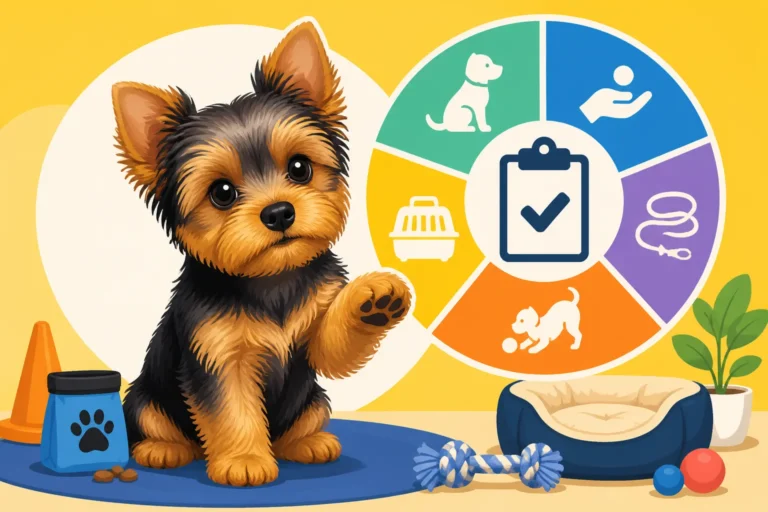
Training Table: Building a Reliable Recall
Here's a simple table outlining key steps and tips for building a strong recall with your Yorkie.
| Step | Goal | Environment | Key Action | Reward | Notes |
|---|---|---|---|---|---|
| 1. Foundation | Yorkie understands "Come!" means good things. | Quiet, distraction-free home (e.g., living room). | Call "Name, Come!" from short distance. | High-value treat, enthusiastic praise, gentle pets. | Keep sessions short (2-5 mins), several times a day. Always make it fun. |
| 2. Increase Distance | Responds from across the room. | Quiet home. | Call "Name, Come!" from longer distances, different rooms. | High-value treat, praise. | Practice hiding and calling them, making it a game. |
| 3. Introduce Minor Distractions | Responds with mild distractions present. | Quiet home, then secure yard. | Call "Name, Come!" while a toy is on the floor or a family member is present. | High-value treat, praise, then release to play. | Use a long line in the yard for safety and control. |
| 4. Practice in New Locations | Generalizes recall to different, more stimulating places. | Secure, fenced park during off-peak hours. | Call "Name, Come!" when they are mildly distracted by smells or distant sights. | High-value treat, praise. | Gradually increase distraction levels. Always use a secure harness and long line. |
| 5. Emergency Recall | Instant, unwavering response in critical situations. | Controlled, then varied. | Use unique, urgent word (e.g., "NOW!") only for emergencies. | Ultimate high-value reward (e.g., cooked meat). | Practice very sparingly to maintain its special status. Never use it casually. |
Conclusion: A Proactive Approach to Yorkie Safety
Watching your Yorkie disappear over the horizon is a terrifying experience, but it’s one that, with consistent effort and a proactive approach, can largely be prevented. By understanding their motivations, securing their environment, and committing to consistent, positive recall training, you can build a strong bond and keep your little companion safe. Remember, preventing a runaway Yorkie is an ongoing process that combines physical barriers, smart tools, and, most importantly, patient and loving training. Your dedication will pay off in peace of mind and a safer, happier life for your adventurous Yorkie.
Disclaimer
The information provided in this article is for general informational purposes only and is not a substitute for professional veterinary advice. Always consult with a qualified veterinarian or certified dog trainer for any health concerns or training issues specific to your Yorkshire Terrier.