Yorkie Training Mistakes to Avoid
Bringing a Yorkshire Terrier into your life is an absolute joy, but let's be real: these pint-sized powerhouses come with their own unique set of training challenges. It’s incredibly frustrating when your little furball isn’t quite grasping the rules, or worse, seems to be developing habits you just can’t seem to break. You’re not alone if you've felt like you’re doing something wrong or that your Yorkie is just too stubborn. This comprehensive guide is here to shed light on the most common Yorkie training mistakes owners make and, more importantly, equip you with the knowledge to avoid them, setting both you and your beloved companion up for success.
Underestimating Your Yorkie's Intelligence and Needs
One of the biggest pitfalls many new Yorkie owners tumble into is assuming that because these dogs are small, they don't need serious training or mental stimulation. Nothing could be further from the truth! Yorkshire Terriers might be tiny, but they are bona fide terriers through and through – intelligent, tenacious, and incredibly alert. They absolutely thrive on purpose and consistent guidance.
Treating Them Like Fragile Ornaments
It’s easy to look at a fluffy, adorable Yorkie puppy and want to coddle them endlessly. Their small size makes them seem delicate, and instinctively, we want to protect them. This often leads to owners holding them constantly, letting them get away with behaviors that would never be tolerated in a larger dog, or limiting their exposure to the world out of fear they'll get hurt. While protecting them is natural, over-coddling can stunt their development and create a host of behavioral issues.
For instance, if your Yorkie is always carried, they never learn how to properly interact with the ground beneath them, with other dogs, or with different environments. They miss crucial socialization opportunities and can become overly anxious or fearful when placed in unfamiliar situations. This protective instinct, though well-meaning, can lead to a dog who is timid, prone to fear-based aggression, or overly dependent, making them prone to issues like separation anxiety down the line. We often dive deeper into how to handle these tendencies in our guide on Yorkshire Terrier Behavior Problems and Solutions.
Ignoring Early Behavioral Signs
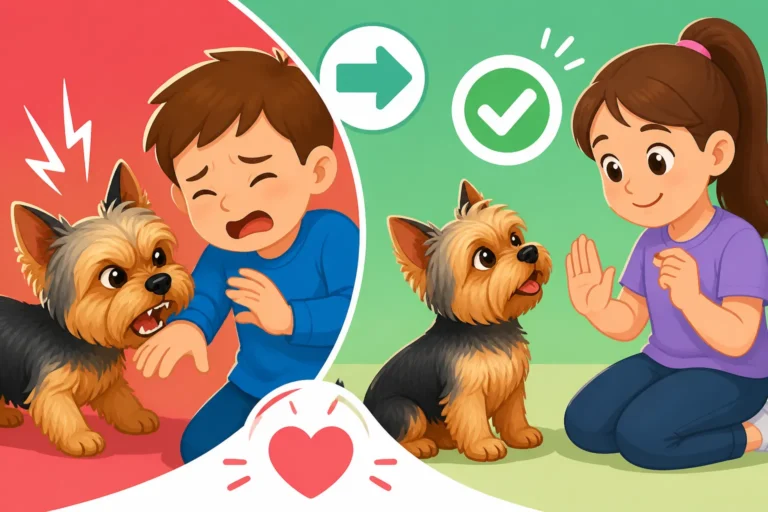
Many owners dismiss undesirable behaviors like nipping, excessive barking, or resource guarding in a young Yorkie puppy, thinking it's "cute" or "they'll grow out of it." A tiny puppy's playful nip might not hurt, but if left unaddressed, it can quickly escalate into a problem as they mature. Those cute barks at every squirrel or doorbell can become relentless nuisance barking. Ignoring these early signs is a critical mistake because puppies learn rapidly, and ingrained habits are much harder to break than to prevent.
It’s essential to begin training and socialization from the moment your Yorkie puppy steps foot in your home. This means setting boundaries, teaching appropriate bite inhibition, and redirecting unwanted behaviors with positive reinforcement right away. Think of it like a child learning manners – you wouldn't wait until they're teenagers to teach them to say "please" and "thank you." The same applies to your Yorkie. Addressing issues as they arise, even when they seem minor, will save you a lot of headache and heartache in the long run.
Inconsistent Training Approaches
Consistency is not just a buzzword in dog training; it's the bedrock of success, especially with a clever and sometimes stubborn breed like the Yorkshire Terrier. A lack of consistent rules and methods can create confusion and frustration for your Yorkie, making the training process much longer and more difficult than it needs to be.
Lack of Clear Rules and Boundaries
Imagine if one day your boss said you had to be at work at 8 AM, the next day at 9 AM, and the day after that, they didn't care when you showed up. You'd be confused, frustrated, and probably less productive. The same applies to your Yorkie. If your dog is allowed on the furniture one day, but scolded for it the next; or if barking at the door is sometimes ignored but other times met with a stern "Quiet!", they simply won't understand what is expected of them.
This inconsistency doesn't just make training ineffective; it can erode your Yorkie's trust in you as their leader. They thrive on routine and predictability. Establishing clear, non-negotiable rules for behavior, such as where they are allowed to sleep, when they get fed, and what actions are acceptable, provides them with a sense of security and understanding. When the rules are always the same, your Yorkie learns much faster and feels more confident in their environment.
Different Family Members Using Different Commands
This is a very common scenario in multi-person households. One person might use "Sit," another "Sit down," and a third might just push the Yorkie's rear end into position. Or perhaps one family member always gives in to begging at the dinner table, while another strictly enforces no human food. These mixed signals are incredibly confusing for your Yorkie and can quickly undermine any progress you've made.
Before you even begin training, it’s crucial for everyone in the household to agree on the exact commands to use, the rules of the house, and the preferred training methods. Hold a family meeting and make sure everyone is on the same page. When everyone uses the same cues and responds to behaviors consistently, your Yorkie gets a unified message and learns much more effectively. Consider using an online training program like BAXTER & Bella, which provides a structured curriculum that all family members can follow, ensuring consistency across the board. This unified approach prevents your Yorkie from becoming selectively obedient or learning that they can get away with certain behaviors with specific people.
Relying on Negative Reinforcement and Punishment
While it might seem like a quick fix in the moment, using punishment or negative reinforcement methods for training your Yorkie is a huge mistake. Not only can it damage your bond, but it's often ineffective in the long term and can lead to anxiety, fear, or even aggression in your sensitive little dog.
Scolding for Accidents After the Fact
This is perhaps one of the most common and least effective potty training mistakes. Discovering a puddle or a pile of poop on the rug can be infuriating, especially if you just took your Yorkie outside. Your immediate reaction might be to scold them, rub their nose in it, or even yell. However, dogs don't understand retrospective punishment. If you scold them minutes or hours after an accident, they don't associate your anger with having peed indoors; they only associate your anger with your presence.
What this teaches your Yorkie is to fear you or to hide their potty accidents from you, not to avoid having accidents inside. They might start sneaking off to relieve themselves behind furniture or under beds, making the problem harder to resolve. The key to successful Yorkshire Terrier Potty Training Guide is immediate correction (interrupting them as they are having an accident and rushing them outside) and lavish praise for going in the right spot. Focus on prevention and positive reinforcement for desired behaviors.
Using Harsh Corrections or Physical Punishment
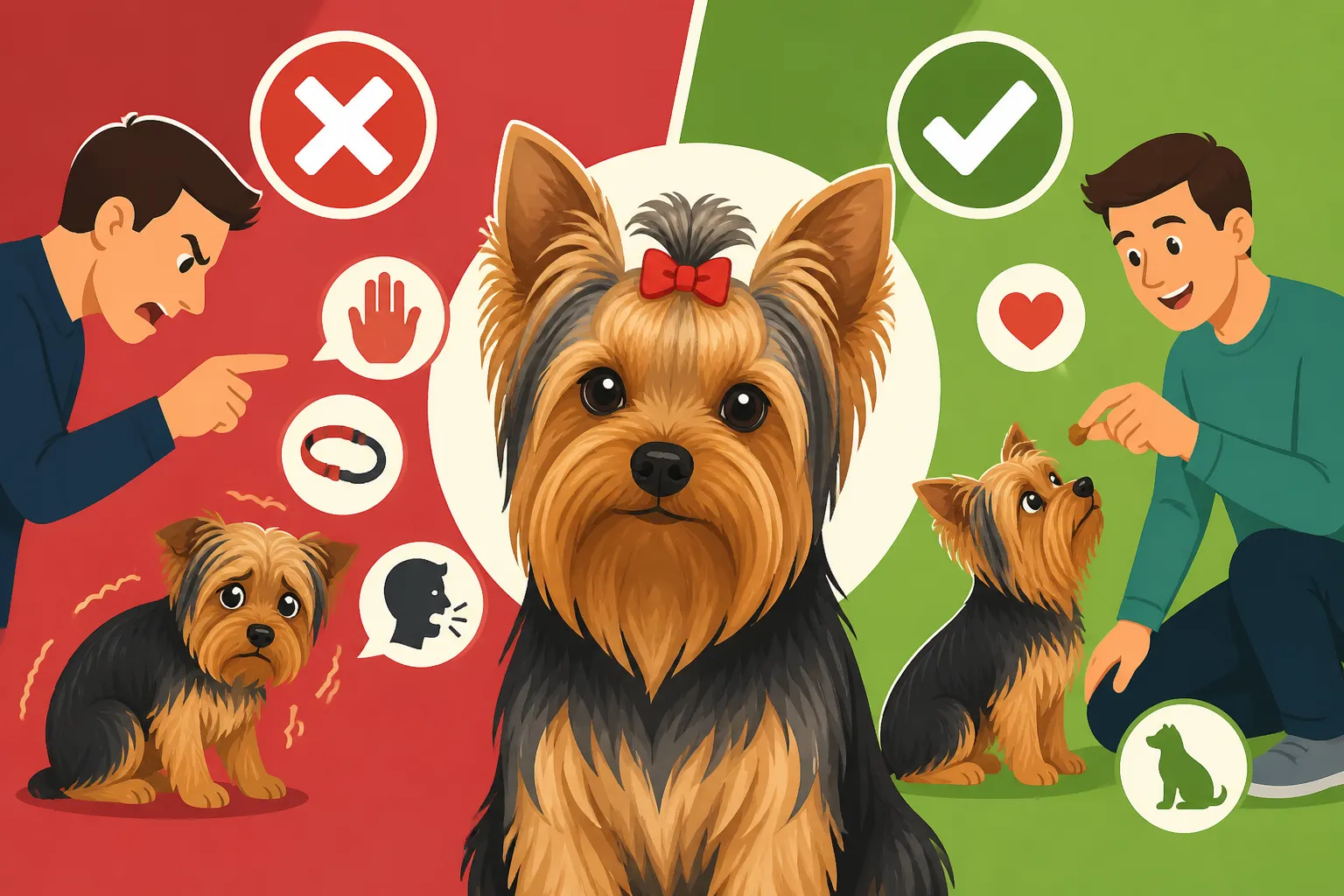
Yorkies are tiny and intelligent, but they are also quite sensitive. Yelling, hitting, or using harsh physical corrections will not teach them what you want them to do. Instead, it teaches them to be fearful of you, to distrust you, or to become anxious and shut down. Such methods can easily lead to a Yorkie who is timid, cowering, or even aggressive out of fear.
Instead, effective Yorkie training relies heavily on positive reinforcement – rewarding desired behaviors with treats, praise, or toys. When your Yorkie does something you like, mark that moment with a clicker (you can find affordable ones on Amazon) or a verbal marker like "Yes!" and immediately follow with a reward. This positive association makes them eager to repeat the behavior. If they do something undesirable, interrupt them (if possible) and redirect them to an appropriate activity. For example, if they're chewing on furniture, give them an appropriate chew toy instead. This approach builds a strong, trusting relationship and makes training a fun, engaging experience for both of you. You can learn more about this in our article on Positive Reinforcement Training for Yorkies.
Neglecting Crucial Socialization
Yorkshire Terriers might be small, but they have big personalities. Unfortunately, sometimes owners, thinking they're protecting their tiny companion, inadvertently isolate them, leading to a host of behavioral issues rooted in undersocialization. This can manifest as fear, anxiety, or aggression towards strangers, other dogs, or new environments.
Not Exposing Them to New Sights, Sounds, and Experiences
Puppies have a critical socialization window, typically between 3 and 16 weeks of age, where they are most open to new experiences. Missing this window, or simply not providing enough varied exposure, can lead to a dog who is fearful or reactive. If your Yorkie spends all their time at home and is rarely exposed to the outside world, they can become overwhelmed and anxious when faced with everyday things like traffic noises, children playing, or even the sound of a vacuum cleaner.
It's vital to carefully and positively expose your Yorkie to a wide variety of sights, sounds, smells, people, and other well-vaccinated, friendly dogs from a young age. This doesn't mean throwing them into chaotic situations; it means controlled, positive experiences. Take them for short car rides, introduce them to different surfaces (grass, pavement, carpet), let them meet a few calm, dog-friendly people, and expose them to various household noises. Always keep these experiences positive with treats and praise, and never force an interaction. The goal is to build their confidence and show them that the world is a safe and interesting place, not a scary one. Our guide on How to Socialize a Yorkshire Terrier offers fantastic tips for this crucial step.
Over-Protecting Them from the World
This ties into treating them like fragile ornaments. When we constantly pick up our Yorkies every time another dog approaches, or shield them from children, or carry them through busy areas, we prevent them from learning how to navigate these situations themselves. This over-protection can inadvertently teach them that the world is indeed a dangerous place, and they need you to protect them. This can foster a sense of insecurity and dependence, potentially leading to "small dog syndrome" where they feel the need to compensate for their size with excessive barking or nipping.
Instead of shielding them, empower them with confidence. Guide them through new experiences with a calm demeanor and positive reinforcement. If another dog approaches, keep them on a short leash, create space, and reward them for remaining calm. Let them walk on their own four paws (safely, of course, perhaps in a well-fitting harness rather than a collar to protect their delicate neck). Allow them to explore under supervision. Teaching them resilience and how to cope with different stimuli will create a much more well-adjusted and happier Yorkie. Learning how to properly Introduce a Yorkie to Other Dogs is an excellent step in this direction.
Not Providing Adequate Exercise and Mental Stimulation
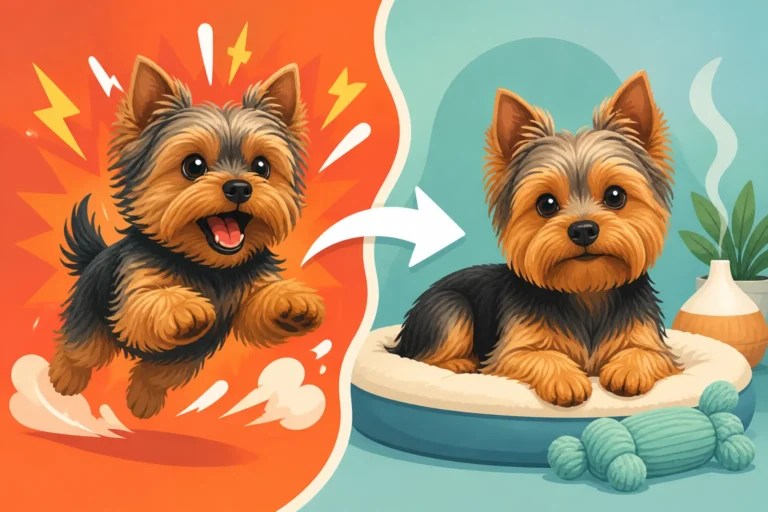
It’s a common misconception that because Yorkshire Terriers are small, they don’t require much exercise or mental stimulation. This couldn't be further from the truth! A bored Yorkie is often a destructive Yorkie, or one who develops annoying habits like excessive barking or digging. Their terrier brains are wired for activity, problem-solving, and engagement.
Believing Their Small Size Means No Exercise
Many owners think a quick trip to the backyard is enough for their tiny Yorkie. While they don't need marathon runs, Yorkies still require regular, intentional exercise to burn off energy and stay healthy. Without it, that pent-up energy can manifest in undesirable behaviors. Imagine being stuck in a small space all day with nothing to do – you'd probably get restless and start looking for trouble, too!
Yorkies benefit from daily walks, playtime, and opportunities to explore. Aim for at least 20-30 minutes of active exercise spread throughout the day. This could be two short walks, a game of fetch in the living room, or a session with a flirt pole. Make sure the walks are stimulating – let them sniff around, explore new scents, and engage with the environment. Regular exercise isn't just about physical health; it's crucial for their mental well-being and helps prevent common issues like Yorkshire Terrier Separation Anxiety Solutions by providing an outlet for their energy.
Neglecting Mental Enrichment
Physical exercise alone isn’t enough for these clever little dogs. Yorkies are intelligent and need to use their brains. If they're not given appropriate mental challenges, they'll often create their own, which usually involves chewing things they shouldn't, incessant barking, or finding creative ways to get into mischief.
Mental enrichment can take many forms. Puzzle toys, like those readily available on Amazon, where they have to figure out how to get a treat, are fantastic. Training sessions where you teach new tricks or commands, even simple ones, are also incredibly stimulating. Scent games, where you hide treats around the house for them to find, tap into their natural hunting instincts. Even rotating their toys helps keep things fresh and exciting. A mentally stimulated Yorkie is a happier, calmer, and better-behaved Yorkie. Dedicate at least 10-15 minutes a day to these types of activities, and you'll likely see a significant improvement in their overall behavior.
Poor Potty Training Management
Potty training a Yorkshire Terrier often gets a bad rap for being difficult, but many of the struggles stem from common owner mistakes rather than the Yorkie themselves being untrainable. Their small bladders mean they need frequent opportunities to relieve themselves, and inconsistent habits from owners can quickly derail progress.
Inconsistent Potty Breaks or Expectations
This is arguably the biggest mistake in potty training any dog, but especially small breeds like Yorkies. If you don't stick to a predictable potty schedule, your Yorkie won't learn when and where they're supposed to go. For example, if you take them out every hour for a few days, then suddenly only every 3-4 hours, they're bound to have accidents. Puppies, especially, need to go out every 1-2 hours initially, immediately after waking up, after playing, and after eating/drinking.
Establishing a strict routine and adhering to it religiously is paramount. Take your Yorkie to the exact same spot outside every time, use a consistent verbal cue like "Go potty!" and reward them generously with a high-value treat immediately after they finish. This helps them build a strong association. Without this consistency, your Yorkie is left guessing, which leads to indoor accidents and frustration for everyone involved. Our article on Yorkie Potty Training Regression discusses how to get back on track if you've hit a snag.
Not Cleaning Accidents Thoroughly Enough
It might seem minor, but how you clean up accidents indoors plays a huge role in preventing future ones. If a lingering odor remains from a past accident, your Yorkie's powerful nose will still detect it, marking that spot as a "bathroom" in their mind. Even if you can't smell it, they can, and it acts as an invitation to go there again.
Regular household cleaners are often not enough to neutralize pet urine odors. You need an enzymatic cleaner designed specifically for pet accidents. These cleaners break down the uric acid crystals in urine, completely eliminating the odor rather than just masking it. Without thorough cleaning, you're fighting an uphill battle, as your Yorkie will be naturally drawn back to those "scented" spots. This simple step is often overlooked but is crucial for successful potty training.
The Pitfalls of "Small Dog Syndrome"
"Small Dog Syndrome" isn't a medical condition; it's a collection of behavioral issues that often arise when owners inadvertently allow their small dogs to get away with behaviors that would never be tolerated in a larger breed. Because they're small and cute, it's easy to dismiss or even encourage behaviors that become problematic over time.
Permitting Nipping, Jumping, or Excessive Barking
It's understandable – a tiny Yorkie jumping up on your leg isn't going to knock you over, and a little nip might just be a playful 'love bite.' But these behaviors, if not corrected, teach your Yorkie that they can get what they want through pushy or demanding actions. A Yorkie who jumps for attention will continue to do so; one who nips when overstimulated will learn that this is an effective communication tool. Likewise, if excessive barking at the doorbell, passing strangers, or other dogs is ignored or, worse, inadvertently rewarded by giving them attention, they will learn that barking gets results.
It's crucial to set boundaries, regardless of size. Teach your Yorkie polite greetings (four paws on the floor), appropriate play (no nipping), and a "Quiet" command for barking. Consistency here is key. If your Yorkie jumps, turn your back until they settle, then reward calm behavior. If they nip, immediately stop interaction. For barking, identify the trigger, manage the environment, and teach them an alternative behavior. Our guide on How to Stop Yorkie Excessive Barking offers practical solutions.
Carrying Them Everywhere, Preventing Natural Interaction
While convenient and sometimes necessary for safety in very crowded areas, constantly carrying your Yorkie can be a significant mistake. If your Yorkie is always in your arms, they never learn to walk confidently on a leash, navigate their environment, or properly interact with other dogs and people at their own level. This can create a dog who is anxious, overly reliant on you, and often fearful or reactive when they are put down.
Allow your Yorkie to walk on their own whenever it's safe to do so. Invest in a comfortable, secure harness (which is generally safer and more comfortable for Yorkies than a collar due to their delicate tracheas, a common concern discussed in Yorkshire Terrier Tracheal Collapse: Signs and Care). Encourage them to explore and interact with their surroundings from their own perspective. Supervised playtime with appropriate, calm dogs can be incredibly beneficial for building their confidence and social skills. You want your Yorkie to be a confident, well-adjusted companion, not a perpetually sheltered purse dog.
Giving Up Too Soon
Training a Yorkie takes patience, consistency, and a good understanding of their unique personality. One of the most disheartening mistakes owners make is throwing in the towel too early, assuming their Yorkie is "untrainable" or "too stubborn." Remember, progress isn't always linear, and setbacks are a normal part of the learning process.
Expecting Instant Results
We live in a world of instant gratification, and sometimes we transfer this expectation to our pets. When your Yorkie doesn't master "sit" in a single session or has a potty accident after weeks of success, it's easy to get discouraged. But dog training is a marathon, not a sprint. Each dog learns at their own pace, and Yorkies, with their spirited terrier nature, can sometimes be a bit more challenging to motivate if you're not speaking their language.
Instead of expecting perfection overnight, celebrate small victories. Did they hold their bladder for an extra 15 minutes? Did they look at you instead of barking at the mailman? These are wins! Focus on consistent, short, and fun training sessions (5-10 minutes, several times a day) rather than long, drawn-out ones. Break down complex behaviors into tiny, achievable steps. Your Yorkie will appreciate the positive reinforcement and the lack of pressure, making them more engaged and willing to learn.
Failing to Adapt Training Methods
If a particular training method isn't working, the mistake isn't necessarily in your Yorkie; it might be in the method itself or how it's being applied. What works for one dog might not work for another, and what works for a Labrador might not be suitable for a sensitive Yorkshire Terrier. Continuing to use an ineffective method out of stubbornness or lack of knowledge will only lead to more frustration for both you and your dog.
If you're struggling, take a step back and reassess. Are your rewards high-value enough? Are your commands clear? Are you being consistent? Could there be an underlying reason for the behavior (e.g., medical issue, anxiety)? Sometimes, a slight tweak in your approach can make all the difference. For example, some Yorkies respond better to play as a reward rather than food. Don't be afraid to try different techniques or seek guidance from a professional positive reinforcement trainer. Many resources, including online courses like those offered by BAXTER & Bella, can provide new strategies and support. Remember, a flexible trainer is a successful trainer!
Common Yorkie Training Mistakes and Solutions
To help you visualize the most common pitfalls and their straightforward fixes, here's a handy table outlining some of the key mistakes we’ve discussed and how to correct them effectively.
| Mistake Category | Specific Mistake | Problem Caused | Effective Solution |
|---|---|---|---|
| Underestimation | Treating Yorkie like a fragile baby | Fearful, anxious, or overly dependent dog | Encourage safe exploration, build confidence, socialize gently. |
| Ignoring early nipping/barking | Escalation into problematic aggression/nuisance barking | Redirect immediately with toys, teach "Quiet" command, reward calm behavior. | |
| Inconsistency | Unclear house rules (e.g., furniture access) | Confusion, selective obedience, frustration | Establish clear, consistent rules for all family members, use consistent commands. |
| Different family members use different commands | Slow learning, undermines authority | Family agreement on commands & methods, use online programs like BAXTER & Bella for unified approach. | |
| Negative Reinforcement | Scolding for potty accidents after the fact | Fear of owner, hiding accidents, slower house-training | Interrupt during accident, immediately take outside, reward correct potty behavior lavishly. Clean thoroughly with enzymatic cleaner. |
| Using harsh physical corrections | Fear, aggression, damaged bond, dog shuts down | Exclusively use positive reinforcement: reward good behavior with treats/praise. Redirect unwanted behavior. | |
| Neglecting Socialization | Isolating from outside world (people/dogs/sounds) | Fear-based reactivity, anxiety | Gradual, positive exposure to new sights, sounds, and people. Supervised play with calm, vaccinated dogs. |
| Over-protecting by constant carrying | Lack of confidence, poor leash skills, fear/reactivity | Allow safe walking on leash and harness, encourage exploration, build resilience. | |
| Inadequate Stimulation | Believing small size = no exercise needs | Destructive chewing, barking, hyperactivity | Daily short walks, interactive playtime, fetch. |
| Neglecting mental games/puzzles | Boredom, mischief, attention-seeking behaviors | Introduce puzzle toys (e.g., from Amazon), scent games, trick training, short obedience sessions. | |
| Potty Training Issues | Inconsistent potty schedule/expectations | Frequent indoor accidents, slow house-training | Strict, predictable potty schedule (every 1-2 hrs for puppies), consistent potty spot, immediate rewards. |
| Not thoroughly cleaning accidents | Lingering odor attracts Yorkie back to accident spot | Use enzymatic pet odor eliminators only; regular cleaners are insufficient. | |
| Giving Up Too Soon | Expecting instant results from training | Frustration, feeling of failure, abandonment of training | Celebrate small victories, use short (5-10 min) daily sessions, understand progress is gradual. |
| Sticking to ineffective training methods | Continued problematic behavior, burnout | Be flexible, try different reward types, consult a professional trainer if stuck, or try new online resources. |
Final Thoughts on Yorkie Training
Training your Yorkshire Terrier doesn't have to be a battle. By understanding these common mistakes and actively working to avoid them, you're already leaps and bounds ahead. Remember, your Yorkie wants to please you; they just need clear, consistent, and positive guidance to understand what you're asking of them. Patience, empathy, and a commitment to positive reinforcement will build an incredibly strong bond and lead to a well-behaved, happy, and confident companion. Take it one step at a time, celebrate every small success, and enjoy the journey of learning and growing with your wonderful little Yorkie.
Disclaimer
The information provided in this article is for general informational purposes only and is not a substitute for professional veterinary advice. Always consult with a qualified veterinarian or certified professional dog trainer for any concerns about your Yorkie's health or specific training challenges.