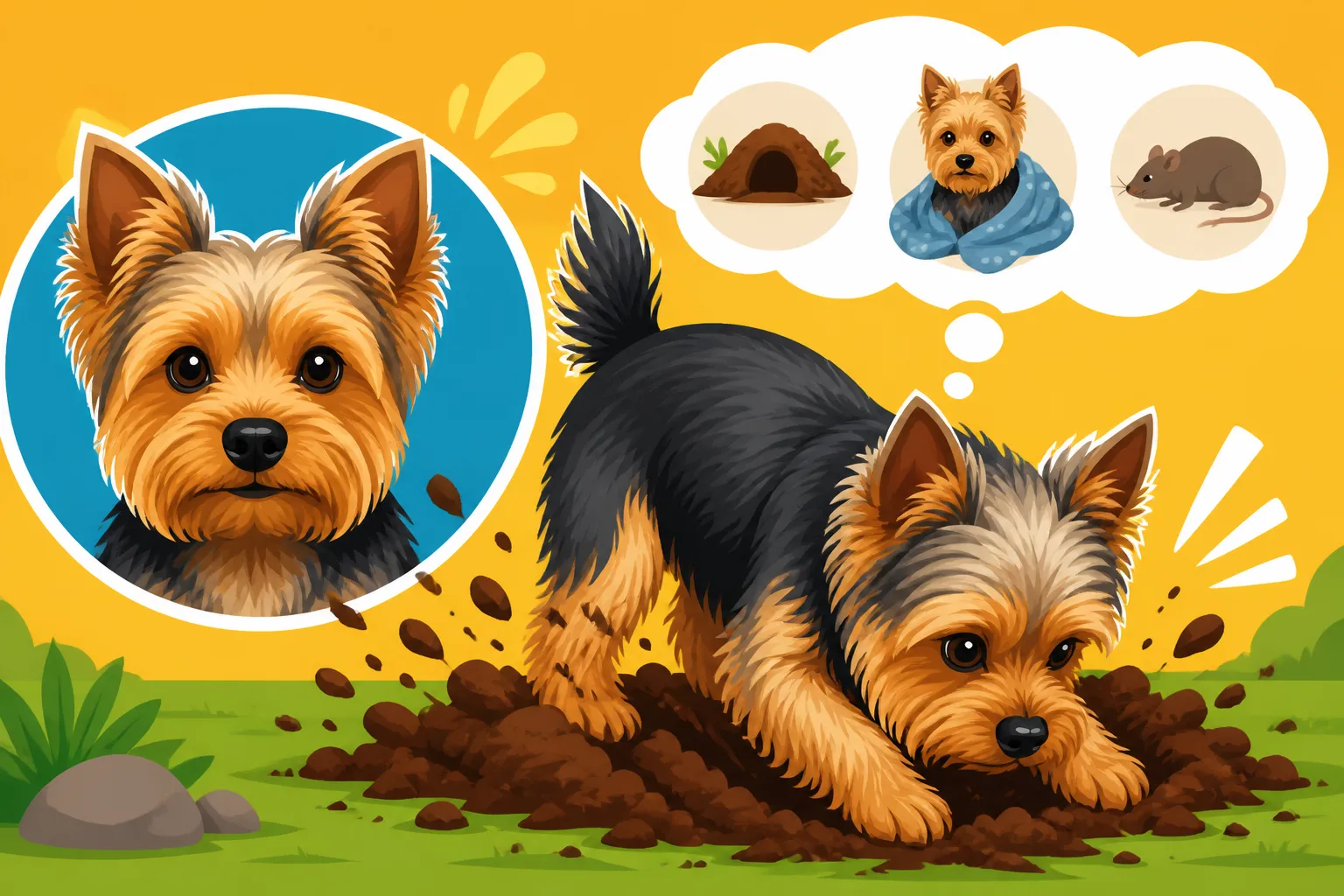
Yorkie Digging Behavior Explained
It's incredibly frustrating to walk into your living room to find your meticulously arranged throw pillows scattered, or worse, to discover craters appearing in your once-pristine backyard. Yorkies, despite their small stature, can be surprisingly avid diggers, and this behavior often leaves owners scratching their heads. This comprehensive guide will delve deep into why your beloved Yorkshire Terrier feels the irresistible urge to dig, explain the different types of digging you might observe, and arm you with practical, empathetic strategies to manage and redirect this natural, yet often inconvenient, instinct.
Why Yorkies Feel the Urge to Dig: Understanding the Roots of the Behavior
When you see your little Yorkie furiously digging at the carpet or landscaping, it’s easy to assume they’re just being naughty. But for our furry friends, digging is rarely about malice; it’s almost always driven by deep-seated instincts or unmet needs. Understanding these underlying reasons is the first step toward effective management.
Instinctual Drives and Breed History
Yorkshire Terriers might be pampered lapdogs today, but their ancestors were hardy working dogs, originally bred in 19th-century England to hunt rats and other small vermin in mills and mines. This history isn't just a fun fact; it's crucial for understanding their behavior. The urge to dig is hardwired into their DNA. Their terrier lineage means they possess a strong prey drive, and digging is a natural part of hunting small, burrowing animals. Even if your Yorkie has never seen a mouse outside of a cartoon, that ancient instinct to unearth a hidden critter (or simply a fascinating smell) is still very much alive. They might be "digging to China" because their nose picked up an interesting scent trail underground, or they're simply mimicking what their ancestors did for survival and sustenance. It’s not about being disobedient; it’s about being a terrier.
Boredom and Lack of Mental Stimulation
One of the most common culprits behind destructive digging, especially indoors, is plain old boredom. Yorkies are intelligent, energetic dogs, and if they're not given enough physical exercise or mental enrichment, they'll find their own ways to entertain themselves. Sometimes, that means turning your sofa into a digging project. Imagine being a smart, curious dog with nothing to do all day—you'd likely find a "job" too! A bored Yorkie might start digging out of sheer frustration, a desperate attempt to burn off pent-up energy, or simply because the act of digging itself offers a form of stimulation. They might be trying to create their own fun, which, unfortunately, often comes at the expense of your garden or furniture. Ensuring your Yorkie has plenty of opportunities for play, short walks, and Mental Stimulation Games for Yorkies can go a long way in curbing this behavior.
Anxiety and Stress-Related Digging
Just like humans, dogs can experience anxiety and stress, and for some Yorkies, digging can be a coping mechanism. If your Yorkie's digging seems frantic, obsessive, or is accompanied by other signs of distress like whining, pacing, or excessive licking, it could be a manifestation of anxiety. This is particularly true for dogs suffering from Yorkie Separation Anxiety: Signs and Fixes, where they might dig at doors or windows in an attempt to escape and reunite with their owners. Digging provides a physical outlet for nervous energy, a way to channel their internal turmoil. They might feel more secure if they can create a "den" by digging into blankets or cushions, providing a perceived safe haven from their worries. Observing when and where your Yorkie digs can give you clues about potential stressors in their environment.
Types of Yorkie Digging and What They Mean
Not all digging is created equal. Understanding the different motivations behind your Yorkie's excavation habits can help you choose the most effective intervention. Each type of digging offers a unique window into your dog's needs and instincts.
Escape Artists and Den Builders
Some Yorkies dig with a clear purpose: to get somewhere they're not supposed to be or to create a safe, cozy spot. An "escape artist" Yorkie might dig tirelessly along the fence line, looking for a weakness or an opportunity to explore the great beyond. This is particularly prevalent if they are bored, lonely, or have an exceptionally strong prey drive that makes them want to chase something on the other side. They're not trying to run away from you; they're trying to get to something else. Then there are the "den builders." This type of digging involves creating a comfortable, secure nest. You'll often see this indoors, where a Yorkie might furiously dig at blankets, pillows, or even the cushions of your sofa before settling down for a nap. They are attempting to recreate a natural den, a safe and enclosed space that offers warmth and protection, much like their wild ancestors would have sought out or created for themselves. This behavior is rooted in a primal need for security.
Hunting Instinct and Buried Treasures
As we've touched upon, the terrier in your Yorkie makes them natural hunters. This means a strong urge to unearth perceived prey. If your Yorkie is digging holes in the yard, especially if they're focused on a particular spot, they might be tracking the scent of a mole, vole, or another small critter. Their keen sense of smell can pick up on subterranean activity that you wouldn't even notice. This isn't just about catching prey; it's about the thrill of the chase and the satisfaction of fulfilling a deeply ingrained instinct. Beyond hunting, Yorkies also love to "bury" their treasures. This could be a favorite toy, a treat, or even a piece of kibble they’ve saved for later. Digging a small hole and then covering their prize is a natural caching behavior, a holdover from when dogs had to protect their food from rivals. While adorable, it can still lead to a messy yard.
Comfort Seeking and Temperature Regulation
Sometimes, your Yorkie's digging is simply an attempt to make themselves more comfortable. On a hot day, a dog might dig a shallow pit in the dirt to reach the cooler earth beneath, then lie down in it to regulate their body temperature. This is a common canine behavior, especially in breeds with dense coats or those prone to overheating. Conversely, on a cold day, a Yorkie might dig into blankets or create a nest to trap warmth and get cozy. They're seeking insulation, whether that's from the heat or the cold. You might observe this type of digging if their bedding isn't quite right, or if they're trying to find the perfect temperature spot on your couch. They're not trying to be destructive; they're just trying to find their ideal snuggle zone, much like a human might fluff a pillow before settling in.
Here's a quick overview of common digging behaviors:
| Type of Digging | Motivation | Common Locations | Signs & Indicators |
|---|---|---|---|
| Escape Digging | Freedom, chasing prey, exploring | Under fences, near gates, doors | Persistent digging, focused on boundaries, attempts to get through |
| Hunting/Prey Digging | Instinct to find small animals, fascinating smells | Garden beds, under bushes, specific spots in yard | Deep, conical holes, intense focus, sniffing, scratching |
| Boredom Digging | Lack of mental/physical stimulation, excess energy | Anywhere (yard, couch, carpet) | Random, unfocused digging, often accompanied by other destructive behaviors |
| Comfort/Denning | Seeking security, warmth, coolness, nesting instinct | Blankets, beds, cushions, shallow pits in dirt | Circular digging, pawing, then settling down; often before naps/sleep |
| Anxiety Digging | Stress, separation anxiety, fear | Near exits, crate, personal items | Frantic, obsessive digging, accompanied by whining, pacing, destructiveness |
| Caching/Burying | Storing food/toys for later, protecting resources | Yard, under furniture, blankets | Digging small hole, placing item, covering it with nose/paws |
Common Digging Spots and Their Significance
Where your Yorkie chooses to dig can often provide crucial clues about why they're digging. Pay attention to these locations; they're not random choices but strategic ones from your dog's perspective.
The Backyard Battlefield
The backyard is often ground zero for Yorkie digging, and for good reason. It’s an outdoor sensory wonderland, full of smells, sounds, and potential "prey." If your Yorkie is systematically excavating your prize-winning rose bushes or leaving craters across the lawn, they're likely either on a mission to hunt something or simply trying to burn off energy. Digging along the fence line, for example, is a classic sign of an escape artist or a dog with a strong drive to explore what lies beyond. They might be trying to follow the scent of a neighborhood cat or another dog. If the digging is concentrated around the base of trees or shrubs, it could be a sign of a strong prey drive, indicating they've detected small rodents or insects. Sometimes, especially in warmer climates like Phoenix or Las Vegas, they might just be trying to dig a cool spot to lie down and escape the heat, creating a shallow "cool-down" pit.
Indoor Excavations: Couches, Beds, and Carpets
Indoor digging is often more frustrating for owners because it directly impacts our living spaces. When your Yorkie turns your expensive sofa into a digging project, it's typically less about hunting and more about comfort, anxiety, or boredom. Digging and pawing at the couch cushions or a pet bed before settling down is a classic denning behavior, a natural nesting instinct. They’re trying to create a softer, more secure, or more comfortable spot. However, if the digging is frantic, destructive, and widespread across different indoor surfaces like carpets, rugs, or even blankets, it might point to a lack of mental stimulation, excess energy, or even anxiety. A bored Yorkie might view the carpet as a giant puzzle to solve or simply an outlet for their pent-up energy, especially if they haven't had enough Yorkshire Terrier Exercise Needs for the day. This kind of destructive indoor digging often needs a multi-pronged approach involving redirection and enrichment.
Crate and Bedding Burrowing
The crate, intended as a safe haven, can sometimes become another digging hotspot for your Yorkie. If your dog is digging at the bottom of their crate or vigorously pawing at their bedding, it's usually a clear sign of denning behavior. They are trying to arrange their space to be as comfortable and secure as possible. This is a natural instinct, similar to how a wild dog might prepare a den. However, if the digging in the crate becomes obsessive, frantic, or leads to shredded bedding, it could indicate underlying anxiety or discomfort. They might be trying to "escape" the crate if they associate it with confinement rather than safety, or they could be experiencing separation anxiety. In such cases, reassessing your Yorkshire Terrier Crate Training Guide methods and ensuring the crate is a positive space is crucial. Providing appropriate, durable bedding that can withstand some burrowing, like a tough K9 Ballistics bed, might be helpful here.
Effective Strategies to Manage and Prevent Digging
Managing your Yorkie's digging requires patience, consistency, and a good understanding of what motivates them. There isn't a one-size-fits-all solution, but a combination of environmental adjustments, enrichment, and training can make a significant difference.
Environmental Enrichment and Mental Engagement
One of the most powerful tools against unwanted digging is to provide plenty of appropriate outlets for your Yorkie's energy and intelligence. A bored Yorkie is a digging Yorkie! Start with regular, engaging playtime. Short, frequent play sessions that mimic hunting, like hide-and-seek with treats or a flirt pole, can satisfy their prey drive in a constructive way. Consider puzzle toys, like those found on Amazon, that dispense kibble or treats as your Yorkie manipulates them. These toys force them to use their brains and problem-solving skills, providing much-needed mental stimulation. For Yorkies with a high scent drive, consider nose work games where you hide treats around the house for them to sniff out. This taps into their natural instincts and keeps them mentally engaged. Regular walks, even short ones, provide crucial sensory input and allow them to explore the world with their powerful noses. If your Yorkie is hyper, finding ways to How to Calm a Hyper Yorkie through enrichment is crucial.
Physical Barriers and Deterrents
For outdoor digging, physical barriers and deterrents can be highly effective, especially in conjunction with other strategies. If your Yorkie is digging under the fence, burying chicken wire or concrete blocks along the bottom edge of the fence line can prevent escapes. For specific spots in the garden they repeatedly target, you might try placing large rocks, paving stones, or even thorny branches (safely) over the area. Some people have success with motion-activated sprinklers that harmlessly deter dogs from entering certain zones. Sprinkling diluted citrus oil or cayenne pepper (ensure it's safe for pets and won't harm them if ingested in small amounts) can sometimes deter digging in specific areas due to the unpleasant scent. However, remember that deterrents only work if you address the underlying reason for the digging; otherwise, your Yorkie will simply find a new spot.
Training and Redirection
Training is paramount to managing digging. The goal isn't necessarily to stop your Yorkie from digging entirely, as it's a natural instinct, but to redirect that energy to appropriate outlets. When you catch your Yorkie digging in an undesirable spot, interrupt the behavior with a firm "No" or a clap, then immediately redirect them to an acceptable activity. This could be a designated digging pit (more on that below), a puzzle toy, or a short play session. Positive reinforcement is key here. Reward them lavishly when they dig in the right spot or engage with an appropriate toy instead of your garden bed. Consistency from everyone in the household is vital for your Yorkie to understand what's expected. For more general behavior guidance, exploring resources like How to Train a Yorkshire Terrier or Yorkshire Terrier Behavior Problems and Solutions can be incredibly helpful.
Training Techniques to Redirect Digging Instincts
Instead of constantly fighting your Yorkie's natural urge to dig, smart training involves giving them an acceptable place to do it. This fulfills their instinct without destroying your home or yard.
Creating a Designated Digging Zone
One of the best ways to manage a persistent digger is to provide a "yes" space for their natural behavior. This is where a designated digging pit comes in. Find a secluded corner of your yard or a large sandbox. Bury some of your Yorkie’s favorite toys or treats in this area, just shallow enough for them to discover easily. When you see your Yorkie starting to dig elsewhere, gently lead them to their digging pit and encourage them to dig there, using excited praise when they do. You can even get down and "dig" with them initially to show them what's expected. Once they start unearthing the hidden treasures, praise them enthusiastically. The idea is to make this designated area the most rewarding place to dig. Consistency is vital; always redirect them to this spot. Over time, your Yorkie will learn that digging in this particular area brings rewards, while digging elsewhere does not.
Positive Reinforcement and Command Training
Positive reinforcement is the cornerstone of any effective dog training. Instead of punishing unwanted digging, focus on rewarding the desired behavior. When your Yorkie chooses not to dig in an forbidden spot, or when they actively engage with an appropriate toy, shower them with praise, treats, or their favorite playtime. Teaching commands like "leave it" or "drop it" can also be incredibly useful. If you see your Yorkie about to start digging where they shouldn't, a quick "leave it" command, followed by redirecting them to their digging pit or a puzzle toy, can interrupt the behavior. Websites like BAXTER & Bella offer comprehensive online puppy training programs that emphasize positive reinforcement and can help you develop a strong communication foundation with your Yorkie, making it easier to teach these crucial redirection commands. Remember, you want your Yorkie to associate good things with not digging destructively.
Consistency and Patience are Key
Training a Yorkie to manage their digging instincts isn't an overnight process, especially if they've been practicing the behavior for a while. Consistency is absolutely crucial. Every member of the household needs to be on the same page, responding to digging in the same way, every time. If one person allows digging on the couch while another punishes it, your Yorkie will become confused and progress will be slow. Patience is equally important. There will be setbacks, and you might discover a new hole in your yard or a flattened cushion. Don't get discouraged. Revert to your training methods, increase enrichment, and reaffirm the boundaries. It's a marathon, not a sprint, but with persistent effort and understanding of their terrier nature, you can teach your Yorkie acceptable outlets for their digging desires. This ongoing process of guidance is vital, as outlined in articles like Yorkie Training Mistakes to Avoid.
When to Seek Professional Help for Excessive Digging
While some digging is normal for a Yorkie, there comes a point where it might be excessive, compulsive, or indicative of deeper issues. Knowing when to call in the professionals can save you a lot of stress and ultimately help your dog.
Persistent and Destructive Digging
If you've tried all the environmental enrichment, redirection, and training techniques, but your Yorkie's digging remains persistent, destructive, and seemingly unstoppable, it's time to consider professional intervention. This is especially true if the digging is causing significant damage to your home, yard, or if your Yorkie is injuring themselves in the process (e.g., raw paws, broken nails). Persistent digging that doesn't respond to typical management strategies could be a sign of a strong underlying behavioral issue that requires a more nuanced approach. Perhaps the boredom is more profound than you realized, or the anxiety is deeper-seated. A professional can help identify these hidden triggers.
Signs of Compulsive Behavior
Compulsive digging goes beyond a natural instinct; it often appears as an uncontrollable, repetitive behavior that the dog seems unable to stop, even when stressed or tired. Signs of compulsive digging might include:
- Digging for extended periods without apparent reason or goal.
- Digging that seems unfocused or random.
- Self-mutilation, such as licking or chewing their paws raw after digging.
- Digging even when exhausted or in an inappropriate setting (e.g., digging vigorously in a smooth, hard floor).
- Inability to be interrupted or redirected from digging.
If you observe these kinds of behaviors, it's a red flag. Compulsive behaviors often stem from chronic stress, anxiety, or even underlying medical conditions. This isn't just a "bad habit"; it's a symptom that needs expert assessment.
Consulting a Veterinarian or Certified Behaviorist
The first step when facing severe or compulsive digging should always be a visit to your veterinarian. They can rule out any underlying medical conditions that might be contributing to the behavior, such as pain, discomfort, or neurological issues. Once health issues are excluded, your vet might recommend a certified professional dog trainer or a veterinary behaviorist. These experts have specialized knowledge and experience in canine behavior. A veterinary behaviorist, for example, is a veterinarian with additional qualifications in animal behavior, allowing them to diagnose and treat behavioral problems, sometimes with medication in conjunction with behavior modification. They can assess your Yorkie's specific situation, identify the root cause of the digging, and develop a tailored behavior modification plan that's far more effective than generic advice. They can provide personalized strategies and support to help you and your Yorkie overcome this challenging behavior, ensuring your little companion leads a happier, less stressed life.
Disclaimer
Please note that this article is intended for informational purposes only and is not a substitute for professional veterinary advice. If you have concerns about your Yorkshire Terrier's health or behavior, always consult with a qualified veterinarian or certified dog behaviorist.