How Much Does a Yorkie-Poodle Cost
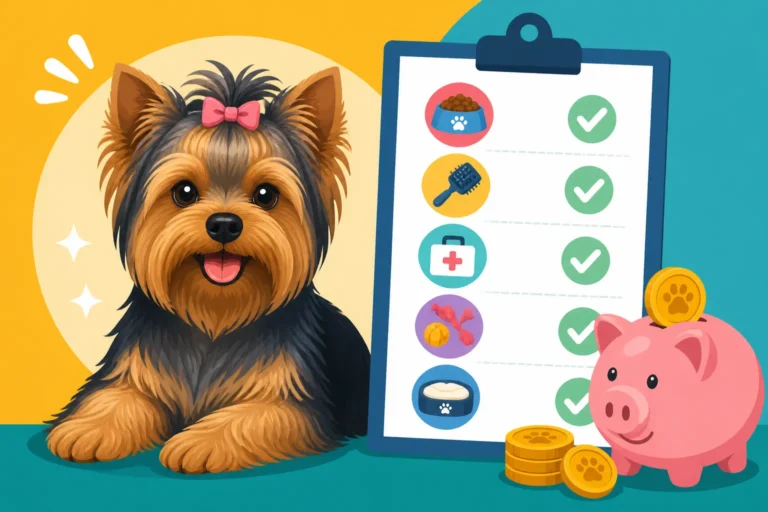
Bringing a fluffy, intelligent Yorkie-Poodle mix, often lovingly called a Yorkipoo, into your life is an incredibly exciting prospect. You've probably already fallen for their charming looks and spunky personalities, but before you welcome one home, a big question always looms: "How much does a Yorkie-Poodle actually cost?" It's a completely fair concern, and one that can feel overwhelming when you see wildly different prices online. This guide is here to help you navigate the various financial aspects, from the initial purchase to the ongoing care, ensuring you're fully prepared for the joy (and budget) of owning one of these delightful companions.
The Initial Price Tag: What to Expect When Buying a Yorkie-Poodle Puppy
The very first cost you'll encounter is, of course, the price of the puppy itself. This isn't a fixed number, and it can fluctuate quite a bit depending on several factors. Think of it like buying a car; a basic model from one dealership will differ significantly from a luxury model with all the bells and whistles from another. Yorkie-Poo puppies typically range anywhere from $1,000 to $2,500, but some can go higher, especially if they come from exceptional lineage or a highly sought-after breeder.
Factors Influencing Puppy Price
Several elements play a significant role in determining how much you'll pay for a Yorkie-Poodle puppy. Understanding these can help you set realistic expectations and make an informed decision. It’s not just about the cute face, after all; a higher price often reflects the investment the breeder has made.
First and foremost is the breeder's reputation and experience. Ethical breeders invest heavily in their breeding stock, genetic testing, proper nutrition for the mother and puppies, early socialization, and veterinary care. They ensure their dogs are healthy and well-adjusted, often going above and beyond minimum requirements. This dedication naturally translates into a higher price, but it also means you're more likely to get a healthy, well-tempered puppy with fewer surprises down the line. Avoid breeders who offer unusually low prices, as this can be a red flag for puppy mills or backyard breeders who cut corners on care and health.
Next, the location where you buy your puppy can influence the price. Popular metropolitan areas or regions with a high demand for designer breeds like Yorkie-Poos might see higher prices compared to more rural areas. Supply and demand dynamics are definitely at play here. For example, a breeder in a high-cost-of-living area like Southern California or the Northeast might have higher overheads, reflected in their puppy prices, than one in a state with a lower cost of living.
The lineage and specific characteristics of the puppy also contribute. If the puppy's parents have exceptional pedigrees, show titles, or are specifically bred for certain desirable traits (like a very specific coat color or size), the price will likely be on the higher end. Similarly, a "teacup" sized Yorkie-Poodle, while not an officially recognized size by breed standards, might command a premium due to its smaller stature, although these tiny dogs can sometimes come with additional health considerations. The generation of the crossbreed (F1, F1b, etc.) can also matter, with F1b (backcross to a Poodle) often sought after for increased hypoallergenic traits.
Finally, the health guarantees and initial veterinary care provided by the breeder are crucial. A responsible breeder will provide a health guarantee, often covering genetic issues for a certain period. They should also include the puppy's first vaccinations, deworming, and a vet check-up before sending the puppy home. This upfront care is built into the cost, saving you initial vet bills immediately after adoption. These essential steps are part of a good Yorkshire Terrier Puppy Health Guide.
Breeder vs. Rescue Costs
When considering where to get your Yorkie-Poodle, you essentially have two main paths: purchasing from a breeder or adopting from a rescue. Each comes with its own cost structure and considerations.
Buying from a reputable breeder, as discussed, usually involves a higher upfront cost, typically in the $1,000 to $2,500+ range. This cost covers the breeder's extensive investment in their dogs' health, genetic testing, proper nutrition, early socialization, and veterinary care for the dam and puppies. When you buy from a good breeder, you're not just paying for a puppy; you're paying for peace of mind, knowing the puppy has had the best start in life and comes with support and a health guarantee. This is often the path for those who want a puppy with predictable traits and a known genetic background.
On the other hand, adopting a Yorkie-Poodle from a rescue organization or shelter is generally much more affordable. Adoption fees for mixed breeds like Yorkie-Poos typically range from $200 to $600. While you might not find a puppy as readily, many adult Yorkie-Poos and mixes end up in rescues through no fault of their own. The adoption fee usually covers spaying or neutering, initial vaccinations, microchipping, and sometimes even a basic health check. The primary advantage here, beyond the lower cost, is giving a deserving dog a second chance at a loving home. However, the dog's history might be less known, and you might need to be prepared for potential behavioral or health issues that weren't fully identified. It's an incredibly rewarding option for those open to a dog of unknown background, but it’s important to understand the dog's needs.
What's Included in the Puppy Price
When you're handed that adorable little fluffball, what exactly has that initial fee covered? A reputable breeder's price should encompass more than just the puppy itself. It’s important to clarify what you're receiving before finalizing any purchase.
Typically, a well-bred Yorkie-Poodle puppy's price will include their first round of vaccinations (distemper, parvovirus, adenovirus, parainfluenza). These are critical for a young puppy's immune system as they transition from their mother's protection. You should receive a detailed vaccination record from the breeder. Often, initial deworming treatments are also included, as puppies are prone to intestinal parasites.
Another standard inclusion is microchipping. This small chip, inserted under the skin, provides permanent identification for your dog, vastly increasing the chances of reunion if they ever get lost. The breeder usually registers the chip in their name initially, and you'll then transfer ownership, often with a small fee from the microchip company.
Most responsible breeders will also provide a thorough health check performed by a licensed veterinarian. This check ensures the puppy is free of obvious health issues before going to its new home. You should receive documentation from this vet visit. Some breeders might also include a small starter pack of food (often the brand they've been feeding), a toy with the litter's scent to ease transition, and basic care instructions. This attention to detail shows a commitment to the puppy's well-being and helps set you up for success.
Essential One-Time Setup Costs for Your New Companion
Beyond the initial purchase price of your Yorkie-Poodle, there’s a whole list of essential items you’ll need to buy to prepare your home and ensure your new family member is comfortable, safe, and well-adjusted. These are typically one-time purchases, though some items like toys or beds might need replacing over time.
Supplies for a Comfortable Home
Imagine moving into a new house without any furniture or essentials – it's similar for a puppy! Creating a welcoming and safe environment requires some upfront investment in basic supplies.
A crate is often at the top of the list. Not only does it provide a safe den for your puppy, but it’s also an invaluable tool for potty training and managing anxiety. For a Yorkie-Poodle, a small to medium-sized crate (typically 24-inch or 30-inch) is usually appropriate, offering enough room to stand, turn around, and lie down comfortably. Look for one with a divider so you can adjust the size as your puppy grows. Alongside the crate, a soft, comfortable dog bed is crucial, both for inside the crate and for other areas of your home. These little dogs love to burrow and snuggle, so a cozy bed will be much appreciated.
You’ll also need food and water bowls. Stainless steel or ceramic bowls are often recommended for hygiene and durability. Plastic bowls can harbor bacteria and are sometimes chewed on by teething puppies. A non-slip mat underneath can help keep them in place and contain spills. For walks and outings, a well-fitting harness and leash are absolute necessities. For small breeds like Yorkie-Poos, a harness is generally preferred over a collar for walking, as it distributes pressure across the chest and shoulders, protecting their delicate necks and tracheas. This is especially true for breeds prone to Yorkshire Terrier Collapsing Trachea: Signs and Care. Investing in a good quality, adjustable harness from a brand like Puppia or Gooby is a smart move.
Finally, don't forget toys! Yorkie-Poos are intelligent and playful, and a variety of toys will help with mental stimulation, teething, and preventing boredom. Look for durable chew toys, puzzle toys, and soft plush toys. Brands like Kong and Nylabone offer excellent options for small, powerful chewers. A Yorkie Supplies Shopping List will help you keep track of all these essentials.
Initial Veterinary Care
Even if your puppy comes with initial vaccinations and a health check from the breeder, there will be immediate veterinary costs that fall to you once you bring them home. It’s wise to schedule a vet visit within the first few days.
This crucial first appointment with your veterinarian serves several purposes. Firstly, it allows your vet to establish a baseline for your puppy's health and to confirm everything looks good post-transition. They’ll likely perform a thorough physical exam, check for parasites, and discuss your puppy’s medical history provided by the breeder. This initial visit typically costs between $50 and $150. This is also a great opportunity to ask about preventive care, nutrition, and local pet resources. You'll want to choose a vet who understands the unique needs of small breeds, as discussed in "How to Choose a Vet for a Yorkie".
Depending on your puppy’s age and previous vaccinations, they may need booster shots. Puppies typically receive a series of vaccinations over several weeks to build up their immunity. These boosters can add another $20-$60 per shot. Your vet will also discuss deworming if it hasn't been completed or if additional rounds are needed, which is usually around $20-$50. Furthermore, flea, tick, and heartworm prevention medication will be introduced, and these are ongoing costs but usually start with an initial purchase after your first vet visit. These initial health costs are a part of the broader Yorkshire Terrier Vet Costs and Health Budget you'll want to consider.
Training Essentials
Bringing a new puppy home means embarking on the journey of training, and there are a few essentials you'll want to have on hand to make the process smoother for both of you.
For potty training, pee pads are often a go-to, especially for small breeds or those living in apartments where immediate outdoor access isn't always feasible. A pack of pads can cost anywhere from $15-$30, and you'll go through several as your puppy learns. If you're planning on crate training, which is highly recommended for Yorkie-Poos, having a comfortable and appropriately sized crate is essential, as mentioned earlier. Accidents are inevitable during training, so having an enzyme cleaner on hand is a lifesaver. These cleaners neutralize odors, discouraging your puppy from repeatedly soiling the same spot, and usually cost around $10-$20 per bottle.
You might also consider treats specifically for training. High-value, small, soft treats are perfect for rewarding good behavior without overfeeding your tiny pup. Brands like Zuke's Mini Naturals or Wellness Soft Puppy Bites are often recommended for their size and palatability. A bag of quality training treats can cost $5-$15. For specific behavioral challenges, deterrents like bitter apple spray can be useful to discourage chewing on furniture or shoes, costing around $10-$15. These initial investments in training tools lay the groundwork for a well-behaved companion. You can find more comprehensive guidance in the Yorkshire Terrier Potty Training Guide.
Ongoing Annual Expenses: The Long-Term Financial Commitment
The initial costs are just the beginning. Owning a Yorkie-Poodle, like any pet, involves ongoing financial responsibilities that stretch throughout their lifespan. Budgeting for these annual expenses is crucial for their health and happiness, and your peace of mind.
Food and Nutrition
Feeding your Yorkie-Poodle a high-quality diet is paramount for their health and longevity. These small dogs have sensitive digestive systems and specific nutritional needs, especially given their mixed heritage.
The cost of food will vary significantly based on the brand, type (dry kibble, wet food, fresh food), and your dog’s specific needs. On average, you can expect to spend $20 to $60 per month on dog food. Premium kibble brands formulated for small breeds or sensitive stomachs, such as Royal Canin, Hill's Science Diet, or Orijen, will be on the higher end. For example, a small bag of high-quality kibble might cost $30-$50 but last a Yorkie-Poodle for over a month due to their tiny appetites. You can find more specific recommendations in our guide on the Best Dog Food for Yorkshire Terriers.
Some owners opt for fresh, human-grade dog food services like Ollie. While these options are fantastic for nutrition and palatability, they do come at a premium, often costing $40-$80 or more per month depending on the specific meal plan. If your Yorkie-Poodle has allergies or a sensitive stomach, you might need specialized diets, which can also increase costs. It's a good idea to factor in treats, too. Training treats and dental chews add another $5-$15 per month to your overall food budget. Understanding your Yorkie Monthly Food Budget is crucial for long-term planning.
Grooming Requirements
Yorkie-Poos inherit coats that typically require regular grooming, whether from the Poodle's curly, low-shedding fur or the Yorkie's long, silky hair. This isn't just about aesthetics; it's vital for their health to prevent matting, skin issues, and discomfort.
Professional grooming sessions usually cost between $50 and $90 per visit, depending on your location, the groomer’s experience, and the specific services included (bath, brush, haircut, nail trim, ear cleaning). Most Yorkie-Poos will need professional grooming every 6 to 8 weeks, meaning an annual cost of roughly $300 to $700. Some owners opt for a shorter "puppy cut" or "teddy bear cut" for easier maintenance, which might reduce the frequency of professional visits slightly. Our guide on Yorkie Grooming Costs Explained offers a deeper dive into these expenses.
If you choose to do some grooming at home, you'll save on professional fees but will need to invest in tools. A good quality brush (pin brush and slicker brush), dog-specific shampoo and conditioner, nail clippers or a grinder, and ear cleaner can cost an initial $50-$150. Learning How to Groom a Yorkshire Terrier at Home can be a rewarding way to bond with your pet and save money. Even with home grooming, some owners still bring their Yorkie-Poo to a professional for tricky tasks like anal gland expression or a professional trim every few months.
Routine Veterinary Care
Regular veterinary check-ups and preventative care are non-negotiable for keeping your Yorkie-Poodle healthy and catching potential issues early.
An annual wellness exam for an adult Yorkie-Poodle typically costs $50 to $100. During this visit, your vet will perform a physical check-up, update any necessary vaccinations (like rabies and distemper/parvo boosters), and discuss parasite prevention. The cost of vaccinations usually ranges from $20-$50 per shot. Annual heartworm, flea, and tick prevention medication is also essential and typically costs $150-$300 per year, depending on the brand and your dog's size. Many of these medications are monthly doses.
For small breeds like the Yorkie-Poodle, dental health is a significant concern. They are highly prone to Yorkie Dental Disease Prevention if not properly cared for. Annual dental cleanings under anesthesia can cost anywhere from $300 to $800 or more, depending on the vet and location. While not always needed annually, it's a significant potential cost to budget for every few years or as recommended by your vet. These costs collectively form a substantial part of your Yorkshire Terrier Vet Costs and Health Budget.
Preventative Medications and Supplements
Beyond basic vaccinations and parasite control, some Yorkie-Poos may benefit from specific preventative medications or supplements.
For example, many small breeds are prone to joint issues like patellar luxation, which is common in both Yorkies and Poodles. While not a guarantee, proactively giving a joint supplement can sometimes support joint health. Brands like Nutramax Dasuquin or Cosequin are popular choices, and these can cost $20-$40 per month. However, always consult your vet before adding any supplements to your dog's diet.
If your Yorkie-Poodle has specific sensitivities or allergies, your vet might recommend special medicated shampoos or dietary supplements, adding to your monthly out-of-pocket expenses. For instance, dogs with chronic dry skin might benefit from fish oil supplements, costing around $10-$20 per month. It's important to remember that these are often reactive costs based on individual health needs, but it's wise to have a small buffer in your budget for unexpected health-related expenses.
Miscellaneous Costs
Life with a Yorkie-Poodle isn't just about food and vet visits; there are several other smaller, yet important, costs that add up over a year.
Toys and treats, as mentioned, will be an ongoing purchase. While you might splurge initially, expect to spend another $10-$30 per month replacing worn-out toys, trying new treats, and providing mental enrichment. Pet sitting or boarding is another consideration if you travel. Daily dog walkers or overnight boarding can range from $25 to $75 per day, depending on the service and location. If you travel frequently, this can quickly become a significant annual expense.
Consider pet insurance. While an upfront cost, it can save you thousands in the event of an emergency or chronic illness. For a Yorkie-Poodle, pet insurance typically costs $30-$60 per month, depending on the plan, deductible, and your location. Companies like Healthy Paws offer comprehensive plans that cover accidents, illnesses, and even some alternative therapies, which can be invaluable when dealing with unexpected medical issues that Yorkshire Terrier Health Problems to Know might bring. Many owners find the peace of mind worth the monthly premium. You might ask, Is Pet Insurance Worth It for a Yorkie? For many, the answer is a resounding yes.
Here's a quick overview of potential costs for a Yorkie-Poodle:
| Category | Initial Cost (Estimated Range) | Annual Cost (Estimated Range) | Notes |
|---|---|---|---|
| Puppy/Adoption | $200 – $2,500+ | N/A | Varies greatly by breeder, lineage, location, and whether adopted from a rescue. |
| One-Time Setup Supplies | $300 – $800 | N/A | Crate, bed, bowls, leash, harness, initial toys, grooming tools, pee pads, enzyme cleaner. |
| Initial Vet Visit | $50 – $150 | N/A | First check-up post-adoption. |
| Food & Treats | N/A | $300 – $900 | Depends on quality, type (kibble, fresh food like Ollie), and dietary needs. |
| Grooming | N/A | $300 – $700 | Professional grooming (6-8 weeks) or DIY tools/supplies if grooming at home. |
| Routine Vet Care | N/A | $200 – $800 | Annual check-ups, vaccinations, parasite prevention (flea/tick/heartworm). Does not include dental cleanings or unexpected illness. |
| Dental Cleanings | N/A | $0 – $800+ (as needed) | Typically every 1-3 years; can be a significant cost when needed. |
| Pet Insurance | N/A | $360 – $720 | Optional, but highly recommended for peace of mind against unexpected major vet bills. (e.g., Healthy Paws) |
| Miscellaneous | N/A | $120 – $500+ | Replacement toys, occasional treats, pet sitting/boarding, training classes, unexpected minor supplies. |
| Estimated First Year Total | $1,970 – $6,470+ | N/A | This combines the higher end of initial costs with annual estimates. Can be lower with adoption or DIY. |
| Estimated Annual Total (after first year) | N/A | $1,180 – $4,420+ | This represents the ongoing costs for the life of your dog. |
Note: These are estimated ranges and can vary widely based on individual circumstances, location, choices, and unforeseen health issues.
Smart Strategies for Budgeting and Saving on Yorkie-Poodle Ownership
It’s completely understandable to feel a bit overwhelmed by these figures. But don’t worry, there are plenty of smart strategies you can employ to manage the costs of owning a Yorkie-Poodle without compromising their care or your wallet. It's all about being proactive and making informed choices.
Prioritizing Health and Preventative Care
This might sound counterintuitive for saving money, but investing in your Yorkie-Poodle's preventative health is one of the best long-term cost-saving measures you can take. Skipping annual vet visits or delaying vaccinations to save a few dollars now can lead to much more expensive treatments for preventable illnesses down the line.
Ensuring your dog is up-to-date on all vaccinations and parasite prevention (heartworm, flea, and tick) significantly reduces the risk of serious diseases that require costly veterinary intervention. For instance, treating advanced heartworm disease can run into thousands of dollars, whereas monthly prevention is a fraction of that cost. Regular dental care, including brushing at home and professional cleanings when recommended, can prevent severe dental disease, which often leads to expensive extractions and infections. Many Yorkie dental problems are entirely preventable with consistent care. Think of it as investing in their health savings account – a little bit now prevents a lot later.
DIY Grooming and Training
While professional services are excellent, there are many aspects of grooming and training you can handle yourself to save money.
For grooming, learning the basics can significantly reduce your trips to the professional groomer. You can learn to bathe your Yorkie-Poodle at home using dog-specific shampoo and conditioner, brush their coat daily to prevent mats, and even trim their nails yourself with a little practice and patience. There are countless online tutorials and resources for How to Groom a Yorkshire Terrier at Home, including specific cuts for their hair type. Investing in good quality clippers and scissors for home grooming can pay for themselves after just a few uses compared to professional fees.
Similarly, much of your Yorkie-Poodle’s training can be done at home. While puppy classes are fantastic for socialization and learning foundational skills, consistent practice and positive reinforcement from you can achieve wonders. Teaching basic commands, working on potty training consistency, and addressing minor behavioral quirks can all be done without constant professional intervention. Resources like online courses, books, and YouTube channels offer comprehensive guidance on everything from puppy basics to more advanced tricks.
Smart Shopping for Supplies
Being a savvy shopper can cut down on recurring expenses for food, treats, and other supplies.
Buying in bulk can often lead to savings on items you know you'll use regularly, like dog food or pee pads. Keep an eye out for sales and promotions from online retailers or local pet stores. Websites like Chewy often have competitive prices, auto-ship discounts, and a wide selection, making it easy to compare and save. Just be mindful of expiration dates if buying large quantities of food, especially with fresh food options like Ollie.
Consider opting for durable, long-lasting toys instead of cheap ones that will be destroyed quickly. While the initial cost might be higher, they'll last longer, saving you money in the long run. Also, look for multi-purpose items where possible. For instance, a durable, puzzle-dispensing toy can serve as both entertainment and a slow feeder for meals. Subscribing to loyalty programs or newsletters from your favorite pet supply stores can also grant you access to exclusive discounts and coupons.
Considering Pet Insurance
While pet insurance is an ongoing cost, it's truly a financial lifesaver for many pet parents when unexpected accidents or illnesses strike. For small breeds like Yorkie-Poos, who can be prone to specific health issues such as patellar luxation, dental disease, or even conditions like Yorkshire Terrier Hypoglycemia: Signs and Care, having insurance can mean the difference between being able to afford necessary treatment and facing heartbreaking financial decisions.
Companies like Healthy Paws offer various plans that can cover a significant portion of veterinary bills for accidents, illnesses, surgeries, emergency care, and even some specialist visits. Instead of facing a sudden $3,000 bill for an unforeseen surgery, your insurance could reimburse 70-90% after your deductible, making it much more manageable. While the monthly premium is an expense, it acts as a safety net, allowing you to focus on your pet's recovery rather than the cost. It’s an investment in your peace of mind and your Yorkie-Poodle's long-term health, helping you manage the broader Yorkie Pet Insurance Cost.
Disclaimer
This article provides general information and estimates regarding the cost of owning a Yorkie-Poodle. Actual costs can vary significantly based on your location, specific choices, the individual health needs of your pet, and changes in product or service pricing. It is always recommended to consult with a veterinarian and other pet professionals for personalized advice and current pricing in your area.