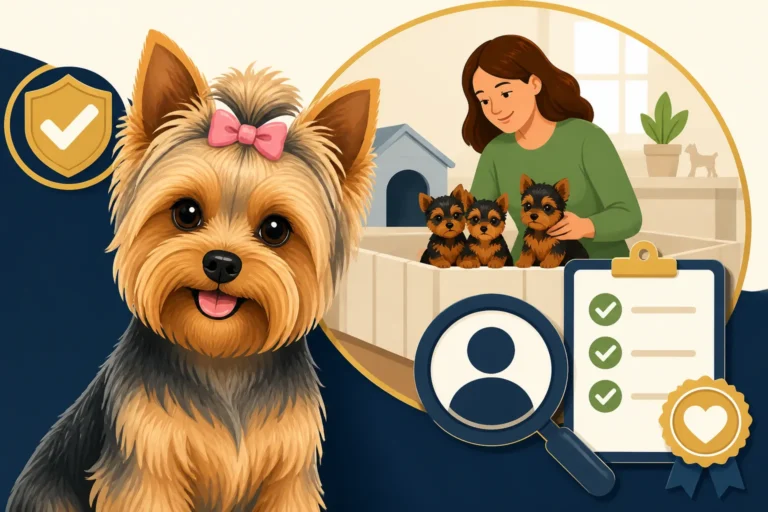
Where to Find Yorkie Breeders in Georgia
Bringing a new Yorkshire Terrier into your life is an incredibly exciting prospect, but the journey to finding the right furry family member can feel like navigating a minefield. The sheer number of online ads, the confusion over what makes a "good" breeder, and the desire to avoid heartbreaking situations like puppy mills can make the search for Yorkie breeders in Georgia feel overwhelming. This guide is here to cut through the noise, offering clear, actionable advice on where and how to find an ethical, responsible breeder who will set you and your future Yorkie up for a lifetime of happiness.
Why Diligence is Key When Seeking a Georgia Yorkie Breeder
Finding a Yorkshire Terrier puppy shouldn't be a quick, impulse decision. It’s a process that requires patience, research, and a clear understanding of what makes a reputable breeder stand out from those who prioritize profit over the well-being of their animals. Too many wonderful prospective owners fall prey to scams or unknowingly support irresponsible breeding practices, leading to costly health issues, behavioral problems, and immense emotional distress down the line. Your diligence now will save you countless headaches and heartaches in the future.
Protecting Your Future Yorkie's Health and Well-being
An ethical breeder invests heavily in the health and genetic soundness of their breeding dogs. They understand the predispositions within the breed and actively work to minimize the risk of passing on genetic conditions. For Yorkshire Terriers, this often means screening for issues like Yorkshire Terrier Patellar Luxation: Signs and Care or Yorkshire Terrier Liver Shunt: Signs and Care, which can be devastating if not addressed.
A responsible breeder won't just tell you their dogs are healthy; they'll provide documentation. This could include OFA (Orthopedic Foundation for Animals) certifications for knees, eye clearances from a board-certified veterinary ophthalmologist, and even genetic test results for conditions like von Willebrand's Disease or primary lens luxation. When a breeder skips these crucial steps, you’re essentially rolling the dice with your puppy’s health. Imagine bringing home an adorable Yorkie puppy, only to find out months later that it needs expensive surgery for a luxating patella or has a life-threatening liver shunt – situations that often could have been avoided with proper screening.
Navigating the Complexities of Responsible Breeding Versus Red Flags
It's easy to be swayed by cute puppy pictures, but true responsibility goes far beyond aesthetics. Irresponsible breeders, often referred to as puppy mills or backyard breeders, usually cut corners in areas like health testing, proper nutrition, socialization, and veterinary care for both parents and puppies. They might sell puppies too young, refuse to let you see the parents, or operate out of unsanitary conditions. These breeders are often just looking to make a quick sale.
On the other hand, a truly dedicated breeder views their dogs as part of their family. They meticulously plan breedings, ensure their dogs are health-tested, provide a nurturing environment for the puppies, and are deeply invested in finding the right homes. They'll also be transparent about the potential challenges of owning a Yorkie, such as their grooming needs or their predisposition to certain Common Yorkshire Terrier Genetic Conditions, rather than just painting a rosy picture. Learning to spot Yorkie Breeder Red Flags to Avoid is crucial for protecting yourself and supporting ethical practices.
The Lifelong Relationship with Your Breeder
Think of your breeder not just as a seller, but as a lifelong resource. A good breeder will offer continued support and advice long after you’ve taken your puppy home. They want to see their puppies thrive and will be there to answer questions about everything from training tips to dietary concerns. This kind of relationship is invaluable, especially for first-time Yorkie owners.
They often have a deep understanding of Yorkshire Terrier Temperament and Personality and can guide you through common puppy behaviors or challenges. If you ever find yourself in a situation where you can no longer care for your Yorkie, an ethical breeder will often require that the dog be returned to them, ensuring it never ends up in a shelter. This commitment speaks volumes about their dedication to the breed and the individual puppies they bring into the world.
Navigating the Top Avenues to Find Ethical Yorkie Breeders in Georgia
So, where do you actually start looking? It might feel like searching for a needle in a haystack, especially with so much conflicting information online. Thankfully, there are several reliable paths to connecting with reputable Yorkshire Terrier breeders right here in Georgia. It’s about knowing where to focus your energy and what questions to ask when you get there.
Leveraging Breed Club Resources
One of the absolute best places to begin your search for a Yorkie breeder in Georgia is through breed-specific clubs. These organizations are dedicated to the preservation and improvement of the Yorkshire Terrier breed, and their members often adhere to strict ethical guidelines.
The Yorkshire Terrier Club of America (YTCA) is the parent club recognized by the American Kennel Club (AKC). Their website is an excellent starting point, often featuring a "Breeder Directory" or a "Puppy Referral" section where you can find breeders who are members in good standing and have signed their code of ethics. While the YTCA itself is national, many of its members are located in various states, including Georgia. You can often filter by region or contact their breeder referral specialist for Georgia-specific recommendations.
Beyond the national club, look for local or regional Yorkshire Terrier clubs within Georgia. For example, there might be a "Greater Atlanta Yorkshire Terrier Club" or a "Peach State Yorkie Fanciers" group. These smaller clubs are usually populated by passionate individuals who are deeply involved in showing, breeding, and rescuing Yorkies in your area. They often host events where you can meet breeders and their dogs in person, ask questions, and get a feel for their practices. You can usually find these clubs through a quick web search or by checking the AKC's website for affiliated clubs in Georgia.
Online Platforms and Directories: A Closer Look
While the internet can be a mixed bag for breeder searches, there are specific online platforms that can be incredibly helpful when used correctly. The AKC Marketplace is a prominent online resource where AKC-registered breeders can list their puppies. It’s a useful tool because it provides some level of accountability, as breeders typically need to meet certain AKC requirements to be listed. However, even on the AKC Marketplace, it’s crucial to do your own due diligence. Just because a breeder is listed doesn't automatically mean they are the perfect fit or that they perform all recommended health clearances. It's a starting point, not the end of your research.
When using any online directory, be wary of websites that list dozens of different breeds from the same "breeder," or sites that seem more focused on a quick sale than on the health and welfare of the dogs. Avoid sites that don’t show pictures of the parents, the living conditions, or offer detailed information about the puppies' lineage and health. Remember, the goal is to find a dedicated individual or family, not a commercial operation. Some breeders also maintain their own websites or social media pages where they share updates, photos, and information about upcoming litters. These can be great places to get a glimpse into their breeding philosophy and dog-rearing practices. Just remember that anyone can create a beautiful website, so always verify the information through other means.
Community Referrals: Your Vet and Local Networks
Sometimes, the best connections come from trusted professionals and local dog enthusiasts. Your local veterinarian in Georgia can be an invaluable resource. Vets often have relationships with reputable breeders in the area who bring their dogs in for health checks, vaccinations, and other care. They've seen firsthand which breeders prioritize animal welfare and which ones might cut corners. Don't hesitate to ask your current vet, or even call around to other well-regarded veterinary clinics in Atlanta, Savannah, or Augusta, for breeder recommendations. They might even have a bulletin board with local breed club information or breeder contacts.
Beyond professional referrals, tap into local pet communities. Attend local dog shows, obedience classes, or even just visit popular dog parks (without your new puppy, of course!) and strike up conversations with other Yorkie owners. Many passionate owners are happy to share their experiences and recommend the breeder they used, or warn you about those to avoid. Online forums and local Facebook groups dedicated to Yorkshire Terriers or dog ownership in Georgia can also provide leads, but always exercise caution and verify information independently. These networks can often provide insights into a breeder's reputation within the community that you might not find elsewhere.
What to Demand from a Reputable Yorkie Breeder in Georgia
Once you've identified a few potential breeders, the real work of vetting them begins. This isn't about being demanding for the sake of it, but about ensuring you're partnering with someone who upholds the highest standards for their dogs and puppies. Your due diligence here will directly impact the health, temperament, and longevity of your future furry family member.
Comprehensive Health Screenings and Guarantees
This is arguably the most critical aspect of choosing a breeder. Reputable Yorkie breeders will go above and beyond to ensure their breeding stock is healthy, and they'll be happy to prove it. For Yorkshire Terriers, this means more than just a vet check; it means specific genetic screenings relevant to the breed.
Expect to see evidence of testing for conditions such as:
- Patellar Luxation: Often certified by the Orthopedic Foundation for Animals (OFA). This is a common knee issue in small breeds.
- Eye Conditions: Examinations by a board-certified veterinary ophthalmologist for issues like Progressive Retinal Atrophy (PRA) or cataracts.
- Cardiac Health: Screenings for heart conditions, which can also be a concern in toy breeds.
- Liver Shunt: While not always a genetic test, breeders should be aware of this potential issue and monitor their lines.
- Dental Health: Good breeders pay attention to the dental health of their breeding dogs, as Yorkies are prone to Yorkie Dental Disease Prevention.
A reputable breeder will not only perform these tests but will be transparent about the results and explain what they mean. They will offer a health guarantee, typically for at least the first year of the puppy's life, covering inheritable genetic conditions. This isn't just a piece of paper; it’s a sign of a breeder's confidence in their breeding program and their commitment to the puppies they produce. If a breeder is evasive about health testing or claims it’s unnecessary, consider that a major red flag. This due diligence is crucial for avoiding future Yorkshire Terrier Vet Costs and Health Budget. Many informed owners opt for pet insurance, like plans offered by Healthy Paws, to help cover unexpected medical expenses, but even the best insurance can't replace a sound genetic foundation.
Transparency, Communication, and Home Environment
A good breeder will be an open book. They should be eager to talk to you, answer all your questions (and they'll have plenty for you, too!), and invite you to visit their facility. When you do visit, whether in person or virtually, pay close attention to the environment. The puppies should be raised in a clean, stimulating home environment, not relegated to outdoor kennels or isolated spaces. This ensures they are well-socialized and accustomed to household sights and sounds from an early age.
You should be able to meet the puppy's mother, and ideally, the father as well. Observe the parents' temperament – they should be friendly, calm, and well-adjusted. This gives you a good indication of the personality traits your puppy might inherit. The breeder should be able to tell you about the parents' health history, temperaments, and pedigrees. They should also explain their Yorkshire Terrier Puppy Training Schedule and how they begin early socialization. Don't be shy about asking about their daily routine for the puppies, what they feed them (perhaps mentioning brands like Ollie or discussing specific puppy food options from Chewy), and how they handle early potty training. A breeder who is truly passionate will love to share these details.
Understanding Contracts, Pricing, and Post-Placement Support
Before any money changes hands, an ethical breeder will provide a written contract. This contract should clearly outline the health guarantee, spay/neuter agreements (if the puppy is sold as a pet and not for breeding), and the breeder's commitment to taking the dog back if you can no longer care for it. Read every line carefully and ask for clarification on anything you don't understand. A transparent contract protects both you and the breeder.
Regarding pricing, be prepared for a range, but understand that a high price doesn't automatically equate to a good breeder, and a very low price is often a red flag. Expect to pay anywhere from $1,500 to $4,000+ for a well-bred Yorkshire Terrier in Georgia, depending on lineage, location, and the breeder's reputation. Don't expect to haggle over the price; ethical breeders set their prices based on the significant investment they make in their dogs' health, care, and quality.
Finally, and just as important as the pre-purchase vetting, is the ongoing support. A great breeder remains a resource for the lifetime of your dog. They will be available for questions and advice on training, health, and general care. They want to know how their puppies are doing and will often encourage you to stay in touch. This commitment reflects their deep investment in the puppies they bring into the world. You’ll be grateful for this partnership as you navigate Yorkshire Terrier Puppy Health Guide and beyond.
Breeder Comparison Checklist
To help you organize your thoughts and evaluate potential breeders in Georgia, here's a handy comparison table highlighting key differences between reputable and irresponsible practices.
| Feature | Reputable Breeder | Irresponsible Breeder (Red Flags) |
|---|---|---|
| Health Testing | Provides documentation for breed-specific genetic tests (OFA, eye clearances, etc.). | Claims "vet checked" is enough; no specific test results. |
| Health Guarantee | Written guarantee for genetic health, typically 1 year+. | No guarantee, or very short-term/vague promises. |
| Transparency | Welcomes visits, allows meeting parents, open about facility. | Refuses visits, insists on meeting in public, evasive answers. |
| Environment | Puppies raised indoors, clean, socialized with family. | Puppies kept in kennels, dirty conditions, isolated. |
| Parent Dogs | Healthy, well-tempered, available for you to meet. | Parents not on-site, unhealthy appearance, shy/aggressive. |
| Knowledge/Support | Deep knowledge of breed, offers lifetime support, asks you many questions. | Limited breed knowledge, only interested in sale, no follow-up. |
| Contract | Detailed written contract including return policy. | No contract, or a vague, easily broken verbal agreement. |
| Puppy Age | Sells puppies at 8-12 weeks, never younger. | Sells puppies younger than 8 weeks. |
| Veterinary Care | Puppies have initial shots, deworming, vet records provided. | No vet records, vague info on vaccinations. |
Navigating the Puppy Search: Questions to Ask and What to Expect
Once you've done your preliminary research and identified a few promising breeders, it's time to start communicating. This phase is crucial for truly understanding a breeder's practices, their philosophy, and whether their puppies will be a good fit for your home. Don't be afraid to ask detailed questions; a good breeder will appreciate your thoroughness.
Essential Questions for Breeders
Prepare a list of questions before you contact a breeder. This not only helps you get the information you need but also shows the breeder that you are a serious and responsible prospective owner. Here are some key questions to ask:
- "What health clearances do you perform on your breeding dogs, and can I see the certificates for the parents of the litter?" (Be specific: ask about OFA for patellas, CERF/OFA eye exams, etc.)
- "What is your philosophy on breeding, and what qualities do you prioritize in your Yorkies (temperament, health, conformation)?"
- "Can you tell me about the sire and dam of this litter – their personalities, health history, and any titles they may have?"
- "How often do you breed your females, and what is your policy on resting them between litters?" (Responsible breeders will not over-breed their females.)
- "At what age do you send puppies to their new homes, and what vaccinations and deworming will they have received?"
- "What kind of socialization and early training do the puppies receive before they go home?" (Look for answers about exposure to household sounds, people, other pets, and early potty training efforts.)
- "What is included with the puppy when it goes home (e.g., vet records, food, blanket, registration papers, microchip)?" You might find that some breeders recommend starting with a specific high-quality food, like what Ollie offers, or suggest getting your initial supplies from Chewy.
- "What is your health guarantee, and what does it cover?"
- "What is your policy if for any reason I am unable to keep the puppy?" (A good breeder will want the dog returned to them.)
- "Can you provide references from previous puppy buyers or your veterinarian?"
A truly ethical breeder will not only answer these questions patiently and thoroughly but will likely have even more questions for you! They want to ensure their puppies are going to loving, permanent homes that understand the commitment involved. Expect to be interviewed about your living situation, your experience with dogs, your lifestyle, and your plans for caring for a Yorkie.
Visiting the Breeder and Meeting the Parents
After initial conversations, the next crucial step is arranging a visit. If you’re serious about finding Yorkie breeders in Georgia, plan to travel to their location. Meeting the puppies and their parents in person provides invaluable insight that no amount of phone calls or photos can replicate.
During your visit, observe:
- Cleanliness: Is the home and puppy area clean and well-maintained? Are there any strong odors?
- Puppy Health: Do the puppies look clean, bright-eyed, active, and well-fed? Do they show signs of a good Yorkshire Terrier Puppy Health Guide?
- Parent Temperament: Are the mother and any other adult dogs on-site friendly, calm, and well-adjusted? Are they shy, fearful, or aggressive? This is a strong indicator of the puppies' potential temperament.
- Socialization: How do the puppies interact with the breeder and with each other? Are they comfortable being handled?
- Breeder Interaction: How does the breeder interact with their dogs and puppies? Is it loving and attentive?
If an in-person visit isn't feasible due to distance, a video call where you can see the puppies, parents, and their environment is the next best thing. Be wary of any breeder who makes excuses or refuses to allow you to see where the puppies are raised.
Post-Purchase Support and Resources
The relationship with a reputable breeder doesn't end when you take your puppy home. In fact, it's often just the beginning of a long-term mentorship. A good breeder will offer ongoing support and guidance as you raise your Yorkie. They understand the challenges of puppyhood and beyond and are invested in the success and well-being of every dog they've bred.
This support might include:
- Availability for Questions: A responsive breeder who will answer your calls or emails about feeding, training, or health concerns.
- Breed-Specific Advice: Insights into Yorkshire Terrier Daily Care Routine or common Yorkshire Terrier Behavior Problems and Solutions.
- Referrals: Recommendations for local groomers, trainers, or even specialized veterinarians. This can be especially helpful if you’re trying to figure out How to Choose a Vet for a Yorkie.
- Community: Some breeders create private groups for their puppy buyers, fostering a community where owners can share experiences and support each other.
This level of commitment is a hallmark of an ethical breeder. They take responsibility for the lives they bring into the world, and they view you, the puppy owner, as a partner in that lifelong journey.
Disclaimer
This guide provides general information and recommendations. While every effort has been made to ensure accuracy, it should not replace professional veterinary advice or legal consultation. Always conduct your own thorough research and consult with qualified professionals regarding the specific needs of your Yorkshire Terrier or any breeder you are considering.