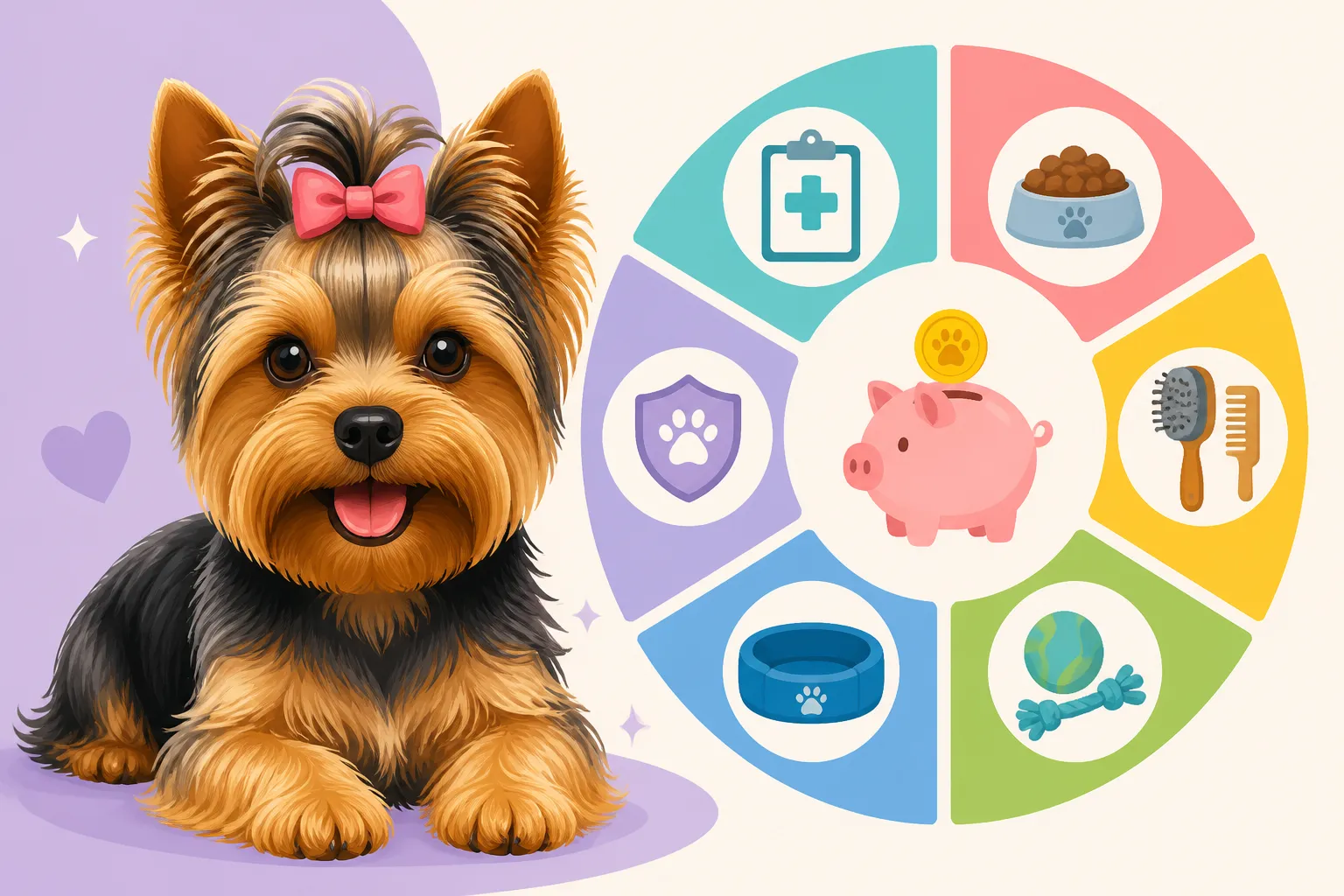
Yorkshire Terrier First-Year Costs Breakdown
Bringing a new Yorkshire Terrier into your life is an incredibly exciting time, filled with dreams of tiny paws pattering and endless cuddles. However, that initial excitement can sometimes be overshadowed by the sheer volume of expenses that crop up, often unexpectedly, during their first year. Many new Yorkie parents are taken by surprise, realizing the puppy's purchase price is merely the tip of the financial iceberg. This comprehensive guide is here to shed light on all the significant first-year costs you can expect when welcoming a Yorkie puppy, ensuring you’re well-prepared and can budget effectively for their care and happiness.
Understanding the Initial Purchase or Adoption Costs
The very first financial hurdle you'll encounter is, of course, acquiring your Yorkshire Terrier puppy. This cost can vary wildly depending on where you get your furry friend, and it's important to understand the differences not just in price, but in the implications for your puppy's health and early care. Don't let the cheapest option be the only factor in your decision, as saving a few dollars upfront can often lead to significantly higher vet bills down the line.
Breeder vs. Rescue Fees
When you decide to bring a Yorkie home, your primary options are typically purchasing from a reputable breeder or adopting from a rescue organization. Both paths have distinct cost structures and offer different experiences.
Reputable Breeder Costs: If you're set on a purebred Yorkshire Terrier, especially one with a known lineage or specific traits, a reputable breeder is often the way to go. These breeders invest heavily in their dogs' health, genetic testing, proper nutrition, and early socialization. They’ll usually provide a health guarantee, initial vaccinations, and sometimes even a microchip. The cost for a well-bred Yorkshire Terrier puppy can range significantly, typically from $1,500 to $3,500, though some champion lines or rare colors might push that higher. Factors like the breeder's reputation, the puppy's pedigree, geographical location, and whether the puppy is considered "pet quality" or "show quality" all play a role in the final price. For a deeper dive, check out our guide on How Much Does a Yorkshire Terrier Cost. It’s crucial to research and choose a breeder carefully, as unethical breeders or puppy mills often sell dogs at lower prices but with significant health and behavioral issues.
Rescue Organization Fees: Opting to adopt a Yorkie from a rescue is a truly compassionate choice and often comes with a lower upfront cost. Rescue fees typically range from $200 to $600. This fee usually covers a portion of the rescue's expenses for spaying/neutering, initial vaccinations, deworming, microchipping, and any necessary medical treatment the dog received while in their care. While you might not get a puppy, many rescues have young adult Yorkies or even seniors who are looking for loving homes. These dogs often come with the added benefit of being already house-trained or having basic obedience, and their personalities are usually more developed, giving you a clearer idea of what to expect.
Initial Supplies and Setup
Once you've secured your puppy, the next wave of costs hits: setting up their new home. Think of it like furnishing a tiny apartment for your furry companion. These are not one-time costs, as some items will need to be replaced, but the initial outlay can be substantial.
You’ll need a comfortable bed that’s appropriately sized – not too big, which can feel insecure for a small pup, but big enough for them to stretch out. A crate is also highly recommended for house-training and safety; ensure it's a wire crate with a divider so you can adjust the size as your puppy grows, or a soft-sided carrier for travel. You can find excellent options on sites like Chewy that cater specifically to small breeds. Don't forget food and water bowls, ideally stainless steel or ceramic for hygiene. Then there are grooming tools: a soft brush, puppy shampoo, nail clippers, and perhaps a dental kit to start good oral hygiene early. Leashes and harnesses (harnesses are generally better for Yorkies to protect their delicate tracheas) are essential for walks and training. And, of course, a variety of toys to keep their active minds engaged. For a comprehensive list, consult our How to Prepare Your Home for a Yorkie article.
A basic shopping list for your Yorkie's initial setup might look something like this:
| Item | Estimated Initial Cost (USD) | Notes |
|---|---|---|
| Crate/Carrier | $40 – $100 | Adjustable wire crate or travel carrier. |
| Dog Bed | $20 – $70 | Washable, comfortable. |
| Food & Water Bowls | $15 – $40 | Stainless steel or ceramic recommended. |
| Collar/Harness & Leash | $20 – $50 | Harness is crucial for Yorkies; ensure proper fit. |
| Starter Bag of Puppy Food | $20 – $50 | High-quality puppy specific formula. |
| Treats | $10 – $30 | Soft, small training treats. |
| Toys (2-3) | $15 – $40 | Appropriate for puppy size and chewing habits. |
| Grooming Kit | $30 – $70 | Puppy shampoo, brush, nail clippers, comb, ear cleaner. |
| Potty Pads | $15 – $30 | Essential for Yorkshire Terrier Potty Training Guide. |
| Poop Bags | $5 – $10 | For walks. |
| Total Estimate | $190 – $490 | This is a baseline; costs can increase with premium brands or more items. |
Veterinary Care in the First Year
The first year of a Yorkie's life is packed with critical veterinary visits. Puppies require a series of vaccinations and check-ups to build their immunity and ensure they're growing healthy and strong. Ignoring these appointments is not just risky for your puppy's health but can lead to far more expensive emergency care later on. This is where a proactive approach truly saves money and heartbreak.
Vaccinations, Deworming, and Check-ups
Puppies, especially during their first 16 weeks, need a series of vaccinations to protect them from common and often deadly diseases. This usually involves 3-4 rounds of DHPP (Distemper, Hepatitis, Parvovirus, Parainfluenza) vaccinations, given every 3-4 weeks. They'll also need a rabies vaccination, typically administered around 12-16 weeks of age. Each visit for these shots will include a full physical examination by the veterinarian.
Beyond vaccinations, deworming is another crucial part of puppy care, as most puppies are born with or acquire intestinal parasites. Your vet will likely recommend several rounds of deworming medication. Furthermore, your puppy will need regular stool sample checks to confirm they are parasite-free. The total cost for these essential puppy vaccinations, deworming, and initial check-ups can range from $200 to $600, depending on your geographic location and your vet's fee structure. It's a significant investment, but one that provides foundational health for your new companion. You can find more details in our Yorkshire Terrier Puppy Health Guide and Yorkie Vaccination Schedule.
Spay/Neuter and Microchipping
One of the most significant vet costs in the first year, if you don't plan to breed your Yorkie, will be spaying (for females) or neutering (for males). This surgical procedure prevents unwanted pregnancies and offers numerous health and behavioral benefits, such as reducing the risk of certain cancers and curbing marking behaviors. The cost for spay/neuter surgery varies widely, from $150 at low-cost clinics to $500+ at private veterinary practices, depending on factors like your dog's size, age, and any additional services like pre-surgical bloodwork or pain medication.
Microchipping is another vital, though often overlooked, service. This tiny chip, implanted under your dog's skin, vastly increases the chances of being reunited if they ever get lost. Many vets offer microchipping at the time of spay/neuter surgery, or it can be done during a regular visit for about $30-$70, plus a small registration fee. Some rescues include microchipping in their adoption fees.
Unexpected Illnesses and Pet Insurance
Despite the best care, puppies can be prone to unexpected illnesses or accidents. Yorkies, being a small breed, are particularly susceptible to certain health issues like hypoglycemia (low blood sugar), especially when they're young and don't eat regularly. They can also be prone to common puppy ailments like kennel cough or gastrointestinal upsets. These unforeseen vet visits can quickly add up, often costing hundreds, if not thousands, of dollars.
This is where pet insurance can be a lifesaver. While it's an ongoing monthly expense, typically ranging from $20 to $50 for a Yorkie puppy, it provides peace of mind that you won't face crushing vet bills if a serious illness or accident occurs. Companies like Healthy Paws offer comprehensive plans that cover accidents, illnesses, emergency care, and more. It's an investment in your puppy's future health and your financial stability. Exploring options for Pet Insurance for Yorkshire Terriers early on is highly advisable. Alternatively, you could start a dedicated "Yorkie emergency fund" savings account, aiming to put away a similar amount each month.
Food and Nutrition Expenses
Feeding your Yorkshire Terrier properly is paramount for their health and development, especially during their crucial first year. The cost isn't just about how much they eat, but what they eat. High-quality nutrition prevents many health issues and contributes to a long, vibrant life.
Puppy Food Choices and Costs
Yorkie puppies have specific nutritional needs different from adult dogs. They require food that is calorie-dense and formulated to support rapid growth and development. Choosing a high-quality puppy food specifically for small breeds is essential. Brands like Royal Canin and Purina Pro Plan offer excellent small-breed puppy formulas that cater to their unique requirements, including smaller kibble sizes.
The cost of puppy food can vary based on brand, ingredients, and where you purchase it. A typical 3-5 lb bag of premium small-breed puppy food might cost $20-$40 and could last a few weeks for a tiny Yorkie. Over the first year, this means a monthly expenditure of around $30-$60, adding up to $360-$720 annually. While it might seem tempting to opt for cheaper alternatives, investing in good nutrition now can save you money on vet bills later due to diet-related health problems. You can learn more about suitable options in our guide on the Best Dog Food for Yorkshire Terriers and understand proper portions in the Yorkie Feeding Schedule by Age. Some pet food subscription services, like Ollie, offer fresh, human-grade food delivered to your door, which can be an excellent option for picky eaters or those with sensitive stomachs, though usually at a higher price point (around $50-$100+ per month).
Treats and Supplements
Treats are invaluable for training and positive reinforcement, especially during the crucial puppy training period. However, moderation is key, and choosing healthy, low-calorie options is important for a small breed like a Yorkie to prevent weight gain. Small, soft training treats that can be easily broken into even tinier pieces are ideal. Brands like Zuke's Mini Naturals are popular for their size and palatability. Expect to spend $10-$20 a month on various training treats, chew sticks, or dental chews.
Additionally, some Yorkies might benefit from supplements, although this should always be discussed with your vet. For instance, some vets might recommend a joint supplement for breeds prone to patellar luxation, even from a young age, or a probiotic for puppies with sensitive stomachs. These can add another $10-$30 per month to your budget.
Grooming Essentials and Ongoing Maintenance
The Yorkshire Terrier's long, silky coat is one of its most defining features, but it's also high-maintenance. Regular grooming is not just about aesthetics; it's vital for their skin health, preventing painful matting, and keeping them comfortable.
Professional Grooming vs. DIY
You have two main paths for grooming: professional services or doing it yourself at home. Many Yorkie owners opt for a mix of both.
Professional Grooming: If you want your Yorkie to have a specific cut, like a classic "puppy cut" or a "teddy bear cut," or if you simply don't have the time or confidence to do it yourself, professional groomers are indispensable. A full groom for a Yorkie typically includes bathing, drying, brushing, de-matting, clipping nails, cleaning ears, and a haircut. Prices vary by location and the groomer's experience, but you can expect to pay anywhere from $50 to $90 per session. Most Yorkies benefit from professional grooming every 4-8 weeks, totaling $300-$1080 annually. If your Yorkie has a tendency to get matted, this cost can go up. Our Yorkshire Terrier Grooming Guide offers more insights into managing their magnificent locks.
DIY At-Home Grooming: Learning to groom your Yorkie at home can save a significant amount of money and is a wonderful bonding experience. However, it requires an initial investment in quality tools and a commitment to regular maintenance. You’ll need a good pair of clippers (small, quiet ones are best for nervous puppies), various combs and brushes, high-quality dog shampoo and conditioner, nail clippers or a grinder, ear cleaner, and maybe even thinning shears for tidying up. Brands like Wahl and Andis offer reliable grooming tools. While the upfront cost for these supplies might be $100-$250, they will last for a long time, making future grooming costs minimal apart from consumables like shampoo. Even with at-home grooming, you might still want a professional touch-up a few times a year.
At-Home Grooming Supplies
Even if you rely on a professional groomer, daily brushing is non-negotiable for a Yorkie to prevent mats, especially if they have a longer coat. You'll need a good quality pin brush and a steel comb. Tear stain remover might also be necessary, as Yorkies can be prone to tear staining around their eyes. Regular ear cleaning and nail trims are also critical parts of at-home care.
Remember, a Yorkie's coat is more like human hair than typical dog fur, so it's prone to tangles. Investing in a leave-in conditioner or detangling spray can make daily brushing much easier. Replenishing these supplies (shampoo, conditioner, ear cleaner, dental products) might add another $50-$100 over the first year. For detailed steps on managing their coat, refer to our guide on How to Groom a Yorkshire Terrier at Home.
Training and Socialization Investments
Bringing home a tiny, adorable Yorkie puppy means you’re also bringing home a little bundle of potential. Investing in proper training and socialization during their first year is crucial for developing a well-behaved, confident, and happy adult dog. Without it, Yorkies can develop common small dog behaviors like excessive barking, leash reactivity, or separation anxiety.
Puppy Classes and Private Training
While Yorkies are intelligent, they can also be notoriously stubborn. Puppy kindergarten classes are an excellent way to introduce your Yorkie to basic commands, build confidence, and provide controlled socialization with other puppies and people. These group classes typically cost $100-$250 for a 4-8 week session. Many new Yorkie owners find immense value in these classes, as they also teach the owners how to communicate effectively with their dog.
For specific behavioral issues, or if you prefer a more tailored approach, private training sessions can be invaluable. A certified professional dog trainer can work with you one-on-one, addressing challenges like house-training difficulties (which can be a common hurdle for Yorkies, as discussed in our Yorkshire Terrier Potty Training Guide), nipping, or leash manners. Private sessions range from $75-$150 per hour, and a package of 3-5 sessions could cost $225-$750. While seemingly expensive, it’s an investment that pays dividends in a harmonious household.
Socialization Opportunities
Beyond formal classes, intentional socialization is key for a well-adjusted Yorkie. Exposing your puppy to a variety of sights, sounds, smells, people, and safe, vaccinated dogs during their critical socialization window (up to 16 weeks) helps prevent fear-based aggression or anxiety later in life.
This might involve taking your puppy to dog-friendly parks (once fully vaccinated), pet stores (in a carrier at first), or simply inviting friends and family over. Puppy playdates with other calm, vaccinated dogs are also wonderful. While many socialization opportunities are free, you might incur costs like gas for travel, or the occasional treat to reward positive experiences. The goal is to make every new experience positive and non-threatening for your sensitive little Yorkie.
Toys, Accessories, and Entertainment
Yorkies, despite their small size, are energetic and intelligent dogs that need mental and physical stimulation. A variety of toys and comfortable accessories are essential not just for fun, but for their overall well-being and preventing destructive behaviors out of boredom.
Beds, Crates, and Carriers
As mentioned in the initial setup, a comfortable bed and a secure crate are foundational. However, as your Yorkie grows or as seasons change, you might find yourself needing additional items. Perhaps a larger, more luxurious bed for the living room, or a cooling mat for summer. A good quality, comfortable travel carrier is also a must for vet visits, car trips, or air travel. While a basic crate can cost $40-$100, specialized carriers for travel can range from $50-$150. Many Yorkie owners opt for soft, plush beds that cater to their preference for snuggling and burrowing. These items, bought throughout the year, could add another $50-$150 to your budget. Remember to consider crate training thoroughly using resources like our Yorkshire Terrier Crate Training Guide.
Playthings and Enrichment
Yorkies love to play! A variety of toys—chew toys, puzzle toys, squeaky toys, and fetch toys—are important to keep them entertained and prevent boredom. Because Yorkies are small and often have strong chew drives, durable toys designed for small but mighty chewers are a good investment. Rotating toys keeps them novel and interesting.
Puzzle toys, where you hide treats, are fantastic for mental stimulation and preventing boredom. For instance, brands like Kong offer various puzzle toys that are great for Yorkies. You'll likely spend $15-$30 a month on new toys or replacing worn-out ones, especially during their puppy chewing phase. This totals $180-$360 over the first year. Don't underestimate the power of play; it's essential for their physical and mental health.
Miscellaneous and Hidden Costs
Beyond the major categories, there are always those "little things" that add up, or unexpected situations that require a financial outlay. Being aware of these potential costs can help you avoid surprises.
Pet Sitting or Daycare
Life happens, and there will be times when you can't be home with your Yorkie. Whether it's a weekend getaway, a long workday, or an unexpected emergency, you'll need reliable care for your furry friend.
Pet Sitters: If your Yorkie prefers the comfort of their own home, a pet sitter can come to your house for visits or even overnight stays. Prices vary greatly by region and the services provided, but expect to pay $20-$40 per visit or $60-$100 per night for overnight care.
Doggy Daycare: For social butterflies or those with busy schedules, doggy daycare can be an excellent option for socialization and exercise. Yorkies, being small, often benefit from daycares that have separate play areas for smaller breeds to ensure their safety. Daily rates typically range from $25-$50. If you use these services even occasionally, it can easily add $100-$300+ to your first-year budget.
Licensing and Unexpected Repairs
Depending on where you live, you'll likely need to license your dog annually. This fee is usually quite modest, often $10-$30, and helps support local animal services.
Then there are the "oops" moments. A puppy, regardless of breed, is prone to accidents. They might chew on an electrical cord (a serious hazard to prevent!), rip up a rug, or have an accident on your favorite couch. While good training and supervision minimize these, some damage is almost inevitable. Budgeting a small contingency fund for minor home repairs or professional cleaning services can save you stress. Also, consider investing in enzymatic cleaners for potty accidents; a quality one might cost $15-$25, but it's priceless for stain and odor removal.
Summary of Estimated First-Year Costs
Here's a generalized breakdown of the estimated first-year costs for a Yorkshire Terrier. Keep in mind these are broad ranges, and your actual expenses will depend on your choices, location, and any unforeseen circumstances.
| Category | Low-End Estimate (USD) | High-End Estimate (USD) | Notes |
|---|---|---|---|
| Initial Acquisition | $200 (Rescue) | $3,500 (Breeder) | Varies significantly based on source. |
| Initial Supplies | $190 | $490 | Crate, bed, bowls, leash, basic grooming, initial toys. |
| Vet Care (Vaccines/Checkups) | $200 | $600 | Core vaccines, deworming, initial health checks. |
| Spay/Neuter & Microchip | $180 | $570 | Varies by clinic type and additional services. |
| Pet Insurance (12 months) | $240 | $600 | Average monthly premiums for a Yorkie puppy. |
| Food & Treats (12 months) | $480 | $1,080 | High-quality puppy food, training treats, occasional supplements. |
| Grooming (12 months) | $50 (DIY supplies) | $1,080 (Professional) | At-home supplies vs. professional grooming every 4-8 weeks. |
| Training (Classes/Private) | $100 | $750 | Puppy classes and/or a few private sessions. |
| Miscellaneous (License/Daycare/Contingency) | $100 | $500 | License, occasional sitting, enzymatic cleaners, minor repairs. |
| TOTAL FIRST YEAR ESTIMATE | $1,740 | $9,170 | This range is wide, reflecting choices and potential unforeseen costs. |
As you can see, the first year is definitely the most expensive. While these numbers might seem daunting, remember that many of the initial setup costs are one-time or infrequent. Subsequent years will primarily consist of ongoing food, vet check-ups, grooming, and insurance. The key is to be prepared and make informed decisions that align with your budget and your Yorkie's needs.
Disclaimer
This article provides general information and estimated costs only. Actual costs may vary significantly based on your location, chosen veterinarian, specific product brands, individual dog's health needs, and your personal choices regarding care and services. Always consult with a qualified veterinarian for personalized advice regarding your pet's health and medical care.