Yorkie Reverse Sneezing: What It Means
That sudden, alarming sound your Yorkshire Terrier makes – a forceful, gasping inhalation, almost like they're trying to snort something back in, often accompanied by a rigid stance and bulging eyes – can be absolutely terrifying for any pet parent. It's often mistaken for choking or a severe asthma attack, sending hearts racing with worry. But what you're likely witnessing is something called a "reverse sneeze," or paroxysmal respiration, and while it looks dramatic, it's usually harmless. This comprehensive guide will walk you through what reverse sneezing means for your Yorkie, why it happens, how to identify it, and most importantly, what you can do to help and when it's time to call your vet.
Understanding Yorkshire Terrier Reverse Sneezing
When you first hear that distinctive snorting, honking sound from your precious Yorkie, it’s completely natural to panic. These little dogs have big personalities and often equally big health concerns, so any unusual sound can immediately trigger a deep fear that something is terribly wrong. However, understanding the mechanics of a reverse sneeze can go a long way in easing your mind, even if it still sounds quite scary.
What Exactly is Reverse Sneezing?
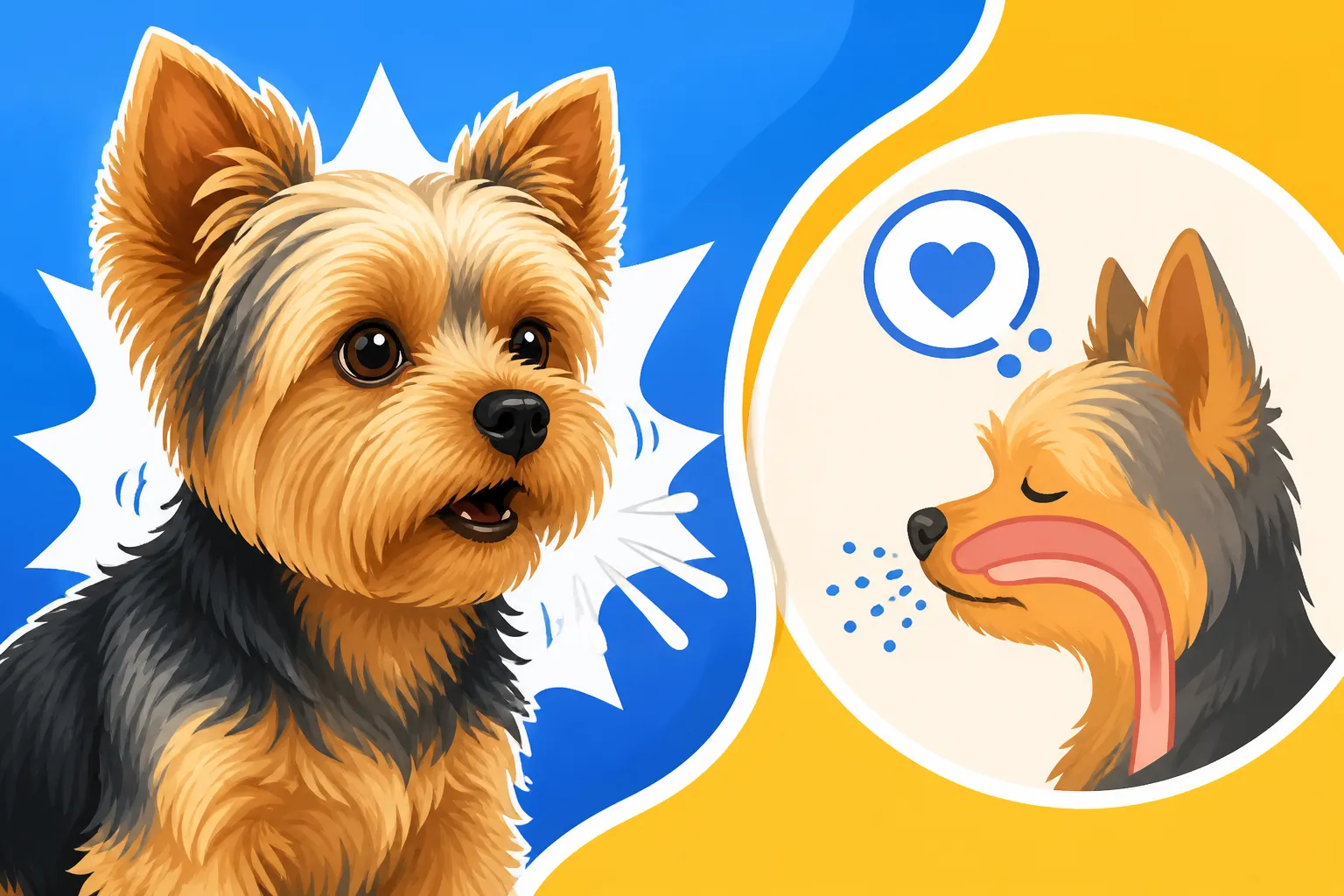
Imagine a regular sneeze: a sudden, forceful exhalation through the nose and mouth, designed to expel irritants from the nasal passages. Now, flip that around. A reverse sneeze is essentially the opposite – a sudden, involuntary inhalation that pulls air rapidly and forcefully inward through the nose, often repeated in quick succession. It's caused by a spasm of the soft palate and pharynx (the part of the throat behind the mouth and nasal cavity). When this spasm occurs, the dog tries desperately to clear the irritant by snorting inward, making a loud, guttural, sometimes gagging, or honking noise.
During an episode, your Yorkie might extend their neck, flatten their chest, and their eyes might even bulge slightly, making it look much worse than it is. They often stand completely still, locked in this bizarre breathing pattern. It truly sounds like they can't catch their breath, almost a choking sound mixed with a pig-like snort. Typically, these episodes are quite brief, lasting anywhere from a few seconds to a minute or two, and then your Yorkie will usually shake it off and return to normal as if nothing happened. The key difference from true choking is that during a reverse sneeze, your dog is still moving air, albeit in a dramatic and noisy fashion.
Why Yorkies Are Prone to Reverse Sneezing
While any dog can experience a reverse sneeze, certain breeds, particularly those with smaller snouts or unique airway structures, are more predisposed. Yorkshire Terriers fall into this category due to their compact size and specific anatomical features. They are not considered a true brachycephalic breed like pugs or bulldogs, but their delicate respiratory systems can still be more sensitive than larger dogs.
One of the primary reasons Yorkies are prone to these episodes is their elongated soft palate. This soft tissue at the back of the roof of their mouth can sometimes get sucked into the throat during rapid inhalation, triggering the spasm. Additionally, their smaller tracheas (windpipes) can make them more susceptible to irritation. This is a common concern with Yorkies, and understanding conditions like what causes tracheal collapse helps explain why their airways are particularly sensitive. Think of it like a delicate instrument; any slight disruption can cause a noticeable reaction. It’s not uncommon for these little ones to have a bit of a dramatic flair, and their respiratory system is no exception!
Common Triggers and Identifying an Episode
Understanding what sets off a reverse sneeze in your Yorkie can be a game-changer. Once you start recognizing the patterns, you might be able to preempt some episodes or at least remain calmer when they occur. It's all about observing your furry friend and their environment.
Typical Triggers for a Reverse Sneeze Episode
Yorkies, with their sensitive systems, can be set off by a surprisingly wide array of factors. It's often a combination of environmental irritants and physical stimuli that causes the soft palate to spasm.
- Environmental Irritants: Just like humans, dogs can be sensitive to things in the air. Dust, pollen, strong perfumes, aerosol sprays, certain cleaning products, or even cigarette smoke can irritate your Yorkie's delicate nasal passages and throat. Imagine being a tiny dog close to the floor, inhaling all those particles! Even a sudden blast of cold or hot air can sometimes trigger an episode. If you notice your Yorkie often has tear stains or rubs their face, they might be extra sensitive to these environmental factors, pointing towards possible allergies.
- Excitement or Activity: Sometimes, a reverse sneeze is simply a byproduct of an excited Yorkie. Drinking water too quickly, eating too fast, pulling on their leash during an enthusiastic walk, intense playtime, or even a sudden burst of barking can cause enough agitation in the throat area to trigger the spasm. This is why many experienced Yorkie owners advocate for using a harness over a traditional collar. A harness distributes pressure across the chest, alleviating any strain on the delicate trachea and throat that a collar might cause, especially if your Yorkie is prone to pulling. For more on this, check out Yorkie Leash and Harness Training
- Allergens: Many Yorkies, unfortunately, are susceptible to allergies. These can be environmental (like grass or dust mites), seasonal (pollen), or even food-related. When an allergen is present, it can cause inflammation and irritation in the respiratory tract, making a reverse sneeze more likely. Tracking when and where episodes occur can help you narrow down potential allergens.
- Neck Pressure: Any pressure around the neck can be a trigger. As mentioned, a collar pulling against their throat is a classic culprit. Even something as innocent as cuddling them in a certain way, if it puts pressure on their throat, can set off an episode.
How to Distinguish Reverse Sneezing from Other Issues
When your Yorkie starts making those alarming sounds, it's easy for your mind to jump to the worst-case scenario. Is it choking? Are they having an asthma attack? Are they experiencing a severe issue like collapsing trachea? Knowing the subtle differences between a reverse sneeze and other respiratory problems can help you react appropriately and calmly.
Here's a quick comparison to help you differentiate:
| Feature | Reverse Sneezing | Regular Sneezing | Coughing | Choking (True Emergency) |
|---|---|---|---|---|
| Sound | Loud snort, honk, gasp, gagging, pig-like | "Achoo" sound, expulsion of air | Deep, hacking, sometimes wet, "goose honk" (tracheal collapse) | Silent (if airway completely blocked), or distressed, high-pitched gasps/struggles |
| Movement | Stiffens, extends neck, rapid inward breaths | Head thrust forward, sudden forceful exhalation | Body might hunch, often repeats, can be painful-looking | Panicked, pawing at mouth, frantic, struggling to breathe |
| Air Flow | Air being rapidly sucked INWARDS | Air being forcefully expelled OUTWARDS | Air forcefully expelled (dry cough) or bubbling (wet) | Little to no air moving, silent struggle is dangerous |
| Duration | Usually seconds to a minute | Brief, one or two "achoos" | Can be prolonged, especially with excitement or exertion | Continuous, dog will become distressed quickly, collapse |
| Aftermath | Returns to normal immediately | Returns to normal immediately | May continue for a while, dog seems generally unwell | Emergency, dog will lose consciousness without intervention |
The key takeaway for reverse sneezing is the inward airflow and the usually swift return to normal. If your Yorkie is truly choking, they will exhibit extreme distress, paw at their mouth, and likely be silent as no air is passing. They will also quickly show signs of oxygen deprivation, such as blue or pale gums. If you suspect true choking, this is an immediate emergency. If your Yorkie is coughing persistently, especially with a "goose honk" sound, it could point to tracheal collapse or another serious underlying condition, which warrants a vet visit. It’s always best to be prepared for any eventuality, and having pet insurance like Healthy Paws can give you peace of mind that unexpected diagnostic tests or treatments will be covered if the issue turns out to be more serious than a simple reverse sneeze.
Helping Your Yorkie During an Episode and Prevention
Witnessing your Yorkie in the throes of a reverse sneeze episode can be nerve-wracking, but there are definitely things you can do to help them through it and, more importantly, strategies to reduce the frequency and intensity of these events. Your calm demeanor is the most crucial tool you possess.
Calming Your Yorkie During a Reverse Sneeze
When your Yorkie suddenly starts that alarming snorting and gagging, your first instinct might be to rush over and grab them, but often, the best approach is a gentle and reassuring one.
- Stay Calm and Reassure: Your Yorkie is highly attuned to your emotions. If you panic, they will too, which can exacerbate the episode. Speak to them in a calm, soothing voice. Let them know you're there and everything will be okay. Sometimes, just your presence and gentle words are enough to help them relax.
- Gently Massage Their Throat: Lightly stroking or massaging their throat, just under the chin, can sometimes help stop the spasm. This can encourage them to swallow, which helps clear the irritant or reset the soft palate. You might feel the trachea briefly, but apply very little pressure.
- Briefly Cover Their Nostrils: For just a second or two, gently cover their nostrils with your fingers. This forces them to swallow, which can also help to break the cycle of the reverse sneeze. Be careful not to hold them for too long, as this is meant to be a quick reset, not to restrict their breathing.
- Offer a Small Amount of Water: If they are able to drink, a small sip of water might help wash down whatever irritant is causing the spasm. Just be cautious not to force water on them, as this could lead to choking if they're still in the middle of a forceful inhalation.
- Move Them to a Quieter Area: If the episode was triggered by excitement or a noisy environment, moving them to a calm, quiet space can help them relax and recover more quickly.
Remember, most reverse sneeze episodes resolve on their own within a minute or two. The goal of intervention is simply to help speed up the process and minimize distress for your furry friend.
Long-Term Prevention Strategies
While you can't eliminate reverse sneezing entirely, especially if your Yorkie is anatomically predisposed, you can certainly take steps to reduce the frequency and severity of episodes. Proactive care is always the best approach when it comes to keeping your small companion healthy.
- Environmental Management:
- Improve Air Quality: Use an air purifier in your home, especially in rooms where your Yorkie spends a lot of time. This can help filter out dust, pollen, and other airborne irritants.
- Avoid Strong Scents: Be mindful of strong perfumes, air fresheners, scented candles, cleaning sprays, and even certain types of incense. Opt for unscented products whenever possible.
- Regular Cleaning: Keep your home clean and dust-free to minimize allergens and irritants. Wash your Yorkie's bedding regularly with hypoallergenic detergent.
- Humidity Control: In very dry climates, a humidifier can help keep nasal passages moist and less irritated.
- Switch to a Harness: This is a top recommendation for Yorkies. Collars can put direct pressure on their delicate trachea, which can be a significant trigger for reverse sneezing and even lead to more serious conditions like tracheal collapse. A well-fitting harness distributes pressure across their chest and shoulders, safeguarding their throat. If your Yorkie is still wearing a collar for walks, consider making the switch. You can read more about why this is so beneficial in our guide on Why Harnesses Are Better Than Collars for Yorkies.
- Allergy Management: If you suspect allergies are a trigger, consult your veterinarian. They might recommend allergy testing to pinpoint specific allergens, and then discuss antihistamines, dietary changes, or other treatments. Tracking triggers and symptoms carefully can help your vet make an accurate diagnosis. Dealing with allergies can involve a lot of trial and error, but knowing that pet insurance providers like Healthy Paws can help cover the costs of diagnostics and prescribed medications makes the process much less financially daunting.
- Manage Excitement and Eating Habits:
- Slow Down Eating/Drinking: If your Yorkie gulps food or water, try using a slow-feeder bowl or an elevated bowl to encourage a more leisurely pace.
- Calm Greetings: While hard, try to keep greetings calm, especially if your Yorkie gets overly excited when you come home. Teach them to sit or wait calmly for a few moments before a full-blown reunion.
- Maintain a Healthy Weight: Keeping your Yorkie at a healthy weight can reduce strain on their entire respiratory system. Obesity can exacerbate breathing difficulties and make reverse sneezing more frequent or severe. Our guide on How to Keep a Yorkshire Terrier Healthy offers more general wellness tips.
By implementing these strategies, you're not just reacting to episodes but actively working to create an environment where your Yorkie can breathe easier and live a more comfortable life.
When to Seek Veterinary Attention
While reverse sneezing is generally a benign condition, it's crucial to know when those snorting episodes might be signaling something more serious. Yorkies are prone to several health issues, and some of the symptoms can overlap with a typical reverse sneeze. Knowing the red flags can help you make an informed decision about when to call your vet.
Red Flags and Warning Signs
Most often, a reverse sneeze is an isolated event that resolves quickly, leaving your Yorkie completely back to their normal self. However, there are times when it’s not just a reverse sneeze, or the reverse sneezing itself is a symptom of a deeper problem.
- Prolonged or Severe Episodes: If your Yorkie’s reverse sneezing episodes last longer than a few minutes, occur with increasing frequency, or seem exceptionally violent and distressing, it's time to seek veterinary advice. A typical episode is brief; anything significantly longer could indicate a more severe respiratory issue.
- Changes in Gum Color: This is a critical warning sign. If your Yorkie's gums appear blue, purple, or even very pale during or immediately after an episode, it means they are not getting enough oxygen. This is an emergency and requires immediate veterinary attention.
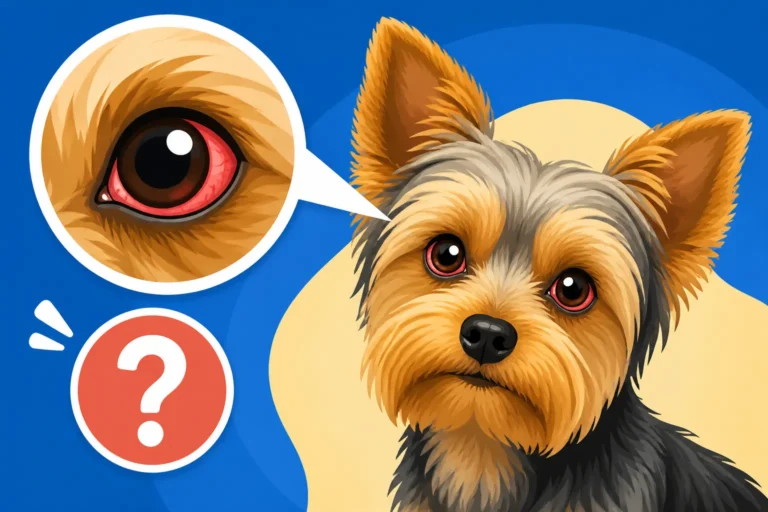
- Concurrent Symptoms: Pay close attention to any other symptoms accompanying the reverse sneezing. These could include lethargy, loss of appetite, persistent coughing even when not experiencing an episode, repeated gagging, vomiting, diarrhea, or obvious difficulty breathing at rest. If your Yorkie seems unwell in general, or if you also notice signs like eye discharge, it's a strong indication that something more than a simple reverse sneeze is happening.
- Increased Frequency: If your Yorkie suddenly starts having reverse sneeze episodes multiple times a day, or if the frequency has steadily increased over weeks, it warrants a vet visit. This could indicate worsening allergies, a new irritant, or the progression of an underlying condition.
- Age Considerations: While puppies can have reverse sneezes, persistent or very frequent episodes in a young Yorkie should always be checked by a vet, as puppies are particularly vulnerable. Our guide on Common Yorkie Puppy Illnesses highlights how important it is to be vigilant with young pups. Similarly, an older Yorkie developing new or worsening episodes might be experiencing age-related changes or the onset of other conditions.
- Chronic Issues: If your Yorkie has a history of respiratory problems such as a collapsing trachea or asthma, any change in reverse sneezing patterns should be discussed with your vet.
In any of these scenarios, it's always better to err on the side of caution. As a Yorkie parent, you know your dog best. If something feels "off" to you, trust your gut. For more guidance on when urgent care is needed, our post on When to Take Your Yorkie to the Vet can be a helpful resource.
Diagnostic and Treatment Options
When you take your Yorkie to the vet for reverse sneezing concerns, they will typically start with a thorough physical examination. This includes listening to your dog's heart and lungs, checking their throat and nasal passages, and assessing their overall health.
- Vet Examination: Your vet will ask you detailed questions about the episodes: when they occur, how long they last, what they sound like, and if there are any known triggers. They’ll also want to know if there are other symptoms, changes in diet, or exposure to new environments.
- Further Diagnostics: Depending on the initial findings and the severity of the symptoms, your vet might recommend additional diagnostic tests.
- X-rays: Thoracic (chest) X-rays can help rule out conditions like pneumonia, heart enlargement, or assess the trachea for signs of tracheal collapse which is a significant concern for Yorkies.
- Blood Work: Complete blood count (CBC) and biochemistry profiles can check for infections, inflammation, and assess organ function.
- Allergy Tests: If allergies are suspected, your vet might recommend specific allergy testing to identify environmental or food allergens.
- Endoscopy/Rhinoscopy: In more complex cases, a specialist might perform an endoscopy (inserting a tiny camera into the throat) or rhinoscopy (into the nasal passages) to directly visualize the airway and identify any anatomical abnormalities or foreign bodies.
- Medication:
- If allergies are a primary trigger, antihistamines or anti-inflammatory medications might be prescribed.
- For inflammatory conditions in the airway, corticosteroids could be used to reduce swelling.
- If a bacterial infection is identified, antibiotics would be necessary.
- Lifestyle Adjustments: Your vet will likely reinforce many of the prevention strategies mentioned earlier, such as using a harness, managing environmental irritants, and possibly recommending specific diet changes if food allergies are suspected.
- Surgery (Rare): In very rare instances where a severe anatomical issue, like an extremely elongated soft palate or severe tracheal collapse, is causing chronic and debilitating respiratory distress, surgical intervention might be considered. This is usually a last resort after all other avenues have been explored.
Early intervention is always key. Addressing issues like allergies or early signs of tracheal problems before they become chronic can significantly improve your Yorkie's quality of life. Veterinary care, especially for diagnostics and potential long-term management of conditions like allergies or respiratory issues, can add up. This is where pet insurance plans, such as those offered by Healthy Paws, can be incredibly beneficial. Having a good plan in place can alleviate some of the financial stress associated with comprehensive veterinary care, ensuring your Yorkie gets the best possible treatment without you having to compromise.
Disclaimer
The information provided in this article is for general informational purposes only and is not a substitute for professional veterinary advice. Always consult with a qualified veterinarian for any health concerns or before making any decisions related to your pet's care.