Signs a Yorkie Is Dying
Witnessing your beloved Yorkshire Terrier decline can be one of the most heartbreaking experiences for any pet parent. The tiny bundle of joy that once filled your home with boundless energy and personality eventually faces the natural progression of age or illness, and it can be incredibly difficult to discern what’s happening, let alone how to cope. This guide is here to offer a compassionate, detailed look at the physical and behavioral signs that indicate your Yorkie may be nearing the end of their life, helping you understand, prepare, and provide the best possible comfort during this sensitive time.
Understanding the Natural Process of Aging in Yorkies
Just like humans, our furry family members experience a natural aging process that brings about significant changes in their bodies and minds. For a little Yorkie, this can often mean a shift from their feisty, spirited youth to a more subdued, gentle senior stage. Recognizing these changes, and understanding when they transition from normal aging to signs of serious decline, is key to providing appropriate care.
Gradual Decline Versus Sudden Changes
Typically, the aging process in Yorkshire Terriers manifests as a gradual decline. You might notice your Yorkie starting to slow down, sleeping a bit more, or perhaps not jumping quite as high as they used to. Their once vibrant coat might thin slightly or show a bit more gray around the muzzle. These are often slow, progressive changes that you might not even fully register day-to-day until you look back over several months. It’s like watching a gentle ebb and flow, where energy levels might dip but still have moments of their old sparkle. For a deeper dive into the typical health concerns that arise with age, you might find our guide on Yorkshire Terrier Senior Care Guide particularly helpful.
However, sometimes the decline isn't gradual. A sudden and rapid change in your Yorkie’s health or behavior can be indicative of a more acute issue, such as a severe organ problem, an aggressive illness, or a sudden downturn from a chronic condition. For example, a Yorkie who has been managing a heart condition might suddenly experience a rapid worsening of symptoms, leading to severe difficulty breathing or extreme lethargy. It’s this distinction between a slow, gentle fade and an abrupt crash that often causes the most anxiety for owners. Knowing your Yorkie’s baseline – their normal energy, appetite, and habits – becomes incredibly important so you can spot these deviations early.
When to Consult Your Veterinarian
Any significant, sustained change in your Yorkie’s behavior, appetite, mobility, or appearance warrants a call to your veterinarian. While it's natural to hope a change is temporary or minor, with small breeds like Yorkies, things can escalate quickly due to their delicate systems. Don't wait until things become dire. If your Yorkie suddenly stops eating for more than a day, shows severe weakness, or has difficulty breathing, these are immediate red flags. Even subtle changes, like a persistent cough (which could indicate something like Yorkshire Terrier Collapsing Trachea: Signs and Care) or increased thirst, should be discussed with your vet.
Your veterinarian can help you understand if the changes are part of normal aging, manageable health issues, or signs of more serious, end-of-life conditions. They can perform diagnostic tests, offer treatments to improve comfort, or help you assess your Yorkie’s overall quality of life. This objective perspective is invaluable when you're emotionally invested and struggling to make sense of what's happening. Establishing a good relationship with a trusted vet early on, as discussed in How to Choose a Vet for a Yorkie, ensures you have a reliable partner throughout your Yorkie's life, especially as they age.
Common Physical Signs of a Yorkie Nearing End-of-Life
As a Yorkie’s body begins to shut down, several physical indicators can become apparent. These aren’t always definitive proof that the end is near, but when seen in combination and persistently, they paint a clearer picture. It’s crucial to observe these signs with a compassionate heart, focusing on your dog’s comfort and dignity.
Changes in Appetite and Thirst
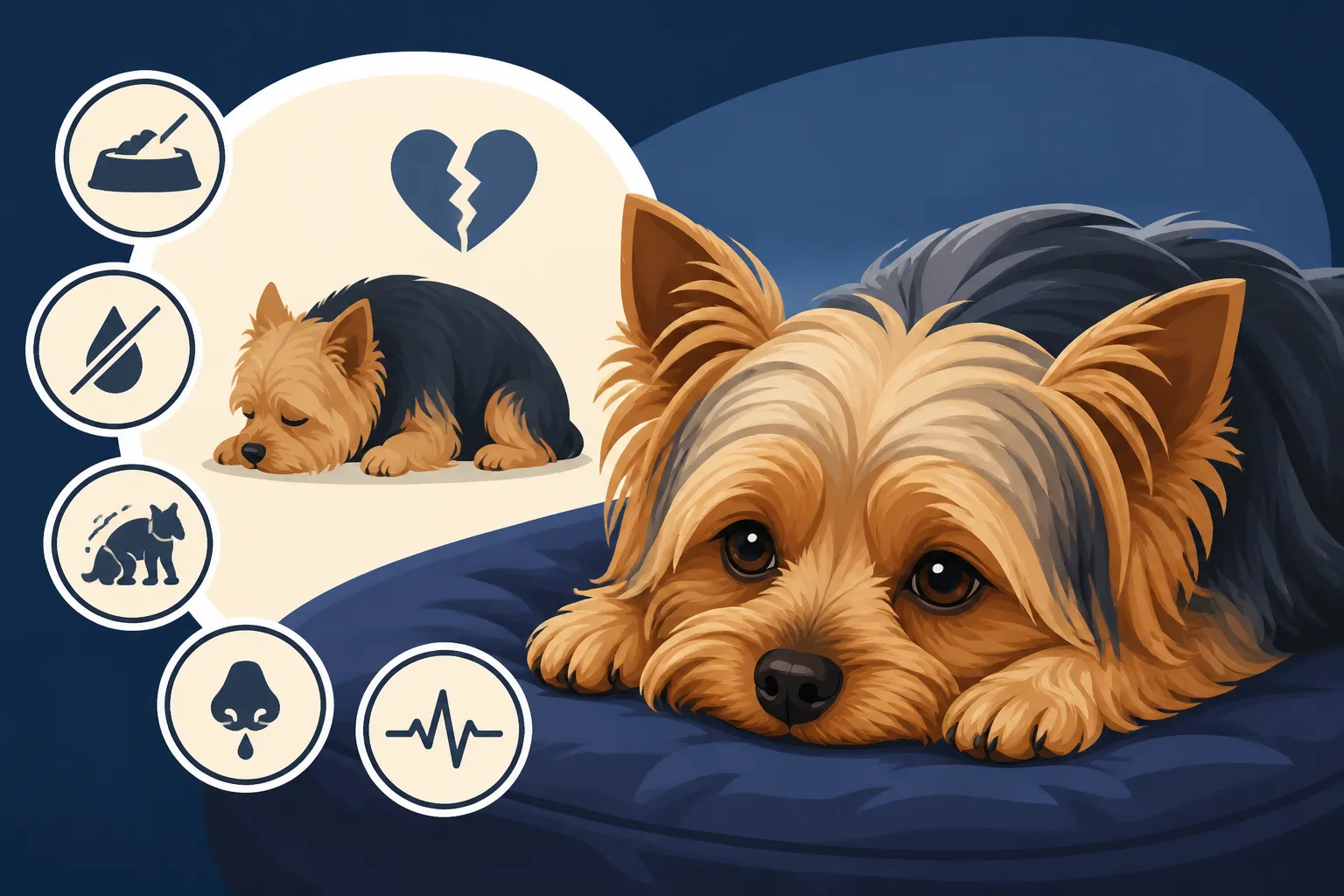
One of the most noticeable and often distressing signs of a Yorkie nearing the end of their life is a significant reduction, or complete loss, of appetite and thirst. Your Yorkie, who once enthusiastically greeted mealtime or nudged you for treats, might now show little to no interest in food. Even their absolute favorite snacks or a special homemade meal might be sniffed and ignored. This isn't just being "picky"; it's often a sign that their internal organs are slowing down, their metabolism is changing, and their body no longer needs or can process nutrients efficiently.
Alongside this, their thirst might also decrease. You might notice their water bowl staying full for longer periods. This can lead to dehydration, which only exacerbates their discomfort. While you might try to entice them with palatable foods like cooked chicken or offer water from a syringe, if their body is truly shutting down, these efforts often prove futile. It's a tough pill to swallow when your beloved companion refuses food, a fundamental joy for most dogs, but it’s a critical sign that their natural bodily functions are declining. This shift is a heartbreaking indicator that something profound is changing within them.
Significant Weight Loss and Muscle Atrophy
When a Yorkie consistently refuses food or cannot properly digest it, significant weight loss is inevitable. You'll start to notice their tiny frame becoming even more fragile. Their ribs, spine, and hip bones may become much more prominent, easily felt beneath their coat. This isn't just a cosmetic change; it reflects severe muscle atrophy, where their body starts to break down its own muscle tissue for energy.
The loss of muscle mass directly impacts their strength and mobility. Activities that were once simple, like standing up, walking a few steps, or even holding their head up, become incredibly challenging. You might see them struggling to maintain balance or appear wobbly on their feet. This profound weakness contributes greatly to their overall discomfort and can make even short trips outside for potty breaks a monumental effort. This physical wasting can be hard to witness, serving as a stark reminder of their deteriorating health.
Decreased Mobility and Energy Levels
A marked decrease in mobility and overall energy is another common sign. Your Yorkie will spend more and more time resting or sleeping. They might become reluctant to engage in activities they once loved, such as playing with toys, chasing after you, or going for walks. The spirited dashes across the living room become slow, deliberate shuffles, or they may refuse to move altogether.
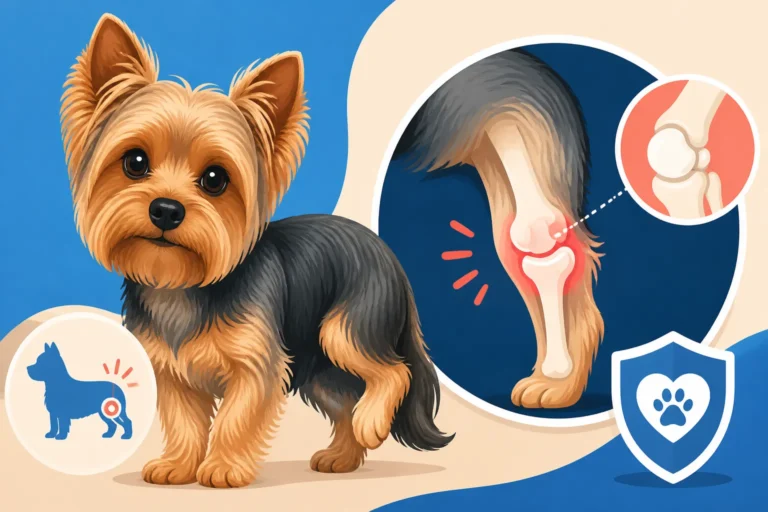
This decreased mobility can stem from general weakness, chronic pain from conditions like arthritis, or specific issues like Yorkshire Terrier Luxating Patella: Signs and Care becoming more severe with age. They might struggle to climb onto furniture, navigate stairs, or even walk across a smooth floor without slipping. Eventually, they may not be able to stand or walk without assistance. It’s a sad progression from their once-lively selves to a state of profound stillness, where their world shrinks to the comfort of their bed or a quiet corner.
Incontinence and Loss of Bodily Functions
As a Yorkie's body systems begin to fail, their ability to control their bladder and bowels often diminishes. They may start having accidents in the house, even if they were perfectly potty-trained for years. This isn't a behavioral issue or defiance; it's a physiological consequence of their organs weakening and losing proper function. Their muscles may be too weak to hold their bladder or bowels, or they may simply no longer have the awareness to signal their need to go outside.
This can be distressing for both you and your Yorkie. They may feel embarrassed or distressed by the accidents. For you, it adds another layer of care, requiring frequent cleaning and managing their hygiene. Keeping them clean, dry, and comfortable becomes paramount, using soft bedding and changing it often. While it can be frustrating, remember that these accidents are not their fault but rather a clear indication of their declining bodily control. For insights into managing accidents, our article on Yorkie Potty Training Regression might offer some tips, even in these difficult circumstances.
Behavioral and Emotional Indicators of Decline
Beyond the physical changes, a Yorkie's emotional state and behavior can also signal that they are nearing the end of their journey. These signs are often more subtle and require a deep understanding of your Yorkie’s unique personality.
Withdrawal and Loss of Interest
A Yorkie who is approaching the end of their life may begin to withdraw from social interaction. The dog who once followed you from room to room, demanded attention, and loved being in the thick of family life might now prefer solitude. They may seek out quiet, secluded spots to rest, such as under a bed or in a closet, shying away from petting or even your presence. This withdrawal is often a way for them to conserve energy and find peace in their discomfort.
They might also show a distinct lack of interest in things that once brought them immense joy. Their favorite squeaky toy might go untouched, a familiar walk outside might be met with indifference, and even the sound of your voice might not elicit the same excited response. This disengagement from their surroundings and loved ones is a profound indicator that their internal focus has shifted. They're no longer interested in the external world but are instead contending with their inner physical and emotional state.
Increased Pain or Discomfort
It's heartbreaking to think our little companions might be in pain, but unfortunately, many aging Yorkies experience discomfort as their health declines. The signs of pain in a Yorkie can be subtle, as dogs are masters at hiding their suffering. You might observe restless pacing, difficulty finding a comfortable position to lie down, or excessive panting even when not hot or exercising. They might yelp or flinch when touched in certain areas, or simply show a general reluctance to be handled.
Other indicators could include changes in their posture, a hunched back, or a stiff gait. Some Yorkies might lick a particular area obsessively, such as a joint, indicating localized pain. They might become irritable or even growl if approached when in pain, which is very out of character for a typically affectionate Yorkie. Understanding How to Tell If a Yorkie Is in Pain is crucial, as managing their discomfort is one of the most compassionate things you can do during this time. Your vet can often prescribe pain management medications to help ease this burden.
Changes in Breathing Patterns
As a Yorkie's body systems, especially their cardiovascular and respiratory systems, begin to weaken, changes in their breathing patterns often become apparent. You might notice their breathing becoming more shallow, labored, or irregular. This could manifest as rapid, short breaths or, conversely, very slow, infrequent breaths. They may pant excessively even when at rest, without any physical exertion or heat exposure.
Sometimes, their breathing might sound wet or gurgling, which can indicate fluid buildup in the lungs, a sign of heart failure. These changes can be frightening to witness, as they signal a struggle to get enough oxygen. If you notice your Yorkie struggling to breathe, their gums appearing blue or very pale, or their abdomen heaving significantly with each breath, it’s an urgent situation. Our article Yorkie Breathing Problems Explained provides more information on various respiratory issues. At this stage, ensuring they are as comfortable as possible, perhaps with oxygen therapy or medication to ease breathing, is often the focus.
Making Difficult Decisions and Providing Comfort
Coming to terms with your Yorkie's impending passing is one of the hardest parts of pet ownership. It's a journey filled with sadness, but also an opportunity to provide immense love and comfort in their final days.
Quality of Life Assessment
When faced with a declining Yorkie, objectively assessing their quality of life becomes paramount. It's easy to cling to hope or memories of their younger days, but the most loving thing you can do is to truly evaluate their current state. Ask yourself: Is my Yorkie experiencing more good days than bad? Are they able to enjoy any of their favorite activities, even in a modified way? Are they comfortable, free from chronic pain that cannot be managed?
A helpful tool is often a "Quality of Life Scale," which many veterinarians can provide. It encourages you to rate your pet on various factors like pain, appetite, hydration, hygiene, happiness, and mobility. Discuss these points openly and honestly with your veterinarian. They can offer an objective medical perspective and help you weigh the benefits of continued treatment against the potential for prolonged suffering. This conversation is never easy, but it’s a vital step in ensuring your Yorkie’s well-being is prioritized above all else.
Providing Palliative Care and Support
Regardless of the difficult decisions that lie ahead, your immediate focus should be on providing the utmost comfort and palliative care for your Yorkie. This means creating a peaceful, warm, and safe environment where they feel loved and secure. Offer them their favorite cozy bed, perhaps with extra blankets. Keep their water and food (if they're still eating) easily accessible. If they're having trouble moving, consider creating a designated space for them close to you, minimizing their need to move far.
Gentle petting and soft words can be incredibly reassuring. Maintaining their hygiene, such as gently cleaning them if they are incontinent, is crucial for their dignity and comfort. Administer any pain medications or other supportive care prescribed by your vet diligently. This period is about nurturing them, ensuring every moment is as pain-free and loving as possible. It's also a time when practical considerations, such as the costs associated with extended palliative care or urgent vet visits, might become a factor. Many pet parents find peace of mind with pet insurance providers like Healthy Paws, which can help alleviate the financial burden, allowing you to focus purely on your Yorkie's comfort without added stress. Their comprehensive plans can cover eligible expenses, giving you one less thing to worry about during an already challenging time.
End-of-Life Options
Eventually, you might be faced with the most agonizing decision: whether to consider humane euthanasia. This is a profound act of love, designed to prevent unnecessary suffering when medical treatments are no longer effective and your Yorkie’s quality of life has severely diminished. It's a deeply personal choice, and there's no single "right" answer, only the one that feels right for you and your beloved pet.
Your veterinarian will guide you through this process, explaining what to expect and offering support. They can discuss the option of at-home euthanasia, which allows your Yorkie to pass peacefully in their familiar surroundings, surrounded by loved ones. Knowing more about the process can help you prepare emotionally. While it's a topic no one wants to consider, understanding the different facets of Yorkie End-of-Life Care can help ensure your furry friend's final moments are filled with peace and dignity.
Here’s a table summarizing key signs to help you track what you’re observing:
| Sign Category | Specific Indicator | What It Might Mean |
|---|---|---|
| Appetite & Thirst | Refusal of food, even favorites | Decreased metabolism, organ decline, nausea, discomfort |
| Reduced water intake | Dehydration, general weakness, disinterest | |
| Mobility & Energy | Extreme lethargy, excessive sleeping | General weakness, pain, organ failure, reduced brain activity |
| Difficulty standing/walking, wobbling, falling | Muscle atrophy, neurological issues, joint pain, severe weakness | |
| Lack of interest in play/walks | Pain, depression, severe weakness, discomfort | |
| Body Condition | Significant weight loss, bony feel | Inadequate nutrition, muscle wasting, underlying illness |
| Muscle tremors or weakness | Neurological decline, severe weakness, electrolyte imbalance | |
| Bodily Functions | Incontinence (urine/feces) | Loss of muscle control, neurological impairment, organ failure |
| Changes in breathing (labored, shallow, gasping) | Respiratory distress, heart failure, fluid in lungs, organ failure | |
| Behavior & Emotion | Withdrawal, hiding, avoiding interaction | Pain, fear, seeking comfort in solitude, general malaise |
| Increased vocalization (whining, moaning) | Pain, confusion, distress | |
| Restlessness, inability to settle | Discomfort, pain, anxiety, confusion | |
| Reduced responsiveness to name/commands | Pain, disorientation, sensory decline, neurological issues |
Finding Support and Honoring Their Memory
This journey is incredibly difficult, and it’s okay to seek support. Talk to friends, family, or a pet bereavement counselor. Allow yourself to grieve. Remember the joy, laughter, and unconditional love your Yorkie brought into your life. Every moment you spent with them was a gift, and the deep bond you shared is a testament to the incredible connection between humans and their canine companions.
Looking back, you'll cherish the memories of their quirky personality, their little barks, and the way they curled up on your lap. Even in the face of profound loss, remembering the happy times, and knowing you provided them with comfort and love until their very last breath, can bring a measure of peace. For those considering future pet care, understanding financial preparedness with options like Healthy Paws can ease the burden, allowing you to focus on the love and companionship, even through the most challenging times.
Disclaimer
The information provided in this guide is intended for educational purposes only and is not a substitute for professional veterinary advice. If you observe any of these signs in your Yorkshire Terrier, please consult with your veterinarian immediately for an accurate diagnosis and appropriate treatment plan. Every dog is an individual, and only a qualified veterinary professional can provide personalized care for your pet.