12-Year-Old Yorkshire Terrier Health Checklist
Seeing your beloved Yorkshire Terrier reach the grand age of 12 is a true joy, but it often comes with a whole new set of worries. You start noticing little changes – they might not bound up the stairs like they used to, their appetite might be a bit pickier, or perhaps their sleep patterns are shifting. It's completely normal to feel a bit anxious about what these golden years might bring. This comprehensive guide is here to walk you through a detailed health checklist for your 12-year-old Yorkie, helping you navigate their senior health with confidence and ensure they live out their later years as happily and comfortably as possible.
The Golden Years of Your Yorkshire Terrier
Watching your spunky little Yorkie gracefully enter their senior years is a profound experience, filled with both cherished memories and new responsibilities. At 12 years old, your Yorkshire Terrier is well into their senior phase, which for small breeds typically begins around 8-10 years of age. This means their body is slowing down, and just like humans, they become more susceptible to certain age-related conditions. It's a time when their comfort, nutrition, and veterinary care need a more tailored and attentive approach.
Understanding the Aging Process in Yorkies
The aging process in a Yorkshire Terrier isn't just about grey hairs appearing around their muzzle; it’s a complex physiological shift. Their metabolism slows, joints may stiffen, organ functions can decline, and their senses might dull. A 12-year-old Yorkie is roughly equivalent to a human in their mid-60s to early 70s, making them eligible for the kind of careful, proactive health monitoring we'd give our own aging family members. They might sleep more, have less endurance for long walks, and generally prefer a calmer, more predictable routine.
Recognizing these subtle changes early is key. It's not about fearing the inevitable, but about empowering yourself with knowledge so you can advocate for your dog's best quality of life. Understanding what to expect allows you to adapt your home environment, adjust their diet, and schedule appropriate veterinary check-ups before minor issues escalate into major problems. This mindful approach ensures that while their pace may slow, their joy in life doesn't have to diminish.
Why a Dedicated Health Checklist is Crucial
For a senior Yorkie, a generalized approach to health simply won't cut it anymore. A dedicated health checklist provides a systematic way to monitor their well-being, catch potential problems early, and work collaboratively with your veterinarian. Think of it as your personalized roadmap for maintaining their health and happiness in their twilight years. It helps you keep track of everything from subtle behavioral shifts to changes in their physical condition, ensuring no stone is left unturned.
This proactive stance can make all the difference. Early detection of conditions like dental disease, arthritis, or organ dysfunction often leads to more effective treatment options, better management of symptoms, and ultimately, a better quality of life for your senior pup. It also empowers you to have more informed conversations with your vet, allowing you to ask specific questions and discuss tailored care plans. This checklist isn't just about finding problems; it's about celebrating every healthy day and doing everything you can to extend them.
Common Health Concerns for a 12-Year-Old Yorkie
As your Yorkshire Terrier gracefully ages, certain health issues become more prevalent. Being aware of these common conditions can help you spot the signs early and seek prompt veterinary attention. Early intervention is often the best defense against progression and can significantly improve your Yorkie's comfort and longevity.
Dental Disease and Oral Health
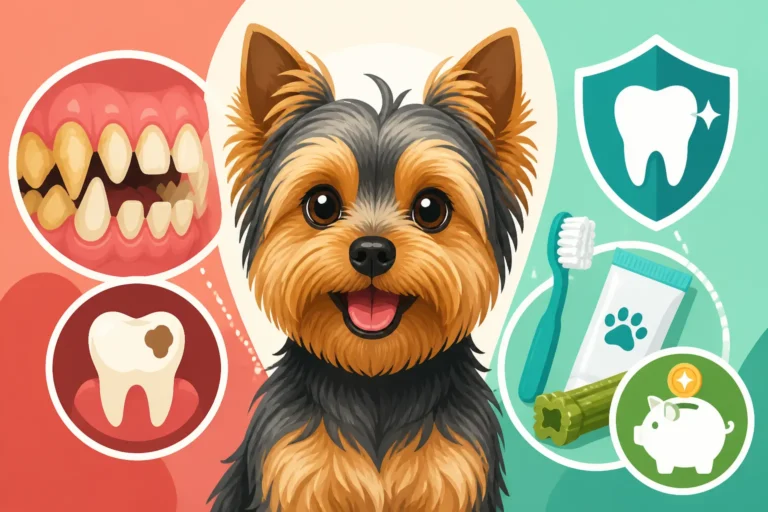
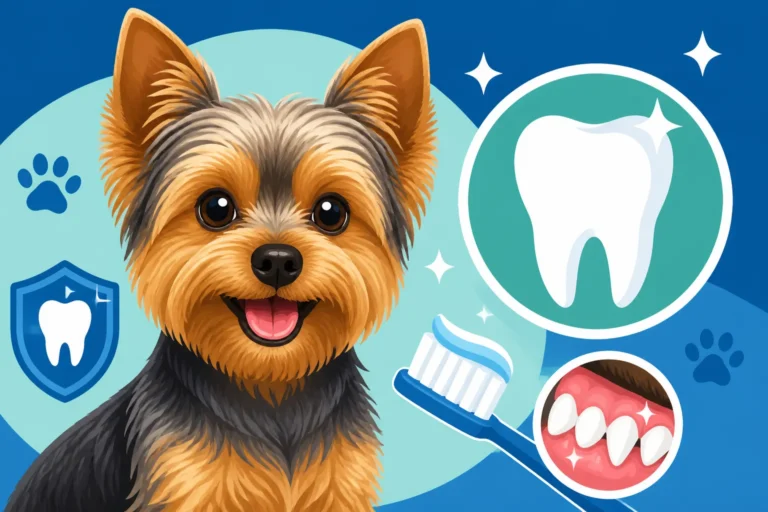
This is arguably one of the most widespread and overlooked health issues in senior Yorkshire Terriers. By 12 years old, many Yorkies have significant plaque and tartar buildup, leading to gingivitis and periodontal disease. This isn't just about bad breath; severe dental disease can cause pain, difficulty eating, tooth loss, and can even lead to more serious systemic issues like heart, kidney, and liver disease as bacteria from the mouth enter the bloodstream.
You might notice signs like foul breath, reluctance to eat dry kibble, pawing at their mouth, excessive drooling, or swollen gums. Regular professional dental cleanings under anesthesia are often necessary to maintain good oral health. Additionally, a consistent at-home dental care routine, as outlined in our guide on Yorkshire Terrier Dental Care Guide, including brushing and dental chews, can make a significant difference. Don't underestimate the impact of healthy teeth on your senior Yorkie's overall well-being.
Joint Issues: Arthritis and Luxating Patella
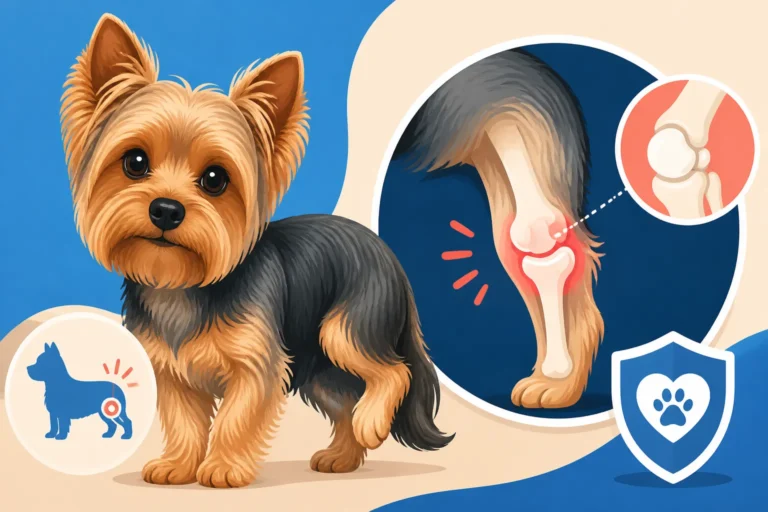
Many Yorkies are prone to Yorkshire Terrier Patellar Luxation: Signs and Care throughout their lives, a condition where the kneecap slips out of place. By the time they reach 12, the wear and tear on these joints, whether they had luxating patella or not, can lead to osteoarthritis. This degenerative joint disease causes pain, stiffness, and reduced mobility. You might notice your Yorkie limping, struggling to jump onto furniture, showing reluctance to walk, or crying out when touched.
Management often involves a combination of strategies. Your vet might recommend anti-inflammatory medications, joint supplements containing glucosamine and chondroitin, or even physical therapy. Keeping your Yorkie at a healthy weight is also paramount, as extra pounds put additional strain on aging joints. Providing comfortable, orthopedic dog beds and ensuring easy access to their favorite spots (e.g., ramps for couches) can greatly improve their daily comfort.
Heart and Respiratory Conditions
As Yorkies age, they become more susceptible to heart disease, particularly chronic valvular disease, where the heart valves thicken and leak, leading to a heart murmur. This can progress to congestive heart failure. Symptoms often include coughing (especially at night or after exercise), decreased stamina, difficulty breathing, a distended abdomen, or fainting spells.
Another common concern for senior Yorkies is Yorkshire Terrier Collapsing Trachea: Signs and Care. This condition, often exacerbated by age, causes the trachea (windpipe) to flatten, leading to a distinctive honking cough, especially when excited, pulling on a leash, or drinking water. Both heart and respiratory issues require careful veterinary diagnosis and ongoing management, which may include medications to improve heart function, reduce fluid buildup, or open airways. Regular check-ups allow your vet to listen for heart murmurs or abnormal lung sounds.
Kidney and Liver Function Decline
The kidneys and liver are vital organs responsible for filtering waste and metabolizing nutrients. As Yorkies age, the function of these organs can naturally decline. Kidney disease often manifests as increased thirst, more frequent urination, decreased appetite, weight loss, and lethargy. Liver issues, while sometimes related to congenital conditions like Yorkshire Terrier Liver Shunt: Signs and Care that appear earlier in life, can also develop or worsen with age, presenting with similar symptoms, along with vomiting, diarrhea, and jaundice (yellowing of gums/skin).
Regular blood work, including a complete blood count (CBC) and a chemistry panel, is crucial for monitoring organ function in senior Yorkies. Your vet will look for elevated kidney or liver enzyme levels. Dietary changes, such as prescription renal or liver diets, can often help manage these conditions, along with medications to support organ function and alleviate symptoms. Early detection through routine blood tests can significantly slow the progression of these diseases.
Eye and Ear Problems
Just like humans, senior Yorkies can experience a decline in their vision and hearing. Common eye conditions include cataracts, which cause clouding of the lens and can lead to blindness, and dry eye (keratoconjunctivitis sicca), where tear production is insufficient, leading to irritation, redness, and discharge. You might notice your Yorkie bumping into objects, hesitating in unfamiliar environments, or having cloudy eyes or increased Yorkie Eye Problems Explained discharge.
Hearing loss can be harder to spot initially, but you might notice your Yorkie no longer responds to their name or familiar sounds, sleeps through noises that used to startle them, or barks more loudly. While vision and hearing loss are often irreversible, managing discomfort from dry eye with drops and creating a safe, familiar environment for those with impaired senses can greatly improve their quality of life. Regular eye exams are an important part of senior care.
Cognitive Dysfunction (Canine Dementia)
Canine Cognitive Dysfunction Syndrome (CCDS), often referred to as doggy dementia, is a real and often heartbreaking condition that can affect senior dogs. At 12, your Yorkie may start to show signs of cognitive decline. This isn't just them getting a bit forgetful; it's a progressive neurodegenerative disease. Symptoms can include disorientation (getting lost in familiar places, staring blankly), changes in interaction (less enthusiastic greetings, increased irritability), changes in sleep-wake cycles (pacing at night, sleeping more during the day), and house-soiling accidents.
While there's no cure for CCDS, there are ways to manage it and slow its progression. Your vet might recommend specific diets rich in antioxidants and omega-3 fatty acids, supplements like S-Adenosylmethionine (SAMe) or medium-chain triglycerides, or medications to improve brain function. Maintaining a consistent routine, providing mental stimulation with gentle games, and ensuring their environment is safe and comforting can also help your senior Yorkie cope with the confusion.
Increased Cancer Risk
Unfortunately, cancer is a leading cause of death in older dogs, and senior Yorkies are no exception. As cells age, the risk of mutations leading to cancerous growth increases. Cancer can manifest in many forms, from skin tumors and lumps (which should always be checked by a vet) to internal organ cancers. Signs can be varied and non-specific, including unexplained weight loss, loss of appetite, lethargy, persistent lameness, vomiting, diarrhea, or unusual swellings.
Regular veterinary check-ups are vital for early detection. Your vet will perform a thorough physical examination, feeling for any new lumps or bumps. Blood work and imaging (X-rays, ultrasounds) might also be recommended if your vet suspects an internal issue. While it's a scary thought, early diagnosis significantly improves the chances of successful treatment, whether through surgery, chemotherapy, or radiation, giving your beloved Yorkie more precious time.
Proactive Care and Lifestyle Adjustments for Senior Yorkies
Maintaining a senior Yorkie's health isn't just about reacting to problems; it's about creating a lifestyle that supports their aging body and mind. Proactive adjustments to their diet, exercise, and environment can significantly enhance their comfort and overall well-being.
Tailored Nutrition and Hydration
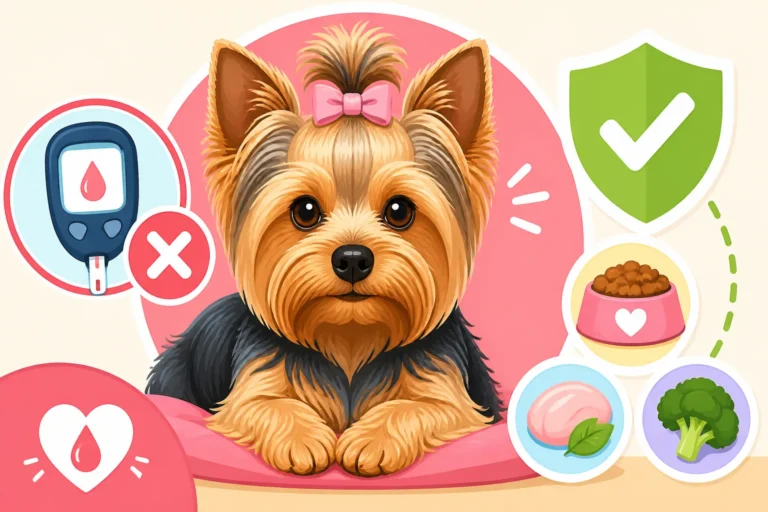
As your Yorkie ages, their nutritional needs change. They typically become less active, meaning their caloric requirements decrease. Feeding them the same amount of food as when they were younger can lead to unhealthy weight gain, which puts extra strain on their joints and organs. Senior-specific dog foods are often formulated with fewer calories, higher fiber for digestive health, and added joint-supporting nutrients like glucosamine and chondroitin. Look for brands like Royal Canin or Hill's Science Diet that offer formulas specifically for small breed seniors.
It's also crucial to ensure adequate hydration. Older dogs can be prone to dehydration, which exacerbates kidney issues and other health problems. Always have fresh water available, consider adding a water fountain to encourage drinking, or even incorporating wet food into their diet to boost moisture intake. If your Yorkie is a picky eater, which can happen with age, warming their food slightly or adding a low-sodium broth can make it more appealing. Portion control and monitoring their weight through regular weigh-ins are essential components of their senior diet.
Gentle Exercise and Mental Stimulation
While your 12-year-old Yorkie may not have the boundless energy of a puppy, regular, gentle exercise is still incredibly important for maintaining muscle mass, joint flexibility, and a healthy weight. Short, leisurely walks several times a day are often better than one long, strenuous outing. Pay attention to their cues; if they seem tired or stiff, it’s time to head home. On colder days, indoor playtime with soft toys or a short stroll around a pet-friendly store can suffice.
Mental stimulation is just as vital. Senior dogs can suffer from cognitive decline, and keeping their minds active can help slow this process. Interactive puzzle toys that dispense treats, scent games where they have to sniff out hidden goodies, or even reviewing basic commands for a few minutes each day can keep their brains engaged. Remember, a tired mind is a happy mind, and gentle mental challenges can provide enrichment without physical strain.
Comfort and Environmental Adaptations
Your senior Yorkie's comfort at home should be a top priority. Their joints are likely more sensitive, and they might struggle with stairs or slippery floors. Invest in orthopedic dog beds that provide good support for their aching joints. Consider ramps or pet stairs to help them safely get onto and off furniture, preventing jumps that could injure their spine or knees. Area rugs on hardwood or tile floors can provide better traction and prevent slips and falls.
Temperature regulation also becomes more critical. Older dogs are more sensitive to extreme heat and cold. Ensure they have a warm, draft-free place to sleep in winter and access to cool, shaded areas in summer. If they spend time outside, even briefly, consider appropriate outerwear like a sweater or jacket in chilly weather, or a cooling vest when it's hot. Making their environment safe, accessible, and comfortable goes a long way in supporting their physical and mental well-being.
Regular Grooming and Hygiene
The importance of a consistent Yorkshire Terrier Grooming Guide doesn't diminish with age; in fact, it becomes even more critical for senior Yorkies. Their skin can become more fragile, their coat might thin or become prone to matting, and their nails can become brittle or overgrown. Regular brushing not only keeps their coat healthy and free of mats, but it also provides an opportunity to check for any new lumps, bumps, skin irritations, or parasites.
Bathing should be done as needed, using a gentle, moisturizing shampoo formulated for sensitive skin. Pay extra attention to cleaning around their eyes and ears, as these areas can be prone to infections or tear staining. Trimming nails regularly prevents them from growing too long, which can cause pain, affect their gait, and lead to complications. If you're uncomfortable with any aspect of grooming, don't hesitate to seek the help of a professional groomer who has experience with senior dogs. This routine physical contact also provides comfort and strengthens your bond.
Essential Veterinary Care and Health Monitoring
When your Yorkie is 12 years old, regular visits to the veterinarian become more than just routine; they are critical checkpoints for maintaining their health. Proactive and consistent veterinary care is the cornerstone of a long, comfortable senior life.
Routine Senior Wellness Exams
For a 12-year-old Yorkie, annual vet visits should ideally transition to twice-yearly wellness exams. This increased frequency allows your veterinarian to monitor their health more closely, catch subtle changes, and address potential issues before they become serious. During these exams, your vet will perform a thorough physical assessment, checking their weight, listening to their heart and lungs, palpating their abdomen, examining their teeth, eyes, and ears, and assessing their joints and mobility.
Beyond the physical exam, senior wellness visits often include a full blood panel (CBC and chemistry profile) and a urinalysis. These diagnostic tests provide invaluable insights into the function of their internal organs, such as the kidneys, liver, and pancreas, and can help detect conditions like diabetes, thyroid imbalances, or early signs of organ failure even before clinical symptoms appear. Discussing your Yorkie's behavior, appetite, and any changes you've observed with your vet is also incredibly important during these consultations. Choosing the right veterinary practice is also crucial, and our guide on How to Choose a Vet for a Yorkie can help you find one that's a perfect fit for your senior pup.
Understanding Diagnostic Tests
Beyond routine blood and urine tests, your vet might recommend other diagnostic tools based on their findings. X-rays can be used to assess the severity of arthritis, check for lung abnormalities related to heart disease or respiratory issues, and screen for certain types of cancer. Ultrasounds offer a more detailed view of internal organs, allowing for the detection of tumors, cysts, or structural changes in the liver, kidneys, or other abdominal organs.
In some cases, specialized tests like an electrocardiogram (ECG) might be recommended to evaluate heart function more precisely, or blood pressure monitoring to check for hypertension, which is common in older dogs and can impact kidney health. While the thought of extensive testing can be daunting, remember that these tools provide a clearer picture of your Yorkie's internal health, allowing for more accurate diagnoses and targeted treatment plans. Being proactive with these tests can give your vet the information they need to provide the best possible care for your aging companion.
Medication Management
Many senior Yorkies will, at some point, require medication to manage age-related conditions. This could range from daily joint supplements and anti-inflammatory drugs for arthritis, to cardiac medications for heart disease, or even specialized diets and medications for kidney or liver support. It's vital to administer all prescribed medications exactly as directed by your vet and to understand their purpose, potential side effects, and how to properly give them to your dog.
Never discontinue or alter your Yorkie's medication without consulting your veterinarian. Regular follow-up appointments may be necessary to monitor the effectiveness of treatments and adjust dosages as needed. Keeping a detailed record of all medications, dosages, and any observed effects or side effects can be incredibly helpful for both you and your vet. For instance, if your Yorkie is taking medication for pain, note how it impacts their mobility and comfort levels throughout the day.
The Role of Pet Insurance
Considering pet insurance, even for a senior dog, can be a game-changer when it comes to managing the potential costs of their care. While some policies might have age restrictions or pre-existing condition clauses, others, like Healthy Paws, offer plans that can still provide significant financial relief for unexpected illnesses, accidents, or ongoing treatments for new conditions that arise. For a 12-year-old Yorkie, the veterinary bills can quickly add up, especially if they develop a chronic illness or need specialized diagnostics.
Having a robust pet insurance plan means you can make decisions about your Yorkie's health based on what's best for them, rather than being solely driven by financial constraints. Companies like Healthy Paws can help cover a substantial portion of eligible vet bills, from emergency visits to specialist consultations and prescribed medications. It offers peace of mind knowing that you're prepared for whatever health challenges their senior years might bring. To truly understand the financial commitment, it's worth reviewing our guide on Yorkshire Terrier Vet Costs and Health Budget.
Recognizing "When to Worry" Signs
Knowing when a symptom is just part of aging and when it signals a serious problem is crucial. For a senior Yorkie, some signs warrant immediate veterinary attention. These include sudden and severe lethargy, collapse, persistent vomiting or diarrhea, difficulty breathing, non-weight-bearing lameness, sudden blindness, severe pain (yelping, guarding a body part), or unexplained seizures. These are definite "red flag" symptoms that should prompt an emergency vet visit.
Other, more subtle signs, while not necessarily emergencies, still require prompt veterinary consultation. These might include a persistent cough, increased thirst or urination, changes in appetite (either decreased or ravenous), unexplained weight loss or gain, development of new lumps or bumps, persistent scratching or licking, or significant behavioral changes like increased anxiety or disorientation. Our guide on Yorkie Emergency Symptoms to Never Ignore can provide a more comprehensive list. When in doubt, it's always best to err on the side of caution and contact your vet.
| Health Concern | Common Symptoms (12-year-old Yorkie) | Care Tips & Monitoring |
|---|---|---|
| Dental Disease | Bad breath, pain chewing, pawing at mouth, loose teeth, red gums | Twice-yearly vet checks, professional cleanings, daily brushing, dental chews. |
| Arthritis/Joint Pain | Limping, stiffness, difficulty jumping, reluctance to walk, lethargy | Pain management (vet-prescribed), joint supplements, orthopedic beds, ramps, healthy weight. |
| Heart Disease | Coughing, decreased stamina, difficulty breathing, fainting | Regular vet check-ups, listen for murmurs, potential medications, low-sodium diet. |
| Tracheal Collapse | Honking cough, difficulty breathing, gagging | Harness instead of collar, manage weight, avoid irritants, vet-prescribed cough suppressants. |
| Kidney/Liver Disease | Increased thirst/urination, appetite loss, vomiting, weight loss, lethargy | Annual/biannual blood work & urinalysis, prescription diets, supportive medications. |
| Eye Issues | Cloudy eyes, discharge, bumping into objects, squinting | Regular eye exams, lubricating drops for dry eye, safe environment. |
| Hearing Loss | No response to sounds, increased barking, easily startled | Safe, familiar environment, hand signals, gentle touch to wake. |
| Cognitive Decline | Disorientation, house-soiling, altered sleep cycles, anxiety | Consistent routine, mental stimulation, vet-prescribed supplements/meds, enriched diet. |
| Cancer | New lumps/bumps, unexplained weight loss, persistent lameness, lethargy, vomiting | Regular vet physicals, prompt investigation of changes, diagnostic imaging. |
Disclaimer
This article is intended for informational purposes only and does not constitute veterinary advice. Always consult with a qualified veterinarian for any health concerns or before making any decisions about your pet's health or treatment plan.