Why Is My Yorkie Tear Stains
It’s incredibly frustrating when you notice those reddish-brown streaks marring your adorable Yorkshire Terrier's beautiful face, especially when you’re doing your best to keep them pristine. Tear stains on Yorkies are a super common complaint, and it's easy to feel like you're constantly fighting a losing battle. This comprehensive guide is here to shed light on why your Yorkie develops tear stains and, more importantly, what you can do about them.
Understanding Normal Tear Production and What Goes Wrong
To really get a handle on why tear stains happen, we first need to understand how a Yorkie’s tear system is supposed to work. It’s a delicate balance, and when that balance is off, those tell-tale stains appear.
The Anatomy of a Yorkie's Tear System
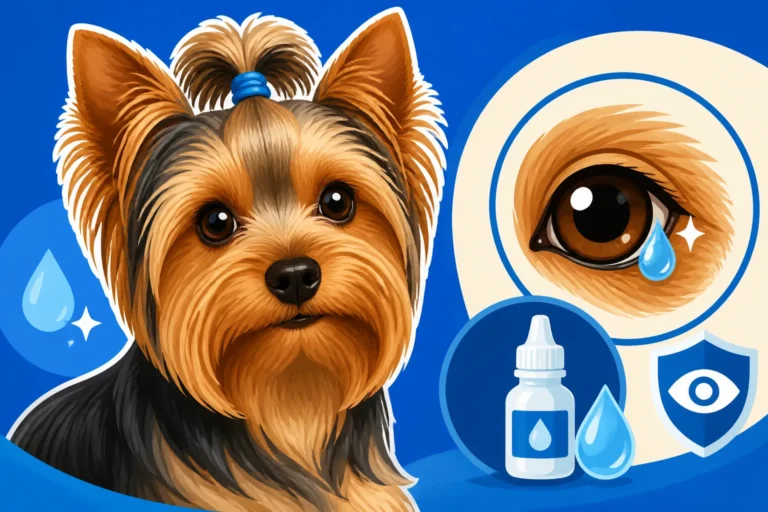
Your Yorkie, like all dogs, has glands that produce tears to keep their eyes lubricated, clean, and healthy. These tears are then collected by tiny drainage holes called puncta, located in the inner corners of the eyelids. From there, the tears travel down small tubes known as nasolacrimal ducts into the nasal cavity and throat, where they are swallowed or evaporated. It’s a continuous, self-cleaning system.
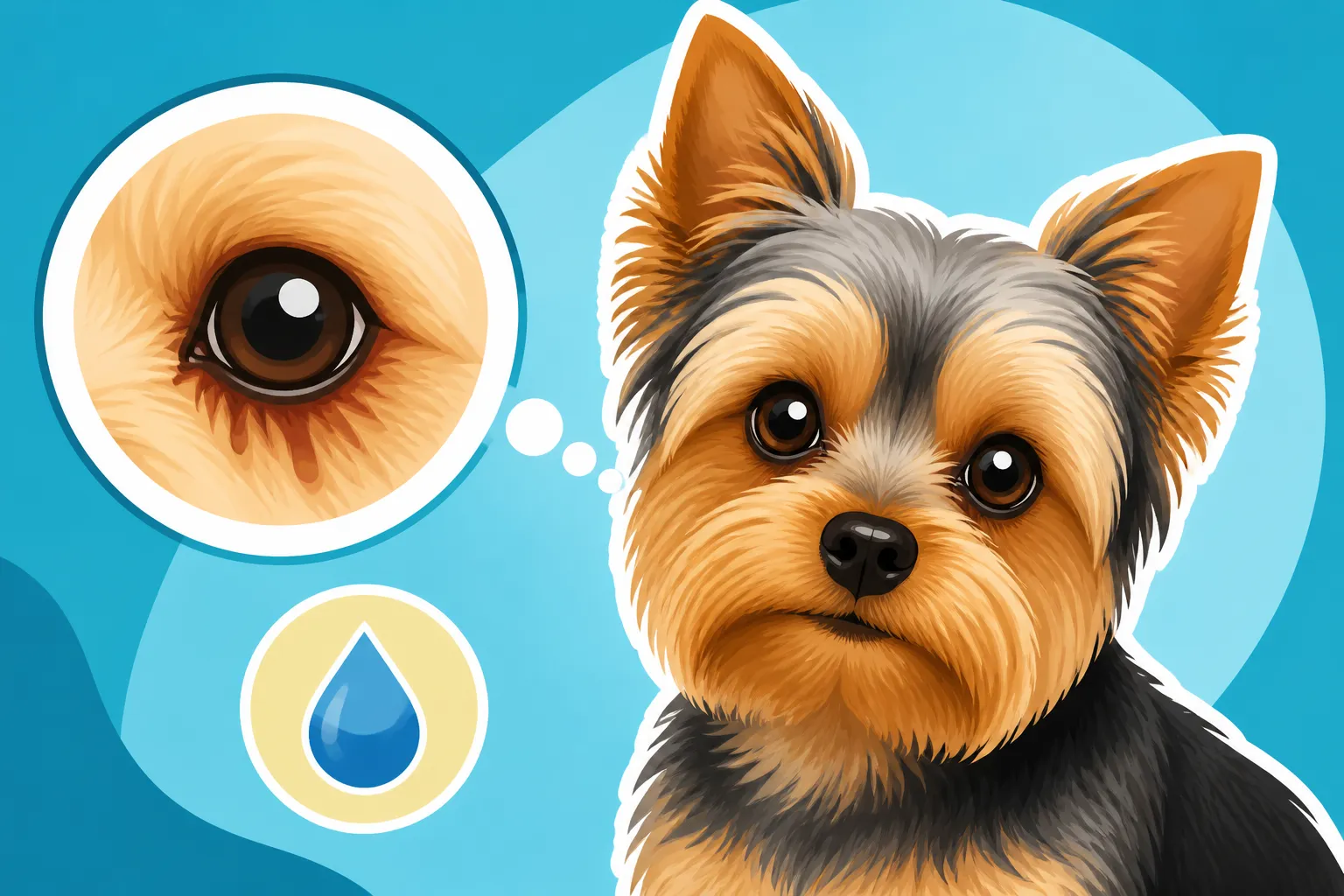
The challenge with Yorkshire Terriers, and many other small breeds, is their unique facial structure. Their eyes can sometimes be a bit more prominent, and their tear ducts can be narrower or even a little crooked compared to larger breeds. This anatomical predisposition means their tears might not drain as efficiently, leading to overflow, which veterinarians call epiphora. When tears sit on the fur around the eyes, especially in a breed with long, fine hair like a Yorkie, that's when the staining process begins.
The Role of Porphyrins in Tear Stains
When those tears overflow and remain on the fur, they don't just magically turn red or brown. The culprit behind the actual discoloration is a fascinating biological compound called porphyrins. Porphyrins are iron-containing waste products that are naturally present in tears, saliva, and urine. They're basically a byproduct of the breakdown of red blood cells in the body.
When porphyrin-rich tears are exposed to light and air, the iron in them oxidizes, much like rust forms on metal. This oxidation process is what causes the reddish-brown discoloration we commonly associate with tear stains. It's not dirt, mold, or some external contaminant, but rather a natural process. Interestingly, if your Yorkie licks their paws or fur frequently, you might notice similar reddish-brown stains there as well, due to the porphyrins present in their saliva. Understanding this helps us realize that preventing tear overflow is key, but also managing the porphyrin exposure once tears are on the fur.
Common Causes of Excessive Tearing in Yorkies
While porphyrins are responsible for the color, the reason for the excessive tearing (epiphora) in the first place can be multi-faceted. It's like a detective story, trying to pinpoint the primary culprit.
Blocked or Narrow Tear Ducts
This is perhaps one of the most common reasons for chronic tear staining in Yorkshire Terriers. As mentioned, their small size and specific facial anatomy can make them prone to having tear ducts that are naturally narrower than ideal, or even partially blocked. Imagine a tiny drain pipe that's just a bit too small for the water flow; eventually, it backs up.
These blockages aren't always congenital. They can also occur due to inflammation from allergies, minor infections, or even tiny pieces of debris like dust or a stray eyelash getting lodged in the duct. When the nasolacrimal ducts can't properly drain the tears, they simply spill over the eyelid and onto the surrounding fur. This constant wetness creates a breeding ground for yeast and bacteria, which can exacerbate the staining and sometimes lead to a secondary skin irritation or infection. If you notice constant wetness combined with a sticky discharge or redness, it’s a good indication of an underlying issue. A veterinarian can often perform a simple dye test to check for blocked tear ducts.
Eye Irritations and Allergies
Just like us, our Yorkies can suffer from a variety of irritations and allergies that cause their eyes to water excessively. It's their body's way of trying to flush out whatever is bothering them.
Environmental Irritants
Think about all the things in your home and yard that could irritate those delicate Yorkie eyes. Dust, smoke from fireplaces or cigarettes, strong perfumes, cleaning product fumes, and even outdoor allergens like pollen can all trigger increased tear production. If your Yorkie spends time sniffing around dusty corners or near areas where you use aerosol sprays, their eyes might react with an increase in tears. Sometimes, simply identifying and removing these irritants can make a significant difference.
Allergies
Food allergies are surprisingly common in Yorkies and can manifest in various ways, including excessive tearing and skin issues. Common culprits often include proteins like chicken, beef, or dairy, and grains like wheat or corn. If your Yorkie's tear stains seem persistent despite diligent cleaning and environmental management, a dietary trial with a limited ingredient or hypoallergenic food might be worth exploring. Beyond food, environmental allergies to things like grass, dust mites, or certain molds can also cause itchy, watery eyes. You might notice your Yorkie rubbing their face on the carpet or pawing at their eyes if allergies are at play. If you suspect allergies, your vet can help you navigate diagnostic tests or elimination diets. It’s important to find the Best Dog Food for Yorkshire Terriers that supports their overall health and minimizes allergic reactions.
Ingrown Eyelashes and Hair Irritation
Yorkshire Terriers are known for their beautiful, long, silky coats, but this can sometimes be a double-edged sword when it comes to their eyes. Hair growing too long around the eyes can physically irritate the eye itself, leading to increased tearing. Think of it as having a stray hair constantly tickling your own eye – it's annoying and makes your eyes water! Regularly trimming the hair around their eyes, often referred to as an "eye trim," is a crucial part of preventing this mechanical irritation. You can learn How to Trim Around a Yorkie's Eyes yourself or have a professional groomer do it.
Beyond just long facial hair, some Yorkies can suffer from specific conditions related to abnormal eyelash growth:
- Distichiasis: This is when extra eyelashes grow from abnormal spots on the eyelid margin, often turning inward and rubbing directly against the cornea.
- Ectopic Cilia: This is a more severe form where a single eyelash grows through the conjunctiva (the pink tissue lining the eyelid) and irritates the cornea.
- Trichiasis: This refers to normally placed eyelashes or facial hair that are simply misdirected and rub against the eye.
These conditions can cause significant discomfort, pain, and, you guessed it, excessive tearing. If you notice your Yorkie squinting, pawing at their face, or if the tearing seems particularly severe, a vet examination is essential to rule out these painful conditions.
Diet and Water Quality
Believe it or not, what your Yorkie eats and drinks can also play a role in tear staining. It's all about minimizing inflammation and reducing the body's overall "waste" output.
Many commercial dog foods contain fillers, artificial colors, preservatives, and low-quality ingredients that can be difficult for a sensitive Yorkie system to process. This can lead to systemic inflammation, which can sometimes manifest as increased tear production or other issues. Opting for a high-quality, whole-food-based diet with easily digestible proteins can help reduce inflammatory responses in the body. If your Yorkie has a particularly sensitive stomach, you might also find that specific diets formulated for this can help.
The water your Yorkie drinks can also be a factor. Tap water in many areas contains high levels of minerals, especially iron and chlorine. While not harmful in small amounts, some believe that these minerals, when consumed over time, can contribute to the porphyrin content in tears, or simply act as an additional irritant. Switching to filtered water or even distilled water for a period can sometimes lead to a noticeable reduction in tear staining. It’s a simple change that's easy to implement and might just make a difference for your furry friend.
Medical Conditions Contributing to Tear Stains
Sometimes, tear stains are more than just an aesthetic issue; they can be a sign of an underlying medical problem that requires professional attention. Ignoring these signs can lead to more serious complications. For any persistent or worsening eye issues, it's always best to consult your veterinarian.
Eye Infections (Conjunctivitis)
Conjunctivitis, or "pink eye," is an inflammation of the conjunctiva, the membrane that lines the inside of the eyelids and covers the white part of the eyeball. It's a common condition that can affect Yorkies and often results in increased tearing, discharge, and discomfort.
Infections can be bacterial, viral, or, less commonly, fungal. When an infection is present, the discharge from the eye is typically more than just clear tears; it might be thick, yellowish, or greenish, and sometimes sticky. The eye itself might appear red, swollen, or irritated, and your Yorkie might be squinting or pawing at their face more than usual. This is one of those times when you absolutely need to see the vet. They'll be able to properly diagnose the type of infection and prescribe appropriate treatment, usually in the form of antibiotic eye drops or ointment. Untreated eye infections can lead to more serious issues, so prompt veterinary care is crucial. For information on when to seek professional help for eye problems, consult Yorkie Eye Discharge: Causes.
Corneal Ulcers and Scratches
The cornea is the transparent outer layer at the front of the eye. A corneal ulcer is essentially an open sore on the cornea, often caused by trauma (like running into a bush, a fight with another pet, or even self-inflicted scratching), foreign bodies, or sometimes severe dry eye or ingrown hairs that rub persistently.
A corneal ulcer is incredibly painful for your Yorkie and will almost certainly cause excessive tearing as the eye tries to flush out the irritant and heal itself. Other symptoms include severe squinting, holding the eye shut, redness, cloudiness of the cornea, and a noticeable change in behavior due to pain. If you suspect an ulcer or a scratch, this is an emergency. Delaying treatment can lead to the ulcer deepening, potential infection, and even rupture of the eye in severe cases. Your vet will diagnose this using a special fluorescent dye that highlights any damage to the cornea. Treatment usually involves pain medication, antibiotics to prevent infection, and sometimes drops to help the eye heal.
Glaucoma or Entropion/Ectropion
These are more serious conditions that, while less common than blocked ducts or allergies, can definitely cause excessive tearing and must be addressed by a vet.
- Glaucoma: This condition involves increased pressure within the eye. It can be extremely painful and, if left untreated, can lead to permanent blindness. Symptoms often include a bulging eye, cloudiness, redness, and, yes, increased tearing. It often progresses quickly, so immediate veterinary attention is vital.
- Entropion: This is a condition where the eyelid rolls inward, causing the eyelashes and skin to rub against the cornea. Imagine having sandpaper constantly irritating your eye – that’s what it feels like. It causes constant irritation, pain, excessive tearing, and can lead to corneal ulcers.
- Ectropion: The opposite of entropion, where the eyelid rolls outward, exposing the conjunctiva. While not as irritating as entropion, it can make the eye prone to dryness and environmental irritants, leading to compensatory tearing. Both entropion and ectropion often require surgical correction to alleviate the discomfort and prevent further damage.
These conditions highlight why any persistent or alarming eye symptom warrants a trip to the vet. For more comprehensive information about potential Yorkshire Terrier Health Problems to Know, including various eye conditions, a vet visit is always your best bet.
Other Systemic Health Issues
While less direct, sometimes systemic health issues can indirectly contribute to increased tear production or tear staining. For example, any condition that weakens the immune system or causes widespread inflammation in the body could theoretically make a Yorkie more susceptible to eye infections or slow down healing from minor irritations.
Conditions like Yorkshire Terrier Hypothyroidism: Signs and Care, while primarily affecting metabolism, can sometimes lead to dry eye, which in turn can cause reflex tearing. Similarly, other underlying inflammatory conditions, though rare to directly cause tear stains, can contribute to overall poor health and make a dog more susceptible to eye issues. The body is an interconnected system, and a holistic approach to your Yorkie's health is always best. This is why regular veterinary check-ups are so important; they allow your vet to catch potential issues early, even those that might not seem directly related to the eyes at first glance.
Effective Strategies to Manage and Prevent Yorkie Tear Stains
Now that we’ve covered the "why," let’s dive into the "how." Managing tear stains is often a multi-pronged approach, combining diligent home care with professional veterinary guidance when necessary.
Regular Grooming and Eye Cleaning
Consistent grooming is your first line of defense against tear stains. It’s not just about aesthetics; it's about hygiene and preventing irritation.
Step-by-Step Eye Cleaning
- Gather your supplies: You'll need soft, clean cotton balls or pads, and a dog-specific eye wash solution. Many pet stores carry gentle, non-irritating solutions designed to cleanse the eye area. Make sure it's formulated for pets and free of harsh chemicals. Avoid human eye drops unless directed by a vet.
- Position your Yorkie: Find a comfortable spot where your Yorkie is calm. A small towel under their chin can catch any drips.
- Gently wipe: Moisten a cotton ball with the eye wash. Starting from the inner corner of the eye and wiping outward, gently clean away any visible crust, discharge, or stained fur. Use a fresh cotton ball for each eye to prevent cross-contamination if one eye has an infection.
- Dry the area: After cleaning, gently blot the area dry with a clean, soft cloth or dry cotton pad. Keeping the area dry is crucial to preventing yeast and bacteria growth.
- Repeat daily: For severe staining, daily cleaning, sometimes even twice a day, might be necessary. Once stains are under control, you might be able to reduce frequency.
Trimming Hair Around the Eyes
This is critically important for Yorkies. Their long facial hair can easily wick tears onto the fur, creating more significant stains, and can also physically irritate the eye itself. A good groomer can give your Yorkie a "puppy cut" or a "teddy bear cut" that keeps the hair around their eyes short and tidy. If you prefer to do it yourself, use blunt-nosed scissors specifically designed for pet grooming and always point them away from the eye. If you're unsure, watch a video tutorial on How to Trim Around a Yorkie's Eyes or ask your groomer for tips. Regular trims every 2-4 weeks will help immensely.
Dietary Adjustments and Water Filtration
Changing what goes into your Yorkie can sometimes be as effective as what you apply to their face.
High-Quality Diet
As discussed, poor-quality ingredients can lead to inflammation. Look for dog foods with whole, identifiable ingredients, and a single, high-quality protein source (e.g., lamb, salmon, turkey) if your Yorkie has sensitivities. Many owners report improvement in tear staining when switching to grain-free or limited-ingredient diets. Brands like Orijen, Acana, or Blue Buffalo often offer higher-quality options that might benefit a sensitive Yorkie. Always introduce new foods gradually to avoid upsetting their stomach.
Filtered or Distilled Water
This is a simple change that can yield surprising results. Many tap water sources contain minerals like iron that contribute to the porphyrin content in tears. Switching to filtered or distilled water, or even bottled spring water, can reduce this mineral intake. You don’t need a fancy system; a simple Brita filter pitcher can make a difference. It's a small investment for potentially significant improvement.
Supplements
Some owners find success with supplements aimed at reducing inflammation or supporting gut health. Probiotics can help balance gut flora, which in turn can support a healthier immune system and potentially reduce inflammatory responses that lead to tearing. Cranberry extract, traditionally used for urinary tract health, is sometimes recommended as it can help acidify the tears, making them less hospitable for yeast and bacteria. However, always consult your veterinarian before adding any supplements to your Yorkie's diet to ensure they are appropriate and safe.
Veterinary Consultation and Treatment
Sometimes, home remedies and dietary changes aren't enough, and professional veterinary intervention is needed to get to the root of the problem.
When to See the Vet
If tear stains are accompanied by redness, swelling, thick or discolored discharge, squinting, pain, or if home remedies aren't making a difference, it's time to see your vet. These symptoms can indicate a more serious underlying issue like an infection, corneal ulcer, or anatomical problem. Your veterinarian can perform a thorough eye exam, including tests like the fluorescein stain test for ulcers, a Schirmer tear test for dry eye, and a tear duct flush to check for blockages. For a detailed guide on recognizing when your pet needs professional help, check out When to Take Your Yorkie to the Vet.
Treatment Options
Depending on the diagnosis, your vet might prescribe:
- Antibiotic eye drops or ointment for bacterial infections.
- Anti-inflammatory drops to reduce swelling and irritation.
- Oral antibiotics for more systemic infections.
- Surgical correction for issues like entropion, ectopic cilia, or persistently blocked tear ducts (a procedure called dacryocystorhinostomy). These procedures are typically very effective in resolving the underlying cause of tearing.
Navigating vet costs for diagnostics and potential treatments can be daunting, especially for more complex issues like surgery. This is where pet insurance can be a lifesaver. Companies like Healthy Paws offer comprehensive pet insurance plans that can help cover unexpected vet bills, allowing you to focus on getting your Yorkie the best possible care without financial stress. Many policies will cover accident and illness, which can include the diagnosis and treatment of conditions leading to tear stains. Having pet insurance through providers like Healthy Paws means you won't have to hesitate in seeking expert medical advice for persistent eye issues, knowing a significant portion of the cost could be reimbursed. It's a sound investment in your Yorkie's long-term health.
Environmental Management
Creating a clean, low-irritant environment for your Yorkie can significantly reduce their exposure to things that make their eyes water.
Minimizing Irritants
- Air Quality: Consider using an air purifier in your home, especially in rooms where your Yorkie spends a lot of time. This can help reduce dust, pollen, and other airborne allergens. Avoid smoking indoors and minimize the use of aerosol sprays (hair spray, air fresheners) around your dog.
- Cleaning Products: Be mindful of the cleaning products you use. Opt for natural, unscented cleaners whenever possible to avoid harsh chemical fumes that can irritate sensitive eyes and respiratory systems.
- Dust Control: Regularly vacuum and dust your home. Wash your Yorkie's bedding frequently, as it can accumulate dust mites and dander.
- Outdoor Environment: If your Yorkie is prone to outdoor allergies, try to limit their exposure during peak pollen seasons, or wipe them down with a damp cloth after outdoor excursions to remove allergens from their fur.
Choosing Appropriate Gear
- Bowls: Stainless steel or ceramic food and water bowls are generally preferred over plastic, as plastic can harbor bacteria and absorb odors, potentially contributing to localized irritation around the face. Make sure to clean them daily.
- Bedding: Choose hypoallergenic bedding and wash it often.
By implementing a combination of these strategies, you can significantly reduce and even eliminate your Yorkie's tear stains, revealing their naturally bright and sparkling eyes. Remember that consistency is key, and patience is a virtue, especially when dealing with a persistent issue like tear staining.
Tear Stain Causes and Actions at a Glance
For a quick reference, here's a table summarizing common causes of Yorkie tear stains and the initial steps you can take.
| Cause of Tear Stains | Symptoms & Characteristics | Initial Actions & Management | When to Consult a Vet |
|---|---|---|---|
| Blocked/Narrow Tear Ducts | Constant wetness, clear to slightly sticky tears, reddish-brown stains, no obvious pain or redness (initially). | Regular cleaning and drying of the eye area. Consider filtered water. | If constant tearing persists, or if discharge becomes thick, colored, or eye becomes red/painful. |
| Eye Irritations/Allergies | Excessive clear tears, redness, itching, rubbing face, pawing at eyes, sometimes sneezing or skin issues. | Identify and remove environmental irritants (dust, smoke, perfumes). Implement a hypoallergenic or limited-ingredient diet. Use air purifiers. Regular grooming. | If symptoms persist, worsen, or if eyes become very red, swollen, or painful. Discuss allergy testing. |
| Ingrown Eyelashes/Hair Irritation | Squinting, excessive clear tears, rubbing, eye redness, visible hair/lashes near the eye. | Regular grooming and professional trimming of hair around the eyes (e.g., Yorkshire Terrier Grooming Guide). Keep the eye area free of long hair. | If tearing is persistent, causes discomfort, or if you suspect abnormal eyelash growth (Distichiasis, Ectopic Cilia). |
| Dietary/Water Impurities | Chronic tear stains, no other specific eye symptoms, might have other subtle signs of mild digestive upset. | Switch to high-quality dog food (e.g., Best Dog Food for Yorkshire Terriers), limited ingredient options. Provide filtered or distilled water. | If dietary changes don't help, or if other health issues arise. |
| Eye Infections (Conjunctivitis) | Thick, colored (yellow/green) discharge, redness, swelling, pain, squinting, eye held shut. | Do not attempt to self-treat. | Immediately. This requires veterinary diagnosis and prescription medication. |
| Corneal Ulcers/Scratches | Severe pain, intense squinting, eye held shut, excessive tearing, cloudiness or visible lesion on cornea. | Do not attempt to self-treat. Prevent your Yorkie from rubbing or scratching the eye. | Immediately. This is a painful emergency requiring prompt veterinary care. |
| Glaucoma/Entropion/Ectropion | Bulging eye, cloudiness, severe redness, pain, excessive tearing (Glaucoma). Eyelid rolled in/out (Entropion/Ectropion). | Do not attempt to self-treat. | Immediately. These are serious conditions requiring urgent veterinary assessment and treatment. |
Disclaimer
The information provided in this guide is for general informational purposes only and does not constitute veterinary advice. Always consult with a qualified veterinarian for any health concerns or before making any decisions related to your Yorkshire Terrier's care and treatment.