How to Prevent Reverse Sneezing in Yorkies
There's nothing quite as alarming as seeing your beloved Yorkshire Terrier suddenly start making honking, gagging sounds, struggling for breath as if they can't get enough air. This terrifying episode, known as reverse sneezing, can send a wave of panic through even the most experienced Yorkie parent. It feels awful to witness, and you often feel helpless, wondering if your little companion is truly in distress or if something more serious is going on. This guide is here to demystify reverse sneezing, explain its triggers, and most importantly, equip you with practical, actionable strategies to prevent these unsettling occurrences and keep your Yorkie breathing easy and happy.
Understanding Reverse Sneezing in Yorkies
When your Yorkie experiences a reverse sneeze, it’s not just a cute quirk; it’s a physiological response that can be quite unsettling for both of you. Many owners describe it as their dog trying to inhale a sneeze, making loud snorting or honking noises. While it often looks and sounds like a serious medical emergency, it's usually benign. However, understanding what's happening and why it occurs is the first step in managing and preventing it.
What Exactly Is Reverse Sneezing?
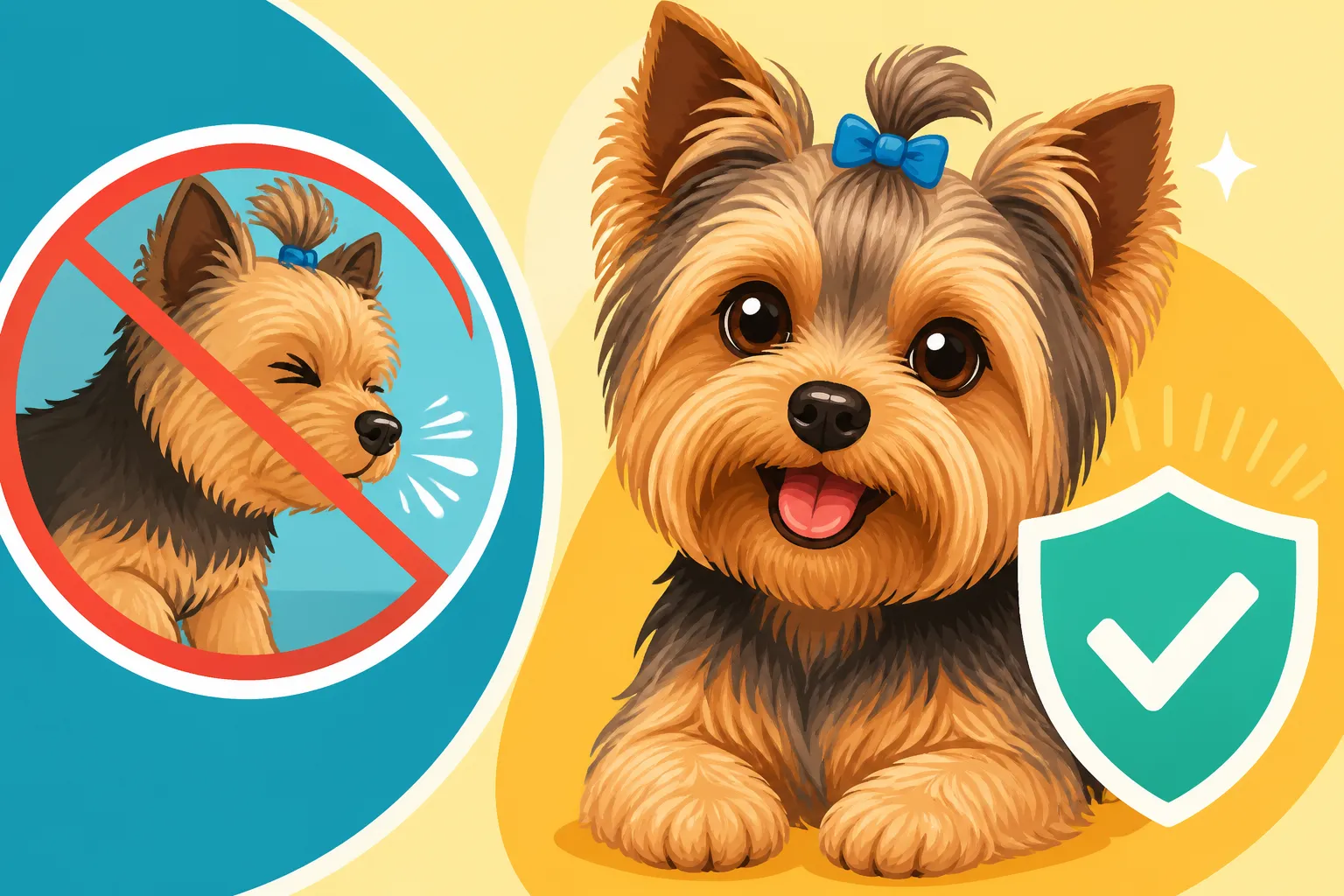
Technically known as paroxysmal respiration, reverse sneezing is essentially a sudden, rapid, and forced inhalation through the nose. Instead of expelling air outwards, like a normal sneeze, your Yorkie is rapidly pulling air inwards. This creates a distinctive snorting or gagging sound, and their neck might extend, chest might heave, and eyes might bulge slightly. It’s caused by a spasm of the soft palate and pharynx (the area at the back of the throat), often in response to an irritant. Imagine trying to suck a string up your nose really fast – it's a bit like that, but more dramatic and involuntary. The key difference from a regular sneeze is the direction of airflow: outward for a sneeze, inward for a reverse sneeze. While it looks distressing, most episodes last only a few seconds to a minute, and your Yorkie will usually return to normal as if nothing happened.
Common Triggers for Yorkies
Yorkies, with their petite size and delicate respiratory systems, are particularly prone to reverse sneezing. Their small nostrils and elongated soft palates can make them more susceptible. The triggers are usually things that irritate the nasal passages or throat. Common culprits include allergens like pollen, dust, or mold, which can be rampant in certain seasons or older homes. Household chemicals, strong perfumes, smoke, or even certain air fresheners can also act as powerful irritants. Excitement or sudden changes in temperature, like going from a warm house to a cold yard, can also trigger an episode. Even something as simple as drinking water too fast or pulling too hard on a collar can lead to irritation. We've all seen our pups get a little too enthusiastic, gulping down their water after a playful romp, and sometimes that's all it takes. Understanding these triggers is paramount because prevention largely revolves around minimizing exposure to them. Sometimes, even post-nasal drip from mild allergies can be enough to start an episode.
When to Worry and When Not To
For the most part, reverse sneezing is harmless. Your Yorkie might look like they're choking or having an asthma attack, but if they recover quickly and are otherwise fine, there's usually no need for alarm. However, there are instances when a reverse sneeze might signal something more serious. If the episodes become more frequent, last longer than a minute or two, or are accompanied by other symptoms like lethargy, loss of appetite, coughing (distinct from the reverse sneeze sounds), or difficulty breathing outside of these episodes, it's time for a vet visit. These could be signs of underlying issues such as allergies, a foreign object lodged in the throat or nasal passage, nasal mites, or even more serious conditions like a collapsing trachea. It’s crucial to know the difference between a typical reverse sneeze and something that requires medical attention. When in doubt, it’s always best to err on the side of caution and consult your veterinarian. For a broader understanding of related issues, you might want to read more about Yorkshire Terrier Tracheal Collapse: Signs and Care.
Practical Strategies to Minimize Reverse Sneezing Incidents
Once you understand what reverse sneezing is and its common triggers, you can start implementing practical strategies to reduce how often your Yorkie experiences these alarming episodes. It’s about creating an environment and routine that supports their delicate respiratory system.
Managing Environmental Factors
Your home environment plays a huge role in your Yorkie's respiratory health. Think about what your little one is breathing in all day. Dust mites, pollen that drifts in through open windows, pet dander (even if they're "hypoallergenic," dust still collects!), and mold can all irritate their nasal passages. Regular and thorough cleaning is your first line of defense. This means vacuuming with a HEPA filter vacuum cleaner frequently, washing pet beds weekly, and dusting surfaces regularly. Consider using air purifiers with HEPA filters in the rooms your Yorkie spends the most time in. These can significantly reduce airborne allergens and irritants. During peak allergy seasons, keeping windows closed and relying on air conditioning can help filter out pollen. Additionally, be mindful of strong scents: avoid aerosol sprays, plug-in air fresheners, scented candles, and harsh cleaning chemicals. What smells good to us can be overwhelming and irritating to a Yorkie's sensitive nose and airways. Even something as seemingly benign as a new carpet or a freshly painted room can release volatile organic compounds that can act as irritants.
Dietary and Hydration Considerations
While not a direct cause, what your Yorkie eats and drinks can indirectly influence their susceptibility to reverse sneezing. Keeping their immune system strong through a high-quality, balanced diet can help them combat allergens more effectively. Look for premium dog foods with real meat as the first ingredient and without excessive fillers or artificial additives. Sometimes, food allergies can manifest as respiratory irritation, so if you suspect a food sensitivity, discussing a limited ingredient diet with your vet might be beneficial.
Hydration is also crucial. Ensure your Yorkie always has access to fresh, clean water. Dehydration can lead to dry mucous membranes, making them more vulnerable to irritation. If your Yorkie tends to gulp water too quickly, which can trigger a reverse sneeze, consider using a slow-feeder bowl for water or a pet fountain that encourages smaller, more frequent sips. Some owners even elevate their dog's water bowl slightly to encourage a more natural drinking posture. This simple change can sometimes make a big difference, preventing the sudden inhalation of water that can tickle the throat and initiate a spasm. Staying well-hydrated helps keep their respiratory passages moist and less prone to irritation from dry air or environmental triggers.
Stress Reduction and Calming Techniques
Excitement and stress can also be triggers for reverse sneezing. Think about when your Yorkie gets overly enthusiastic when you come home, or anxious during a thunderstorm. The rapid changes in breathing associated with these emotional states can sometimes bring on an episode. Creating a calm and predictable environment can help. Establish a consistent routine for feeding, walks, and playtime. For Yorkies prone to anxiety, consider incorporating calming techniques. Gentle massage, especially around the neck and chest, can help them relax. Soft music or white noise can mask startling sounds. If your Yorkie gets particularly stressed during certain events, like car rides or vet visits, talk to your vet about calming supplements or pheromone diffusers. Sometimes, even a gentle cuddle can help soothe them during an episode. When a reverse sneeze starts, try gently massaging their throat or covering their nostrils for a second to encourage them to swallow. This often helps reset their breathing and can shorten the duration of the episode. Remember, a calm Yorkie is often a healthier Yorkie. For more on managing their emotions, explore topics like Yorkie Separation Anxiety: Signs and Fixes.
Here's a quick reference table for common reverse sneezing triggers and prevention:
| Trigger Category | Common Examples | Prevention Strategy |
|---|---|---|
| Environmental | Dust, pollen, mold, smoke, perfumes | Regular cleaning, HEPA air purifiers, avoid strong scents, keep windows closed during high pollen, non-toxic cleaners |
| Physical Irritation | Pulling on collar, fast eating/drinking, dry air | Use a harness instead of a collar, slow-feeder bowls for water, humidifier, ensure proper hydration |
| Emotional/Excitement | Over-excitement, stress, anxiety | Consistent routine, calming techniques, gentle throat massage during episode, quiet environment |
| Temperature Changes | Moving from warm to cold air | Gradual transitions, provide appropriate clothing for cold weather, monitor indoor climate |
| Allergies | Dust mites, specific pollens, dander | Identify and minimize exposure, vet consultation for allergy management, regular grooming |
Proactive Health Measures for Respiratory Wellness
Beyond managing immediate triggers, a holistic approach to your Yorkie's health can significantly contribute to their overall respiratory wellness, making them less susceptible to reverse sneezing and other breathing issues. Prevention is always better than cure, and for a breed like the Yorkshire Terrier, being proactive is key.
Regular Vet Check-ups and Preventative Care
Consistent veterinary care is non-negotiable for Yorkies, especially when it comes to their delicate respiratory systems. Regular check-ups allow your vet to monitor their overall health, including their airways, and catch any potential issues early. During these visits, your vet can listen to their lungs and trachea, check their teeth for any infections that could spread and cause irritation, and discuss any changes in their breathing or behavior. They can also advise on appropriate vaccinations and parasite control, as some parasites can cause respiratory symptoms. These check-ups are also a great opportunity to discuss any concerns you have about reverse sneezing. Your vet can rule out more serious underlying conditions, such as nasal polyps, foreign bodies, or even early signs of a collapsing trachea, which can sometimes mimic reverse sneezing. They might recommend specific diagnostic tests if they suspect an underlying issue. Remember, good preventative care can help your Yorkie live a long, healthy life, minimizing the need for emergency visits. If you're wondering about vet costs, you might find our guide on Yorkshire Terrier Vet Costs and Health Budget helpful.
Grooming Practices to Support Airway Health
You might not immediately connect grooming with respiratory health, but for a Yorkie, it's a vital link. Their luxurious, long coats can easily trap dust, pollen, and other environmental allergens, which then become a constant source of irritation as they breathe. Regular brushing helps remove these irritants from their fur before they can be inhaled. Pay special attention to their face, keeping the hair around their nose and mouth trimmed short. Long facial hair can tickle their nostrils or collect food particles and moisture, creating a breeding ground for bacteria or simply acting as an irritant.
Keeping their tear ducts clean and clear is also important. Excessive tearing can lead to dampness around the nose, which can encourage irritation. Regularly cleaning their eyes and checking for tear stains can help prevent this. Ear hygiene also plays a role. If a Yorkie has an ear infection, the inflammation can sometimes extend to the Eustachian tubes and affect the pharyngeal area, leading to irritation that could trigger a reverse sneeze. Regular ear cleaning, as guided by your vet, is a simple yet effective preventative measure. For detailed instructions, check out How to Clean a Yorkie's Ears.
Equipment Choices for Safer Walks
This is a big one that many owners overlook! Yorkies have incredibly delicate tracheas, and a traditional collar can put immense pressure on their throat, especially if they pull on the leash. This pressure can easily irritate the trachea and soft palate, leading to coughing, gagging, and yes, reverse sneezing. Switching from a neck collar to a well-fitting harness is one of the most impactful preventative measures you can take. A harness distributes pressure across your Yorkie's chest and shoulders, completely bypassing their throat.
When choosing a harness, ensure it fits snugly but comfortably, without rubbing or restricting movement. Look for harnesses specifically designed for small breeds, often with a "Y" shape front or a vest style. Brands like Puppia or Gooby are popular for small breeds and offer good support without putting strain on the neck. Even if your Yorkie doesn't pull aggressively, the occasional tug or sudden lunge can be enough to trigger an episode with a collar. Making this simple equipment change can dramatically reduce the physical irritation to their airways. You can learn more about finding the right gear by reading Best Harness for a Yorkshire Terrier.
By combining environmental management, good dietary habits, stress reduction, consistent vet care, thorough grooming, and appropriate walking equipment, you create a robust preventative strategy against reverse sneezing. While you may not eliminate it entirely, these steps will significantly reduce its frequency and intensity, allowing both you and your Yorkie to enjoy a more peaceful and healthy life together.
Disclaimer
The information provided in this guide is for general informational purposes only and is not a substitute for professional veterinary advice. Always consult with a qualified veterinarian for any health concerns or before making any decisions related to your pet's health and well-being.