Black Yorkie vs Standard Yorkie: Differences
It's completely understandable to be curious, or even a little confused, when you hear terms like "Black Yorkie" floating around. Many aspiring or current Yorkie parents stumble upon these descriptions online or in conversation and wonder if they're missing out on a unique variant of this beloved breed. The reality is, what most people envision as a "Black Yorkie" often stems from a misunderstanding of how the Yorkshire Terrier's coat truly develops and what the breed standard actually dictates. This guide aims to clear up that confusion, diving deep into the fascinating world of Yorkie coat colors and helping you understand the real differences.
What Exactly is a "Black Yorkie"? Unpacking the Misconception
The phrase "Black Yorkie" can conjure images of a sleek, onyx-colored companion, distinctly different from the classic blue and tan. However, in the world of purebred Yorkshire Terriers, a truly all-black adult Yorkie, or one that remains predominantly black throughout its life, doesn't exist according to the breed standard. This isn't to say you won't see very dark puppies or even adults with significant dark areas, but the term itself often points to either a transitional puppy coat, a mixed breed, or sometimes, clever marketing.
The Standard Yorkie's True Colors: Puppy vs. Adult Coat Transformation
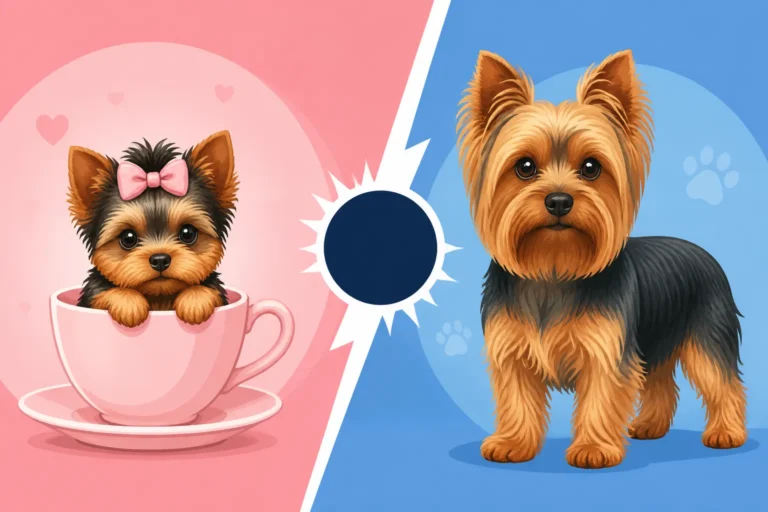
One of the most charming and often surprising aspects of a Yorkshire Terrier's development is the incredible transformation of its coat color. When a Yorkie is born, its fur is typically black and tan. This deep, rich black is undeniably striking and might lead many new owners to believe they have a "Black Yorkie." However, this isn't their permanent adult coloring. As they mature, usually between 6 months and 2 years of age, that puppy black gradually gives way to the distinctive "steel blue" or "dark steel blue" that is characteristic of the breed.
Imagine bringing home a tiny, fluffy bundle, mostly black with adorable tan markings on its face, legs, and under its tail. You might proudly show off your "Black Yorkie puppy" to friends and family. But over the next year or two, you'll start noticing subtle changes. The black on their back and head will lighten, developing silver, grey, or blue undertones. This color change is a genetic marvel and a hallmark of the breed. It’s part of the journey of owning a purebred Yorkshire Terrier and something that truly sets them apart. This natural fading is why you’ll rarely, if ever, see a purebred adult Yorkie that is still solid black. If you're observing these color shifts, congratulations, you're witnessing the classic Yorkie coat development!
Misconceptions and Marketing Terminology
The term "Black Yorkie" can also arise from various misconceptions or even intentional marketing by less scrupulous breeders. Sometimes, a mixed-breed dog that shares some Yorkie characteristics but inherited a predominantly black coat from another parent breed might be mistakenly referred to as a "Black Yorkie." Other times, individuals might be thinking of a puppy that hasn't undergone its full color change yet.
It’s also crucial to be aware that some breeders might use terms like "Black Yorkie" to imply rarity or uniqueness, sometimes commanding higher prices. This is why understanding the official breed standard is so important when you're looking for a purebred. An ethical breeder will always educate prospective owners about the expected color changes and adhere to the breed standard. If someone is advertising a "Black Yorkie" as a unique, permanent color variation, it's a significant red flag, and it's essential to do your research. Always consult reputable sources or organizations like the American Kennel Club (AKC) to verify breed standards before making any decisions. For a deeper dive into what makes a Yorkie, explore our comprehensive article on the Yorkshire Terrier Breed Guide: Everything to Know.
Standard Yorkshire Terrier Appearance and Coat Characteristics
The standard Yorkshire Terrier is recognized by its distinct coat color and texture, which are key identifiers of the breed. This isn't just about aesthetics; these characteristics are part of the genetic blueprint that defines a true Yorkie.
The Classic Blue and Tan Standard
The definitive color for a purebred Yorkshire Terrier, as recognized by major kennel clubs worldwide, is "steel blue and tan." This "steel blue" isn't a vibrant navy or sky blue, but rather a dark, often shiny, bluish-grey that runs from the back of the head to the root of the tail. It’s a sophisticated shade, sometimes described as gunmetal grey with blue reflections. The tan portions are typically found on the head, chest, and legs. These tan areas should be a rich, golden tan, not so dark as to appear black, nor so light as to be cream.
The tan on the head should be darker at the sides, gradually lightening to a rich golden tan towards the muzzle and around the ears. On the legs, the tan typically extends up to the elbows or stifles, depending on the dog. On the chest, it forms a distinct patch. You might also find a small tan patch under the tail. This intricate pattern of blue and tan is what makes a Yorkshire Terrier instantly recognizable and contributes to its elegance. The beauty of this coat is truly something to behold, especially when well-maintained.
Coat Texture and Grooming Expectations
Beyond color, the texture of a Yorkshire Terrier's coat is equally important and distinctive. A standard Yorkie should have a fine, silky, glossy coat that lies perfectly straight down the body. It's often compared to human hair in its texture and requires similar care. This isn't a wiry, woolly, or cottony coat; it's meant to flow freely. This unique texture is also why many people with allergies find Yorkies to be more tolerable, as their hair sheds minimally compared to fur-coated breeds. To understand more about this, check out if Yorkshire Terriers Are They Hypoallergenic.
Because of its fine, silky nature, the Yorkie coat is prone to tangling and matting if not properly cared for. Daily brushing is essential to prevent knots and keep the coat healthy and shiny. Many owners opt for a "puppy cut" or a shorter style for easier maintenance, but those who wish to keep their Yorkie's coat long will find themselves committing to a thorough daily grooming routine. Products designed for human hair, like gentle shampoos and conditioners, are often suitable for Yorkies, and quality grooming tools are a must. Many pet supply retailers, like Chewy, offer a wide range of brushes, combs, and detangling sprays specifically formulated for long-haired breeds that can make this process a lot easier. Keeping their coat in top condition is a big part of Yorkshire Terrier Grooming Guide.
Key Differences in Appearance and Genetics
The core difference between a perceived "Black Yorkie" and a Standard Yorkie boils down to genetics and the breed standard. Understanding this helps clarify why certain coat colors appear and what they signify about a dog's lineage.
Genetic Basis of Yorkie Colors
The genes responsible for a Yorkshire Terrier's coat color are complex, but the key is that the "black" seen in puppies is actually a precursor to the "blue" in adults. Yorkies carry genes that cause their black pigment to dilute over time, resulting in the steel blue color. This is a normal, expected genetic trait for the breed. The tan markings are also genetically determined and are present from birth.
Think of it like this: all purebred Yorkies start with black and tan markings. It's the "progressive graying" gene, often associated with dog breeds like Kerry Blue Terriers or Old English Sheepdogs, that causes the black to lighten into blue as the dog matures. This genetic characteristic is what defines the breed's color standard. If a Yorkie were to remain truly black and tan into adulthood without any blue dilution, it would indicate a variation outside of the recognized breed standard, suggesting either a mixed lineage or a very rare genetic anomaly that is not accepted in show rings. For those interested in the deeper science, exploring Common Yorkshire Terrier Genetic Conditions can offer more insights into breed-specific traits.
The "Parti" Yorkie and Other Non-Standard Colors
While the traditional blue and tan is the only color recognized by the AKC for show purposes, there are other color variations within the Yorkshire Terrier gene pool, often referred to as "Parti Yorkies" or "Golden Yorkies." A "Parti Yorkie" typically has a tri-color coat, usually white, black, and tan. These dogs are genetically purebred Yorkshire Terriers, but they carry a recessive gene that expresses white markings. Although beautiful and cherished by their owners, Parti Yorkies are not eligible for conformation shows under the AKC standard for Yorkshire Terriers. However, the AKC does recognize them as purebred Yorkies and allows them to compete in other events like agility and obedience.
Other less common colorations, such as predominantly black and white (without tan), or entirely golden, might also appear due to recessive genes or specific breeding practices. These dogs are still Yorkies by lineage, but their coloration deviates from the traditional "blue and tan" standard. It's important for prospective owners to understand that while these colors might be aesthetically pleasing, they do not align with the breed standard for show-quality dogs. However, for a loving pet, color is often secondary to health and temperament. You can learn more about these fascinating variations in Parti Yorkshire Terrier Explained and Yorkshire Terrier Colors Explained.
Why You Won't Find a Purebred Black Yorkie (by Standard)
To reiterate, a purebred Yorkshire Terrier, according to the universally accepted breed standard, will not remain solid black into adulthood. Any adult dog advertised as a "Black Yorkie" is either:
- A Yorkie puppy that has not yet undergone its natural coat change from black to blue.
- A mixed breed that has some Yorkie heritage but another breed contributing to its persistent black coat.
- A Yorkie with an unrecognized coloration, which, while genetically a Yorkie, does not meet the breed standard for color.
The breed standard is more than just an arbitrary rule; it describes the ideal characteristics that breeders strive to maintain, encompassing health, temperament, and appearance. Reputable breeders will prioritize these standards, ensuring the health and integrity of the breed. When you’re looking for a puppy, choosing an ethical breeder is crucial, and understanding how to do so is covered in How to Find a Reputable Yorkie Breeder. They will never try to convince you that a "Black Yorkie" is a distinct, recognized variant. They'll explain the normal color progression and show you the parents' coats, which will be blue and tan.
| Feature | "Black Yorkie" (Common Perception) | Standard Yorkshire Terrier |
|---|---|---|
| Primary Color | Primarily black, sometimes with tan points, believed to be permanent | Blue (dark steel grey-blue) from back of head to tail root |
| Tan Markings | Present on face, chest, legs; may be very dark | Rich, bright golden tan on head, chest, and legs |
| Adult Coat Color | Expected to remain predominantly black | Black puppy coat always lightens to steel blue with age |
| Breed Standard | Not recognized as a distinct, permanent color by major kennel clubs | Recognized by AKC and other international kennel clubs |
| Genetics | Often a puppy's transitional coat, or a mixed breed's inheritance | Carries gene for progressive dilution of black to blue |
| Availability | Mostly seen as puppies or sometimes mixed breeds | Widely available from reputable breeders |
Beyond Appearance: Temperament and Health Comparisons
It's natural to wonder if different coat colors might also correlate with differences in personality or health. For Yorkshire Terriers, the answer is generally quite straightforward: coat color doesn't typically impact these aspects.
Temperament: Color Doesn't Dictate Personality
The spirited, confident, and affectionate nature of a Yorkshire Terrier is part of its breed character, not tied to the shade of its fur. Whether a Yorkie puppy is a very dark black and tan or already showing signs of its blue coat, its fundamental temperament is determined by its genetics (breed-specific traits and individual parental lines), early socialization, and training.
Yorkies are known for being bold, intelligent, and sometimes a little feisty, despite their small size. They are often described as "big dogs in a little body." They can be devoted companions, but also have a terrier's independent streak. A Yorkie's personality is cultivated through its upbringing, interactions with its environment, and consistent training, rather than the specific hue of its coat. If you're encountering a Yorkie with behavioral issues, it's almost certainly due to these factors rather than its color. Proper socialization as a puppy is vital to ensuring a well-adjusted adult Yorkie, and you can learn more about their typical behavior in Yorkshire Terrier Temperament and Personality.
It's important to remember that any "Black Yorkie" that is actually a mixed breed might inherit temperament traits from its other parent breed, which could differ from a purebred Yorkie. For example, if a Yorkie is mixed with a Poodle to create a Yorkiepoo, its temperament might reflect a blend of both breeds, including the Poodle's intelligence and eagerness to please. However, within purebred Yorkies, whether blue and tan or a recognized non-standard color like Parti, the core breed temperament should remain consistent across color variations.
Health Concerns Related to Coat Color
For the vast majority of dog breeds, coat color itself does not directly cause specific health problems, and this holds true for Yorkshire Terriers. The standard blue and tan coat is not associated with any particular health predispositions. Similarly, Yorkies with non-standard colors, such as Parti or Golden, are not inherently healthier or unhealthier than their blue and tan counterparts.
However, there are some nuances to consider, especially when discussing "off-standard" colors:
- Responsible Breeding Practices: The primary concern with any non-standard color, or a dog advertised with a misleading color description (like a permanent "Black Yorkie"), is whether it comes from a reputable breeder. Breeders focused solely on producing "rare" colors might sometimes neglect critical health screening and good breeding practices. This is where the risk lies, not in the color itself. Poor breeding can lead to a higher incidence of common Yorkie health issues like Yorkshire Terrier Patellar Luxation: Signs and Care, Yorkshire Terrier Collapsing Trachea: Signs and Care, or Yorkie Dental Disease Prevention, regardless of coat color.
- Merle Gene: While not typical for purebred Yorkies, the merle gene (which creates mottled patches of color) can be present in some mixed breeds. Merle can be associated with certain health issues, particularly auditory and ocular defects, especially when two merle dogs are bred together. It is absolutely crucial to avoid breeders advertising "Merle Yorkies," as this color pattern does not naturally occur in the breed, strongly indicating a mixed lineage, often with breeds that carry the merle gene. Introducing merle into Yorkies without proper genetic understanding can lead to serious health consequences.
In short, if you're concerned about your Yorkie's health, focus on the breeder's practices, the parents' health clearances, and the overall Yorkshire Terrier Puppy Health Guide, rather than getting hung up on unique color claims. A healthy Yorkie, regardless of whether its black puppy coat is turning to blue and tan or it's a beautiful Parti, is the goal of any responsible owner. Maintaining their health involves regular vet check-ups, a balanced diet, and appropriate exercise, all covered in our guide on How to Keep a Yorkshire Terrier Healthy.
In conclusion, while the idea of a "Black Yorkie" might pique your interest, the true beauty and standard of the breed lie in its characteristic blue and tan coat, which undergoes a fascinating transformation from a dark puppy coat. Understanding these nuances not only clarifies common misconceptions but also empowers you to make informed decisions when welcoming a Yorkshire Terrier into your family.
Disclaimer
This article is intended for informational purposes only and is not a substitute for professional veterinary advice. Always consult with a qualified veterinarian for any health concerns or before making any decisions about your pet's care.