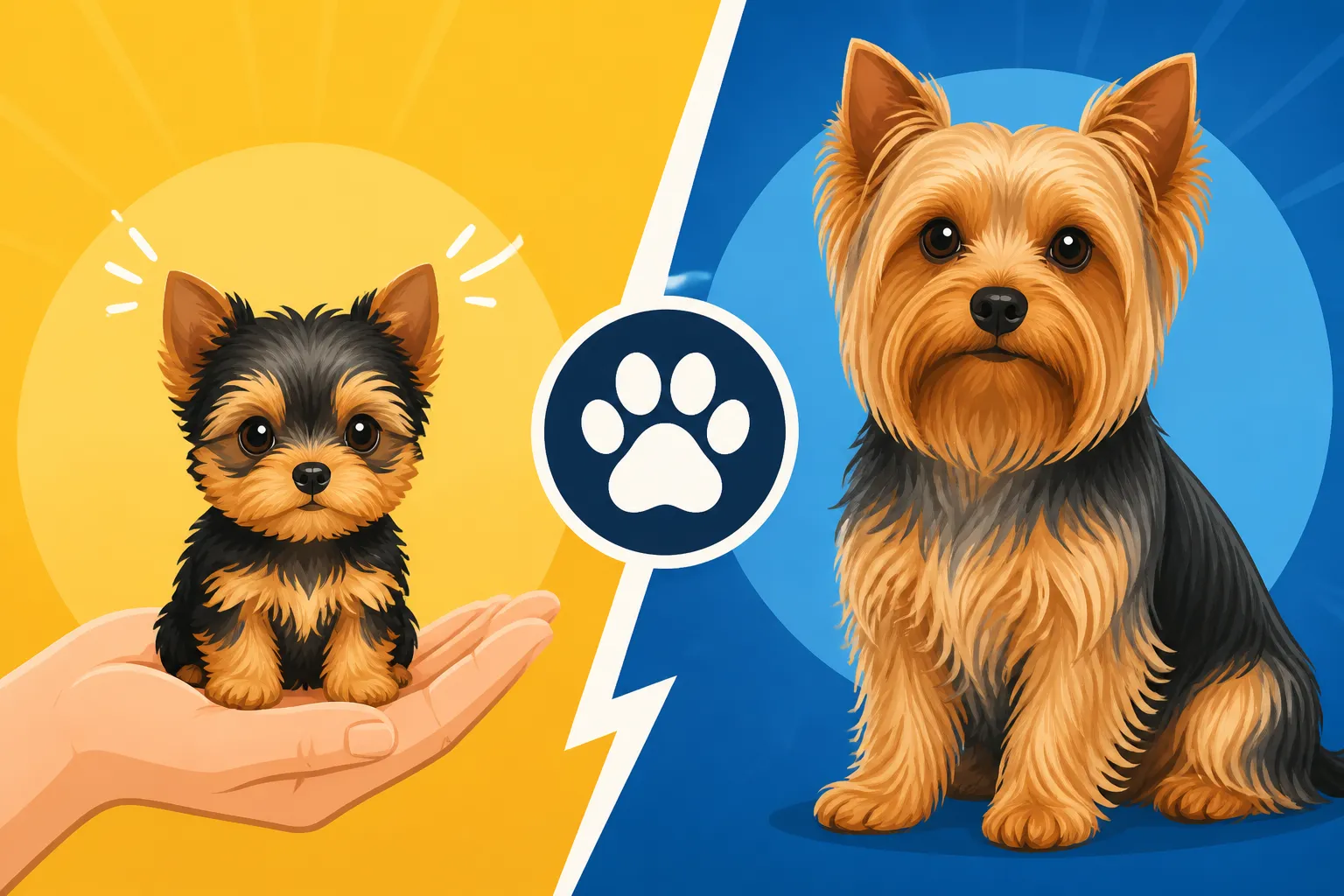
Teacup Yorkie vs Standard Yorkie: Differences
It’s a common dilemma for prospective pet parents: you’ve fallen in love with the spirited charm of a Yorkshire Terrier, but then you encounter the term "Teacup Yorkie," and suddenly, a whole new layer of questions arises. The confusion around these two designations is real, and it often leads to misunderstandings about what you’re truly getting. This comprehensive guide will meticulously break down the actual differences between a standard Yorkshire Terrier and what's marketed as a "Teacup Yorkie," empowering you to make the most informed decision for your family and canine companion.
Understanding the "Teacup" Label Versus the Breed Standard
Many people are surprised to learn that "Teacup Yorkie" isn't an officially recognized breed by kennel clubs like the American Kennel Club (AKC). This distinction is crucial when you're navigating the world of dog ownership, as it heavily influences everything from health to temperament.
What Exactly is a Standard Yorkshire Terrier?
A standard Yorkshire Terrier is a purebred dog, recognized by major kennel clubs worldwide, and adheres to a specific breed standard. This standard outlines everything from their beautiful blue and tan coat to their lively temperament and, most importantly, their size. According to the AKC, a Yorkshire Terrier should weigh no more than seven pounds. They typically stand about 7-8 inches tall at the shoulder. These are robust little dogs, despite their small stature, known for their confident, sometimes sassy, personality. They were originally bred in the 19th century in Yorkshire, England, as ratters in textile mills, a heritage that speaks to their tenacious spirit and intelligence. When you're looking for a genuine Yorkie, you're looking for a dog that fits this description, usually with verifiable pedigree papers and a health guarantee from a reputable breeder.
The Reality of "Teacup" Yorkies
Now, let's talk about the "Teacup" designation. As mentioned, it's not a recognized breed; it's a marketing term used to describe Yorkshire Terriers that are significantly smaller than the official breed standard – typically weighing less than four pounds as adults. While the idea of an even tinier, more delicate version of an already small dog might sound appealing to some, it’s a label that often comes with a host of concerns. Breeders who intentionally breed for these extremely small sizes might be prioritizing novelty over health, sometimes resorting to breeding the "runts" of litters, which can lead to magnified genetic weaknesses. This practice can contribute to a cycle of unhealthy breeding, raising red flags about the welfare of these tiny pups. It’s vital to understand that this pursuit of extreme smallness can have profound implications for a dog’s well-being throughout its life.
Key Differences in Size, Appearance, and Temperament
The size difference between a Teacup and a Standard Yorkie is, of course, the most obvious, but it branches out into various other distinctions that impact their physical appearance and even their personality.
Size and Physical Characteristics
A standard Yorkshire Terrier, while small, is surprisingly sturdy. They have a compact frame, well-proportioned features, and a respectable amount of muscle for their size. They can withstand the playful bumps and tumbles that are a normal part of doggy life. An adult Standard Yorkie is substantial enough that you don't always have to worry about stepping on them, though care is always warranted with any small breed.
Teacup Yorkies, on the other hand, are often incredibly delicate. Their bones can be more fragile, making them susceptible to serious injuries from even minor falls or accidental drops. Imagine a puppy that never quite grows out of that super-fragile stage; that's often the reality of a Teacup. Their heads might appear disproportionately large for their tiny bodies, and their limbs can be exceptionally fine-boned. This extreme smallness means they require constant vigilance, and a simple misstep off a sofa could lead to a broken leg. Their delicate nature also means they might not be the best fit for homes with young children or larger, boisterous pets, as accidental roughhousing could prove devastating.
Coat and Grooming Needs
Both standard and Teacup Yorkies boast that signature long, silky, hypoallergenic-friendly coat that requires diligent care. This doesn't change much based on size, except that a smaller dog might be a bit trickier to maneuver during grooming sessions. Whether you have a Teacup or a Standard, you'll be spending time brushing that luxurious hair to prevent mats and tangles. Many owners opt for a shorter "puppy cut" to make daily maintenance easier. Regular brushing with a high-quality pin brush or comb is essential, as is routine bathing with a gentle shampoo and conditioner. You'll find a wide array of excellent grooming supplies on sites like Chewy that cater specifically to their fine coats, helping to keep them looking their best. Regardless of size, proper grooming is a non-negotiable part of Yorkshire Terrier Grooming Guide.
Temperament and Personality Nuances
The core personality of a Yorkshire Terrier – spirited, confident, inquisitive, and fiercely loyal – is present in both standard and Teacup varieties. Standard Yorkies are well-known for their "big dog in a small body" attitude. They're often bold, ready for adventure, and not afraid to voice their opinions. They thrive on interaction, can be quite playful, and form strong bonds with their families. They are clever and generally enjoy learning new tricks and commands, though their stubborn streak can sometimes make How to Train a Yorkshire Terrier a fun challenge.
With Teacup Yorkies, however, their extreme fragility can sometimes influence their temperament. Because they are so delicate and often protected intensely by their owners, some Teacups can become more timid, anxious, or fearful. They might be more prone to developing "small dog syndrome" – where they act aggressively or fearfully due to their insecurity in a large world – if not properly socialized and trained. Overprotection, though well-intentioned, can prevent them from developing confidence and coping skills. Conversely, some Teacups can be just as feisty as their larger counterparts, but their small size means you're dealing with a much more vulnerable package.
| Feature | Standard Yorkshire Terrier | Teacup Yorkshire Terrier (Marketing Term) |
|---|---|---|
| Official Status | Recognized by AKC and other kennel clubs | Not officially recognized; marketing term only |
| Adult Weight | Typically 4-7 pounds (AKC standard: up to 7 lbs) | Typically under 4 pounds, often 2-3 pounds |
| Adult Height | Around 7-8 inches at the shoulder | Often smaller, proportionate to their lighter weight |
| Bone Structure | Compact, relatively sturdy for a small dog | Extremely delicate, fine bones, higher fracture risk |
| Temperament | Confident, bold, spirited, tenacious | Can be confident, but also prone to timidity or anxiety due to fragility/overprotection |
| Health Risks | Prone to breed-specific issues like patellar luxation, tracheal collapse, dental disease | Exacerbated risks of hypoglycemia, fragile bones, organ failure, heart defects, hydrocephalus |
| Lifespan | Generally 12-15 years or more | Often shorter due to increased health vulnerabilities |
| Care Needs | Regular grooming, daily exercise, consistent training | Requires extreme caution, more frequent small feedings, higher vet oversight |
| Ideal Home | Can adapt to various homes, including those with older children and careful other pets | Best for quiet homes with adults, without young children or large, boisterous pets |
Health Implications and Lifespan Considerations
This is arguably the most critical area where the differences between standard and Teacup Yorkies become stark. While all breeds have their predispositions, the extreme smallness of Teacups often magnifies these risks and introduces new ones.
Common Health Concerns in Standard Yorkies
Standard Yorkshire Terriers are generally healthy little dogs, but like all purebreds, they are predisposed to certain genetic conditions. These include issues like Yorkshire Terrier Patellar Luxation: Signs and Care, where the kneecap slips out of place, and Yorkshire Terrier Collapsing Trachea: Signs and Care, a condition affecting their windpipe that can lead to a persistent cough. Dental disease is also a significant concern for Yorkies due to their small mouths, making Yorkshire Terrier Dental Care Guide incredibly important for their overall health. Other conditions can include portosystemic shunts (liver shunts) and certain eye conditions. However, a responsible breeder will screen their breeding stock for these issues, helping to ensure healthier puppies. A well-cared-for Standard Yorkie, with proper nutrition, exercise, and regular vet check-ups, can live a full and vibrant life, often exceeding 12-15 years.
Exacerbated Health Risks for Teacup Yorkies
For Teacup Yorkies, these common Yorkie health issues can be more severe, and they often face additional challenges directly related to their diminutive size. One of the most prevalent and dangerous conditions is Yorkie Hypoglycemia: Emergency Signs or low blood sugar. Because their tiny bodies have less fat and muscle reserves, Teacup puppies and even adults can quickly deplete their glucose stores, leading to weakness, seizures, and even death if not promptly treated. This requires very frequent small meals and constant monitoring.
Beyond hypoglycemia, Teacup Yorkies are at a significantly higher risk for:
- Fragile Bones: Their extremely fine bones are prone to fractures from minor impacts.
- Organ Failure: Their internal organs can be underdeveloped or malformed, leading to issues with the heart, liver, or kidneys. Yorkshire Terrier Portosystemic Shunt: Signs and Care or Yorkshire Terrier Liver Shunt: Signs and Care can be more prevalent and severe in these tiny dogs.
- Hydrocephalus: A condition where fluid accumulates in the brain, causing pressure and neurological problems.
- Temperature Regulation Issues: They struggle to maintain body temperature, making them highly susceptible to both overheating and chilling.
- Anesthesia Risks: Their small size and delicate systems make them higher-risk patients for even routine surgical procedures like spaying or neutering.
The initial Yorkshire Terrier Vet Costs and Health Budget will almost certainly be higher for a Teacup Yorkie due to more frequent check-ups and potential emergency care. It's a sobering reality that the cuteness of their size often comes at a steep price for their health and well-being.
Life Expectancy Differences
Given the litany of potential health issues, it’s not surprising that Teacup Yorkies generally have a shorter life expectancy than their standard counterparts. While a well-bred Standard Yorkie can easily live to 12-15 years, many Teacup Yorkies may only reach 7-9 years, and some may not even survive puppyhood due to severe health complications. This is a crucial factor to consider when evaluating the long-term commitment and emotional investment involved in pet ownership. The joy of a pet is often tied to the years you get to spend with them, and unfortunately, the odds are stacked against a long life for many Teacups. If you're wondering How Long Do Yorkshire Terriers Live or specifically How Long Do Teacup Yorkies Live, the answer is often drastically different between the two types.
Care Requirements and Lifestyle Compatibility
The size difference between these two types of Yorkies translates directly into variations in their daily care, diet, exercise, and how well they fit into different lifestyles.
Feeding and Nutrition Differences
Both Standard and Teacup Yorkies benefit from high-quality, small-breed dog food. Brands like Royal Canin and Hill's Science Diet often offer specific formulations for toy breeds, which are perfectly balanced in nutrients and have kibble sized appropriately for tiny mouths. You can often find these specialized foods, along with detailed nutritional information, on platforms like Chewy.
However, the feeding schedule and vigilance required for a Teacup Yorkie are much more intensive. Due to their heightened risk of hypoglycemia, Teacup puppies and adults often need to eat small, frequent meals throughout the day – sometimes as often as every 2-3 hours for very young or particularly tiny pups. Missing a meal or going too long without food can quickly lead to a dangerous drop in blood sugar. Owners of Teacups must always have a high-calorie supplement gel on hand, often recommended by vets, for emergency situations where blood sugar drops rapidly. Standard Yorkies also need regular meals, but their systems are generally more forgiving, typically doing well on two or three meals a day, depending on their age and activity level. For a deeper dive, check out our Yorkshire Terrier Feeding Guide by Age.
Exercise and Activity Levels
A standard Yorkshire Terrier, despite its small size, is a surprisingly energetic and adventurous dog. They need daily walks, playtime, and mental stimulation to stay happy and healthy. A good 20-30 minute walk or a vigorous play session in a securely fenced yard is usually sufficient to meet their exercise needs. They enjoy exploring and can be quite agile, often excelling in dog sports like agility or obedience.
Teacup Yorkies, conversely, require a much more gentle approach to exercise. While they still need mental stimulation and a chance to move, their delicate bodies mean strenuous activity is out of the question. Short, supervised strolls on a harness (never a collar, as their tiny tracheas are too fragile) are appropriate, but running, jumping, or roughhousing must be avoided entirely. Their exercise often consists of gentle play indoors or in a very secure, contained outdoor space. Over-exertion can quickly lead to exhaustion and hypoglycemia, making their exercise regimen a constant balancing act. Finding safe and appropriate toys on Chewy can provide mental and gentle physical stimulation without risk. For more on safe walking gear, see Why Harnesses Are Better Than Collars for Yorkies.
Training and Socialization Challenges
Both sizes of Yorkies are intelligent dogs, but they can also be notoriously stubborn. Consistency and positive reinforcement are key to How to Train a Yorkshire Terrier. They respond well to praise and small, high-value treats. Potty training can be a particular challenge for any small breed, as their bladders are tiny, requiring frequent trips outside or to a potty pad. Our Yorkshire Terrier Potty Training Guide offers plenty of strategies.
For Teacup Yorkies, training and socialization come with additional layers of complexity. Because of their extreme fragility, owners often inadvertently overprotect them, leading to less exposure to new people, places, and other dogs. This can result in a shy, fearful, or even aggressive dog that hasn't learned appropriate social behaviors. While it’s tempting to carry a Teacup everywhere, it's crucial for their psychological development that they learn to navigate the world on their own tiny feet, within safe parameters. Proper socialization, starting from a young age, is vital to ensure they grow into well-adjusted adults, irrespective of their size. How to Socialize a Yorkshire Terrier can help address these needs.
Cost of Ownership Variations
The initial purchase price for both Teacup and Standard Yorkies can vary widely, but generally, Teacups tend to command a higher price tag due to their rarity and perceived cuteness. However, it's the ongoing costs where Teacup ownership really diverges.
While both require regular grooming, high-quality food, and routine vet visits, Teacup Yorkies almost invariably incur significantly higher veterinary expenses. As we've discussed, their health risks are more numerous and often more severe. Emergency vet visits for hypoglycemia, fractures, or other complications are unfortunately common. Many Teacup owners find themselves budgeting for frequent specialist visits and potential surgeries that a standard Yorkie might never need. Investing in pet insurance is often a wise decision for any Yorkie owner, but it becomes almost a necessity for a Teacup, as their potential for high medical bills is considerably greater. Think about Yorkshire Terrier Vet Costs and Health Budget and plan for the higher end if considering a Teacup.
Making an Informed Decision
Choosing between a Teacup and a Standard Yorkshire Terrier isn't just about preferring a smaller size; it's about understanding the profound implications for the dog's health, longevity, and your lifestyle.
Ethical Breeding Considerations
When looking for any Yorkshire Terrier, the most crucial step is to find a reputable and ethical breeder. A good breeder prioritizes the health and welfare of their dogs above all else. They will:
- Never intentionally breed for "Teacup" size. Reputable breeders adhere strictly to the AKC breed standard for size.
- Perform comprehensive health screenings on parent dogs for genetic conditions common in Yorkies.
- Provide a health guarantee for their puppies.
- Be transparent about their breeding practices, allow you to meet the parents, and provide references.
- Not release puppies before they are 8-12 weeks old (or even older for very tiny pups), ensuring they have had crucial time with their mother and littermates.
- Be knowledgeable about the breed and ask you questions to ensure their puppy is going to a good home.
If a breeder heavily markets "Teacup" Yorkies, offers a wide range of designer colors not recognized by the AKC, or sells puppies at unusually young ages, these are significant red flags. Avoid pet stores and online classifieds that seem too good to be true, as these are often avenues for puppy mills or backyard breeders who care little for animal welfare. For more guidance, explore How to Find a Reputable Yorkie Breeder.
What to Ask a Breeder
When speaking with a breeder, be prepared with a list of questions. For any Yorkie, ask about:
- The health history of the parents, including any genetic testing results for patellar luxation, liver shunts, and eye conditions.
- The puppy's current diet and feeding schedule.
- Their vaccination and deworming schedule.
- The breeder’s return policy or health guarantee.
- How long they've been breeding Yorkies and their philosophy.
If you are specifically looking at a very small Yorkie, perhaps the runt of a standard litter (which is different from an intentionally bred Teacup), inquire specifically about their growth trajectory, any signs of hypoglycemia, and how the breeder is supporting their development. An ethical breeder will be upfront about any potential challenges, not hide them. Ultimately, whether you choose a standard Yorkie or consider a very small one, remember that you are bringing a living, feeling creature into your home. Prioritizing health, temperament, and responsible breeding practices will lead to a happier, healthier, and longer life for your cherished companion.
Disclaimer
The information provided in this article is for educational and informational purposes only and does not constitute veterinary advice. Always consult with a qualified veterinarian for any health concerns or before making any decisions about your pet's care.