Do Yorkshire Terriers Like to Cuddle
It's a common thought for anyone considering or already living with a Yorkshire Terrier: do these pint-sized powerhouses actually like to cuddle, or are they too busy being feisty terriers? Many prospective owners worry their Yorkie might be too independent to be a snuggle bug, while current owners sometimes wonder why their little companion isn't glued to their side like they expected. This guide will dive deep into the affectionate world of Yorkshire Terriers, helping you understand their unique ways of showing love and how to foster a truly cuddly relationship with your furry friend.
The Affectionate Nature of Yorkshire Terriers
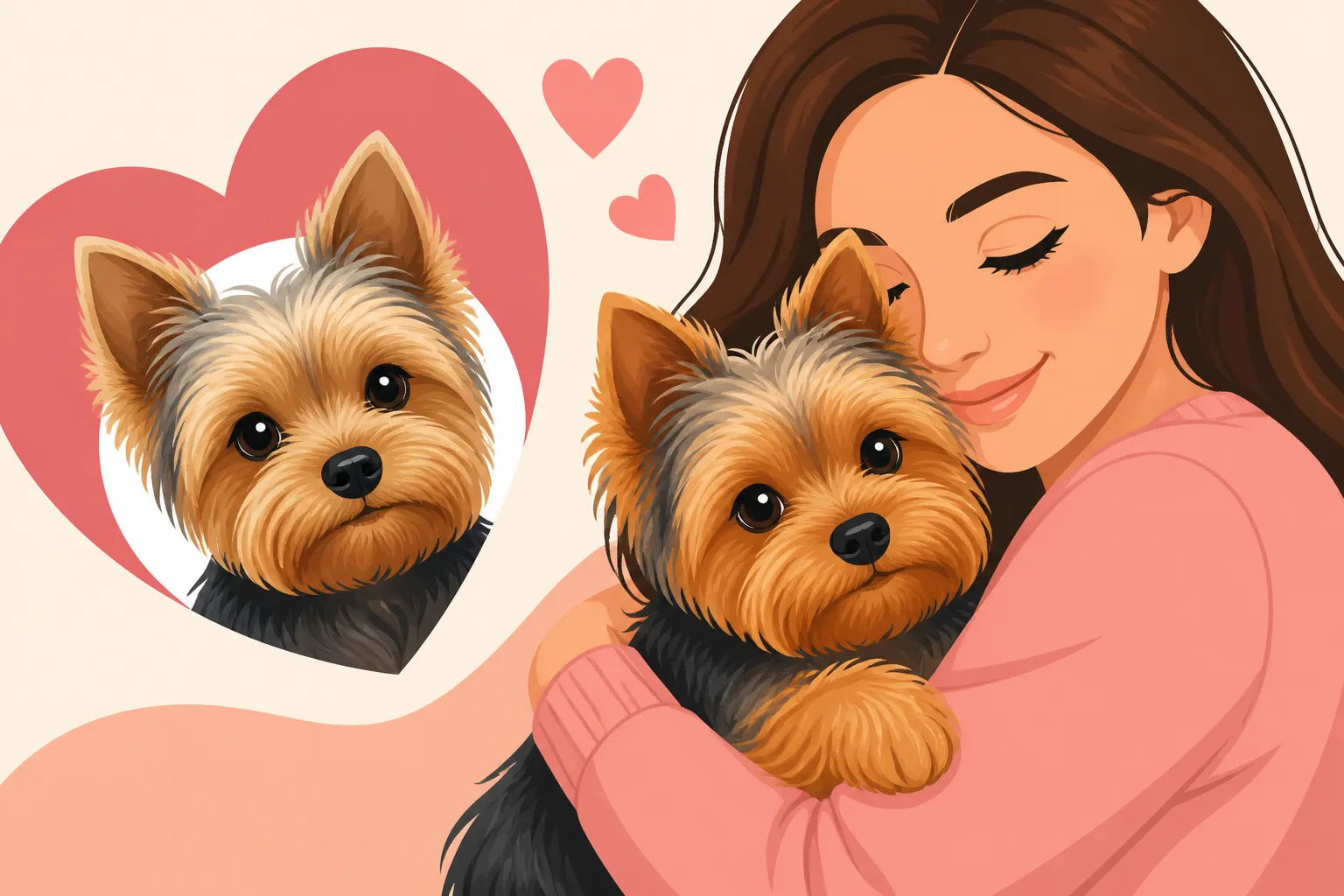
Yorkshire Terriers might be small, but they pack a huge personality, and a significant part of that personality often includes a deep capacity for affection. While they definitely have their independent, terrier moments, many Yorkies absolutely thrive on close physical contact with their beloved humans.
More Than Just Lapdogs
Despite their luxurious coats and dainty appearance, Yorkies were originally bred as working dogs in the mines and mills of Yorkshire, England, tasked with catching rats. This history instilled in them a spirited, tenacious, and often brave demeanor. It’s this very spark that sometimes makes people wonder if they're too busy being "terriers" to enjoy a good snuggle. However, their small stature also meant they were often close companions to their human handlers, a tradition that has continued to this day. They often bond incredibly closely with their families, sometimes even developing what owners lovingly call "Velcro dog" tendencies, wanting to be wherever you are. This strong bond naturally translates into a desire for physical closeness and comfort. They might not always want to be cradled like a baby, but they'll often happily curl up on your lap, burrow under a blanket next to you on the couch, or even try to squeeze onto your pillow at night. It's their way of feeling secure, loved, and part of the pack. If you've ever wondered Why Do Yorkies Follow You Everywhere, their affectionate and loyal nature is a huge part of the answer!
The Importance of Early Socialization
Just like with any dog, a Yorkie’s willingness to cuddle and be physically affectionate can be profoundly shaped by their early experiences. A well-socialized Yorkshire Terrier puppy, exposed to gentle handling, various sights, sounds, and positive interactions with people from a young age, is far more likely to grow into a confident and outwardly affectionate adult. If a puppy hasn't had consistent, positive exposure to touch or has been handled roughly, they might be more reserved or even anxious about physical contact. Think of it like this: if every time someone reached for you, it was startling or unpleasant, you'd likely become wary. The same applies to puppies. Reputable breeders and early puppy parents understand this, often engaging in gentle desensitization exercises, like touching paws, ears, and mouths, to make future grooming and veterinary visits easier, and to simply build a positive association with human touch. This groundwork is essential for fostering a future cuddle bug. For more on this, check out our guide on How to Socialize a Yorkie Puppy.
Factors Influencing a Yorkie's Cuddliness
It's important to remember that every Yorkie is an individual. While the breed as a whole tends to be affectionate, there's a wide spectrum of personalities, and several factors can influence just how much your particular Yorkie enjoys a good snuggle.
Individual Personality and Temperament
You could have two Yorkies from the same litter, raised in the same home, and they could still have completely different preferences when it comes to cuddling. One might be a total lap dog, practically melting into your arms, while the other prefers to sit near you but maintains a bit more personal space. This is all down to individual temperament and personality, which can vary widely even within the breed. Some Yorkies are naturally more outgoing and crave constant attention, while others are a bit more reserved or have an independent streak that's typical of terriers. Don't take it personally if your Yorkie isn't a constant shadow; it doesn't mean they love you any less. It simply means their way of expressing affection might be different. They might prefer to play fetch, follow you from room to room, or simply rest their head on your foot. Understanding your Yorkie's unique Yorkshire Terrier Temperament and Personality is key to building a strong bond.
Past Experiences and Trauma
For Yorkies adopted from rescues or those with an unknown history, past experiences can significantly impact their willingness to cuddle. A dog who has experienced neglect, abuse, or simply a lack of consistent, positive human interaction may be hesitant to engage in physical affection. They might be fearful, shy, or guarded. In these cases, patience, gentle reassurance, and a consistent, loving environment are paramount. You'll need to work on building trust slowly, letting them come to you on their own terms, without forcing interaction. Every small step, like them choosing to sit closer to you or accepting a gentle pat, is a huge victory. Over time, with enough love and positive reinforcement, even the most timid rescue Yorkie can blossom into an incredibly affectionate companion. Many online retailers like Chewy offer calming treats or diffusers that can help anxious dogs feel more at ease in their new environment, making them more open to bonding.
Age and Health Considerations
A Yorkie's age and overall health play a crucial role in their desire and ability to cuddle. Puppy Yorkies, while often bundles of energy, also need a lot of comfort and security, making them generally quite cuddly, especially during naps. As they mature, their energy levels might lead to more playful interaction over passive snuggles. Then, as they enter their senior years, many Yorkies tend to become more sedentary and seek out comfort, making them prime candidates for long cuddle sessions. An older Yorkie might appreciate the warmth and security of being close to you more than ever.
However, health issues can dramatically change a Yorkie's desire for physical contact. A dog experiencing pain, discomfort, or illness will often withdraw and avoid being touched, especially in sensitive areas. For instance, if your Yorkie has a condition like Yorkshire Terrier Patellar Luxation: Signs and Care or another ailment, being picked up or having certain spots touched could be painful. If your typically cuddly Yorkie suddenly becomes avoidant or even snappy when you try to touch them, it's a strong indicator that something might be wrong. Always consult your vet if you notice a sudden change in their behavior, as it could be one of the Signs Your Yorkshire Terrier Is Sick. Our Yorkshire Terrier Senior Care Guide also offers valuable insights into understanding the changing needs of older Yorkies.
Understanding Your Yorkie's Cues for Affection
Learning to read your Yorkie's body language is fundamental to understanding their true feelings about cuddling. Consent is just as important for dogs as it is for humans, and a truly strong bond is built on respect for their boundaries.
Reading Body Language
Yorkies, like all dogs, communicate primarily through their body language. When it comes to cuddling, they will give you clear signals about whether they're enjoying the interaction or if they'd prefer some space.
Signs your Yorkie wants to cuddle or is enjoying it:
- Relaxed posture: Their body will be soft, not stiff. They might lean into you or even melt into your lap.
- Slow tail wag: A gentle, relaxed wag (not a frantic, excited one) often indicates contentment.
- Soft eyes: Their eyes will be almond-shaped, not wide or staring, and may even be half-closed in bliss.
- Leaning or pressing: They might lean their entire body against yours, or press their head into you.
- Gently nuzzling: Using their nose to push against you or burrow into your arm.
- Licking (gentle): A few soft licks, often on your hand or arm, can be a sign of affection.
- Sighing: A contented sigh, especially as they settle down, means they're comfortable.
Signs your Yorkie wants space or is uncomfortable:
- Stiff body: Their muscles might be tense, or they might appear rigid.
- Lip licking or yawning (out of context): These are common signs of stress or discomfort in dogs.
- Turning head away: If they actively turn their head or body away from your touch.
- Ears flattened or back: Pulled-back ears can indicate anxiety or fear.
- Whites of eyes showing (whale eye): If you see a lot of the whites of their eyes, they're likely stressed.
- Attempting to move away: Physically trying to squirm out of your arms or move to another spot.
- Growling or snapping: These are clear warnings that they need space immediately.
- Submissive urination: If they pee when approached for cuddling, it's a sign of extreme stress or fear, not affection.
Paying attention to these subtle cues will help you respond appropriately and build a deeper bond based on mutual understanding.
Creating a Cuddle-Friendly Environment
To encourage your Yorkie to cuddle, you need to create a space where they feel safe, secure, and comfortable seeking out physical closeness. This isn't just about forcing them onto your lap; it's about making the environment appealing for cuddles on their terms.
One of the easiest ways to do this is by having designated comfort spots. A soft, plush dog bed with high sides can make them feel secure, especially if it's placed near where you spend a lot of time, like next to your sofa or bed. Many Yorkies love to burrow, so providing soft blankets or a covered bed from retailers like Chewy can be incredibly inviting. Consider the temperature too; Yorkies have thin coats and can get chilly, so a warm spot near a radiator or a heated dog bed can be a magnet for snuggles on a cold day. When you sit down, gently invite your Yorkie to join you, patting the spot next to you. If they come, praise them softly and allow them to settle in without immediately scooping them up. Sometimes, just the presence of you being still and quiet is enough to encourage them to relax nearby and eventually lean in for a cuddle. Our guide on Best Bed for a Yorkshire Terrier can help you pick the perfect spot for your furry friend.
| Sign | Yorkie Wants to Cuddle | Yorkie Needs Space |
|---|---|---|
| Body Posture | Relaxed, leaning in, melting | Stiff, tense, pulling away |
| Tail | Slow, gentle wag, relaxed | Tucked, rigid, no wag |
| Eyes | Soft, half-closed, squinting | Wide, "whale eye" (whites showing) |
| Mouth | Relaxed, sometimes gentle licks | Lip licking, yawning (stress), tense |
| Ears | Relaxed, natural position | Flattened back, pinned down |
| Movement | Nuzzling, seeking contact | Trying to move away, ducking |
| Sounds | Contented sighs, soft grunts | Growling, whining, sharp barks |
Encouraging Cuddling and Building Deeper Bonds
If your Yorkie isn't a natural cuddle monster, don't despair! There are many ways to encourage this behavior and build a stronger, more affectionate bond over time. Remember, it's about building trust and positive associations.
Positive Reinforcement and Gentle Handling
The foundation of encouraging any desired behavior in dogs, including cuddling, is positive reinforcement. Never force your Yorkie to cuddle if they're not receptive; this will only create negative associations and potentially make them more resistant. Instead, when your Yorkie chooses to come near you, rest their head on your lap, or lean against your leg, offer soft praise, gentle strokes (in areas they enjoy, often behind the ears or on the chest), and maybe a small, high-value treat. Brands like Chewy offer a variety of tiny, palatable training treats perfect for Yorkies. This teaches them that coming close and being still is a pleasant experience.
Start with very short sessions. If they tolerate a minute of gentle petting on your lap, release them and give them a treat. Gradually increase the duration as they become more comfortable. Always use a calm, soothing voice. If you're picking them up, do so gently and securely, supporting their small body. Avoid surprising them or grabbing them abruptly. The goal is for them to associate your touch and presence with comfort and safety. Consistency is key here; every positive, gentle interaction reinforces that you are a source of comfort and love. Learn more about effective techniques in our article on Positive Reinforcement Training for Yorkies.
Daily Routines and Quality Time
Integrating cuddle opportunities into your daily routine can make a huge difference. Think about the quiet moments in your day:
- Morning Wake-Up: Instead of immediately rushing out of bed, take a few minutes to gently greet your Yorkie. They might enjoy a slow stretch and some soft petting while still cozy under the covers.
- Evening Wind-Down: As you settle on the couch to watch TV or read, invite your Yorkie to join you. This is a prime time for relaxed snuggles, especially if they're naturally inclined to wind down when you do.
- Grooming Sessions: Brushing your Yorkie's beautiful coat, cleaning their eyes, or gently checking their ears can all be bonding experiences. Make these times calm and positive, using soft praise and gentle movements. Even if they don't love every part of grooming, a treat afterward can help. Our Yorkshire Terrier Grooming Guide provides many tips for making this a positive experience.
- Quiet Play: Engage in gentle play sessions with toys they love. After a good play, they might be more inclined to settle down next to you.
Remember that affection isn't just about cuddling. Spending quality time with your Yorkie, whether it's through gentle play, training, or simply being in the same room, strengthens your bond immensely. For example, our Yorkshire Terrier Daily Care Routine highlights many ways to interact positively with your Yorkie throughout the day. A strong, loving bond built on trust and consistent positive interactions is often the precursor to a wonderfully cuddly companion. Some Yorkies, especially those prone to Yorkshire Terrier Separation Anxiety, may be extra keen on cuddling as a way to feel secure and close to their favorite person.
Disclaimer
This article is intended for informational purposes only and does not constitute professional veterinary advice. Always consult with a qualified veterinarian for any health concerns or before making any decisions about your pet's health or treatment.