Yorkshire Terrier Do They Shed
It’s a question almost every prospective Yorkshire Terrier owner asks, often with a hopeful glint in their eye: "Do Yorkies shed?" The truth is, while no dog is entirely shed-free (even humans lose hair!), Yorkshire Terriers are renowned for shedding significantly less than most breeds. This guide will dive deep into what makes a Yorkie's coat so unique, what "shedding" actually means for this tiny breed, and how you can best care for their beautiful, flowing locks.
Understanding the Yorkshire Terrier Coat
Yorkshire Terriers are often lauded for being "hypoallergenic," and while that term can be a bit misleading, it largely stems from their distinct coat type. It's not fur, but rather hair, much like human hair. This fundamental difference is key to understanding their minimal shedding.
Hair Versus Fur: The Key Difference
When we talk about dogs, the distinction between "hair" and "fur" is crucial. Most dogs have a double coat consisting of an undercoat of soft, dense fur for insulation and a topcoat of coarser guard hairs. This fur grows to a certain length, dies, and then sheds in cycles, often in large quantities, especially seasonally. Think of the fluffy tumbleweeds you might find under the couch if you own a Golden Retriever or a Husky.
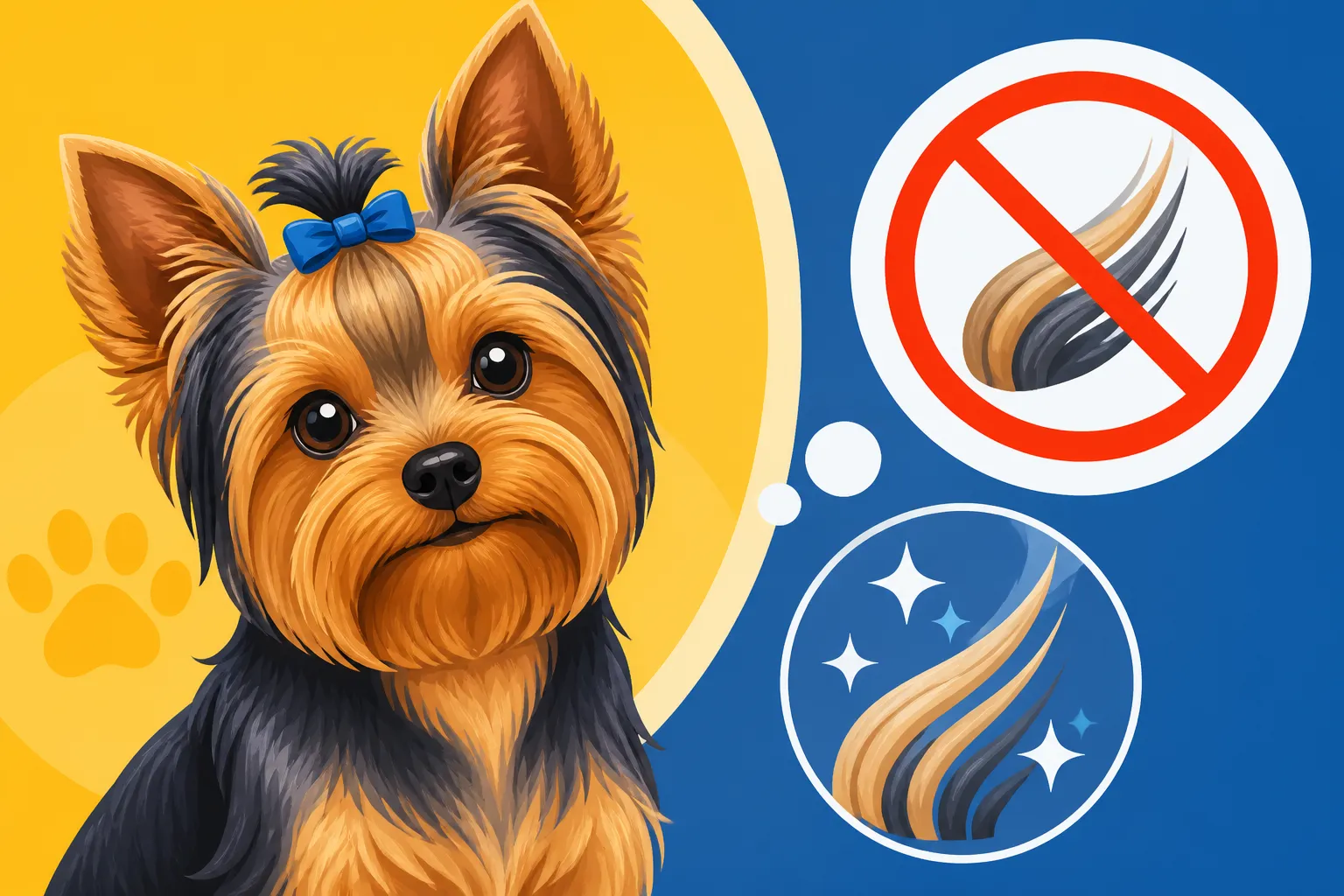
Yorkshire Terriers, on the other hand, possess a single coat of fine, silky hair that is remarkably similar in texture and growth pattern to human hair. This hair continues to grow throughout their lives, rather than shedding out in seasonal bursts. Instead of falling out en masse, individual strands of hair shed only when they reach the end of their growth cycle, much like your own hair. These fallen hairs tend to get caught within the surrounding longer strands rather than dropping to the floor, which is why you see less loose hair around the house. This unique characteristic is a huge relief for many owners, especially those who prefer a cleaner home or suffer from allergies. It’s truly one of the most delightful aspects of living with a Yorkie!
The Hypoallergenic Misconception
The term "hypoallergenic" gets thrown around a lot when discussing breeds like the Yorkshire Terrier, and it can create a bit of a misunderstanding. No dog is 100% hypoallergenic, as all dogs produce dander, saliva, and urine proteins that can trigger allergies. However, breeds with hair like the Yorkie are considered more allergy-friendly precisely because they shed so minimally.
Since their hair doesn't fall out in clumps and is often caught in their existing coat, less dander is released into the environment. Dander, which is essentially dead skin cells, is the primary culprit behind most pet allergies, not the hair itself. So, while a Yorkie isn't a magical cure for allergies, they drastically reduce the amount of allergens circulating in your home, making them a fantastic choice for many allergy sufferers. This characteristic is a huge selling point and often why families specifically seek out this charming breed. If you're managing pet allergies, focusing on low-shedding breeds like Yorkies is a smart strategy to create a more comfortable home environment.
Growth Cycle of Yorkie Hair
A Yorkie's hair grows through a much longer anagen (growth) phase compared to dogs with fur. This means individual hairs stay attached to the follicle for a more extended period before entering the telogen (resting) phase and eventually falling out. This prolonged growth cycle is why their hair can grow quite long if left untrimmed, sometimes even trailing on the ground for show dogs!
This continuous growth is fantastic for minimizing shedding, but it does come with its own set of responsibilities, mainly in terms of grooming. Because the shed hair tends to get tangled in the growing hair, regular brushing is absolutely non-negotiable to prevent mats and keep their coat healthy and shiny. Without consistent care, those shed hairs can quickly form painful knots, which can then lead to skin irritation. It’s a trade-off: less shedding means more dedicated grooming, but for many, it's a worthwhile exchange for fewer allergens and a cleaner living space. This is a critical aspect to understand when considering the Yorkshire Terrier Daily Care Routine.
What Little Shedding You Might Notice
Even though Yorkies are low-shedding, you will still encounter some hair loss. It's important to differentiate between normal hair turnover and excessive shedding, which could signal an underlying health issue.
Normal Hair Loss
Just like humans, Yorkies naturally lose individual strands of hair. Every hair follicle has a life cycle, and eventually, that hair will detach to make way for new growth. For a Yorkie, this means you might find a few stray hairs on your clothes, furniture, or in their bed, but nothing comparable to the amount left by a heavily shedding breed. This is completely normal and expected.
The key difference is the volume and timing of the shedding. Instead of large amounts of hair coming out all at once, you’ll typically notice just a few strands here and there. Regular brushing is your best friend here, as it helps remove these loose hairs before they have a chance to fall out and become embedded in your carpets or upholstery. Think of it as preventative maintenance for your home and your Yorkie’s coat. A good daily brush can dramatically reduce the appearance of even this minimal shedding.
Shedding Due to Health Issues
While minimal shedding is the norm for Yorkies, any sudden increase in hair loss or the appearance of bald patches should be a red flag. Excessive shedding can be a symptom of various health problems that require veterinary attention. For example, skin allergies, parasitic infections (like fleas or mites), fungal infections, or even hormonal imbalances can all manifest as changes in coat quality and shedding. Stress or anxiety can also contribute to temporary hair loss, just as it can in people.
If you notice your Yorkie's coat thinning, dry patches, excessive scratching, or dullness, it's time for a trip to the vet. These signs can be indicative of Yorkshire Terrier Health Problems to Know and shouldn't be ignored. Early diagnosis and treatment are crucial to get your pup back to their healthy, shiny self. It's always better to be proactive when it comes to your pet's well-being.
Environmental Factors Affecting Hair
Beyond health issues, several environmental factors can influence the condition of your Yorkie’s hair and, consequently, how much you perceive they are "shedding." Dry indoor air, particularly during winter months when heating systems are running, can make a Yorkie's skin dry and itchy, leading to more scratching and hair breakage. Think of it like your own skin and hair in dry weather – it just feels more brittle.
Similarly, an inadequate diet lacking essential nutrients can result in a dull, brittle coat that breaks easily. Exposure to harsh shampoos or irregular bathing can strip natural oils, further compromising hair health. Even psychological stress from changes in routine or environment can contribute. Ensuring your home environment is comfortable and your Yorkie is happy can indirectly help maintain their gorgeous coat.
Managing Yorkie Hair and Minimizing Loss
The good news is that what little shedding a Yorkie does is highly manageable with a consistent care routine. Proper grooming, a nutritious diet, and overall good health practices are your trifecta for maintaining a magnificent Yorkie coat.
Regular Grooming is Essential
This is, without a doubt, the most important aspect of Yorkie coat care. Because their hair continuously grows and shed hairs get caught in the surrounding coat, daily brushing is non-negotiable to prevent matting. Mats are not just unsightly; they can be incredibly painful, pulling on the skin and leading to infections. A good quality slicker brush and a metal comb are your essential tools.
When brushing, always be gentle, working through small sections of hair. Pay particular attention to areas prone to tangles, like behind the ears, under the legs, and around the collar or harness area. Regular bathing, typically every 2-3 weeks, with a high-quality shampoo and conditioner specifically formulated for dogs, also helps keep their coat clean, free of loose hairs, and healthy. For a full breakdown of what's involved, check out our guide on How to Groom a Yorkshire Terrier at Home. Many owners also opt for professional grooming every 4-6 weeks to maintain a manageable length and keep their Yorkie looking sharp, especially if they prefer a shorter cut. You can find excellent grooming supplies and professional services through retailers like Chewy.
Diet and Nutrition for a Healthy Coat
What goes into your Yorkie’s body directly impacts the health of their coat. A high-quality diet rich in omega-3 and omega-6 fatty acids, along with essential vitamins and minerals, is paramount for a healthy, shiny coat and strong hair follicles. Look for dog foods that list real meat as the first ingredient and contain sources of healthy fats like fish oil or flaxseed.
Poor nutrition can lead to dry, brittle hair, excessive breakage, and even dullness. If your Yorkie is on a diet that doesn't quite measure up, you might notice their coat isn't as luxurious as it could be. Sometimes, even with a good diet, specific supplements like fish oil can provide an extra boost for skin and coat health. Always consult your vet before adding supplements, though! For a detailed look at what to feed your furry friend, consider reading our comprehensive article on Best Dog Food for Yorkshire Terriers. High-quality brands found on Chewy often offer excellent options tailored to small breeds and coat health.
Maintaining Overall Health
A healthy Yorkie will naturally have a healthier coat and less problematic hair loss. Regular veterinary check-ups are vital for catching any potential health issues early, including those that could affect their skin and hair. This includes routine parasite control to prevent fleas, ticks, and mites, which can cause intense itching and subsequent hair loss.
Stress reduction, appropriate exercise, and a clean living environment also play a role. A happy, healthy Yorkie is less likely to exhibit stress-related shedding or develop skin conditions. Remember, their coat is often a good indicator of their overall internal health, so paying attention to changes in its condition can give you valuable insights into your pet's well-being. Keeping them healthy is truly the best way to keep their coat looking its best. Our guide on How to Keep a Yorkshire Terrier Healthy offers more in-depth advice.
Common Questions About Yorkie Hair
There are a few recurring questions that often pop up when discussing Yorkshire Terrier hair, especially for new owners. Let's tackle some of the most frequent ones to clarify any lingering doubts.
Do Yorkies Need Haircuts?
Absolutely, yes! Since a Yorkie’s hair grows continuously, haircuts are essential for hygiene, comfort, and aesthetics. If left untrimmed, their hair can become extremely long, dragging on the ground, collecting debris, and getting tangled easily. This can lead to mats, skin infections, and general discomfort for your dog. Imagine trying to navigate the world with hair constantly getting in your eyes or under your feet!
Most Yorkie owners choose to keep their dog in a "puppy cut" or a similar short, manageable style. This involves trimming the body hair to a few inches and keeping the face tidy. Regular trims around their eyes and sanitary areas are particularly important. A trim every 4-8 weeks, depending on the desired length and growth rate, is usually sufficient. This ensures their hair remains clean, comfortable, and less prone to matting. You can explore different styles in our article on Yorkshire Terrier Coat Care and Haircuts.
How to Reduce Allergens from a Yorkie
While Yorkies are low-shedding and often tolerated by allergy sufferers, it's possible to further minimize allergens in your home. The main goal is to reduce dander, which is the primary allergen.
Here’s a practical table for managing allergens:
| Action | Description | Impact on Allergens |
|---|---|---|
| Regular Brushing | Daily or every other day brushing to remove loose hair and dander, preferably outdoors or with a specialized grooming vacuum attachment. | Significantly reduces the amount of dander released into your home environment. |
| Frequent Bathing | Bathing your Yorkie every 2-3 weeks with a gentle, moisturizing, anti-allergen shampoo (available at stores like Chewy) to wash away dander and allergens. | Directly removes dander, pollen, and other environmental allergens from the coat. |
| HEPA Air Purifiers | Running high-efficiency particulate air (HEPA) purifiers in rooms where your Yorkie spends the most time. | Filters airborne dander and other microscopic allergens, improving air quality. |
| Vacuuming & Cleaning | Vacuuming carpets and upholstery frequently with a HEPA filter vacuum. Washing dog beds and soft furnishings regularly. | Removes settled dander and allergens from surfaces, preventing them from becoming airborne again. |
| Designated "No-Dog" Zones | Establishing certain areas of your home (e.g., bedrooms) as off-limits for your Yorkie, especially for individuals with severe allergies. | Creates allergen-free sanctuaries for allergy sufferers to rest and recover. |
| Hand Washing | Washing hands immediately after handling your Yorkie. | Prevents the transfer of dander and allergens to your face, eyes, and other surfaces. |
By implementing these strategies, you can create a more comfortable environment for everyone, especially those sensitive to pet allergens. Even though Yorkies are a great choice for many, a little extra effort can go a long way in managing Yorkie Allergies: Signs and Relief for human family members.
Disclaimer
The information provided in this guide is for general informational purposes only and does not constitute veterinary advice. Always consult with a qualified veterinarian for any health concerns or before making any decisions about your pet's health or treatment.