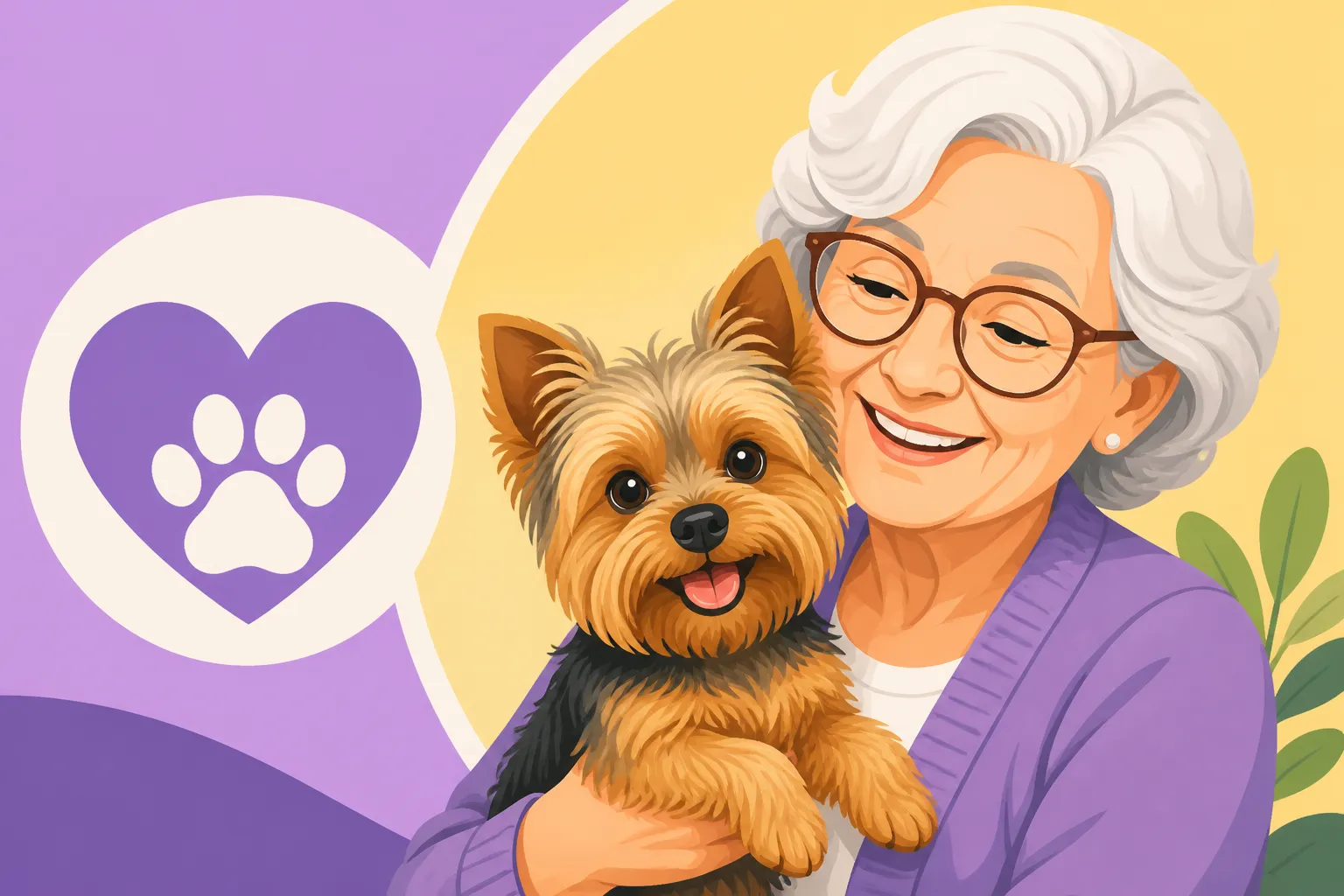
Yorkshire Terrier for Seniors
It's no secret that as we age, the desire for companionship often grows, and for many, a furry friend fills that void beautifully. However, finding the right dog breed can feel like a daunting task, especially when considering factors like mobility, energy levels, and long-term care needs. If you’re a senior contemplating adding a four-legged family member to your life, this guide is here to walk you through everything you need to know about welcoming a Yorkshire Terrier into your home.
Why Yorkshire Terriers Can Be Wonderful Companions for Seniors
Yorkshire Terriers, often affectionately called Yorkies, might be small in stature, but they’re giants when it comes to personality and companionship. For seniors, their unique blend of characteristics makes them an incredibly appealing choice. It's about finding a dog that fits seamlessly into your lifestyle, offering joy without overwhelming you with demands.
Their Manageable Size and Weight
One of the most immediate benefits of a Yorkie for seniors is their small size. Typically weighing between 4 to 7 pounds, these little dogs are incredibly easy to handle. This is a huge relief compared to trying to manage a larger, stronger dog, especially if you have any physical limitations or concerns about being pulled off your feet. Imagine the ease of picking up your Yorkie for a cuddle, carrying them safely through a crowded area, or even comfortably lap-sitting during an evening of reading.
Their compact nature also means they fit well into smaller living spaces, like apartments or condos, without feeling cooped up. You won't need a huge yard for them to stretch their legs, making them ideal for urban dwellers or those downsizing their homes. For traveling seniors, their small size often makes them easier to accommodate on planes or in pet-friendly hotels, as they can usually fit into a carrier under an airline seat. This portability offers a wonderful sense of freedom, ensuring your beloved companion can join you on many adventures, big or small.
Affectionate and Loyal Nature
Yorkies are renowned for their intensely affectionate and loyal personalities. They form deep bonds with their owners and thrive on being close to their human companions. This isn’t just a superficial attachment; many Yorkie owners describe their dogs as miniature shadows, following them from room to room, eager for attention and connection. For seniors who may experience loneliness or a reduced social circle, a Yorkie’s unwavering devotion can be incredibly comforting.
They are true lap dogs at heart, often seeking out a warm spot right next to you for a nap or a long snuggle. This constant, gentle presence can provide immense emotional support, reducing stress and fostering a sense of purpose. It’s a reciprocal relationship: you provide love and care, and they return it tenfold with their delightful antics, soft gazes, and endless affection. This emotional bond is truly the cornerstone of why a Yorkie can be such a perfect match for a senior seeking a loving companion.
Moderate Exercise Requirements
Unlike some high-energy breeds that demand hours of vigorous activity, Yorkshire Terriers have relatively moderate exercise needs, making them perfectly suited for a senior’s lifestyle. A couple of short walks around the neighborhood each day, perhaps 15-20 minutes each, are usually sufficient to keep them happy and healthy. This gentle exercise regime is often ideal for seniors who may have limited mobility or prefer a slower pace.
Beyond outdoor strolls, Yorkies are quite content with indoor playtime. Chasing a favorite toy down a hallway, engaging in a game of tug-of-war, or even a good session of fetch in the living room can effectively burn off their energy. This flexibility means that even on days with inclement weather or when you're not feeling up to a long walk, your Yorkie can still get the mental and physical stimulation they need without requiring you to exert yourself unduly. It’s a wonderful balance that ensures both owner and dog can enjoy their daily routine without strain.
Understanding the Unique Needs and Potential Challenges
While Yorkies offer many benefits, it’s also important to go into ownership with a realistic understanding of their specific needs and potential challenges. Being prepared for these aspects ensures a smoother, happier experience for both you and your new furry friend.
Fragility and Injury Risk
One of the most significant considerations for a small breed like a Yorkie is their inherent fragility. Their delicate bone structure, particularly when they are puppies or very small adults, makes them susceptible to injuries from drops, rough play, or even jumping off high furniture. A simple misstep from a couch or bed can lead to a broken leg or other serious injury. This isn't meant to cause alarm, but rather to highlight the need for constant vigilance and creating a safe environment.
Preventative measures are key. Consider investing in pet stairs or ramps for furniture your Yorkie might want to access, like the sofa or your bed. Always supervise them, especially around children or other pets, to prevent accidental roughhousing. When picking them up, always support their chest and hindquarters firmly. Understanding these risks can help prevent heartbreaking accidents, ensuring your little companion stays safe and sound. For more information on preventing common orthopedic issues, you might find our guide on How to Prevent Luxating Patella in Yorkies useful.
Grooming Needs and Coat Care
Yorkshire Terriers are renowned for their beautiful, silky coats, which are often compared to human hair. While stunning, this exquisite coat requires diligent and regular grooming to keep it healthy and free of mats. Many senior owners may find the daily brushing and regular bathing to be a more significant commitment than anticipated. If not properly maintained, their long hair can quickly tangle, leading to painful mats that can pull on their skin and cause infections.
A typical grooming routine involves daily brushing to remove loose hair and prevent tangles, bathing every 1-2 weeks with a good quality shampoo and conditioner, and regular trims. Many owners opt for professional grooming every 4-6 weeks to manage the coat, especially if they prefer a shorter, more manageable "puppy cut" style. This can be a significant ongoing expense, but for seniors who might struggle with the physical demands of grooming, it's a worthwhile investment. Brands like Chewy offer a wide range of grooming supplies, from brushes to gentle shampoos, that can help you maintain their coat between professional visits. You can learn more about managing their coat in our Yorkshire Terrier Coat Care and Haircuts guide.
Health Concerns Specific to Yorkies
Like all purebreds, Yorkshire Terriers are prone to certain breed-specific health conditions that seniors should be aware of. These can include dental disease, patellar luxation (a dislocating kneecap), tracheal collapse (a breathing issue common in small breeds), and hypoglycemia, especially in puppies. While these conditions are not guaranteed, they are more prevalent in Yorkies and can lead to significant veterinary costs and ongoing care. For a deeper dive into potential health issues, check out our comprehensive article on Yorkshire Terrier Health Problems to Know.
For example, dental disease is incredibly common in Yorkies due to their small mouths, often requiring regular professional cleanings. This can be managed with consistent home dental care and routine vet visits, but it’s a commitment. Similarly, if your Yorkie develops patellar luxation, they may require surgery. Being prepared for these possibilities, both emotionally and financially, is crucial. Considering pet insurance for Yorkshire Terriers from companies like Embrace or Healthy Paws could be a wise decision to help mitigate unexpected veterinary expenses, as even routine care can add up quickly.
Practical Adjustments for a Harmonious Home Life
Creating an environment that caters to both your needs as a senior and your Yorkie’s specific requirements is essential for a happy and harmonious household. Small adjustments can make a world of difference in preventing accidents and streamlining daily care.
Creating a Safe and Accessible Environment
The delicate nature of a Yorkie means that your home environment needs to be thoughtfully adapted for their safety. High furniture like beds and couches can be dangerous jumping-off points, so consider adding pet stairs or ramps. These allow your Yorkie easy access to their favorite snuggle spots without the risk of injury. Additionally, securing loose electrical cords, blocking off staircases with sturdy pet gates, and ensuring small, swallowable items are out of reach are vital steps in puppy-proofing for even adult Yorkies.
For outdoor access, a safely enclosed yard is wonderful, but if that’s not an option, creating a designated indoor potty area can be a lifesaver, especially on days you might not be able to get out as easily. Pee pads or even an indoor grass patch can provide a convenient solution. When you do take them outside, always use a harness instead of a collar to protect their delicate trachea. A well-fitted harness, easily found on sites like Chewy, distributes pressure evenly, preventing potential injury.
Managing Daily Care with Ease
Daily care for a Yorkie doesn't have to be overwhelming. Establishing a routine can simplify feeding, grooming, and potty breaks. For feeding, consider an automatic feeder that dispenses meals at set times, ensuring consistency and taking some pressure off you. This is especially helpful if you sometimes forget meal times or have fluctuating energy levels throughout the day. You can find many reliable options on Chewy that are perfect for small breeds. Our guide on How Much to Feed a Yorkshire Terrier offers further insights into portion control and schedules.
If you anticipate challenges with regular walks or grooming, don't hesitate to seek help. Local dog walkers can provide midday breaks, and mobile groomers can come directly to your home, eliminating the need for transportation. If you need assistance with medication administration, your vet or a trusted pet sitter can offer guidance or support. Remember, a support system isn't a sign of weakness; it's a smart way to ensure your Yorkie receives the best care while keeping your own well-being in mind.
Financial Planning for Yorkie Ownership
Bringing a Yorkie into your life involves a financial commitment that extends beyond the initial purchase price. Seniors often live on fixed incomes, so understanding these ongoing costs is crucial. Expect expenses for high-quality dog food, regular veterinary check-ups, vaccinations, parasite prevention, and grooming. As mentioned, breed-specific health issues can sometimes lead to unexpected and costly treatments.
A smart approach to budgeting for your Yorkie involves setting aside an emergency fund specifically for pet care. This can cover unforeseen illnesses or accidents. Additionally, exploring pet insurance options early on can provide peace of mind. Policies vary, but many can help cover a significant portion of emergency care, surgeries, and even some routine wellness visits, making unexpected vet bills less of a burden. Our article on Yorkshire Terrier Vet Costs and Health Budget provides a detailed breakdown of what to expect financially over your Yorkie's lifespan.
| Category | Estimated Monthly Cost Range | Key Considerations |
|---|---|---|
| Food | $20 – $50 | High-quality small breed kibble, wet food, or fresh food. |
| Treats & Chews | $10 – $25 | Training treats, dental chews. |
| Grooming (DIY) | $5 – $15 | Shampoo, conditioner, brushes, nail clippers. |
| Grooming (Pro) | $60 – $100 (every 4-6 weeks) | Essential for long coats or if mobility is an issue. |
| Preventatives | $15 – $30 | Flea, tick, heartworm medication. |
| Vet Visits (Routine) | $10 – $20 (annual cost avg.) | Annual check-ups, vaccinations, dental check. |
| Supplies | $5 – $15 | Toys, potty pads, waste bags, new bed occasionally. |
| Pet Insurance (Optional) | $25 – $70 | Varies by plan, age, location. Critical for peace of mind. |
| Emergency Fund (Savings) | $20 – $50+ | Crucial for unexpected illnesses or accidents. |
Note: These are estimated ranges and can vary widely based on location, brand choices, and individual pet needs.
Nurturing a Well-Behaved Yorkie Through Training and Care
Even though they're small, Yorkies benefit immensely from consistent training and socialization. A well-behaved Yorkie is a joy to live with, and training can be a wonderful bonding experience for seniors and their pets.
Positive Reinforcement Training Techniques
Yorkies are intelligent dogs, but they can also be a bit stubborn. The key to successful training, especially for seniors, is using positive reinforcement methods. This means rewarding desired behaviors with treats, praise, or toys, rather than relying on harsh corrections. Keep training sessions short, fun, and consistent – perhaps 5-10 minutes a few times a day. This approach is not only more effective but also gentler on both you and your dog.
Focus on basic commands like "sit," "stay," "come," and "leave it." These aren't just tricks; they are vital for safety and managing your Yorkie's behavior in everyday situations. For instance, a solid "come" command is invaluable if your Yorkie slips out the door. House training is another critical area; Yorkies can be notoriously difficult to potty train, so consistency, frequent potty breaks, and positive rewards are paramount. Our comprehensive guide on Yorkshire Terrier Potty Training Guide offers detailed strategies to help you succeed.
Socializing for Confidence and Calmness
Early and ongoing socialization is incredibly important for Yorkies. Without proper exposure, they can develop "small dog syndrome," leading to excessive barking, fearfulness, or even aggression towards strangers and other animals. For seniors, this can be particularly challenging to manage. Start by gently introducing your Yorkie puppy to a variety of sights, sounds, people, and other calm, vaccinated dogs. If you're adopting an adult Yorkie, take it slow and allow them to acclimate at their own pace.
Socialization doesn't have to mean trips to a bustling dog park, which can be overwhelming for small breeds. Instead, consider quiet walks in public areas, supervised playdates with trusted friends' dogs, or enrolling in a positive reinforcement puppy or obedience class. These controlled environments help build confidence and teach appropriate interactions without causing stress. A well-socialized Yorkie is a much calmer, happier companion, making life easier and more enjoyable for their senior owner.
Addressing Common Behavior Problems
Yorkies can develop certain behavioral quirks that, if not addressed, can become frustrating. Excessive barking is a common complaint, often stemming from boredom, anxiety, or a territorial instinct. For seniors, constant barking can be particularly trying. Addressing this requires understanding the root cause and then consistently applying training methods. For example, if they bark at everything outside the window, try covering the lower part of the window or redirecting their attention with a treat and a "quiet" command. You can find more targeted solutions in our article on How to Stop a Yorkie from Barking.
Separation anxiety is another prevalent issue, as Yorkies form such strong bonds with their owners. If you plan to leave your Yorkie alone for periods, even short ones, it's crucial to practice gradually increasing separation times and creating a comforting environment. A comfortable crate, a favorite toy, and background noise can help. For deep insights into this issue, our guide on Yorkshire Terrier Separation Anxiety Solutions provides practical advice. Consistency and patience are your best allies in navigating these challenges, turning potential problems into opportunities for better understanding and communication with your beloved pet.
The Profound Benefits a Yorkie Brings to Senior Well-being
Beyond companionship, owning a Yorkshire Terrier can significantly enhance the overall well-being of seniors, contributing to mental, emotional, and even physical health in tangible ways.
Boosting Mental and Emotional Health
The presence of a loving pet like a Yorkie can be a powerful antidote to loneliness, which can be a significant concern for many seniors. Their constant companionship provides a source of unconditional love and acceptance, filling a void that human interactions sometimes cannot. Just the act of stroking their soft fur can release oxytocin, a hormone known to reduce stress and promote feelings of well-being. This daily interaction fosters a sense of purpose, giving structure to your day with feeding schedules, walks, and playtime.
Having a Yorkie means there’s always someone happy to see you, always a warm presence by your side. They offer delightful entertainment with their playful antics and curious personalities, often bringing much-needed laughter into the home. This engagement helps keep the mind active and prevents feelings of isolation, promoting a more positive outlook on life. The emotional benefits of having such a devoted and cheerful little companion are truly immeasurable.
Encouraging Physical Activity
While Yorkies don't require strenuous exercise, their daily needs subtly encourage seniors to engage in more physical activity. Those short, twice-daily walks around the block might seem minimal, but they add up, providing gentle cardiovascular exercise and fresh air. Even just getting up to play with your Yorkie indoors, bending down to pet them, or reaching for their leash contributes to daily movement that might otherwise be missed. This consistent, low-impact activity can help maintain mobility, strengthen muscles, and improve overall physical health.
The routine of dog ownership provides a gentle push to stay active, even on days when motivation might be low. It’s not about intense workouts; it’s about consistent, manageable movement that can make a real difference in maintaining independence and vitality. These small bursts of activity, combined with the mental stimulation of caring for another living being, create a holistic approach to senior health that is both enjoyable and beneficial.
Fostering Social Connections
Believe it or not, a Yorkie can also be a wonderful catalyst for fostering social connections. Walking your dog naturally leads to interactions with neighbors and other dog owners. People are often drawn to their adorable appearance and friendly demeanor, making them excellent conversation starters. A simple stroll in a local park can turn into an opportunity to meet new people, share stories, and build community bonds, all thanks to your furry companion.
Beyond casual encounters, owning a dog can open doors to various pet-centric activities. You might join a local breed club, attend pet-friendly events, or frequent establishments that welcome dogs. These shared interests provide a natural platform for forming new friendships and expanding your social circle. For seniors who might find it challenging to meet new people, a Yorkie can be an unexpected social ambassador, enriching their lives not only with their own presence but also with the new connections they help create.
Disclaimer
Please remember that the information provided in this article is for general guidance and informational purposes only. It is not a substitute for professional veterinary advice. Always consult with a qualified veterinarian for any health concerns or before making any decisions related to your pet's health and well-being.