Yorkshire Terrier Hip Dysplasia: Signs and Care
It's heartbreaking to see your beloved Yorkshire Terrier struggling, especially when they're limping or showing signs of discomfort in their hindquarters. We often think of big dogs as being prone to joint issues, but these tiny bundles of joy can face similar challenges, and hip dysplasia is one of those silent concerns that can really impact their quality of life. This comprehensive guide is here to walk you through understanding hip dysplasia in Yorkshire Terriers, recognizing the signs, and exploring all the care options available to keep your furry friend as comfortable and happy as possible.
Understanding Hip Dysplasia in Yorkshire Terriers
When we talk about hip dysplasia, most people immediately picture large breeds like German Shepherds or Labradors. It can be quite a shock to learn that smaller dogs, including our precious Yorkshire Terriers, can also be affected by this condition. It's a developmental issue where the hip joint doesn't form correctly, leading to instability, pain, and eventually, degenerative joint disease or osteoarthritis. For a tiny Yorkie, who loves to run, jump, and play with such boundless energy, this condition can be particularly debilitating and frustrating for both them and their devoted human companions.
Understanding the Hip Joint Anatomy
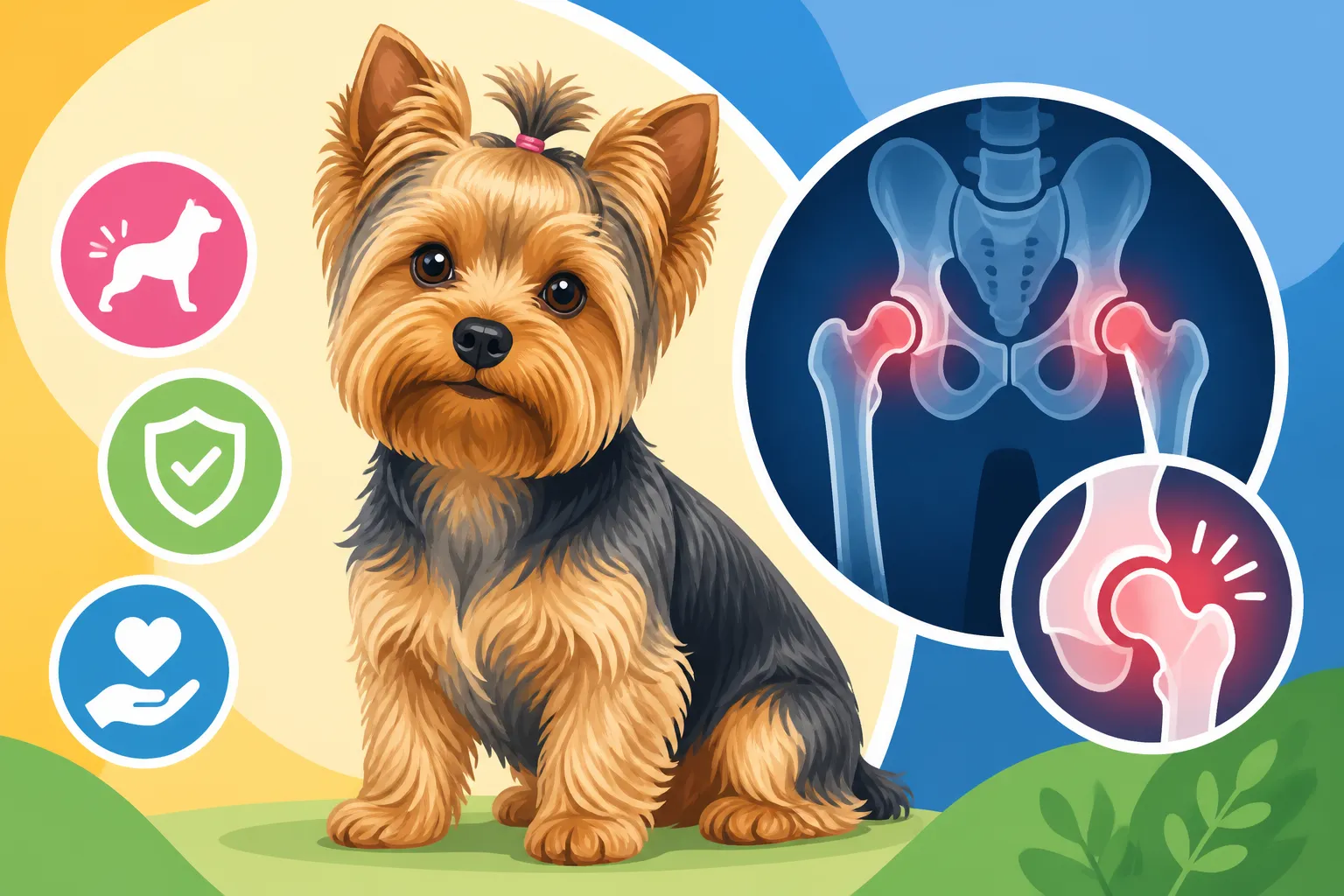
To truly grasp what hip dysplasia means, let's take a quick peek at the anatomy of a healthy dog hip. It's a classic "ball and socket" joint. The "ball" is the head of the femur (the thigh bone), and the "socket" is part of the pelvis, called the acetabulum. These two components should fit together snugly, allowing for smooth, fluid movement. The surfaces are covered with slick cartilage, and the entire joint is encased in a capsule filled with synovial fluid, which acts as a lubricant. Ligaments hold everything together, providing stability. Imagine a perfectly engineered hinge – that's what a healthy hip is like.
In a Yorkie, while everything is miniature, the principles are the same. Their tiny hips are designed for agility and quick bursts of movement. When this intricate design falters, the impact on their mobility, even with their small stature, can be significant. It’s not just about a little limp; it can lead to chronic pain and a noticeable reduction in their zest for life.
How Hip Dysplasia Develops in Small Breeds
Hip dysplasia is largely considered a genetic condition, but environmental factors also play a role. In breeds like the Yorkshire Terrier, the underlying genetic predisposition means that even with excellent care, a puppy might still develop the condition. What happens is that the "ball" and "socket" don't grow at the same rate or in perfect synchronization. The acetabulum might be too shallow, or the femoral head might be misshapen. This poor fit causes looseness in the joint (laxity).
Over time, this laxity means the ball grinds against the socket instead of gliding smoothly. This abnormal wear and tear damages the cartilage, stretches the joint capsule, and causes the body to try and stabilize the joint by laying down new bone, leading to painful bone spurs and further degeneration. It's a slow, progressive process that starts early in life, often before any outward signs are visible. While less common than in giant breeds, when it does occur in a Yorkie, it's just as serious. Factors like rapid growth, excessive exercise in puppies, poor nutrition, and even obesity can exacerbate the condition in genetically predisposed individuals, turning a mild case into a much more severe one.
Recognizing the Signs and Symptoms of Hip Dysplasia
One of the toughest parts of hip dysplasia, especially in a breed as stoic and small as a Yorkie, is catching the signs early. They are masters at hiding pain, and their diminutive size can make subtle lameness harder to notice. You might dismiss a slight limp as just a clumsy moment or a minor tweak from playing too hard. But paying close attention to their movement and behavior can make all the difference in getting them the help they need sooner rather than later. Don't beat yourself up if you missed something; it's genuinely hard to spot!
Early Indicators in Puppies and Young Yorkies
In puppies and young Yorkshire Terriers (typically from a few months old up to about a year), the signs might be very subtle, intermittent, or even appear after a burst of activity. You might notice your puppy:
- Reluctance to play or exercise: They might not want to run as much, or stop playing fetch sooner than their littermates or other dogs their age.
- Difficulty rising or lying down: A slight stiffness, or taking a moment longer to get comfortable.
- "Bunny hopping": Instead of moving their hind legs independently, they might move them together like a rabbit when running. This is a common compensatory gait.
- Lameness or limping: This might be mild and only after heavy exercise, or it could be more noticeable on one side. It might also seem to come and go.
- Reduced range of motion: You might notice they don't stretch their back legs out as far as they used to.
If you observe any of these signs, especially if they persist or worsen, it's crucial to When to Take Your Yorkie to the Vet. Early intervention, even for genetic conditions, can sometimes slow the progression or manage pain more effectively.
Later-Stage Symptoms in Adult Yorkies
As hip dysplasia progresses in adult Yorkshire Terriers, the signs often become more pronounced and persistent due to the development of osteoarthritis and increased pain. This is where it really starts to impact their daily life. You might observe:
- Chronic lameness or limping: This becomes more consistent and severe, often worse after rest or exercise.
- Visible pain: Whining, yelping, or flinching when touched around the hips or hindquarters.
- Stiffness: Especially noticeable after waking up or after long periods of inactivity. They might struggle to climb stairs or jump onto furniture.
- Muscle atrophy: A noticeable loss of muscle mass in their hind legs, making their rear look thinner compared to their front. This happens because they're not using those muscles as much due to pain.
- Reluctance to jump, run, or use stairs: They might actively avoid activities they once loved.
- Changes in gait: A "waddling" gait, swaying their hips, or shifting weight to their front legs to compensate for discomfort in the rear.
- Irritability or changes in temperament: Pain can make even the sweetest Yorkie grumpy or reactive, especially if you accidentally touch a sore spot.
If your Yorkie is showing these signs, it's a clear signal that something is seriously amiss. Don't delay in seeking veterinary attention.
Differentiating from Other Joint Issues
It's important to remember that hip dysplasia isn't the only joint problem a Yorkshire Terrier can face. Their small size makes them susceptible to a range of orthopedic issues that can present with similar symptoms, like limping or reluctance to move. This is why a thorough veterinary examination is so vital. For instance, patellar luxation, or "slipping kneecap," is incredibly common in Yorkies and can cause intermittent lameness in the hind leg. You might notice your Yorkie skipping a step or holding a leg up for a few seconds before continuing. This often looks different from the more consistent, deep-seated pain associated with hip dysplasia.
Another condition to consider is Yorkshire Terrier Legg-Calve-Perthes: a disease affecting the hip joint where the blood supply to the head of the femur is interrupted, causing the bone to die and collapse. This usually affects young, small breed dogs and causes significant pain and lameness. Other possibilities include general arthritis, soft tissue injuries, or even neurological issues that mimic lameness. A skilled veterinarian will perform a series of tests to pinpoint the exact cause of your Yorkie's discomfort, ensuring they get the right diagnosis and therefore, the most effective treatment plan.
Diagnosing Hip Dysplasia: What to Expect at the Vet
When you bring your Yorkie in with concerns about lameness or discomfort, your vet will begin a thorough diagnostic process. It's a critical step to ensure your furry family member receives the correct care, especially given how many different conditions can cause similar symptoms in these small but mighty dogs. Remember, you're not alone in feeling worried during this time, but getting a clear diagnosis is the first step toward relief for your pup.
Physical Examination and Gait Analysis
The first thing your veterinarian will do is a comprehensive physical examination. They'll observe your Yorkie walking, trotting, and even running, if possible, to perform a gait analysis. They'll be looking for any abnormalities in their stride, like "bunny hopping," favoring one leg, or a general stiffness in the hindquarters. They'll also carefully palpate (feel) your Yorkie's joints, gently manipulating their hips and knees to check for signs of pain, instability, and range of motion.
During this examination, your vet will perform specific orthopedic tests designed to detect hip laxity, such as the Ortolani sign or the Barden’s test. These tests involve carefully positioning the hip joint to feel if the femoral head slips in and out of the acetabulum. While small breed dogs like Yorkies can be tricky to assess due to their size, experienced vets are adept at these manipulations. They'll also check for muscle atrophy, which can be a strong indicator of chronic pain and disuse of certain muscle groups. It's a hands-on approach that provides crucial clues before moving to more advanced diagnostics.
The Importance of X-rays and Imaging
While the physical exam gives your vet a good idea of what might be going on, X-rays (radiographs) are the gold standard for definitively diagnosing hip dysplasia. These images allow the veterinarian to visualize the bones and joints, assessing the shape of the femoral head and acetabulum, the depth of the socket, and the degree of laxity. They can also reveal signs of osteoarthritis, such as bone spurs or joint space narrowing, which indicate the progression of the disease.
For the most accurate X-rays, your Yorkie will likely need to be sedated or given a general anesthetic. This ensures they are perfectly still and relaxed, allowing the vet to position their hips correctly for clear, diagnostic images without causing them stress or pain. This is a common procedure, and your vet will discuss any risks beforehand. The images are typically taken from different angles to provide a complete picture of the hip joint's condition. In some cases, specialized techniques like PennHIP evaluations, which measure hip laxity, might be recommended, though these are more commonly used for breeding dogs in larger breeds. For your average pet Yorkie, standard hip radiographs are usually sufficient.
Treatment and Management Options for Yorkie Hip Dysplasia
Once your Yorkie has been diagnosed with hip dysplasia, the good news is that there are many ways to manage the condition and improve their quality of life. The specific treatment plan will depend on several factors, including the severity of the dysplasia, your Yorkie's age, their overall health, and your family's circumstances. It's not a one-size-fits-all situation, and your vet will work closely with you to tailor the best approach. Knowing that options exist can bring immense relief when you're facing such a daunting diagnosis.
Conservative Management: Medications and Therapies
For many Yorkshire Terriers, especially those with mild to moderate hip dysplasia or those who aren't candidates for surgery, conservative management is the primary approach. This focuses on pain relief, reducing inflammation, protecting the joints, and maintaining muscle strength.
- Pain Relief and Anti-inflammatory Medications: Non-steroidal anti-inflammatory drugs (NSAIDs) are commonly prescribed to manage pain and inflammation. Medications like carprofen (Rimadyl), meloxicam (Metacam), or firocoxib (Previcox) can make a huge difference in your Yorkie's comfort level. Your vet will determine the appropriate dosage and monitor for any side effects. In some cases, other pain medications like gabapentin may be used in conjunction with NSAIDs.
- Joint Supplements: Chondroprotectants, such as glucosamine and chondroitin sulfate, can help support joint cartilage and slow down degeneration. Omega-3 fatty acids, often found in fish oil, have anti-inflammatory properties. Brands like Cosequin and Dasuquin are often recommended by vets. You can read more about Yorkie Joint Supplements Explained to understand the benefits.
- Physical Rehabilitation: This is becoming increasingly popular and effective. A certified canine rehabilitation therapist can develop a tailored exercise program, including hydrotherapy (swimming or underwater treadmill), therapeutic exercises, massage, and laser therapy. These therapies can help strengthen surrounding muscles, improve range of motion, and reduce pain without putting excessive strain on the joints.
- Weight Management: Keeping your Yorkie at a healthy weight is paramount. Even a few extra pounds can put significant stress on already compromised joints. Your vet can help you determine the ideal weight for your Yorkie and recommend a suitable diet plan.
Surgical Interventions: When and What to Consider
For Yorkies with severe hip dysplasia, or those who don't respond adequately to conservative management, surgical options might be considered. While the idea of surgery can be scary, for the right candidate, it can offer a permanent solution for pain and significantly improve mobility.
- Femoral Head Ostectomy (FHO): This is a common surgical procedure for small breeds like Yorkies. The surgeon removes the head and neck of the femur, eliminating the "ball" portion of the problematic joint. The body then forms a "false joint" where scar tissue develops, cushioning the area. While the leg may be slightly shorter, the pain from the bone-on-bone grinding is removed, and the muscles around the hip eventually provide stability. It's a salvage procedure that aims for a pain-free, functional limb rather than a perfectly anatomical joint. Recovery involves a period of controlled exercise and physical therapy to build muscle and ensure good range of motion.
- Total Hip Replacement (THR): While more commonly performed in larger dogs, THR is possible for smaller breeds, including some Yorkies, though it's less frequent due to the specialized implants and surgical expertise required. This procedure involves replacing both the "ball" and "socket" with artificial implants. It offers the best chance for a near-normal hip function and completely eliminates hip dysplasia pain. However, it's a more complex and expensive surgery with a longer recovery period and potential complications. You'll want to discuss this thoroughly with a board-certified veterinary orthopedic surgeon.
Understanding the financial aspect of such treatments is also crucial. Companies like Healthy Paws can offer pet insurance plans that may help cover a significant portion of these costs, making advanced medical care more accessible.
Lifestyle Adjustments and Home Care
Beyond medical and surgical treatments, the daily care you provide at home plays a huge role in your Yorkie's comfort and well-being. These adjustments are about creating an environment that supports their mobility and minimizes strain on their hips.
- Soft, Supportive Bedding: A comfortable, orthopedic bed can make a big difference, especially for older Yorkies or those with significant pain. Look for beds with memory foam that conform to their body.
- Ramps or Stairs: To prevent jumping on and off furniture, which can exacerbate hip pain, provide small ramps or pet stairs for beds and sofas. This simple change can greatly How to Protect a Yorkie's Joints.
- Non-Slip Surfaces: Hardwood, tile, or laminate floors can be slippery and make it difficult for a Yorkie with hip dysplasia to get traction, leading to falls or increased strain. Lay down rugs or carpet runners in high-traffic areas.
- Controlled Exercise: While adequate exercise is important to maintain muscle mass, it needs to be controlled. Short, frequent walks on soft surfaces are better than long, strenuous hikes. Avoid activities that involve excessive jumping, twisting, or running on uneven terrain. Your vet or rehabilitation therapist can guide you on the best exercise regimen.
- Regular Grooming and Nail Trims: Keeping nails trimmed prevents them from splaying and altering their gait, which can add stress to their joints. Regular grooming also makes it easier to inspect their body for any new lumps, bumps, or areas of sensitivity.
Living with a Yorkie with Hip Dysplasia: Long-Term Care
Living with a Yorkshire Terrier diagnosed with hip dysplasia becomes a journey of ongoing care and adaptation. It's about proactive management and understanding that your dog's needs may evolve over time. While the diagnosis can feel overwhelming, with dedication and the right strategies, your Yorkie can still enjoy a fulfilling and comfortable life. It’s about building a solid routine that supports their health every single day.
Nutritional Support and Weight Management
One of the most impactful things you can do for a Yorkie with hip dysplasia is to maintain their ideal body weight. Every extra pound puts additional stress on their already compromised joints, accelerating the progression of arthritis and increasing pain. Your veterinarian can help you determine the precise caloric needs for your individual Yorkie based on their age, activity level, and current weight. They might recommend a specialized diet formulated for weight management or joint health.
- High-Quality Diet: Focus on a balanced, high-quality dog food. Sometimes, a diet rich in omega-3 fatty acids (like those from fish oil) can help reduce inflammation naturally. Many premium dog foods now include glucosamine and chondroitin, but often not in therapeutic amounts, so supplemental additions are usually still necessary.
- Controlled Portions: Measure your Yorkie's food precisely. Free-feeding is often not ideal for dogs prone to weight gain or those with joint issues. Stick to a consistent feeding schedule.
- Healthy Treats: If you use treats for training or rewards, opt for low-calorie, healthy options. Small pieces of cooked chicken, carrots, or green beans can be great alternatives to processed treats.
- Monitoring: Regularly weigh your Yorkie and assess their body condition score with your vet. Adjust their diet as needed. You can learn more about Yorkie Weight: Healthy Range by Age to better understand their ideal size.
This consistent attention to their diet and weight is a cornerstone of long-term management and can significantly improve their comfort and mobility. If you ever have questions about food, don't hesitate to ask your vet or a certified pet nutritionist.
Exercise Routines and Environmental Modifications
Exercise remains vital for a Yorkie with hip dysplasia, but it needs to be carefully managed to prevent injury and pain. The goal is to build and maintain muscle mass around the hip joint, which acts as natural support, without overworking or damaging the joint itself.
- Low-Impact Activities: Focus on activities that don't involve harsh impacts or sudden twists. Short, frequent walks on soft, even surfaces are ideal. Leash walks are great because they allow you to control the pace and duration.
- Hydrotherapy: Swimming or underwater treadmill sessions are fantastic for building muscle and improving range of motion without any weight-bearing stress on the joints. If you have access to a canine rehabilitation center, this is highly recommended.
- Mental Stimulation: On days when physical activity needs to be limited, engage your Yorkie with puzzle toys, scent games, or gentle training sessions to keep their minds active and prevent boredom, which can sometimes lead to destructive behaviors.
- Warm-Up and Cool-Down: Just like human athletes, a gentle warm-up before exercise and a cool-down stretch afterward can help.
- Home Safety: As mentioned before, maintaining non-slip surfaces and providing ramps are critical. Consider elevating food and water bowls to a comfortable height to reduce strain on their hips and back while eating or drinking. For owners considering Pet Insurance for Yorkshire Terriers, it's good to know that many plans, like those from Healthy Paws, often cover rehabilitation therapies and assistive devices prescribed by a vet.
Regular Monitoring and Preventative Measures
Long-term care for a Yorkie with hip dysplasia involves vigilant monitoring and ongoing preventative measures. This isn't a condition that "goes away"; it requires continuous attention to keep your dog comfortable and healthy.
- Routine Veterinary Check-ups: Regular vet visits are essential to monitor the progression of the disease, assess pain levels, and adjust medication dosages or therapy plans as needed. Your vet may recommend periodic X-rays to track joint degeneration. Don't forget, early detection is key for Yorkshire Terrier Health Problems to Know in general.
- Pain Score Assessment: Learn to recognize subtle signs of pain in your Yorkie. Sometimes, a "good day" might just mean they're better at masking their discomfort. Keep a journal of their activity levels, limping frequency, and overall mood to share with your vet.
- Supplements and Medications: Stick to your vet's prescribed regimen for joint supplements and pain medications. Consistency is key for managing chronic conditions. Never alter doses or stop medication without consulting your vet.
- Cold Laser Therapy: This non-invasive therapy can help reduce pain and inflammation at the cellular level and promote healing. Many vet clinics or rehab centers offer this, and it can be a great adjunct to other treatments.
- Consider a Specialty Harness: For some Yorkies, a supportive harness, especially one that supports the hindquarters, can provide stability and assist with mobility during walks. Why Harnesses Are Better Than Collars for Yorkies in general, and this is even more true for dogs with joint issues.
- Patience and Empathy: Remember that living with chronic pain can be frustrating for your Yorkie. Be patient, understanding, and provide plenty of love and reassurance. Celebrate small victories, like a slightly longer walk or a less stiff morning. Your emotional support is just as important as their physical care.
| Aspect | Conservative Management | Surgical Intervention (FHO) | Surgical Intervention (THR) |
|---|---|---|---|
| Goal | Pain relief, slow progression, maintain function | Eliminate pain, restore reasonable function | Eliminate pain, restore near-normal function |
| Cost | Moderate (meds, supplements, rehab) | High (surgery, recovery, rehab) | Very High (specialized surgery, implants, extensive rehab) |
| Invasiveness | Non-invasive | Moderately invasive | Highly invasive |
| Recovery Time | Ongoing, gradual improvement | Moderate (weeks to months) | Long (months of strict rehabilitation) |
| Ideal Candidate | Mild/moderate cases, older dogs, poor surgical candidates | Small breeds, unilateral disease, failed conservative therapy | Severe cases, good health, owner commitment to rehab |
| Pros | Less risk, less expense initially, good for many cases | Often highly effective for pain, good long-term outcome | Best functional outcome, complete pain relief |
| Cons | Does not fix underlying problem, requires ongoing meds | Altered gait, some loss of range of motion | High cost, significant risks, intensive recovery, potential complications |
Disclaimer
The information provided in this guide is for general informational purposes only and does not constitute veterinary advice. Always consult with a qualified veterinarian for any health concerns or before making any decisions about your Yorkshire Terrier's care or treatment. Individual outcomes may vary.