Yorkshire Terrier Coat Color Changes
If you've ever gazed at your tiny Yorkshire Terrier puppy, admiring their striking black and tan markings, only to watch them slowly transform into a completely different shade, you're not alone. It's a common experience that leaves many new Yorkie parents wondering if they somehow ended up with a different breed! This comprehensive guide will walk you through the fascinating world of Yorkshire Terrier coat color changes, explaining the genetics, timeline, and how to best care for their ever-evolving locks.
Understanding the Yorkshire Terrier Breed Standard and Puppy Colors
One of the most surprising aspects of owning a Yorkshire Terrier for many first-timers is how much their coat changes from puppyhood to adulthood. What you see in those adorable eight-week-old photos is often vastly different from the sophisticated adult coat. This isn't a flaw or a sign of an impure breed; it's a beautiful, natural part of their development.
The "Black and Tan" Puppy Phase
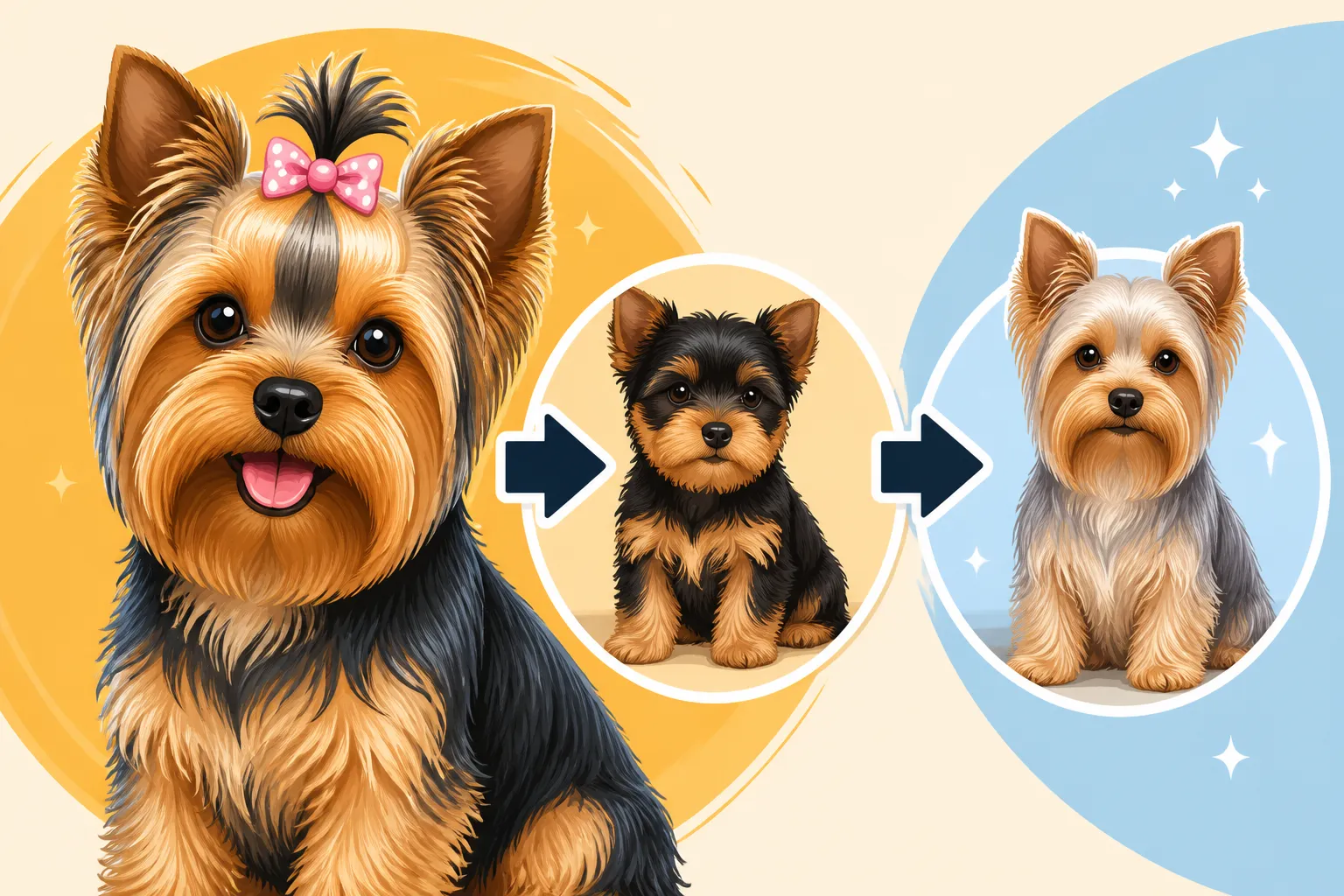
When a Yorkie is born, they typically have a very dark coat, often described as black with tan markings. Their little bodies might be a rich, glossy black, with tan points appearing on their eyebrows, muzzle, chest, and legs. Think of it like a tiny, furry superhero cape – very distinctive and undeniably cute. These colors are usually quite deep and vibrant, giving the impression that your dog will grow into a striking dark-coated adult. Many people fall in love with this dramatic contrast, and it’s perfectly normal for a puppy to display these strong dark hues. This initial phase sets the stage for the magical transformation that's about to unfold.
As they grow a bit, you might notice some subtle differences even within this black and tan stage. Some puppies have a more intense, true black, while others might have a softer, slightly charcoal black. The tan points can range from a light cream to a deeper mahogany. These variations are all within the normal spectrum for a young Yorkshire Terrier, and they hint at the genetic diversity that will eventually influence their adult coat.
The "Blue and Gold" Adult Standard
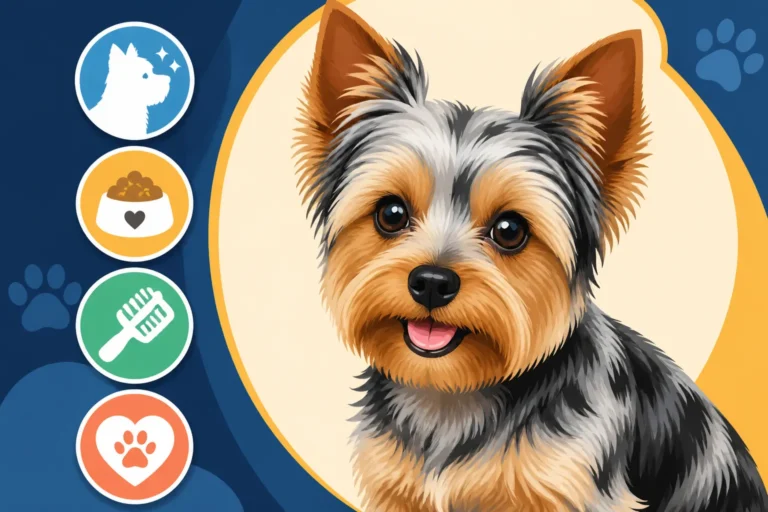
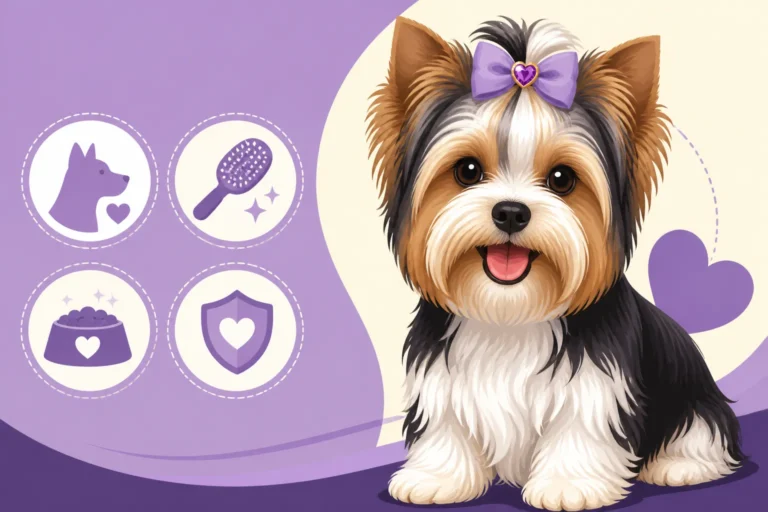
The American Kennel Club (AKC) breed standard for adult Yorkshire Terriers specifies a "dark steel blue" body with "rich tan" markings. Now, if you're picturing a literal sky blue, you might be scratching your head. In the world of Yorkies, "blue" isn't a vibrant azure; it refers to a specific shade of grey that can range from a dark, almost black-grey to a lighter silver-grey. This blue typically runs from the back of the head down to the tail. The "rich tan" refers to the markings on the head, legs, and chest, which should be a deep, golden tan, not light cream.
This adult coloration is a hallmark of the breed, a sophisticated blend that develops over time. The "blue" often has a metallic sheen, especially in good lighting, and it contrasts beautifully with the rich tan. It’s important to understand that this blue is a diluted form of the original black, caused by a specific gene. The process of getting from that deep black puppy coat to the elegant steel blue and gold adult coat is truly remarkable and one of the defining characteristics of the breed.
The Genetic Science Behind Yorkie Color Changes
Understanding the "why" behind your Yorkie's changing coat color involves a little dive into genetics. It's not magic, but rather the fascinating interplay of genes passed down from their parents. This genetic blueprint determines everything from their size to their ultimate adult coat color.
The Greying Gene (G Locus)
The primary reason for the Yorkshire Terrier's coat transformation lies in what's often referred to as the "greying gene" or "progressive greying gene," located at the G locus. This gene isn't about making hair grey in the way humans go grey with age; rather, it causes a progressive dilution of black pigment over time. Essentially, it gradually lightens the black areas of the coat to a silver or "blue" color. Puppies are born with their full pigment, but as they mature, the greying gene "activates" and starts to reduce the intensity of the black hairs.
This gene works like a dimmer switch, slowly turning down the black pigment. The extent and speed of this greying can vary, which is why some Yorkies reach their full "blue" earlier than others, or have a darker or lighter shade of blue. It's a dominant gene, meaning that if a Yorkie inherits even one copy, they will experience this color change. This is a characteristic that breeders specifically select for, as it's part of the breed standard. Without this gene, a Yorkie would remain black and tan throughout its life, which, while still lovely, wouldn't meet the official breed description.
Other Genes Influencing Pigmentation
While the greying gene is the star of the show for the "blue" coloration, other genes also play supporting roles in determining the overall look of a Yorkie's coat. For instance, the B locus genes determine whether a dog can produce black or brown pigment. In Yorkies, the "B" gene is dominant for black, so they typically carry genes for black pigment. The "E" locus affects how those pigments are expressed, ensuring that the black and tan pattern develops correctly.
The intensity of the tan markings can also be influenced by other polygenes (multiple genes working together). Some Yorkies will have very rich, deep gold markings, while others might have lighter, more champagne-colored tan. These subtle variations contribute to the unique beauty of each individual Yorkie. It’s a complex tapestry of genetic information that results in the stunning coats we adore. For a deeper understanding of your Yorkie's overall health and genetic predispositions, you might find information on Common Yorkshire Terrier Genetic Conditions quite enlightening, as coat color can sometimes be superficially linked to broader genetic patterns.
The Timeline of Yorkshire Terrier Coat Color Transformation
The color change isn't a sudden event; it's a gradual process that unfolds over several months, sometimes even years. It’s often compared to a slow-motion reveal, where layers of color are gently stripped away to reveal the masterpiece beneath. Watching this transformation is truly one of the joys of raising a Yorkie.
Early Stages: 3-6 Months
Around three to six months of age, you might start noticing the first subtle hints of change in your Yorkie's coat. The deep black might begin to look a little less intense, particularly on their head and shoulders. You might see a slight softening of the color, a hint of steel grey or silver peeking through at the roots of their hair. This is often more noticeable in certain lighting or when you part their fur. The tan markings might also start to deepen in richness during this time, moving from a pale cream to a more golden hue.
It’s easy to miss these initial shifts if you're not actively looking for them, as they are often very gradual. Owners might comment that their puppy’s coat just seems "different" or "less black" than it used to be. This stage is like the opening act of a long play, setting the scene for the more dramatic changes to come. Don't be surprised if the topknot area, which often gets a lot of attention, is one of the first places to show this subtle lightening.
Adolescence: 6 Months to 2 Years
This period marks the most significant phase of your Yorkie's coat color change. From six months all the way up to two years of age, you'll see the black gradually recede and transform into the characteristic "steel blue." The areas that were black will become increasingly grey, ranging from a dark charcoal to a lighter, shiny silver. The tan or gold markings will also continue to deepen and intensify, becoming more vibrant and rich.
During this adolescent phase, the coat can sometimes look a bit patchy or uneven as different sections lighten at different rates. You might have areas that are clearly blue, while others are still holding onto a darker black. This "ugly duckling" stage is completely normal and temporary. By the time they reach their second birthday, most Yorkshire Terriers will have settled into their adult "blue and gold" coloration, though some might continue to refine their color even beyond this. The contrast between the developing blue and the rich gold can be quite stunning, truly showcasing the breed's elegant appearance. You can often see the progression clearly in their Yorkshire Terrier Coat Care and Haircuts as their hair grows.
Full Maturity and Beyond
Even after two years, some very subtle color changes can continue to occur. The "blue" might become a shade lighter or darker, and the tan can mature further. However, the most dramatic shifts will have already taken place. As your Yorkie ages, just like humans, their coat can also show signs of greying, especially around the muzzle and eyes, which is distinct from the genetic "blueing" process. This senior greying is a natural part of the aging process and typically results in a softer white or silver hair, rather than the metallic steel blue.
It's also worth noting that the vibrancy of the coat can be affected by overall health and nutrition as your dog matures. A healthy, well-cared-for senior Yorkie will still have a beautiful, vibrant coat, even with age-related greying. For insights into caring for your furry companion as they enter their golden years, consider exploring resources on Yorkshire Terrier Senior Care Guide. Their coat is a reflection of their internal well-being, so maintaining good health is key to a beautiful coat throughout their lifespan.
Factors Influencing the Final Adult Coat Color
While genetics lay the foundational blueprint for your Yorkie's coat color, several other factors can subtly influence the final shade, richness, and overall appearance of their adult coat. It's a blend of nature and nurture, where good care can bring out the best in their natural beauty.
Genetics and Lineage
The most significant predictor of your Yorkie’s adult coat color is, without a doubt, their genetic lineage. A reputable breeder can often give you a good idea of what to expect, based on the coats of the puppy’s parents and previous generations. If both parents have excellent "blue and gold" coats, there's a higher probability that their offspring will develop a similar desirable coloration. Breeders carefully select for these traits, aiming to produce puppies that meet the breed standard.
However, genetics can be a bit like a lottery, even with careful breeding. Sometimes, recessive genes can express themselves unexpectedly, or the combination of genes might result in a slightly different shade of blue or gold. This is why some Yorkies might have a darker, almost charcoal blue, while others develop a brighter, silvery blue. Understanding the genetic history can give you a general idea, but the exact nuance of their adult coat is always a bit of a pleasant surprise.
Diet and Nutrition
What you feed your Yorkshire Terrier plays a surprisingly crucial role in the health and vibrancy of their coat. A high-quality diet rich in essential fatty acids (like Omega-3 and Omega-6), vitamins, and minerals can contribute to a shiny, healthy coat with strong pigmentation. Conversely, a poor diet lacking in these nutrients can lead to a dull, dry, and potentially faded coat. Think of it like a beautiful tapestry – if the threads aren't nourished, the colors won't pop.
Look for dog foods specifically formulated for small breeds, with high-quality protein sources and healthy fats. Brands like Royal Canin and Hill's Science Diet often offer breed-specific or small-breed formulas that cater to these needs. You can often find a wide variety of excellent options on Chewy, making it easy to compare ingredients and reviews. Supplements like fish oil can also be beneficial for coat health. If you're looking for guidance on what to put in their bowl, check out our guide on the Best Dog Food for Yorkshire Terriers for detailed recommendations that can help keep their coat looking its best.
Sun Exposure and Environmental Factors
Just like human hair, a Yorkie’s coat can be affected by environmental factors, particularly prolonged exposure to the sun. While a little sunshine is good, too much can actually lighten or "bleach" the tan parts of their coat, making them appear paler than they naturally would be. It can also sometimes dull the "blue" areas over time. If your Yorkie spends a lot of time outdoors, especially during peak sunlight hours, you might notice their tan becoming a bit faded or brassy.
Protecting your Yorkie from excessive sun exposure, particularly if they have a long coat, can help preserve the richness of their tan and the depth of their blue. This doesn't mean keeping them indoors all the time, but perhaps ensuring they have shaded areas to rest in the yard or limiting their time outside during the harshest midday sun. Regular indoor playtime and walks during cooler parts of the day can help keep them active without overdoing sun exposure.
Grooming and Coat Care
Proper grooming is absolutely essential for maintaining the health, texture, and color vibrancy of your Yorkie’s coat. A neglected coat can become matted, dry, and dull, regardless of its underlying genetic color. Regular brushing, using the right tools, helps distribute natural oils, removes loose hair, and prevents mats that can pull and damage the coat. A good quality brush, often found on Chewy alongside other grooming essentials, is a worthy investment.
Bathing with appropriate shampoos and conditioners designed for long-coated or sensitive skin breeds can also make a huge difference. Over-bathing with harsh products can strip natural oils, while infrequent bathing can lead to dirt and oil buildup that dulls the coat. Trimming the coat, particularly around the face and sanitary areas, is also part of keeping it pristine. Even if your Yorkie gets a Yorkie Puppy Cut, consistent care ensures the underlying hair remains healthy and strong, allowing its true color to shine through.
Distinguishing Normal Changes from Health Concerns
While most Yorkie coat color changes are a natural part of their development, it's vital for any responsible owner to know when a coat change might signal an underlying health issue. Not all discoloration is part of the "blue and gold" evolution, and some changes warrant a closer look.
Discoloration Due to Stains
One of the most common forms of "discoloration" that isn't a true color change is staining. Yorkies, especially those with lighter tan or gold facial hair, are prone to tear stains. These reddish-brown streaks under the eyes are caused by porphyrins, iron-containing molecules excreted in tears, which oxidize upon exposure to air. Similar staining can occur around the mouth from saliva, especially if they are a messy eater or have dental issues. Urine or anal gland secretions can also stain hair on their rear or legs if not kept clean.
These stains are purely external and don't represent a change in the hair's natural pigment. They can be minimized with diligent cleaning, regular trimming of facial hair, and addressing underlying causes like allergies or dental disease. For example, if your Yorkie has Yorkie Bad Breath: Causes and Fixes, it could indicate dental problems leading to excessive drooling and subsequent staining around the mouth. Keeping these areas clean is crucial for maintaining a pristine coat appearance.
Sudden or Patchy Color Loss
While the gradual lightening of black to blue is normal, a sudden, patchy, or unexplained loss of color (or hair altogether) can be a red flag. If you notice large areas of your Yorkie's coat becoming faded, white, or developing bald spots, it's time to consult your veterinarian. This could indicate a variety of health problems, including:
- Hypothyroidism: An underactive thyroid can lead to a dull, dry coat, hair loss, and sometimes changes in color or texture.
- Nutritional Deficiencies: Severe lack of essential nutrients can impact coat health and pigmentation.
- Skin Infections or Allergies: Fungal or bacterial infections, or severe allergies, can cause inflammation, itching, and subsequent damage to hair follicles, leading to color changes or hair loss.
- Autoimmune Diseases: In rare cases, autoimmune conditions can affect hair pigmentation.
- Stress or Illness: General stress or severe illness can sometimes manifest in a dull or unhealthy coat.
If you observe any of these concerning signs, don't delay. A prompt vet visit is essential to diagnose the cause and begin appropriate treatment. Resources like Yorkshire Terrier Health Problems to Know can provide further context on potential health issues.
Monitoring Overall Coat Health
Beyond color, the overall health of your Yorkie's coat and skin is a vital indicator of their well-being. A healthy Yorkie coat should be shiny, soft, and free of excessive dandruff, redness, or lesions. The hair should feel strong, not brittle or excessively greasy. Regularly running your hands through their fur allows you to feel for any lumps, bumps, or changes in skin texture.
Pay attention to any excessive itching, scratching, or licking, as these behaviors can indicate allergies, parasites, or skin irritations that might indirectly affect coat appearance. A dull, dry, or brittle coat that sheds excessively (beyond normal seasonal shedding) could also be a sign something is amiss. Keeping an eye on their general appearance, including their coat, is an important part of your daily Yorkshire Terrier Daily Care Routine and can help you catch potential issues early.
Caring for a Changing Yorkshire Terrier Coat
Caring for a Yorkie's coat, especially during its transformative phase, requires dedication and the right tools. Their long, silky hair is often compared to human hair and demands a similar level of attention to keep it healthy, shiny, and tangle-free.
Selecting the Right Grooming Products
Choosing the correct grooming products is paramount. You wouldn't use dish soap on your own hair, and the same principle applies to your Yorkie! Invest in high-quality shampoos and conditioners specifically formulated for dogs, ideally those designed for long, silky coats or sensitive skin. Look for ingredients that nourish and moisturize, like oatmeal, aloe vera, or natural oils, and avoid harsh chemicals or artificial dyes. Earthbath and Burt's Bees for Pets are widely available brands known for their gentle, natural formulas, and you can easily find a good selection on Chewy.
A good detangling spray is also a lifesaver, especially if your Yorkie has a longer coat that's prone to matting. Use it before brushing to help the brush glide through, minimizing breakage and discomfort. For brushing, a pin brush with rounded tips and a metal comb (with both fine and wide teeth) are essential. The pin brush helps to gently detangle and remove loose hair, while the comb allows you to meticulously work through smaller knots and check for thoroughness. Learning How to Brush a Yorkie's Coat effectively can prevent many common coat problems.
Professional Grooming vs. Home Maintenance
Deciding between professional grooming and home maintenance often comes down to your comfort level, time commitment, and your Yorkie's coat style. Many Yorkie owners opt for a "puppy cut" or "teddy bear cut" for easier maintenance, which often means regular visits to a professional groomer every 4-6 weeks. A professional groomer has the expertise, tools, and experience to handle all aspects of grooming, including bathing, drying, cutting, nail trims, and ear cleaning. They can maintain a consistent style and spot potential skin or coat issues you might miss.
However, if you prefer a longer, show-style coat or simply enjoy the bonding experience, home maintenance is certainly achievable. It requires a significant time commitment, often daily brushing and regular bathing. You'll need to learn proper techniques for brushing, bathing, drying, and potentially trimming. Even if you do most of the grooming at home, occasional visits to a professional for intricate cuts or nail trims (if you're uncomfortable doing them yourself) can be beneficial. Understanding How to Groom a Yorkshire Terrier at Home can empower you to take charge, but don't hesitate to seek professional help when needed.
Nutritional Support for a Healthy Coat
As mentioned earlier, diet plays a critical role in coat health. Beyond simply choosing a good dog food, consider incorporating supplements that specifically target skin and coat vitality. Omega-3 and Omega-6 fatty acid supplements, often derived from fish oil or flaxseed oil, are fantastic for promoting a shiny, healthy coat and reducing dryness or flakiness. Many vets recommend them, and you can easily find reputable brands like Zesty Paws or Nordic Naturals on Chewy.
Biotin and zinc are also essential nutrients that contribute to healthy skin and hair growth. If your Yorkie's coat seems dull or brittle, discuss these options with your veterinarian. They can help you determine if a supplement is appropriate and recommend the correct dosage. Remember, a beautiful coat starts from within, so nourishing your Yorkie with a balanced diet and targeted supplements is one of the best ways to support their coat's natural beauty, regardless of its evolving color. For specific dietary guidance, our article on Yorkie Feeding Schedule by Age can help ensure your furry friend gets all the nutrients they need.
Disclaimer
The information provided in this article is for general informational purposes only and does not constitute veterinary advice. Always consult with a qualified veterinarian for any health concerns or before making any decisions about your pet's health or treatment.