How to Express a Yorkie’s Anal Glands
One of the lesser-talked-about, but incredibly common, frustrations for Yorkshire Terrier parents is dealing with anal gland issues. It’s an uncomfortable topic, literally and figuratively, for both you and your little furball, often leading to scooting across your nice clean carpets or an unpleasant odor that you just can’t pinpoint. This comprehensive guide is here to demystify the process of expressing your Yorkie's anal glands, offering clear, empathetic, and detailed steps to help you manage this often-messy situation at home, and crucially, when it’s time to call in the professionals.
Understanding Your Yorkie's Anal Glands
Before we dive into the nitty-gritty of expression, let’s take a moment to truly understand what these tiny glands are, why they sometimes cause so much trouble, and how they fit into your Yorkie’s overall well-being. Knowing the basics can make a world of difference in identifying problems early and addressing them effectively.
What Are Anal Glands and Why Do They Matter
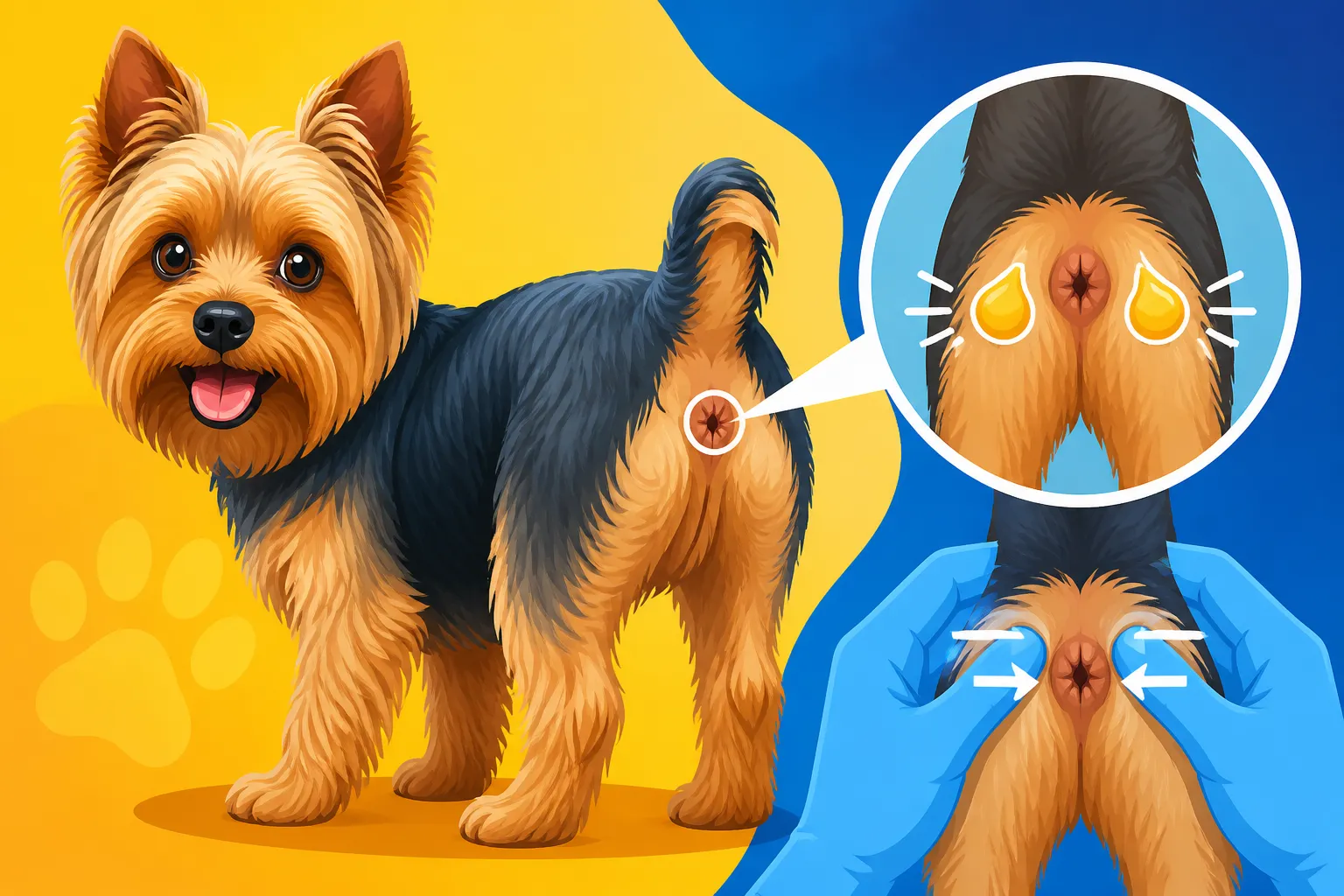
Deep within your Yorkie's derrière, just inside the rectum at about the four and eight o’clock positions, are two small sacs known as anal glands (also sometimes called anal sacs). These aren't just random bits of anatomy; they serve a unique purpose in the canine world. Each sac is lined with glands that produce a strong, fishy-smelling liquid. When your Yorkie has a bowel movement, especially a firm one, the pressure of the stool passing through the rectum usually causes these sacs to empty naturally. Think of it as a dog's personal scent marker – a unique calling card left behind with their stool that communicates information to other dogs about their identity, sex, and even mood.
For Yorkies, these glands are particularly noteworthy because their smaller size and often more delicate digestive systems can make them prone to issues. When these glands don't empty properly, the fluid inside can thicken, become impacted, and lead to discomfort or even infection. It's not just a hygiene issue; it's a matter of comfort and health for your precious companion. Understanding this basic function is the first step in knowing How to Keep a Yorkshire Terrier Healthy.
Signs Your Yorkie's Anal Glands Need Attention
Your Yorkie can't verbally tell you their bum is bothering them, but they certainly have their ways of communicating distress. Owners often recognize the signs long before they understand the cause. The most classic symptom, and one that sends many pet parents searching for answers, is "scooting." This is when your Yorkie drags their rear end across the floor, furniture, or grass in an attempt to relieve the pressure and discomfort of full anal glands. It’s not just a quirky habit; it’s a clear cry for help.
Beyond scooting, you might notice your Yorkie licking or chewing excessively at their hindquarters, sometimes to the point of redness or irritation around the tail base or anus. You might also catch a distinct, unpleasant, fishy odor, particularly when your dog moves or sits near you. Some Yorkies may strain to defecate or even seem reluctant to poop due to pain. In more severe cases, you might observe swelling, redness, or even an open wound near the anus, which could indicate an abscess. These are all critical Yorkshire Terrier Health Problems to Know that shouldn't be ignored, as they can quickly escalate.
Common Causes of Anal Gland Issues in Yorkies
So, why do some Yorkies seem to have chronic anal gland problems while others never experience them? There are a few key factors at play. One of the primary culprits is stool consistency. As mentioned, firm stools are essential for naturally expressing the glands. If your Yorkie frequently has soft stools or diarrhea, there simply isn't enough pressure to empty the sacs, leading to a buildup of fluid. This is why diet plays such a monumental role in preventing these issues.
Another factor is breed predisposition. Smaller breeds like Yorkshire Terriers are often more prone to anal gland impaction, sometimes due to the anatomical position of their glands or perhaps weaker musculature around the area. Obesity can also contribute, as excess fat can make natural expression more difficult. Allergies, both food-related and environmental, can also cause inflammation around the anal area, leading to discomfort and hindering natural emptying. It's a complex puzzle, but often, looking at your Yorkie's diet and general health, as detailed in guides like How Much to Feed a Yorkshire Terrier and Yorkshire Terrier Food For Sensitive Stomach, can provide significant clues and solutions.
Preparing for Anal Gland Expression at Home
The idea of expressing your Yorkie's anal glands at home can feel a bit daunting, and let's be honest, a little gross. But with the right preparation and knowledge, it's a task many dedicated pet parents successfully manage. However, it's crucial to know your limits and understand when professional intervention is absolutely necessary.
Is At-Home Expression Right for Your Yorkie
Deciding whether to attempt at-home expression is a big step. For many Yorkies with recurrent, mild anal gland issues, learning the ropes can save you frequent vet visits and keep your pup more comfortable. However, there are significant caveats. If your Yorkie is showing signs of severe pain, there's visible swelling, redness, or any discharge (especially bloody or pus-like), or if you suspect an infection or abscess, do not attempt at-home expression. This is a situation that warrants immediate veterinary attention. Trying to express an infected or abscessed gland can cause immense pain to your dog and potentially worsen the condition.
At-home expression is typically for glands that are merely full and uncomfortable, not infected or severely impacted. If you're unsure, or if it's your first time, a quick call to your vet or a visit to a professional groomer for a demonstration is highly recommended. They can show you the correct technique and confirm that your Yorkie’s glands are suitable for external expression. Remember, your Yorkie's comfort and safety come first.
Essential Supplies for Safe Expression
Before you even think about starting, gather all your supplies. Being prepared will make the process smoother, quicker, and less stressful for both you and your Yorkie. Trust me, you don't want to be halfway through and realize you need something!
Here's a checklist of what you'll need:
| Item | Purpose | Tips & Brands |
|---|---|---|
| Disposable Gloves | Essential for hygiene and preventing direct contact with fluids. | Opt for latex or nitrile gloves. You'll thank yourself for this later. |
| Plenty of Paper Towels/Wipes | For immediate cleanup of any expelled fluid and general hygiene. | Have a generous stack. Unscented baby wipes or specific pet wipes can also be helpful for a gentle clean. You can often find great value multi-packs on Amazon or Chewy. |
| Lubricant (Optional) | Can help with gentler external manipulation. | A small amount of water-based lubricant (like K-Y Jelly, not petroleum jelly) can make the process a bit more comfortable, though not always necessary for external expression. |
| Old Towels/Newspaper | To protect your immediate work surface from any mess. | Lay down a thick layer of old towels or several sheets of newspaper to catch any drips or sprays. This is key for easy cleanup. |
| Dog Treats | For rewarding good behavior and making the experience less negative. | High-value treats are a must! Your Yorkie will associate the (unpleasant) experience with a positive reward afterward. |
| Dog Shampoo/Cleaner | For thorough cleaning of your Yorkie’s hindquarters afterward. | A gentle dog shampoo, especially if your Yorkie has a sensitive bottom. This is part of maintaining their Yorkshire Terrier Daily Care Routine. |
Having everything within arm's reach prevents you from having to get up and leave your Yorkie mid-process, which can cause anxiety or lead to them wriggling free.
Setting Up a Calm and Clean Environment
The environment where you perform the expression is almost as important as the technique itself. Yorkies are sensitive little souls, and a stressful atmosphere will only make an already uncomfortable procedure worse. Choose a quiet, well-lit room where you won't be interrupted. A bathroom or utility room with tile floors is ideal because it’s easy to clean any messes.
Lay down your old towels or newspaper on the surface where your Yorkie will be standing or resting. This could be a countertop (if your Yorkie is small enough and you can safely hold them), a sturdy table, or even the bathtub. The key is to have your Yorkie at a comfortable height for you to work, minimizing strain on your back and ensuring you have good visibility. Make sure the area is warm enough, especially if you plan to give them a quick wash afterward.
Before you even bring your Yorkie into the space, put on your gloves. Have your paper towels and wipes ready. Try to keep your voice calm and reassuring throughout the entire process. Some owners find playing soft music helps, or having a second person there to gently hold and distract the Yorkie with treats or pets. The goal is to make it as quick, efficient, and least traumatic as possible. A calm approach helps prevent your Yorkie from developing a negative association with the procedure, which can make future sessions even more challenging.
Step-by-Step Guide to Expressing Anal Glands
Alright, brave Yorkie parent, it’s time for the main event. Remember, practice makes perfect, and gentle precision is far more important than brute force. If at any point you feel unsure or your Yorkie is in distress, please stop and consult your veterinarian.
External Expression Technique
This is the method typically recommended for at-home expression and involves manipulating the glands from the outside. Internal expression (where a finger is inserted into the rectum) should only be performed by a veterinarian or an experienced professional groomer, as it carries a higher risk of injury if done incorrectly.
Here's a detailed breakdown of the external expression technique:
- Get Your Yorkie into Position: Gently lift your Yorkie onto your prepared surface. It’s often easiest if they are standing, facing away from you. If you have a helper, they can gently hold your Yorkie and offer soothing words or treats. If you’re alone, you might need to cradle your Yorkie against your body, ensuring they are secure but not squeezed.
- Locate the Glands: Put on your gloves. With one hand, lift your Yorkie's tail straight up, out of the way. Look for the anal opening. The anal glands are located just below and to either side of the anus, roughly at the 4 and 8 o’clock positions. You might be able to feel them as small, firm, pea-to-grape sized lumps under the skin. Don't worry if you can't feel them distinctly at first; sometimes they're deeper or softer when not overly full.
- Position Your Fingers: Place a few layers of paper towel directly over the anal area. This is critical to catch the fluid, which can be sprayed with surprising force. With your thumb and forefinger (or two fingers if that feels more comfortable), gently place them on either side of the anus, around where you've located the glands (4 and 8 o'clock). Make sure your fingers are a little bit below the actual glands, not directly on them.
- Apply Gentle, Upward Pressure: The technique involves a gentle squeezing and upward-and-inward motion, as if you're trying to push the contents of the glands up and out towards the central opening. Think of it like gently milking the gland. Do NOT squeeze directly on the anus itself, and do NOT apply excessive force. The fluid should come out in a thin stream or a few drops. You might hear a "squirt" sound, and you’ll definitely smell it. If nothing comes out with gentle pressure, try repositioning your fingers slightly. Sometimes, angling your fingers slightly towards the opening helps.
- Repeat for the Other Side (if needed): Once one side is expressed, move to the other gland. Sometimes, only one gland is full, but it’s good practice to check both.
- Assess and Clean: After expressing, use a fresh paper towel or a pet-safe wipe to thoroughly clean the area. Look closely to see if any fluid was expelled. The color of the fluid can range from light yellow to dark brown. A normal discharge is usually thin and light. If the fluid is thick, pasty, greenish, bloody, or has an extremely foul odor beyond the usual fishy smell, this could indicate infection or a problem that requires vet attention.
Remember to take breaks if your Yorkie gets stressed. Keep talking to them in a calm, soothing voice. This isn’t a race; it’s about gentle care.
What to Do After Expression
Once the deed is done and you’ve cleaned up the immediate area, your Yorkie will probably appreciate some comfort and a thorough cleaning.
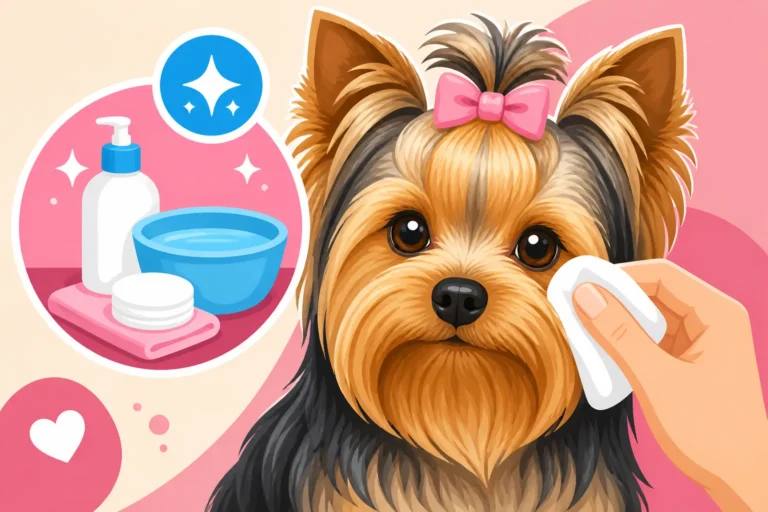
- Thorough Cleaning: Even with careful paper towel placement, some fluid might have gotten on your Yorkie’s fur. A quick, warm bath for their hindquarters is usually a good idea. Use a gentle dog shampoo, ensuring you rinse thoroughly to remove all traces of the anal gland fluid and shampoo. This helps with hygiene and eliminates any lingering odor. Brands like Earthbath or Burt's Bees often offer gentle, natural shampoos suitable for sensitive skin, and are readily available on Chewy or Amazon.
- Reward and Reassurance: This is perhaps the most important step for your Yorkie. Immediately after the bath and once they’re dried, offer plenty of praise, cuddles, and their absolute favorite high-value treat. You want to create a positive association, however small, with what was likely an uncomfortable experience. A good quality dental chew or a small piece of cooked chicken could work wonders.
- Monitor Your Yorkie: Keep an eye on your Yorkie over the next few hours and days. They should seem more comfortable and stop scooting or licking. If they continue to show signs of discomfort, or if the area appears red, swollen, or painful, it's time to call your vet. Sometimes, even after expression, residual inflammation or an underlying issue persists.
When to Seek Professional Veterinary Help
While at-home expression can be effective for routine maintenance, there are definite times when a professional touch is not just helpful, but absolutely essential. Ignoring these signs can lead to serious health complications for your beloved Yorkie.
Recognizing Complications and Infections
It's vital to differentiate between full glands and problematic glands. If you notice any of the following, do not attempt to express your Yorkie's anal glands at home, and instead, contact your veterinarian immediately:
- Severe Pain: Your Yorkie cries out, snaps, or is extremely agitated when you try to touch the area. This indicates significant pain, possibly from an abscess or severe impaction.
- Visible Swelling or Redness: The area around your Yorkie's anus looks noticeably swollen, inflamed, or dark red.
- Discharge (especially bloody or pus-like): If you see any discharge that is not the typical brownish-yellow fluid, particularly if it's thick, greenish, or contains blood, this is a clear sign of infection. An anal gland abscess can rupture, leading to a visible, painful open wound that requires veterinary attention and possibly antibiotics. This is definitely one of those Yorkie Emergency Symptoms to Never Ignore.
- Fever or Lethargy: If your Yorkie seems generally unwell, has a fever, is lethargic, or has a decreased appetite in conjunction with anal gland issues, it points to a systemic problem requiring immediate care.
- Repeated Failures to Express: If you've tried to express the glands gently a couple of times and nothing comes out, or if you feel a hard, unyielding mass, the glands might be severely impacted and require internal expression by a vet.
In these situations, your vet can properly diagnose the issue, safely express the glands (often internally, which allows for better emptying), prescribe antibiotics if there's an infection, and discuss anti-inflammatory medications to ease your Yorkie's discomfort. Sometimes, sedation might even be necessary for a thorough and pain-free procedure. Knowing When to Take Your Yorkie to the Vet is paramount for their health.
The Benefits of Professional Expression
Even if you’re comfortable with at-home expression, regular professional checks or expressions are often beneficial. Veterinarians and professional groomers offer several advantages:
- Expertise and Proper Technique: Vets and experienced groomers are trained to correctly identify the location of the glands, assess their condition, and use the most effective and safest technique, including internal expression when necessary. They can tell the difference between a simple impaction and a budding infection.
- Thorough Emptying: Internal expression, performed by a professional, often allows for more complete emptying of the anal glands, which can reduce the frequency of issues. This is a technique that should never be attempted by an untrained owner at home due to the risk of injury.
- Early Detection of Other Issues: During an anal gland expression, a vet or groomer will also visually inspect the entire anal area, potentially catching other issues like tumors, polyps, or skin infections that you might miss. This is part of a holistic Yorkshire Terrier Grooming Guide.
- Hygiene and Comfort: Professionals have dedicated spaces and tools for this procedure, ensuring maximum hygiene and minimizing stress for your Yorkie. They're also less likely to miss an important sign of trouble.
- Tailored Advice: A vet can offer personalized advice on preventing future issues, recommending dietary changes (like specific high-fiber foods, or fresh food options from brands like Ollie that can improve stool consistency) or supplements based on your Yorkie's specific needs. They can also advise on Yorkshire Terrier Dental Care Guide, as overall health is interconnected.
While DIY might seem convenient, don't hesitate to seek professional help for any concerns or for routine care if you prefer not to do it yourself. Many groomers offer anal gland expression as part of their services, but always ensure they are experienced and comfortable with the procedure, and that they will refer you to a vet if they suspect a medical issue.
Preventing Future Anal Gland Problems
Prevention is always better than cure, especially when it comes to something as unpleasant as anal gland issues. By being proactive, you can significantly reduce the likelihood of your Yorkie experiencing discomfort and needing frequent expressions.
Dietary Adjustments for Firmer Stools
As we discussed earlier, stool consistency is a huge factor in whether anal glands express naturally. If your Yorkie often has soft or loose stools, the first place to look is their diet.
- Increase Fiber Intake: Fiber adds bulk to the stool, making it firmer and more effective at applying pressure to the anal glands as it passes.
- Commercial Dog Foods: Look for high-quality dog foods that list a good source of fiber as an ingredient. Some brands offer formulas specifically designed for digestive health. When choosing the Best Dog Food for Yorkshire Terriers, consider options that support gastrointestinal regularity.
- Fiber Supplements: You can discuss adding safe fiber supplements with your vet, such as psyllium husk (Metamucil without additives), canned pumpkin (plain, not pie filling), or cooked sweet potato. Start with very small amounts and gradually increase to avoid digestive upset.
- Avoid Fillers and Allergens: Many commercial dog foods contain fillers, artificial ingredients, or common allergens (like certain grains or proteins) that can lead to digestive upset and soft stools in sensitive Yorkies. Opting for limited ingredient diets or discussing potential food allergies with your vet can be a game-changer. Brands offering fresh, human-grade ingredients, like Ollie, might provide a more digestible and fiber-rich option that naturally leads to firmer stools for some dogs.
- Adequate Hydration: While fiber is important, ensure your Yorkie also has constant access to fresh water. Proper hydration is crucial for overall digestive health and preventing constipation, which can also be an anal gland trigger.
A consistent, high-quality diet tailored to your Yorkie's needs can drastically improve stool consistency and reduce the need for manual expression, making life much more comfortable for your little companion.
Maintaining Regular Grooming and Health Checks
Beyond diet, a regular routine of grooming and overall health monitoring can contribute greatly to preventing anal gland issues.
- Consistent Grooming: Regular grooming, whether at home or with a professional, includes checking your Yorkie’s rear end. For longer-haired Yorkies, keeping the hair trimmed around the anus is essential for hygiene and prevents feces from clinging to the fur, which can interfere with natural expression. This is part of a comprehensive How to Groom a Yorkshire Terrier at Home.
- Weight Management: Keeping your Yorkie at a healthy weight prevents excess fat from accumulating around the anal area, which can hinder natural gland emptying. Regular exercise, appropriate portion control, and a balanced diet are key.
- Routine Vet Visits: Regular check-ups with your veterinarian allow them to monitor your Yorkie's overall health, including their anal glands. Your vet can identify potential issues early, offer advice, and perform expressions as needed. These visits are essential for addressing Common Yorkshire Terrier Genetic Conditions and other health concerns.
- Observe Your Yorkie's Habits: Pay attention to your Yorkie's bathroom habits. Notice if their stools are consistently soft, if they’re straining more than usual, or if you detect any unusual odors. Early observation allows for early intervention, often preventing minor issues from becoming major problems.
By combining a thoughtful diet with diligent grooming and regular veterinary care, you're not just preventing anal gland issues; you’re investing in your Yorkshire Terrier’s long-term health, comfort, and happiness. It’s all part of being a responsible and loving pet parent.
Disclaimer
The information provided in this guide is for informational purposes only and is not intended as a substitute for professional veterinary advice. Always consult with a qualified veterinarian for any health concerns or before making any decisions about your pet's health or treatment. Attempting at-home procedures should only be done if you are confident and your pet is not showing signs of severe pain or infection.