Homemade Dog Food Recipes for Yorkies
It’s a common frustration for Yorkshire Terrier parents: you want the absolute best for your tiny companion, but navigating the world of commercial dog food can feel like a minefield. With endless brands, ingredient lists that sound more like chemistry experiments, and the constant worry about recalls or hidden allergens, it’s no wonder many of us feel a pull towards a more natural, transparent approach. This comprehensive guide is here to empower you with the knowledge and recipes to create nutritious, delicious, and perfectly tailored homemade meals for your beloved Yorkie, bringing peace of mind with every bite.
Why Consider Homemade Food for Your Yorkie?
Feeding your Yorkie a homemade diet isn't just a trend; for many, it's a deeply personal choice driven by a desire for control, transparency, and the potential to significantly improve their dog's health. You've likely spent countless hours researching kibble brands, sifting through reviews, and perhaps even dealing with the aftermath of a food that just didn't agree with your little one. Taking the reins in the kitchen allows you to bypass many of these common anxieties and truly customize your dog's nutrition.
Addressing Dietary Sensitivities and Allergies
Yorkshire Terriers, despite their robust personalities, can be surprisingly delicate when it comes to their digestive systems and skin. Many Yorkie owners find themselves dealing with persistent issues like itchy skin, paw licking, ear infections, or chronic gastrointestinal upset, often linked back to specific ingredients in their commercial diet. Common culprits include certain proteins (like chicken or beef in highly processed forms), grains, or artificial additives.
When you prepare food at home, you have complete oversight. If your Yorkie consistently has a sensitive stomach, you can carefully select novel proteins like rabbit or duck, or single-source proteins you know they tolerate well. If grains are an issue, you can easily opt for grain-free carbohydrate sources like sweet potato. This level of precision is incredibly hard to achieve with even the most "hypoallergenic" commercial diets, which might still contain hidden ingredients or cross-contamination. By eliminating common allergens and focusing on whole, unprocessed ingredients, many Yorkie parents observe a dramatic improvement in their dog's overall well-being, from clearer skin to more consistent digestion. If you're currently dealing with these issues, understanding Yorkshire Terrier Food For Sensitive Stomach can provide further insights into making the best choices.
Knowing Exactly What Your Yorkie Eats
Let's be honest, deciphering a commercial dog food label can feel like reading a foreign language. "Meat meal," "by-products," "natural flavors," and a slew of synthetic vitamins and minerals leave many of us wondering what our dogs are really consuming. The beauty of a homemade diet is absolute transparency. You buy the ingredients, you prepare them, and you know precisely what goes into your Yorkie's bowl.
This control extends beyond just avoiding harmful additives. It means you can choose human-grade meats, organic vegetables, and high-quality oils, ensuring your Yorkie receives the purest form of nutrition available. There's a profound satisfaction in knowing that the food you’re offering your furry family member is made with the same care and quality ingredients you’d select for yourself. It removes the guesswork and the worry, replacing it with confidence and peace of mind.
Boosting Health and Vitality
The difference a fresh, wholesome diet can make in a Yorkie's health is often remarkable. Many owners report seeing an improvement in their dog's energy levels, a shinier and softer coat, healthier skin, and even better dental health (when paired with proper dental care). Fresh ingredients retain more of their natural vitamins, minerals, and enzymes, which can be lost during the high-heat processing of commercial kibble.
A homemade diet can also be more hydrating. Commercial dry kibble contains very little moisture, meaning dogs need to drink a lot of water to stay properly hydrated. Fresh, moist food contributes significantly to daily water intake, which is beneficial for kidney function and overall cellular health. This enhanced nutrition can contribute to a more robust immune system and a generally more vibrant, happy Yorkie. Exploring how to maintain How to Keep a Yorkshire Terrier Healthy through diet and other means is crucial for their long-term well-being.
Essential Nutrients and Ingredients for a Balanced Yorkie Diet
Creating a balanced homemade diet for your Yorkie isn't just about throwing some meat and veggies together; it requires understanding the fundamental nutritional needs of dogs. A proper homemade diet must include a correct ratio of protein, carbohydrates, healthy fats, fiber, vitamins, and minerals. Skipping any of these can lead to deficiencies over time, which is why thoughtful planning is absolutely essential.
Protein Sources for Tiny Tummies
Protein is the cornerstone of any canine diet, essential for muscle development, tissue repair, and a healthy immune system. For small breeds like Yorkies, lean protein is usually best, as too much fat can contribute to pancreatitis, a painful condition.
Excellent protein options include:
- Chicken Breast (boneless, skinless): A highly digestible and commonly accepted protein. Always cook thoroughly.
- Turkey (lean ground or breast): Another fantastic, lean poultry option.
- Lean Ground Beef: Opt for 90% lean or higher to reduce fat content.
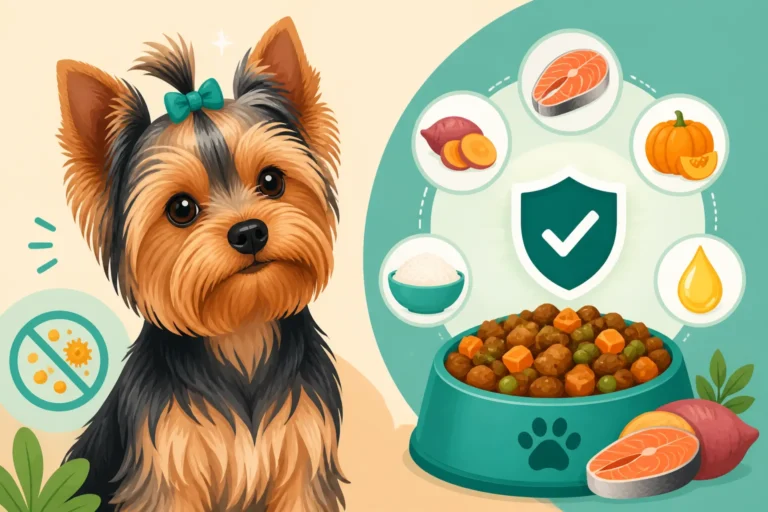
- White Fish (cod, tilapia, salmon – cooked and deboned): Excellent source of omega-3 fatty acids. Ensure all bones are removed.
- Eggs (cooked): A complete protein source, full of vitamins.
When preparing protein, always cook it thoroughly to kill any bacteria. Avoid adding any seasonings, salt, or spices. For more details on what other human foods are safe, refer to our guide on Human Foods Safe for Yorkies.
Complex Carbohydrates for Sustained Energy
Carbohydrates provide energy and fiber. For Yorkies, complex carbohydrates are preferable as they release energy slowly and are rich in nutrients.
Consider these options:
- Sweet Potatoes: A nutritional powerhouse, rich in vitamins A and C, and fiber. Always cook and mash them.
- Brown Rice: A good source of complex carbohydrates and fiber. Cook until soft.
- Oats (rolled or quick-cooking): A gentle, digestible grain, great for sensitive stomachs. Cook with water until creamy.
- Pumpkin (canned, plain, unsweetened): An excellent source of fiber, fantastic for digestive health.
Avoid highly refined carbohydrates, and always cook these ingredients until they are soft and easily digestible for your Yorkie.
Healthy Fats and Fiber
Healthy fats are vital for a shiny coat, healthy skin, and vitamin absorption. Fiber aids digestion and promotes gut health.
- Healthy Fats:
- Fish Oil (e.g., salmon oil): A fantastic source of omega-3 fatty acids, crucial for brain health, joint health, and a beautiful coat. Add a small amount after cooking. Brands like Nordic Naturals or Zesty Paws offer high-quality options often found on Chewy.
- Flaxseed Oil: Another good plant-based source of omega-3s, but less potent than fish oil.
- Fiber:
- Green Beans: Steamed or boiled and chopped.
- Carrots: Steamed or boiled and finely diced or shredded.
- Broccoli (steamed, florets only): In small amounts, well-cooked.
- Spinach: Cooked and finely chopped.
Remember to introduce new fiber sources gradually to avoid upsetting your Yorkie's stomach. A well-rounded diet with these elements can help prevent common issues like constipation or loose stools.
Vitamins, Minerals, and Supplements
This is perhaps the most critical part of homemade feeding. While whole foods provide many nutrients, it is extremely difficult to ensure a perfectly balanced diet for a dog through homemade meals alone without careful calculation. Dogs have specific requirements for certain vitamins and minerals that might not be met by haphazardly combining ingredients.
It is highly recommended to consult with a veterinary nutritionist when formulating a long-term homemade diet. They can help you create recipes that are specifically balanced for your Yorkie's age, weight, and any health conditions. Often, they will recommend a high-quality canine vitamin and mineral supplement to ensure all nutritional bases are covered. These supplements often contain essential nutrients like calcium (which is crucial and often deficient in meat-only diets), phosphorus, and a range of trace minerals and vitamins. You can easily find reputable pet-specific supplements on platforms like Amazon or Chewy. For example, looking into Best Joint Supplements for Yorkshire Terriers or Best Probiotics for Yorkshire Terriers could be beneficial, but always under veterinary guidance.
Here's a quick overview of safe and common ingredients:
| Category | Safe Ingredients | Preparation Notes |
|---|---|---|
| Protein | Lean Chicken, Turkey, Lean Beef, Cod, Salmon, Eggs | Always cooked thoroughly, unseasoned, deboned (fish). Remove skin from poultry. |
| Carbohydrates | Sweet Potato, Brown Rice, Oats, Quinoa | Cooked until soft, mashed (sweet potato). |
| Vegetables | Green Beans, Carrots, Peas, Spinach, Pumpkin (plain) | Steamed or boiled until soft, finely chopped or pureed. |
| Healthy Fats | Fish Oil, Flaxseed Oil, Coconut Oil (small amounts) | Added after cooking. |
| Fruits (Treats) | Blueberries, Apple Slices (no seeds), Banana (small) | Always in moderation, remove seeds/pits. |
Homemade Meal Recipes Your Yorkie Will Love
Now for the fun part: getting into the kitchen! These recipes are designed to be simple, using ingredients that are generally well-tolerated by Yorkies. Remember, these are starting points. Always consult your vet or a veterinary nutritionist to ensure these recipes meet your Yorkie's specific needs, especially if you plan to feed homemade long-term.
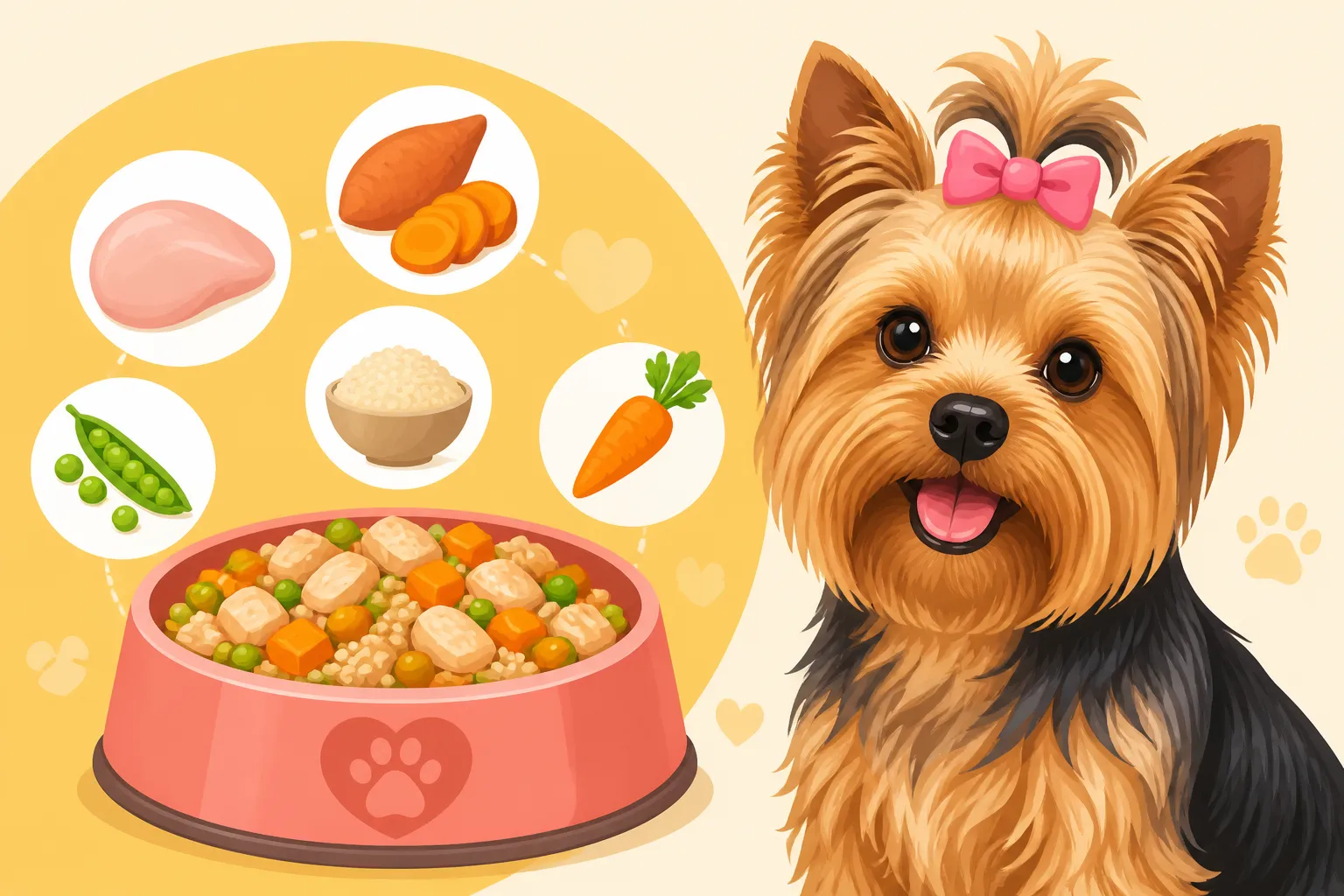
Chicken and Sweet Potato Bowl
This recipe is a gentle, nutrient-dense meal perfect for Yorkies, especially those with sensitive tummies.
Ingredients:
- 1 boneless, skinless chicken breast (about 4-5 oz), cooked and shredded or finely diced
- 1 small sweet potato, cooked and mashed
- 1/4 cup steamed green beans, finely chopped
- 1/2 teaspoon fish oil (e.g., salmon oil), added after cooking
- Optional: A small sprinkle of a veterinarian-approved canine vitamin/mineral supplement
Instructions:
- Prepare the Chicken: Boil or bake the chicken breast until thoroughly cooked. Let it cool slightly, then shred or finely dice it into small, bite-sized pieces suitable for your Yorkie.
- Cook the Sweet Potato: Peel and chop the sweet potato. Boil or steam until very soft. Mash it thoroughly, ensuring there are no lumps.
- Steam Green Beans: Steam the green beans until tender-crisp, then finely chop them.
- Combine: In a bowl, mix the shredded chicken, mashed sweet potato, and chopped green beans.
- Add Supplements: Once the mixture has cooled to room temperature, stir in the fish oil and any prescribed vitamin/mineral supplement.
- Serve: Portion out according to your Yorkie's caloric needs. Store leftovers in an airtight container in the refrigerator for up to 3 days or freeze for longer storage.
Turkey and Rice Delight
Another fantastic option, turkey is often a great alternative for dogs who might have sensitivities to chicken.
Ingredients:
- 4-5 oz lean ground turkey (90% lean or higher), cooked
- 1/4 cup cooked brown rice
- 1/4 cup steamed carrots, finely diced or pureed
- 1/4 cup canned plain pumpkin (not pie filling)
- 1/2 teaspoon flaxseed oil, added after cooking
- Optional: A small sprinkle of a veterinarian-approved canine vitamin/mineral supplement
Instructions:
- Cook the Turkey: Brown the lean ground turkey in a pan until thoroughly cooked, breaking it into small crumbles. Drain off any excess fat completely. Do not add any seasoning.
- Prepare Rice and Carrots: Cook the brown rice according to package directions. Steam the carrots until soft and then finely dice or puree them.
- Combine: In a bowl, mix the cooked turkey, brown rice, steamed carrots, and plain canned pumpkin.
- Add Supplements: Once the mixture has cooled to room temperature, stir in the flaxseed oil and any prescribed vitamin/mineral supplement.
- Serve: Portion and serve. This recipe also stores well in the refrigerator or freezer.
Lean Beef and Veggie Medley
For a richer flavor and different nutrient profile, lean beef can be a wonderful choice.
Ingredients:
- 4-5 oz lean ground beef (90% lean or higher), cooked
- 1/4 cup cooked quinoa
- 1/4 cup steamed peas
- 1/4 cup steamed spinach, finely chopped
- 1/2 teaspoon fish oil, added after cooking
- Optional: A small sprinkle of a veterinarian-approved canine vitamin/mineral supplement
Instructions:
- Cook the Beef: Brown the lean ground beef thoroughly, breaking it into fine crumbles. Drain all excess fat.
- Prepare Quinoa and Veggies: Cook quinoa according to package directions. Steam the peas and spinach until soft. Finely chop the spinach.
- Combine: Mix the cooked ground beef, quinoa, steamed peas, and chopped spinach in a bowl.
- Add Supplements: Once cooled, mix in the fish oil and any veterinarian-recommended supplements.
- Serve: Divide into appropriate portions for your Yorkie.
Adjusting for Age and Weight
A Yorkie's nutritional needs change as they grow and age. A tiny puppy, for instance, requires more frequent feedings and a higher caloric density than a senior dog. It’s critical to adjust portion sizes and ingredient ratios to match their life stage and activity level. Our detailed guide on Yorkshire Terrier Feeding Guide by Age offers specific recommendations, but here are some general pointers:
- Puppies: Growing puppies need more protein and calories. You might need to add a bit more lean meat or healthy fat to their meals, but always in moderation and with veterinary approval to prevent rapid growth issues. They also need smaller, more frequent meals to prevent hypoglycemia.
- Adults: Active adult Yorkies need a balanced diet to maintain their ideal weight. Monitor their body condition and adjust portions as needed.
- Seniors: Older Yorkies may have reduced activity levels and metabolism, potentially requiring fewer calories to prevent weight gain. They may also benefit from joint-supporting supplements (like glucosamine and chondroitin) or highly digestible proteins. Regular checks on their Yorkie Weight: Healthy Range by Age are essential.
Remember, the goal is to keep your Yorkie at a healthy weight and full of energy, and homemade food allows for precise adjustments to achieve this.
Important Considerations for Safe Homemade Feeding
While the idea of feeding homemade meals to your Yorkie is appealing and can be incredibly beneficial, it's not something to jump into lightly. There are crucial safety and nutritional considerations that must be addressed to ensure your little one thrives. The biggest mistake many enthusiastic homemade feeders make is failing to provide a nutritionally complete and balanced diet, which can lead to severe health issues over time.
Consulting Your Veterinarian or a Veterinary Nutritionist
This cannot be stressed enough: before you embark on a homemade diet for your Yorkie, have a serious conversation with your veterinarian. Even better, seek out a board-certified veterinary nutritionist. These specialists have advanced training in animal nutrition and can formulate recipes that are perfectly balanced for your dog's specific needs, taking into account their age, activity level, any underlying health conditions, and even regional ingredient availability.
Simply following recipes found online, even reputable ones like those shared here, without professional oversight, runs the risk of creating a diet deficient in essential vitamins and minerals, or excessive in others. For instance, calcium and phosphorus ratios are incredibly important for bone health, and getting them wrong can lead to serious problems. A nutritionist can ensure that every meal contributes to your Yorkie's overall health rather than detracting from it. They might recommend specific supplements, especially calcium, which is often lacking in homemade meat-and-veg diets.
Avoiding Toxic Foods and Dangerous Ingredients
Part of the beauty of homemade feeding is avoiding harmful additives, but it also places the responsibility on you to know what is genuinely safe. Many common human foods are highly toxic to dogs, and even small amounts can be dangerous for a tiny Yorkie.
Always be vigilant about these notorious culprits:
- Onions, Garlic, Chives, Leeks: All members of the Allium family are toxic to dogs and can cause red blood cell damage.
- Chocolate: Contains theobromine, which is highly toxic and can be fatal.
- Grapes and Raisins: Can cause acute kidney failure. The exact mechanism isn't fully understood, so any amount is considered dangerous.
- Xylitol: A sugar substitute found in many sugar-free products (gum, candies, peanut butter). It causes a rapid and severe drop in blood sugar (hypoglycemia) and liver failure.
- Avocado: Contains persin, which can cause vomiting and diarrhea in some dogs, especially in larger quantities.
- Alcohol: Extremely toxic.
- Caffeine: Found in coffee, tea, and some sodas, can cause heart issues and seizures.
- Macadamia Nuts: Can cause weakness, vomiting, tremors, and hyperthermia.
- Cooked Bones: Cooked bones can splinter and cause internal damage or blockages. Always avoid.
- Excessive Salt: Can lead to sodium ion poisoning.
It’s crucial to thoroughly educate yourself on Toxic Foods for Yorkies to Avoid before preparing any homemade meals or treats. When in doubt, err on the side of caution and avoid feeding it.
Proper Storage and Preparation
Food safety is paramount when preparing homemade meals. Just like human food, dog food prepared at home can spoil or become contaminated if not handled correctly.
- Preparation Hygiene: Always use clean cutting boards, utensils, and hands. Separate raw meat from other ingredients.
- Thorough Cooking: Ensure all meats are cooked to their safe internal temperatures to eliminate harmful bacteria like Salmonella or E. coli.
- Batch Cooking: Many owners find it easiest to cook large batches of food and then portion them out. This saves time during the week.
- Refrigeration: Store prepared food in airtight containers in the refrigerator for no more than 3-4 days. Labeling with the date prepared is a good practice.
- Freezing: For longer storage, freeze individual meal portions in freezer-safe bags or containers. This can extend shelf life for up to 2-3 months. Thaw frozen meals in the refrigerator overnight before serving.
- Serving Temperature: Always serve meals at room temperature. Never feed food that is too hot or too cold directly from the refrigerator or freezer.
Transitioning to a Homemade Diet
Suddenly switching your Yorkie from their current commercial food to an entirely new homemade diet can cause digestive upset, including vomiting or diarrhea. Their digestive system needs time to adjust to new ingredients and textures.
Follow a gradual transition plan over 7-10 days:
- Days 1-2: Replace about 25% of their old food with the new homemade food.
- Days 3-4: Increase the homemade portion to 50% and decrease the old food.
- Days 5-6: Move to 75% homemade food and 25% old food.
- Days 7-10: Transition completely to 100% homemade food.
Throughout this process, observe your Yorkie for any signs of digestive distress. If you notice vomiting, diarrhea, or a loss of appetite, slow down the transition or consult your vet. A smooth transition is key to ensuring your Yorkie adapts well to their new, healthy diet. For more detailed advice, check out How to Switch a Yorkie's Food.
Disclaimer
The information provided in this article is for informational purposes only and does not constitute veterinary advice. Always consult with a qualified veterinarian or a board-certified veterinary nutritionist before making any changes to your Yorkshire Terrier's diet, especially when preparing homemade meals. Nutritional imbalances can lead to serious health issues, and professional guidance is essential to ensure your dog receives a complete and balanced diet tailored to their individual needs.