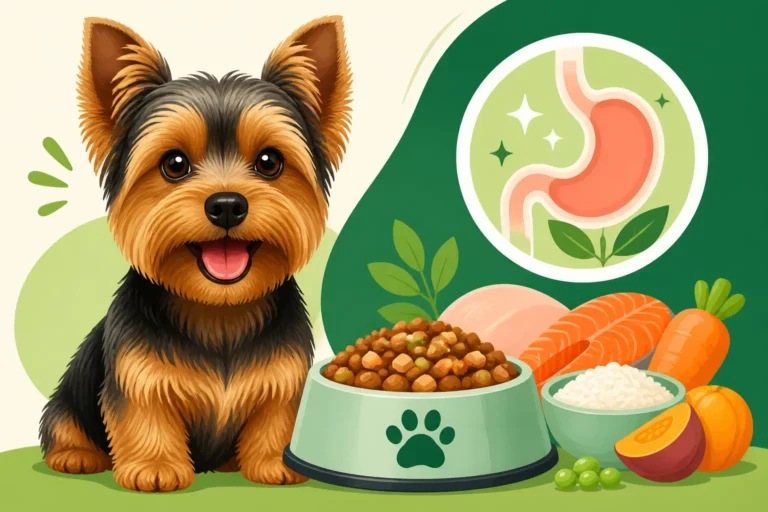
How to Feed a 8-Week-Old Yorkie
Bringing home a new 8-week-old Yorkshire Terrier puppy is an absolute joy, but it's also a time filled with a bit of anxiety, especially when it comes to their tiny tummies and what exactly to feed them. You’re holding this fragile, energetic little creature and it’s natural to feel overwhelmed, wondering if you’re providing the best start. This guide aims to clear up the confusion, offering a comprehensive, step-by-step approach to feeding your adorable 8-week-old Yorkie.
Understanding Your 8-Week-Old Yorkie's Unique Nutritional Needs
That adorable, playful fluffball you’ve just welcomed into your home has very specific dietary requirements that differ significantly from an older dog or even a slightly older puppy. Their small size and rapid growth rate mean they're burning through calories at an incredible pace, and their little systems are still developing. Ignoring these unique needs can lead to serious health issues, which is the last thing any loving Yorkie parent wants.
High Energy and Rapid Growth Requirements
Imagine trying to build a skyscraper with minimal materials – it just wouldn't work, right? Your 8-week-old Yorkie is essentially doing the equivalent, growing at an astonishing rate. Their tiny bodies are constantly developing bones, muscles, and organs, which demands a diet rich in high-quality protein and healthy fats. Their metabolism is incredibly fast, meaning they burn calories much quicker than larger breeds or adult dogs. This isn't a time for cutting corners on food quality or quantity; they need nutrient-dense meals to fuel this intense period of growth and maintain their boundless puppy energy. It's truly amazing how much energy these little guys pack into such a small frame, and their food needs to match that vibrancy.
Vulnerability to Hypoglycemia
This is perhaps one of the most critical aspects of feeding an 8-week-old Yorkie, and it’s something every new Yorkie owner needs to be acutely aware of. Hypoglycemia, or low blood sugar, is a common and dangerous condition in tiny toy breed puppies like Yorkshire Terriers. Their small bodies have very little fat reserves and can't store glucose effectively. If they go too long without food, or if their food isn't nutrient-dense enough, their blood sugar can plummet, leading to weakness, lethargy, disorientation, trembling, and even seizures. It's a terrifying experience for both puppy and owner. Understanding Yorkie Hypoglycemia: Emergency Signs is paramount. Consistent, frequent feeding is your primary defense against this silent threat, ensuring their blood sugar remains stable throughout the day. It really does put the pressure on to get their feeding schedule just right. You can read more about How to Prevent Hypoglycemia in Yorkie Puppies for an in-depth understanding.
Developing Digestive System
At eight weeks old, your Yorkie's digestive system is still very much a work in progress. It's delicate and can be easily upset by sudden changes in diet, poor quality ingredients, or overfeeding. This is why consistency is key. If you know what food your puppy was eating at the breeder's or rescue center, it's always best to stick with that food, at least initially. Any changes should be introduced very gradually over several days to a week to give their system time to adjust. Think of it like a human baby transitioning to solid foods; you wouldn't introduce a completely new, complex meal all at once. Their gut flora is still maturing, and abrupt shifts can lead to stomach upset, diarrhea, and a loss of appetite, which further exacerbates the risk of hypoglycemia.
Choosing the Right Food for Your Young Yorkie
Navigating the seemingly endless aisles of dog food can be daunting, especially when you're looking for the absolute best for your tiny new family member. For an 8-week-old Yorkie, the choice isn't just about taste; it's about providing the foundational nutrition that will support their health and development for years to come.
Puppy-Specific Formulations
When you’re looking at dog food, you’ll notice many options, but for an 8-week-old Yorkie, "puppy" food is non-negotiable, and "small breed puppy" food is even better. These specialized formulas are designed with the higher calorie, protein, and fat content that growing puppies require. They also contain appropriate levels of essential vitamins and minerals, such as calcium and phosphorus, crucial for healthy bone development. Many brands, like Royal Canin, even offer breed-specific formulas, such as Royal Canin Yorkshire Terrier Puppy, which are tailored to the unique needs of the breed, including kibble size that's easy for tiny mouths to chew. Avoid "all life stages" foods, as they generally don't provide the concentrated nutrition tiny, rapidly growing puppies need. You want food that is dense in nutrients without being overly bulky, as their little stomachs can only hold so much. If you're wondering about general choices, explore guides like Best Puppy Food for Yorkies to get an idea of popular and vet-recommended options.
Wet, Dry, or Fresh Food Options
The texture and type of food can also play a role in your Yorkie puppy's health and enjoyment.
- Dry Kibble: This is often the most convenient and cost-effective option. Look for small kibble sizes specifically designed for toy breeds to prevent choking and make it easier for their tiny jaws. High-quality dry kibble from reputable brands offers balanced nutrition. You can easily find these on platforms like Chewy or Amazon, which offer a wide variety of choices and often competitive pricing. Some owners might lightly moisten dry kibble with a little warm water to make it softer and more palatable, especially for very young puppies or those transitioning from a softer diet.
- Wet Food: Wet food can be highly appealing to puppies, as it's often more aromatic and palatable. It also provides extra hydration, which can be beneficial. However, wet food generally has a lower calorie density per volume compared to dry kibble, meaning your puppy might need to eat more of it to get the same caloric intake, which can be difficult for small stomachs. Some owners use wet food as a topper or mix-in with kibble to increase appeal.
- Fresh Food: A growing trend, fresh food options like those from Ollie, can offer highly digestible, human-grade ingredients. These can be excellent for sensitive stomachs or picky eaters, but they tend to be more expensive and require refrigeration. If you choose this route, ensure the formula is complete and balanced for puppies and ideally has been formulated by a veterinary nutritionist. Regardless of the type you choose, ensure the food you pick is appropriate for a puppy and not an adult dog.
Ingredients to Look For and Avoid
When you're scrutinizing those ingredient labels (and you absolutely should be!), here’s what to prioritize and what to steer clear of:
- Look For:
- High-Quality Animal Protein: The first ingredient should be a named meat source like "chicken meal," "lamb," "beef," or "salmon." These are crucial for muscle development. "Meat meal" is often concentrated protein, which is good.
- Healthy Fats: Essential for energy and a healthy coat. Look for chicken fat, salmon oil, or flaxseed. Omega-3 fatty acids are particularly beneficial for brain and eye development.
- Complex Carbohydrates: Whole grains like brown rice, oats, or barley provide sustained energy. If your puppy has sensitivities, some grain-free options exist, but always consult your vet about the necessity of a grain-free diet.
- Vitamins and Minerals: Ensure the food is fortified with essential nutrients, often listed as part of a "vitamin and mineral supplement blend."
- Probiotics/Prebiotics: These support a healthy digestive system, which is particularly important for a developing puppy.
- Avoid:
- Vague Meat By-products: While some by-products can be nutritious, vague terms like "meat by-products" without a specific animal source can be questionable.
- Excessive Fillers: Ingredients like corn, wheat, or soy in large quantities can be difficult for some puppies to digest and offer little nutritional value. While not inherently bad, if they are among the first few ingredients, it might mean lower quality overall.
- Artificial Colors, Flavors, and Preservatives: These offer no nutritional benefit and can sometimes trigger allergies or sensitivities. Natural preservatives like mixed tocopherols (Vitamin E) are preferable.
- Excessive Sugars: Avoid foods with added sugars, which can contribute to dental problems and unnecessary weight gain.
Making an informed decision about your Yorkie's food is one of the most important choices you'll make for their long-term health.
Establishing a Proper Feeding Schedule and Portion Control
One of the biggest concerns for new Yorkie parents is figuring out when and how much to feed their tiny furball. This isn't just about preventing hunger; for an 8-week-old Yorkie, a consistent feeding schedule is a cornerstone of preventing serious health issues like hypoglycemia. Their small stomachs can only hold so much, yet their high metabolism demands frequent refueling.
The Importance of Frequent Small Meals
Forget the idea of feeding your puppy just twice a day; an 8-week-old Yorkie needs to eat much more frequently. Because of their tiny size and fast metabolism, their blood sugar can drop dangerously low if they go too long between meals. This is why small, frequent meals are non-negotiable. Aim for at least 4-5 meals spread throughout the day, and for some very tiny or particularly active puppies, even 6 meals might be necessary. This steady supply of nutrients helps to stabilize their blood sugar levels, preventing the dreaded hypoglycemia. It also aids in digestion, as their immature systems can process smaller amounts of food more efficiently. Think of it as grazing rather than feasting, which is far better for their delicate bodies. Many guides like Yorkie Feeding Schedule by Age will strongly advocate for this approach, especially during these crucial early weeks.
Sample Daily Feeding Schedule
Creating a structured schedule brings predictability for your puppy and peace of mind for you. Here’s a sample schedule, but remember to adjust it based on your puppy's individual needs, activity level, and the advice from your veterinarian. The key is consistency.
| Time | Meal Type | Notes |
|---|---|---|
| 7:00 AM | Breakfast | First meal of the day, essential after a long night. |
| 10:00 AM | Mid-Morning | Crucial to prevent blood sugar dips before noon. |
| 1:00 PM | Lunch | Midday boost of energy and nutrients. |
| 4:00 PM | Mid-Afternoon | Keeps their energy levels steady until dinner. |
| 7:00 PM | Dinner | Final meal before bedtime, but not too close to sleep to avoid nighttime accidents. |
| Optional: 10:00 PM | Late Night Snack | For very tiny puppies or those prone to hypoglycemia, a small snack can be life-saving. |
Ensure fresh water is available at all times. This schedule also provides excellent opportunities for potty training, as puppies often need to relieve themselves shortly after eating. This routine is a foundational element in Yorkshire Terrier Puppy Training Schedule, reinforcing good habits from the start.
Determining Correct Portion Sizes
Figuring out the "right" amount of food can feel like a guessing game. Overfeeding can lead to digestive upset and obesity, while underfeeding, especially for a Yorkie puppy, can be life-threatening due to hypoglycemia.
- Read the Food Label First: Start by carefully reading the feeding guidelines on your chosen puppy food. These guidelines usually provide a recommended daily amount based on the puppy's current weight and age. Remember this is a daily total.
- Divide the Total: Take that total daily amount and divide it by the number of meals you plan to feed. For example, if the label recommends 1/2 cup per day, and you're feeding 5 times a day, each meal would be 1/10th of a cup. This might seem like a minuscule amount, but for a tiny Yorkie puppy, it's appropriate.
- Monitor and Adjust: These guidelines are just a starting point. Your puppy's activity level, metabolism, and individual growth rate will influence their actual needs.
- Monitor their weight: Are they gaining weight steadily? You should be able to feel their ribs easily, but not see them protruding.
- Monitor their energy levels: A well-fed Yorkie puppy should be playful and energetic, not lethargic or restless.
- Monitor their stool: Healthy, firm stools indicate good digestion. Loose stools can suggest overfeeding or an unsuitable food.
- Consult Your Vet: Always discuss your puppy's diet and weight with your veterinarian during check-ups. They can provide personalized advice based on your puppy's health status and growth curve. Never hesitate to ask for specific portion recommendations tailored to your individual puppy. Getting How Much to Feed a Yorkshire Terrier right is crucial for their development.
Common Feeding Challenges and Solutions
Even with the best intentions and the right food, feeding an 8-week-old Yorkie puppy can come with its own set of unique hurdles. These tiny dogs, for all their charm, can present some specific challenges that require patience and understanding. Being prepared for these can save you a lot of worry and ensure your puppy thrives.
Dealing with Picky Eaters
It's a common scenario: you’ve carefully selected a high-quality puppy food, set up a perfect schedule, and your little Yorkie turns their nose up at it. Yorkies, even as puppies, can be notoriously picky eaters, often preferring variety or human foods. This can be incredibly frustrating and concerning, especially given their vulnerability to hypoglycemia.
- Stick to a Schedule: While you might be tempted to leave food out all day, this can actually encourage pickiness. Offer meals at set times. If your puppy doesn't eat within 15-20 minutes, pick up the food until the next scheduled meal. This teaches them that food is available at certain times and encourages them to eat when it's offered.
- Avoid Free Feeding: Leaving a bowl of food out all day makes it difficult to monitor how much they’re actually eating and can contribute to pickiness.
- Enhance Appeal: Sometimes a little something extra can make a huge difference. Try adding a tiny bit of warm water to dry kibble to soften it and release the aroma. A small dollop of wet puppy food (from the same brand or a compatible one) mixed in can also increase palatability. A few drops of low-sodium chicken broth can work wonders.
- Rule Out Medical Issues: If your puppy suddenly becomes a picky eater, or if they’re refusing food for an extended period, it's crucial to rule out underlying health problems. A visit to the vet for a Puppy Yorkshire Terrier Health Checklist is a good idea to ensure there’s nothing medical contributing to their reluctance to eat. A minor tooth issue, stomach upset, or even just feeling unwell can easily deter a tiny puppy from eating. Check out How to Help a Picky Yorkie Eat for more detailed strategies.
Preventing and Recognizing Hypoglycemia Symptoms
We've touched on this before, but it bears repeating because it's such a critical concern for tiny Yorkie puppies. Prevention is always better than treatment.
- Strict Feeding Schedule: The absolute best way to prevent hypoglycemia is through consistent, frequent feeding as outlined in the sample schedule. Never let your 8-week-old Yorkie go more than 3-4 hours without food during the day.
- High-Quality, Nutrient-Dense Food: Ensure the food you choose is specifically formulated for small breed puppies and provides sufficient calories and nutrients to sustain their high metabolism.
- Monitor Energy Levels: Pay close attention to your puppy's behavior. Signs of hypoglycemia can appear suddenly.
- Early Signs: Lethargy, weakness, excessive sleepiness, shivering, trembling, an unsteady gait. Your normally playful puppy might seem unusually quiet or "off."
- Advanced Signs: Disorientation, collapse, seizures, unresponsiveness.
- Emergency Kit: Always have an emergency sugar source on hand. This could be Nutri-Cal (a high-calorie nutritional supplement often recommended by vets), Karo syrup, or even honey. If you notice any early signs of hypoglycemia, immediately rub a small amount of one of these sugary substances on your puppy’s gums. This can quickly raise their blood sugar.
- Immediate Vet Care: Even after administering sugar, contact your veterinarian right away. Hypoglycemia can be very serious, and your puppy may need professional medical attention to stabilize their condition and identify the underlying cause. Don't take chances. Learn more about Yorkie Hypoglycemia: Emergency Signs to be fully prepared.
Transitioning Food
Whether you're switching from the breeder's food to your chosen brand, or simply moving from one puppy food to another, the transition needs to be gradual to avoid digestive upset. An 8-week-old Yorkie’s stomach is sensitive, and sudden changes can lead to diarrhea or vomiting, which can quickly dehydrate a tiny puppy and put them at risk for hypoglycemia.
- The Gradual Mix: Start by mixing a small amount of the new food with their current food. A good rule of thumb is to introduce the new food over a period of 7-10 days.
- Days 1-3: 75% old food, 25% new food.
- Days 4-6: 50% old food, 50% new food.
- Days 7-9: 25% old food, 75% new food.
- Day 10 onwards: 100% new food.
- Monitor Closely: During this transition, keep a close eye on your puppy's appetite, energy levels, and stool consistency. If you notice any signs of digestive upset (vomiting, diarrhea, loss of appetite), slow down the transition and revert to the previous ratio for a few extra days until their system settles.
- Small Breed Specifics: Remember that any new food, even if it's a small breed puppy formula, might take some getting used to. Patience is key. If you're struggling to find a food that agrees with your Yorkie's sensitive stomach, your vet can provide recommendations, potentially including prescription diets or specific brands like Hill's Science Diet or Purina Pro Plan, which are widely available on Chewy and Amazon. For deeper insights into managing sensitivities, you might find valuable information in Common Yorkie Puppy Illnesses.
Disclaimer
The information provided in this guide is for general informational purposes only and is not a substitute for professional veterinary advice. Always consult with a qualified veterinarian regarding any medical concerns or before making any changes to your Yorkshire Terrier's diet or care routine.