How to Give a Yorkie a Teddy Bear Cut
It's a common struggle for Yorkie parents: you want your little fur baby to look adorable, but their fine, fast-growing hair can quickly become a tangled mess or start getting in their eyes. You might dream of that perfectly coiffed, impossibly cute "teddy bear" look, but tackling it yourself at home can feel like a daunting task. This comprehensive guide will walk you through everything you need to know about giving your Yorkshire Terrier that charming teddy bear cut, making at-home grooming less intimidating and more rewarding.
Understanding the Teddy Bear Cut for Your Yorkie
The Teddy Bear cut is a beloved style for many small breeds, especially Yorkshire Terriers, because it beautifully accentuates their adorable features while offering a manageable length. It's a fantastic choice for pet parents who want their Yorkie to look perpetually youthful and cuddly.
What Exactly is the Teddy Bear Cut?
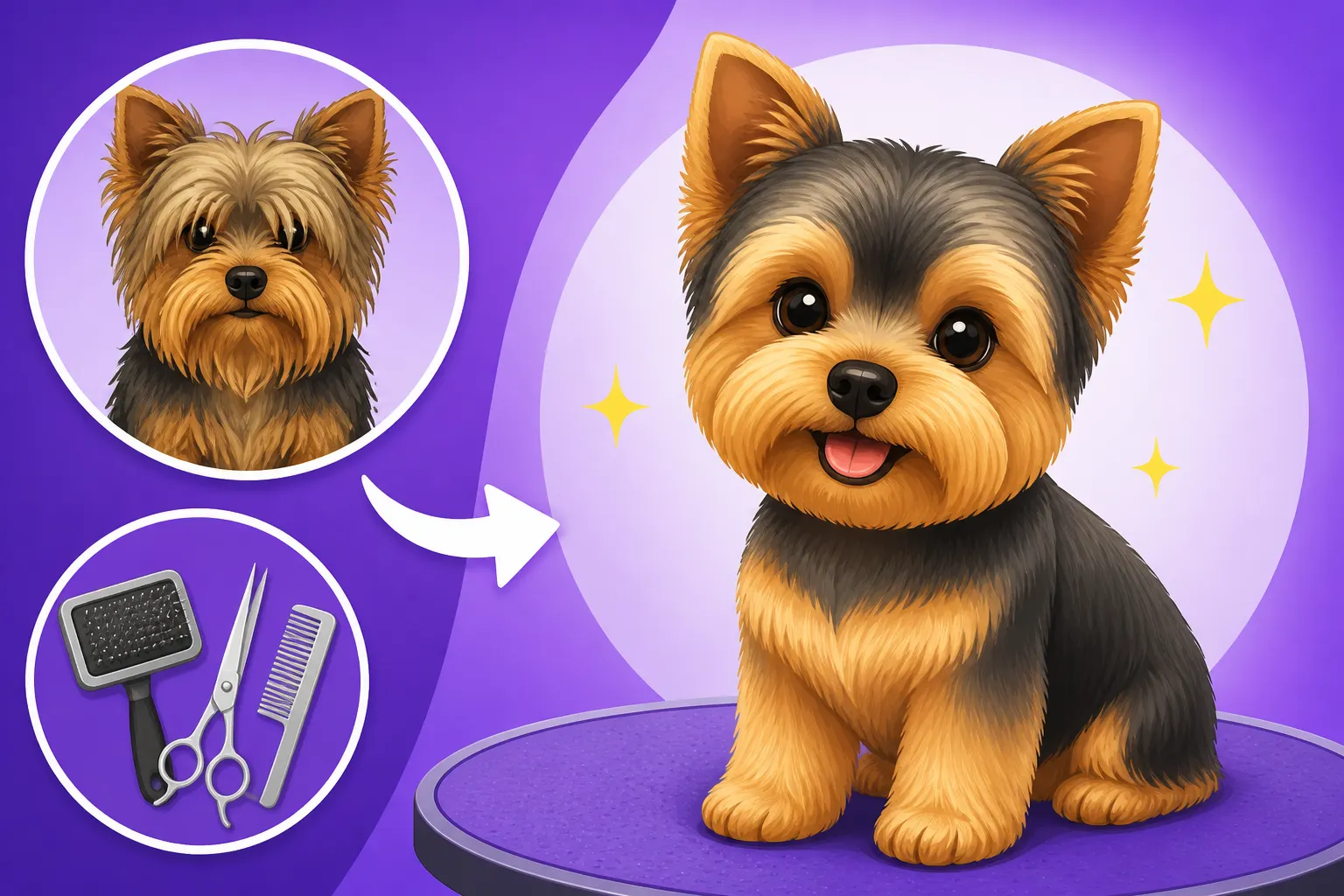
The Teddy Bear cut is characterized by keeping the hair relatively short and even all over the body, typically between 1/2 inch to 1 inch in length, with the hair on the head and face left slightly longer and rounded. The goal is to create a soft, plush, and rounded appearance that mimics a child's teddy bear. Unlike the traditional long, flowing show coat of a Yorkie, this style is practical, low-maintenance (compared to a full show coat), and reduces the risk of matting. It emphasizes a rounded face, often with the hair around the eyes and muzzle trimmed to create a sweet, open expression. This contrasts sharply with a classic Yorkie Puppy Cut: What to Know, which tends to be even shorter and more uniform all over.
When done correctly, the Teddy Bear cut gives your Yorkie a fluffy, approachable look that highlights their bright eyes and perky ears. It's not about shaving them down, but about strategic trimming to achieve that soft, plush aesthetic.
Why Choose This Style for Your Fur Baby?
There are so many reasons why the Teddy Bear cut is a popular choice among Yorkie owners, especially those of us living busy lives. First and foremost, it’s incredibly practical. Yorkies have long, silky hair that can easily drag on the ground, pick up debris, and become matted if not brushed daily. A shorter cut significantly reduces the time you spend on daily brushing and helps prevent those painful tangles that can lead to skin irritation. Think about how much easier it is to keep them clean after a romp in the park or a rainy walk!
Beyond practicality, the Teddy Bear cut is simply charming. It gives your Yorkie a perpetually youthful and sweet appearance, which many owners adore. It’s also often a cooler option for warmer climates, as less hair helps them regulate their body temperature. Furthermore, for Yorkies who might be prone to eye irritation from long hair constantly falling into their faces, this cut keeps the hair neatly trimmed around their eyes, improving their comfort and vision. It’s a great way to balance aesthetics with your dog's overall well-being and your convenience as an owner.
Tools and Supplies You'll Need
Before you embark on your DIY grooming adventure, gathering the right tools is crucial. Having everything at hand will make the process smoother and safer for both you and your Yorkie. Investing in good quality tools might seem like an upfront cost, but it pays off in the long run, saving you money on professional grooming and ensuring a better experience for your pet. You can find a wide range of these supplies on platforms like Chewy or Amazon, offering everything from clippers to shampoos.
Here's a breakdown of the essentials:
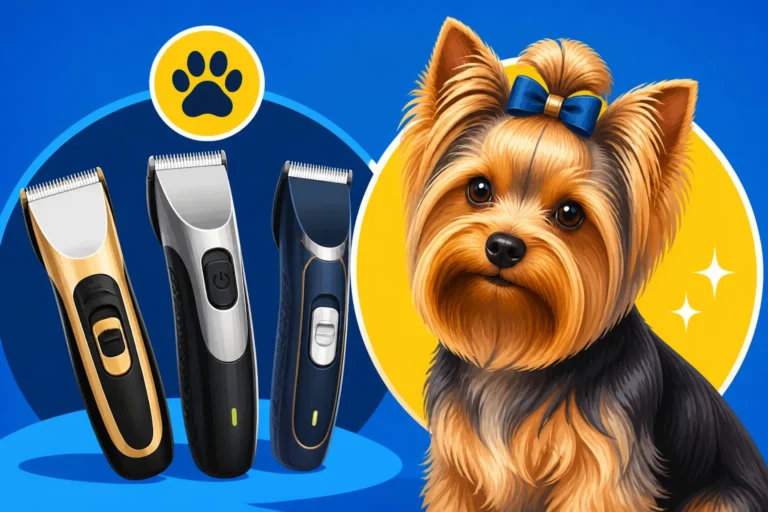
- Dog Clippers: Opt for quiet, professional-grade clippers specifically designed for small dogs. Vibrating clippers can scare sensitive Yorkies. A good set will have detachable blades of various sizes. Look for a #7F or #10 blade for the body, and maybe a #30 or #40 blade for sanitary areas. And don't forget clipper oil and coolant spray to keep the blades running smoothly and cool. A solid choice like the Andis ProClip or Wahl Bravura can make a huge difference in the ease and safety of the cut.
- Grooming Shears: You'll need a few types:
- Straight Shears: For general trimming and shaping.
- Curved Shears: Excellent for creating those rounded, teddy bear contours on the head and paws.
- Thinning Shears: To blend uneven areas and soften harsh lines, especially on the face.
- Blunt-Nosed Scissors: Absolutely essential for safely trimming around delicate areas like the eyes and ears. Safety first!
- Metal Comb: A good quality metal comb with both wide and fine teeth is indispensable for detangling and checking for mats before and during the cut. It also helps you section the hair.
- Slicker Brush: Use this before bathing to remove loose hair and minor tangles. This is part of the essential Yorkshire Terrier Grooming Guide.
- Dog Shampoo and Conditioner: Choose a high-quality, tearless shampoo specifically formulated for dogs. A good conditioner will help soften the coat, making it easier to comb through.
- High-Velocity Dryer (Optional but Recommended): A professional dog dryer significantly speeds up drying time and helps straighten the coat, making it easier to clip evenly. If you don't have one, a regular hairdryer on a cool setting will do, but avoid direct heat.
- Styptic Powder: Accidents happen. This powder quickly stops bleeding from small nicks, especially when trimming nails.
- Grooming Table with Arm (Optional but Highly Recommended): A sturdy grooming table with a noose or leash attached keeps your Yorkie safely in place, at a comfortable height for you, reducing strain on your back and making it easier to work.
Gathering these tools beforehand will set you up for success and help ensure a smooth, stress-free grooming session for both you and your beloved Yorkie.
Step-by-Step Guide to Achieving the Teddy Bear Cut at Home
Ready to transform your Yorkie into a fluffy, adorable teddy bear? This step-by-step guide will walk you through the process, focusing on safety and achieving that signature rounded look. Remember, patience is your best friend here, especially if it's your first time.
Preparation is Key
A successful grooming session starts long before the clippers even come out. Proper preparation ensures a clean, tangle-free coat, which is vital for an even cut and prevents frustrating snags for your dog.
First, brush your Yorkie thoroughly. Use your slicker brush and then follow up with a metal comb to ensure there are absolutely no knots or mats. This is not just for aesthetics; trying to clip through matted hair can be painful for your dog and can damage your clippers. Focus on areas prone to matting like behind the ears, under the legs, and around the tail. If you find stubborn mats, try to gently work them out with a detangling spray and your comb. If they're too tight, it might be safer to carefully cut them out with blunt-nosed scissors before bathing, taking extreme caution to avoid the skin. You can find more tips on How to Prevent Yorkie Matting in our other guides.
Next, it's bath time! How Often to Bathe a Yorkshire Terrier can vary, but for a good haircut, a freshly washed dog is essential. Use a dog-specific shampoo and conditioner. Lather thoroughly, ensuring you reach the skin, and rinse completely. Any residue can irritate the skin or make the coat sticky. After the bath, gently squeeze out excess water with a towel, then use a high-velocity dryer if you have one, or a regular hairdryer on a cool setting. It's crucial to dry your Yorkie's coat completely and straight, brushing as you dry. A fluffy, straight coat allows for a much more even trim. If the hair is still curly or damp, your cut will likely be uneven and won't look as clean.
Trimming the Body
Now for the main event: trimming the body. This is where you'll establish the overall length and shape for that cuddly teddy bear look.
Start with your clippers fitted with a #7F or #10 blade. The "F" on the blade means "finish," indicating a full-tooth blade that leaves a smooth, even cut. A #7F blade will leave the hair slightly longer, about 1/8 inch, while a #10 blade will be a bit shorter, around 1/16 inch. For a plush teddy bear look, I often lean towards the #7F. Always run the clippers with the direction of hair growth to achieve a slightly longer, softer finish. If you go against the grain, the cut will be much shorter, almost like a buzz cut, which isn't the look we're going for here.
Work systematically from the back of your Yorkie's neck, down their back, and along their sides. Use long, smooth, overlapping strokes. Pay close attention to consistency to avoid choppy lines. When you reach the chest and belly, you can use the same blade. Be extra careful around sensitive areas like the armpits and groin. For the sanitary area, you might switch to a #10 or even a #30 blade to trim very short for hygiene, always pulling the skin taut to prevent nicks.
Once you’ve clipped the main body, step back and assess your work. Look for any missed spots or uneven patches. You can go over them again with the clippers, ensuring the blade is cool. Remember, you can always take more off, but you can't put it back on, so start with a slightly longer blade if you're unsure, and you can always go shorter.
Shaping the Head and Face
This is arguably the most crucial part of the Teddy Bear cut, as it defines the "teddy bear" look. This is where patience and precision truly shine. The goal is to create a soft, rounded face that highlights your Yorkie's expressive eyes.
First, using your blunt-nosed scissors, carefully trim the hair around your Yorkie's eyes. You want to clear the hair so it doesn't fall into their eyes or obstruct their vision. Trim a small, neat semicircle above each eye and trim any wisps growing between the eyes that could irritate them. Always point the scissors away from the eye and keep a firm, but gentle, hold on your dog's head. You can refer to our detailed guide on How to Trim Around a Yorkie's Eyes for more in-depth instructions.
Next, use your straight or curved shears to shape the top of the head and the muzzle. For the topknot, instead of letting it grow long, you'll trim it to a rounded shape that blends into the ears. Comb the hair upwards, then trim horizontally across, creating a soft, slightly domed top. For the muzzle, comb the beard forward and trim in a rounded shape, blending it into the cheek hair. The idea is to create a puffy, rounded appearance that resembles a teddy bear’s face. Don't go too short here; you want volume.
Finally, tackle the ears. Many Yorkie owners prefer to keep the hair on the tips of the ears very short, or even shaved with a #10 blade, to encourage them to stand erect. Trim any long fringes on the inside and outside of the ear leathers with your blunt-nosed scissors or a #10 clipper blade, being careful not to cut the delicate skin. This helps give a clean, alert appearance. Use your thinning shears to blend any harsh lines on the face or where the head hair meets the body hair, creating a seamless, soft transition.
Detailing the Paws and Tail
These finishing touches are essential for a polished Teddy Bear look and for your Yorkie's comfort.
For the paws, you want a neat, rounded "poodle foot" appearance. Start by carefully trimming the hair between the paw pads using a small clipper blade (like a #30 or #40) or blunt-nosed scissors. This is crucial for hygiene and preventing debris buildup. Then, comb the hair on top of the paw forward and trim around the paw in a neat, rounded circle, following the natural shape of the foot. You can use curved shears for this to achieve that perfect rounded look. This helps prevent tracking dirt indoors and reduces matting potential between the toes. Don't forget to check their nails! If they're long, gently trim them using dog nail clippers, being careful to avoid the quick.
The tail can be left a bit longer than the body hair, but should still be trimmed for neatness and a soft, fluffy look. Comb the tail hair out and trim it to your desired length, aiming for a natural, flowing plume that isn't dragging on the ground. You can gently thin it if it looks too bushy. The goal is a balanced look that complements the overall teddy bear style. Remember to stand back and view your Yorkie from all angles to ensure symmetry and an even finish on all these details.
| Tool Type | Recommended Use | Blade/Shear Type | Where to Find |
|---|---|---|---|
| Clippers | Body trimming, sanitary areas | #7F, #10, #30 (for sanitary) | Chewy, Amazon, Petco, PetSmart |
| Straight Shears | General trimming, achieving length | Straight edge | Chewy, Amazon, Petco, PetSmart |
| Curved Shears | Shaping rounded areas (head, paws) | Curved edge | Chewy, Amazon, professional grooming suppliers |
| Thinning Shears | Blending harsh lines, softening transitions | Serrated edge | Chewy, Amazon, professional grooming suppliers |
| Blunt-Nosed Scissors | Safely trimming around eyes, ears, delicate spots | Blunt tips | Chewy, Amazon, local pet stores |
| Metal Comb | Detangling, checking for mats, sectioning hair | Wide and fine teeth | Chewy, Amazon, local pet stores |
| Slicker Brush | Pre-bath detangling, removing loose hair | Wire bristles | Chewy, Amazon, local pet stores |
| Dog Shampoo/Cond. | Cleaning coat for an even cut | Tearless, pH-balanced | Chewy, Amazon, local pet stores |
| Styptic Powder | Emergency use for nicks | Powder | Chewy, Amazon, local pet stores |
Maintaining the Teddy Bear Cut and Your Yorkie's Coat Health
Getting that perfect Teddy Bear cut is only half the battle. To keep your Yorkie looking their best and feeling comfortable, regular maintenance is absolutely essential. The good news is that this cut is much easier to maintain than a full show coat, but it still requires attention.
Regular Brushing and Bathing
Even with a shorter teddy bear cut, your Yorkie's hair can still tangle, especially behind the ears, in the armpits, and on their hind legs. A quick, thorough brush every couple of days will make a huge difference in preventing mats. Use a metal comb to check for any small tangles you might miss with a brush. Make it a positive experience with treats and praise, and your Yorkie will learn to enjoy their grooming time. For more in-depth tips, check out our guide on How to Brush a Yorkie's Coat.
Regarding baths, while less frequent than with a long coat, they're still necessary. Depending on your Yorkie's activity level and skin type, a bath every 2-4 weeks is generally sufficient. Use a high-quality, moisturizing dog shampoo and conditioner to keep their skin and coat healthy. Always ensure you rinse thoroughly and dry completely to prevent skin irritation and matting. We have a dedicated article on How Often to Bathe a Yorkshire Terrier that can help you establish a routine.
Diet and Coat Health
What your Yorkie eats has a direct and significant impact on the health and appearance of their coat. A dull, dry, or excessively shedding coat can often be a sign that their diet isn't providing all the nutrients they need.
Look for high-quality dog foods that list a named meat source (like chicken, beef, or salmon) as the first ingredient. Essential fatty acids, particularly Omega-3 and Omega-6, are vital for skin and coat health. These are often found in ingredients like fish oil, flaxseed, and certain animal fats. Brands like Ollie offer fresh, human-grade dog food that can be fantastic for promoting a shiny, healthy coat due to its high-quality ingredients and balanced nutrition. Even if you feed kibble, choosing a premium brand available on Chewy, like Wellness Core or Blue Buffalo, can make a difference. These brands often include added vitamins and minerals specifically for skin and coat health.
Avoid foods with excessive fillers, artificial colors, or by-products, as these offer little nutritional value and can sometimes trigger allergies, which manifest as skin issues and a poor coat. Providing your Yorkie with a balanced, nutrient-rich diet is one of the best ways to ensure their beautiful teddy bear coat stays soft, shiny, and healthy from the inside out. For more detailed recommendations, see our article on Best Dog Food for Yorkshire Terriers.
Common Challenges and Troubleshooting
Even experienced groomers encounter challenges, so don't be discouraged if you hit a few bumps. The key is to learn how to troubleshoot them effectively.
One of the most common issues, even with a shorter cut, is matting. If you find a small mat, try to gently work it out with your fingers, a detangling spray, and a metal comb. If it’s too tight, it might be safer to carefully cut it out with blunt-nosed scissors (always pointing away from the skin) rather than pulling on your dog's skin. Prevention is always better than cure, so regular brushing is paramount.
Another challenge can be uneven cuts. If your Yorkie moves a lot or you're new to grooming, you might end up with some choppy spots. Don't panic! Use your thinning shears to blend these areas. Thinning shears are great for softening lines and making the cut look more natural, even if it's not perfectly even. Take small snips, step back, and assess before taking more. Remember, consistency in your clipping direction (with the grain) and overlapping strokes helps minimize unevenness.
Clipper burn can also occur if blades get too hot or if you press too hard. Always use coolant spray on your blades, and give them a break if they get warm. If your dog develops red skin after grooming, apply a soothing, pet-safe balm and consult your vet if it doesn't improve. Always ensure your clippers are clean and well-oiled before use to prevent dragging and pulling on the hair, which can also be uncomfortable for your Yorkie.
When to Seek Professional Grooming
While DIY grooming can be incredibly rewarding and cost-effective, there are definitely times when handing your Yorkie over to a professional groomer is the best course of action. Knowing when to call in the experts can save you stress, prevent injuries to your dog, and ensure they get the best possible care.
Benefits of a Professional Groomer
Professional groomers bring a wealth of experience, specialized tools, and a trained eye that many home groomers simply can't replicate.
- Expertise and Technique: Professionals are skilled in handling all temperaments, including squirmy or anxious dogs. They know how to safely use sharp tools, identify potential skin issues, and execute intricate cuts like the Teddy Bear with precision and consistency. They can also offer advice tailored to your Yorkie's specific coat type and needs.
- Specialized Equipment: Grooming salons have high-quality clippers, a wide array of shears, professional-grade dryers, and sturdy grooming tables that make the process safer and more efficient. Their powerful dryers can remove shedding undercoat and straighten the hair perfectly for a clean cut, something difficult to achieve at home without the right equipment.
- Reduced Stress for You and Your Yorkie: If your Yorkie is particularly resistant to grooming, or if you find the process too stressful, a professional can often handle it with less fuss. They are accustomed to nervous dogs and have techniques to make the experience as calm as possible. This can prevent negative associations with grooming for your dog.
- Comprehensive Care: Beyond just the haircut, professional groomers often include services like ear cleaning, nail trims, and anal gland expression in their packages. These are crucial aspects of your Yorkie's overall hygiene that can be tricky or uncomfortable to perform at home.
Knowing When to Throw in the Towel
It's okay to admit that some tasks are better left to the professionals. Here are some signs it might be time to book an appointment with a professional groomer:
- Severe Matting: If your Yorkie's coat is severely matted, especially if the mats are tight against the skin, attempting to remove them yourself can be extremely painful and dangerous. Professional groomers have the tools and expertise to safely shave off matted coats, often requiring specialized techniques to avoid cutting the skin.
- Anxious or Aggressive Behavior: If your Yorkie becomes overly stressed, anxious, or even aggressive during grooming sessions, it's a clear sign that professional help is needed. Forcing the issue can create a lasting negative association with grooming, making future attempts even harder.
- Lack of Confidence or Time: If you simply don't feel confident in your ability to use sharp tools safely, or if you don't have the several hours required for a thorough grooming session, there's no shame in seeking professional help. A poorly executed cut can look bad, but more importantly, it can hurt your dog.
- Health Concerns: If you notice any skin irritations, lumps, bumps, or unusual smells during your home grooming, a professional groomer can sometimes spot these issues. While they can't diagnose, they can advise you to see your vet, which ties into the importance of budgeting for Yorkshire Terrier Vet Costs and Health Budget. Some complex health conditions, like severe Yorkshire Terrier Dental Disease: Signs and Care, might also necessitate regular professional attention, including dental cleanings, which a groomer can't do but often works in tandem with.
Ultimately, the goal is your Yorkie's comfort, health, and happiness. Whether you choose to groom at home or opt for professional services, regular grooming is a vital part of caring for your little companion.
Disclaimer
This guide is intended for informational purposes only and should not replace professional veterinary advice. Always consult with your veterinarian for any health concerns or before making significant changes to your pet's diet or care routine. While grooming at home can be safe and rewarding, always prioritize your pet's safety and well-being. If you are unsure about any grooming technique, or if your pet exhibits distress or aggression, seek assistance from a professional groomer or veterinarian.