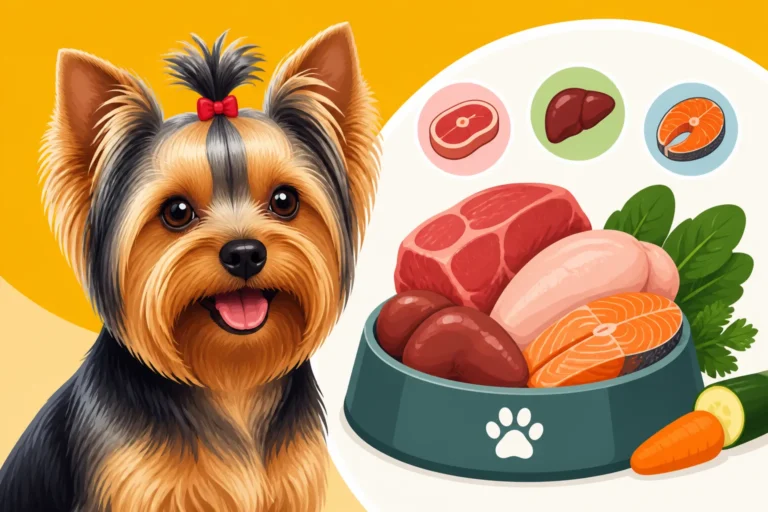
Best Puppy Food for Yorkies
Bringing home a Yorkshire Terrier puppy is such an exciting time, full of tiny paws, playful nips, and endless cuddles. But amidst all that joy, the question of what to feed your pint-sized companion can quickly become a source of genuine worry and confusion. It feels like there are a million options on the market, all claiming to be the "best," leaving you wondering how to choose the perfect food to support your little Yorkie's delicate growth and vibrant energy. This guide is here to cut through the noise and provide clear, empathetic, and detailed advice on selecting the ideal puppy food for your beloved Yorkshire Terrier.
Why Puppy-Specific Food is Crucial for Your Growing Yorkie
It’s easy to think, "food is food, right?" Especially when you’re looking at a dog food aisle that seems to stretch for miles. But for a Yorkshire Terrier puppy, feeding them anything less than a diet specifically formulated for puppies of their size can have significant, long-lasting consequences. Their bodies are little powerhouses of development, and they need fuel that matches that intense growth spurt.
The Unique Metabolic Needs of Yorkshire Terrier Puppies
Yorkie puppies are not just smaller versions of adult Yorkies; their nutritional requirements are distinct and demanding. Think about it: they're growing rapidly, building bones, muscles, and developing their immune systems at an incredible pace. This requires a higher concentration of calories, protein, and specific nutrients compared to an adult dog. Their tiny stomachs and high metabolism mean they need calorie-dense food in smaller, more frequent meals. It's a delicate balance, and getting it wrong can lead to serious health issues. You're not just feeding a pet; you're nurturing a rapidly developing creature.
A common and often terrifying concern for Yorkie puppy owners is hypoglycemia, or low blood sugar. Because of their small size and high metabolism, Yorkie puppies can burn through their energy reserves incredibly quickly, especially if they skip a meal, are overly stressed, or expend a lot of energy playing. A puppy food formulated with the right balance of fats and carbohydrates provides a steady release of energy, helping to stabilize blood sugar levels and keep this dangerous condition at bay. This is why understanding Yorkie Hypoglycemia: Emergency Signs is so crucial, but prevention through diet is your first line of defense.
Avoiding Common Puppy Health Pitfalls with Proper Nutrition
Beyond hypoglycemia, proper puppy nutrition is a cornerstone for preventing a host of other health problems that Yorkies can be prone to. A diet lacking in essential fatty acids might lead to a dull coat and dry, flaky skin, rather than the luxurious, silky hair Yorkies are known for. Inadequate calcium and phosphorus can hinder proper bone development, potentially exacerbating issues like patellar luxation, a common Yorkshire Terrier Patellar Luxation: Signs and Care condition where the kneecap slips out of place.
Furthermore, a well-balanced puppy diet supports a strong immune system, making your Yorkie less susceptible to common puppy illnesses. It lays the groundwork for a lifetime of health, impacting everything from their dental health to their cognitive function. Neglecting to provide appropriate puppy food means you're potentially setting your furry friend up for preventable health challenges down the road. It’s an investment in their future well-being, both physically and mentally.
Decoding the Label: Essential Nutrients for Yorkie Puppy Food
Stepping into the pet store or browsing online at places like Chewy can be overwhelming. The bags are plastered with buzzwords and enticing claims. But what really matters is what's inside – the nutritional breakdown. For a Yorkie puppy, certain ingredients and nutrient ratios are absolute non-negotiables to ensure they thrive.
Protein Power: Fueling Growth and Development
Protein is the absolute bedrock of a growing puppy's diet. It’s essential for building strong muscles, developing healthy organs, repairing tissues, and creating enzymes and hormones. Without sufficient high-quality protein, your Yorkie puppy's growth will be stunted, and their overall health will suffer.
When you’re examining a food label, the first few ingredients are key. Look for a named meat source like chicken, turkey, lamb, or salmon as the primary ingredient. Phrases like "meat meal" (e.g., "chicken meal") are often excellent sources of concentrated protein, as much of the water content has been removed, leaving a higher percentage of protein per serving. Avoid foods that list generic "meat by-products" or unclear "animal protein" as the main protein source, as their quality can be inconsistent. For a Yorkie puppy, a minimum of 28-32% crude protein is generally recommended, though some premium small-breed puppy formulas might be even higher. This robust protein intake supports their rapid development and high energy output.
Fats and Carbs: Energy for Their Tiny, Bustling Bodies
While protein builds, fats and carbohydrates provide the energy your little Yorkie needs to explore, play, and grow. Fats are incredibly calorie-dense, providing concentrated energy, and they also play a vital role in nutrient absorption, hormone production, and maintaining a healthy skin and coat. Look for healthy fats like chicken fat, salmon oil, or flaxseed oil, which also supply essential omega-3 and omega-6 fatty acids.
Carbohydrates are another crucial energy source, providing immediate fuel for your puppy's high metabolism. Good sources include easily digestible ingredients like sweet potatoes, brown rice, oats, or peas. Avoid foods with excessive fillers like corn or soy, which offer less nutritional value and can sometimes contribute to digestive upset in sensitive Yorkie stomachs. The goal is steady, sustained energy, not quick spikes and crashes. A balanced puppy food will typically contain around 15-25% crude fat.
Vitamins, Minerals, and DHA: Building Blocks for Health
Beyond the macros, a comprehensive blend of vitamins and minerals is absolutely critical for a Yorkie puppy's development. Calcium and phosphorus are essential for strong bone and teeth development, but their ratio must be carefully balanced – too much or too little of either can cause problems. Vitamins A, D, E, and K, along with B vitamins, support everything from vision and immune function to metabolism and nerve health.
One superstar nutrient often highlighted in puppy foods is DHA (Docosahexaenoic Acid), an omega-3 fatty acid crucial for brain and eye development. It's often found in fish oils. Including DHA in your puppy's diet can contribute to better cognitive function and training ability, giving your bright little Yorkie an extra edge. Reputable puppy foods will also include prebiotics and probiotics to support a healthy gut microbiome, which is vital for digestion and overall immunity. These tiny additions make a massive difference in supporting a robust and healthy start for your Yorkie.
Navigating the Puppy Food Aisle: Types and Considerations
With so many different types of puppy food available, it’s easy to feel lost. Do you go for dry kibble or wet food? What about all these specialty diets? Let’s break down the common choices and what to consider for your Yorkie puppy.
Dry Kibble vs. Wet Food: Pros and Cons for Yorkies
Dry Kibble:
This is perhaps the most common type of dog food, and for good reason. High-quality dry kibble is designed to be nutritionally complete and balanced, offering a convenient and cost-effective feeding option. The crunchy texture can also help keep teeth cleaner by reducing plaque and tartar buildup, which is a major bonus for a breed prone to Yorkshire Terrier Dental Disease: Signs and Care. Many premium small-breed puppy kibbles feature smaller kibble sizes, perfect for a Yorkie's tiny mouth and jaw, making it easier for them to chew and digest. Brands like Royal Canin and Hill's Science Diet offer excellent small-breed specific puppy formulas.
However, dry kibble can be less palatable for some picky eaters, and its lower moisture content means you need to ensure your Yorkie is drinking plenty of water. For very young puppies, or those with dental issues, dry kibble might need to be moistened with warm water to make it easier to consume.
Wet Food (Canned or Pouched):
Wet food is often much more palatable due to its higher moisture content and richer aroma. This can be a huge advantage for picky eaters or puppies who might not be drinking enough water. The higher moisture content also makes it less calorie-dense by volume, which means you'll need to feed more of it to meet their energy needs.
The downsides? Wet food is generally more expensive than kibble, and once opened, it spoils faster. While it’s great for hydration, it doesn't offer the same dental benefits as crunchy kibble. Some owners choose to feed a mix of wet and dry food – a "mixed feeding" approach – to get the best of both worlds, offering the dental benefits of kibble with the palatability and hydration of wet food. Just be sure to calculate total caloric intake to avoid overfeeding.
Grain-Free, Limited Ingredient, and Specialty Diets
The market is awash with various specialty diets, and it's important to understand what they mean for your Yorkie puppy.
Grain-Free: This diet became popular due to concerns about grains causing allergies in dogs. While some dogs do have grain sensitivities, true grain allergies are actually quite rare. For most Yorkies, grains like brown rice or oats are perfectly healthy and provide essential carbohydrates and fiber. The concern with grain-free diets arises when legumes (like peas, lentils, or chickpeas) are used as primary carbohydrate sources in large quantities, with some studies suggesting a potential link to dilated cardiomyopathy (DCM) in certain breeds. It's best to consult your vet before opting for a grain-free diet unless there's a diagnosed grain sensitivity.
Limited Ingredient Diets (LID): LIDs are formulated with a minimal number of ingredients, usually one novel protein source and one carbohydrate source, to help identify and manage food sensitivities or allergies. If your Yorkie puppy shows signs of digestive upset, itchy skin, or other allergic reactions, a vet might recommend an LID trial. Brands like Merrick Limited Ingredient Diet or Natural Balance offer puppy-specific LID formulas.
Other Specialty Diets: You might also see diets tailored for "sensitive stomachs," "skin and coat health," or specific life stages beyond "puppy." For a Yorkie puppy, the most important "specialty" is generally "small breed puppy" due to their unique kibble size and calorie density requirements. Always remember that any significant dietary change, especially for a sensitive puppy, should ideally be discussed with your veterinarian to ensure it's appropriate for your specific Yorkie.
Understanding Different Brand Philosophies
Every pet food brand has a philosophy, whether it’s focused on premium ingredients, scientific formulation, or specific dietary approaches. Some brands, like Purina Pro Plan or Hill's Science Diet, invest heavily in research and development, often conducting feeding trials and formulating diets based on veterinary science. These brands are often recommended by vets due to their consistent quality and proven nutritional completeness.
Then you have brands that emphasize whole, human-grade ingredients, often offering fresh or gently cooked options, like Ollie. These diets can be incredibly appealing and beneficial, providing highly digestible nutrition that many dogs thrive on, but they often come at a higher price point. There are also smaller, boutique brands that focus on unique protein sources or specific preparation methods. When choosing, consider not just the ingredients, but also the brand's reputation, transparency, and commitment to quality control and scientific backing. A quick search on Amazon will show you the vast array of choices, but delving into the brand's ethos is crucial.
Top Picks for Your Yorkshire Terrier Puppy's Dinner Bowl
Choosing the right puppy food is like finding the perfect tiny shoe – it needs to fit just right. We're looking for brands that understand the delicate needs of a Yorkie puppy, providing nutrient-dense, palatable, and appropriately sized meals.
Highly-Rated Commercial Kibbles for Small Breeds
When it comes to commercial kibble, several brands consistently receive high marks for their small breed puppy formulas, offering tailored nutrition and appropriate kibble size for your little one.
- Royal Canin Yorkshire Terrier Puppy: This brand often gets a nod because they create breed-specific formulas, and their Yorkshire Terrier Puppy food is explicitly designed for the unique needs of Yorkie puppies up to 10 months old. It focuses on supporting a healthy coat, promoting digestive health, and boosting natural defenses. The kibble is shaped and sized to make it easy for small jaws to pick up and chew. Owners frequently report their picky Yorkies readily accept this food, and its specific formulation gives peace of mind.
- Purina Pro Plan Small Breed Puppy: Purina Pro Plan is a vet-recommended brand known for its scientific approach. Their Small Breed Puppy formula is packed with high-quality protein (often chicken or lamb as the first ingredient), healthy fats including DHA for brain and vision development, and antioxidants to support a developing immune system. The small kibble is easily digestible, and its nutrient density helps meet the high caloric demands of a growing Yorkie without overfilling their tiny stomachs.
- Hill's Science Diet Puppy Small Bites: Another highly respected brand, Hill's Science Diet offers a Puppy Small Bites formula that's excellent for Yorkies. It features natural ingredients, no artificial colors, flavors, or preservatives, and is formulated to support healthy growth and immune health. The "small bites" are perfectly sized for petite mouths, and it provides a balanced blend of protein, fats, and carbohydrates essential for developing puppies. You can often find these reliable brands readily available on Chewy, making it easy to keep your puppy well-fed.
Fresh and Gently Cooked Options for the Discerning Palate
For owners who prefer a less processed, more "human-grade" approach, fresh or gently cooked pet food options have become increasingly popular. These diets can be incredibly palatable, offering high moisture content and readily digestible nutrients, which can be fantastic for a Yorkie's sometimes sensitive digestion or picky tendencies.
- Ollie Puppy Formulas: Ollie is a standout in the fresh food category. They offer human-grade, gently cooked meals delivered right to your door. Their puppy recipes are formulated by vets to be complete and balanced for growth, using real meat (like beef or chicken), fresh vegetables, and fruits. The appeal for Yorkie owners is the high palatability, which can be a godsend for finicky eaters, and the easily digestible nature of the food. Since it's customized to your puppy's specific needs, including age and weight, it ensures precise nutrition. While a subscription service like Ollie involves a higher cost, many owners find the health benefits and peace of mind worth the investment.
- The Farmer's Dog Puppy Recipes: Similar to Ollie, The Farmer's Dog provides fresh, human-grade food that is pre-portioned and delivered to your home. Their puppy plans are crafted by board-certified veterinary nutritionists and are designed to support healthy growth in young dogs. With options like turkey, beef, or pork recipes, you can find a flavor that appeals to your Yorkie. The high moisture content and fresh ingredients can lead to better hydration, improved digestion, and a shinier coat, all of which are wonderful for a developing Yorkie puppy.
Important Factors When Choosing a Brand
Beyond specific recommendations, there are overarching factors to consider when making your final decision. First and foremost, always look for an AAFCO (Association of American Feed Control Officials) statement on the label. This statement confirms that the food is nutritionally complete and balanced for your puppy's specific life stage (in this case, "growth" or "all life stages," but puppy-specific is best). Without this, you cannot be sure the food meets essential nutritional standards.
Consider your Yorkie's individual preferences and sensitivities. Some Yorkies might thrive on chicken-based formulas, while others might do better with a lamb or salmon recipe, especially if they show signs of sensitivities to common proteins. Pay attention to the ingredient list: whole ingredients, named meat sources, and a lack of artificial additives are always preferred. Lastly, budget is a practical consideration. While investing in high-quality food is crucial, there are excellent options across various price points. Sometimes, a slightly higher upfront cost for food can save you more significant vet bills down the line, especially when considering Yorkshire Terrier Vet Costs and Health Budget.
Common Feeding Challenges and How to Overcome Them
Feeding a Yorkie puppy isn't always smooth sailing. These tiny dogs, for all their charm, can present some unique challenges at mealtime. Don't worry, many of us have been there, pulling our hair out over a finicky eater or a tummy ache.
Dealing with Picky Eaters and Finicky Appetites
Yorkies have a reputation for being notoriously picky eaters, and puppies are no exception. One day they might gobble down their food, the next they turn their nose up as if you've offered them poison. This can be incredibly frustrating and even alarming, especially with their delicate constitutions. The key is patience and consistency.
Firstly, avoid free-feeding. Instead, establish a consistent Yorkie Feeding Schedule by Age. Offer meals at set times, typically 3-4 times a day for puppies, and leave the food down for a short period (15-20 minutes). If they don't eat, pick it up and offer it again at the next scheduled mealtime. This teaches them that food is available at specific times and they need to eat when it's offered. Avoid giving in to their pickiness by constantly changing foods or offering too many treats, as this reinforces the behavior.
Sometimes, adding a tempting topper can help. A spoonful of wet food mixed into kibble, a little bone broth, or a sprinkle of a commercial food enhancer can make the meal more appealing. Just be careful not to add too many extra calories. Ensure the food is at room temperature; some puppies prefer it slightly warmed. And critically, rule out any underlying health issues. A sudden loss of appetite could be a sign your Yorkie isn't feeling well, so if pickiness persists or is accompanied by other symptoms, a vet visit is in order.
Preventing Hypoglycemia: The Yorkie Puppy's Silent Threat
Hypoglycemia, or low blood sugar, is a constant worry for Yorkie puppy owners. Their small size and high metabolism mean they don't have large glycogen reserves in their liver, making them vulnerable to rapid drops in blood sugar, especially if they miss a meal or are overly active. Symptoms can range from lethargy and weakness to disorientation, trembling, and even seizures. This is why knowing Yorkie Hypoglycemia: Emergency Signs is crucial for any Yorkie owner.
Prevention is absolutely key. Ensure your Yorkie puppy is eating frequent, small meals throughout the day. For very young puppies (under 4-5 months), this might mean 4-5 meals. A high-quality puppy food, rich in complex carbohydrates and healthy fats, helps provide sustained energy. Always have a source of quick sugar on hand, such as Nutri-Cal paste or even a small dab of Karo syrup, to administer immediately if you notice signs of hypoglycemia. This can be life-saving. Limiting excessive exercise, especially on an empty stomach, also helps conserve their energy reserves. Consistency in their feeding routine is your best defense.
Managing Digestive Upsets and Allergies
Yorkie puppies can have sensitive digestive systems. Diarrhea, vomiting, or excessive gas can be distressing for both puppy and owner. Often, these issues stem from dietary indiscretions (eating something they shouldn't), sudden food changes, or stress. However, persistent digestive upset or skin issues like itching, redness, or ear infections could point towards a food allergy or sensitivity.
If you suspect a food sensitivity, the first step is to consult your veterinarian. They might recommend a limited ingredient diet trial to pinpoint the offending ingredient. Common allergens include chicken, beef, dairy, wheat, and soy. Beyond allergies, ensure you are making any food transitions gradually. When switching to a new food, mix a small amount of the new food with their old food, slowly increasing the proportion of the new food over 7-10 days. This gradual approach allows their digestive system to adjust and minimizes upset. Probiotics, sometimes recommended by vets, can also help support gut health and alleviate some digestive issues.
Transitioning Your Yorkie: From Puppy to Adult Food
The day will come when your tiny Yorkie puppy isn't such a puppy anymore. Knowing when and how to transition them from their specialized puppy food to an adult formula is an important step in their ongoing nutritional journey. Rushing this process or making the switch at the wrong time can lead to digestive issues and inadequate nutrition.
When and How to Make the Switch
The general guideline for transitioning a Yorkshire Terrier from puppy food to adult food is typically around 9 to 12 months of age. However, this isn't a hard and fast rule; it can vary slightly depending on your individual Yorkie's growth rate and development. Small breeds like Yorkies mature faster than larger breeds, so their puppy phase is usually shorter. Your veterinarian is the best resource to advise you on the precise timing for your specific dog. They can assess your Yorkie's size, weight, and overall health to determine if they've reached their full growth potential and are ready for the less calorie-dense adult formula.
Once you’ve determined it’s time, the transition itself should always be gradual. Abruptly changing your Yorkie's diet can lead to gastrointestinal upset, including vomiting or diarrhea. A slow transition allows your dog's digestive system to adapt to the new food without shock. A good rule of thumb is to take 7 to 10 days, gradually increasing the proportion of the new adult food while decreasing the puppy food.
Here’s a common schedule:
- Days 1-2: 75% old food, 25% new food
- Days 3-4: 50% old food, 50% new food
- Days 5-6: 25% old food, 75% new food
- Days 7-10: 100% new food
Monitor your Yorkie closely during this period for any signs of digestive distress, changes in stool, or reluctance to eat. If you notice any issues, slow down the transition and give them more time to adjust.
Observing Your Yorkie's Health During Transitions
During and after the transition to adult food, it’s vital to closely observe your Yorkie for any changes in their health or behavior. One of the primary reasons for switching to adult food is that puppy formulas are calorie-dense to support rapid growth. Once a Yorkie is fully grown, continuing on puppy food can lead to unwanted weight gain, which can put strain on their small joints and overall health. So, keep an eye on their weight and body condition. You should be able to feel their ribs easily without seeing them, and they should have a discernible waist when viewed from above. If your Yorkie is gaining too much weight, you might need to adjust portion sizes. You can learn more about appropriate weight ranges by checking out Yorkie Weight: Healthy Range by Age.
Also, pay attention to their energy levels, coat condition, and stool quality. A healthy Yorkie on a suitable adult diet should maintain a shiny coat, have consistent energy, and produce firm, well-formed stools. If you notice a decrease in energy, a dull coat, or persistent digestive problems, it could indicate that the new food isn't quite right for them. In such cases, consult your veterinarian. They may suggest trying a different adult formula or investigate if there are any underlying health concerns contributing to the symptoms. Remember, every Yorkie is an individual, and finding the perfect long-term diet might take a little trial and error, but it's always worth the effort for their well-being.
Comparing Popular Puppy Food Options for Yorkies
To help simplify your choices, here's a comparative look at some common types of puppy foods and their suitability for Yorkie puppies.
| Feature | Dry Kibble (Small Breed Puppy) | Wet Food (Puppy) | Fresh/Gently Cooked (Puppy) |
|---|---|---|---|
| Nutritional Profile | Balanced, calorie-dense for small breed growth; often vet-formulated. | High moisture, palatable; can be less calorie-dense by volume. | Highly digestible, nutrient-dense; vet-formulated, human-grade ingredients. |
| Palatability | Good, especially with small kibble size. May need moistening for picky eaters. | Excellent, often preferred by picky eaters. | Outstanding, very appealing to most puppies. |
| Hydration | Lower moisture content, requires consistent water intake. | High moisture content, aids in hydration. | High moisture content, excellent for hydration. |
| Dental Health | Crunchy texture can help reduce plaque buildup. | Minimal dental benefits from texture. | Minimal dental benefits from texture. |
| Cost | Generally the most affordable long-term option. | More expensive than kibble, quicker consumption. | Most expensive option; often subscription-based. |
| Convenience | Easy to store, measure, and leave out for short periods. | Shorter shelf life once opened, needs refrigeration. | Requires refrigeration, specific portioning, can be subscription-managed. |
| Common Brands | Royal Canin, Purina Pro Plan, Hill's Science Diet, Blue Buffalo | Purina Pro Plan, Merrick, Wellness, Weruva | Ollie, The Farmer's Dog, Nom Nom |
| Yorkie Suitability | Highly suitable, especially small breed specific formulas. | Good for picky eaters or hydration, often best mixed with kibble. | Excellent for digestibility and palatability, good for sensitive stomachs. |
Disclaimer
The information provided in this article is for general informational purposes only and does not constitute veterinary advice. Always consult with a qualified veterinarian for any health concerns or before making any decisions about your pet's diet, medical care, or treatment. Individual dietary needs can vary based on age, activity level, health conditions, and other factors.