How to Clean Yorkie Tear Stains
Ah, the dreaded tear stains! If you're a Yorkshire Terrier parent, you know the struggle is real. Those adorable little faces can quickly look a bit disheveled with those stubborn reddish-brown streaks under their eyes, making them appear perpetually sad or just… messy. It’s not just an aesthetic issue; sometimes, persistent moisture can lead to skin irritation or even yeast infections. This comprehensive guide is here to walk you through everything you need to know about cleaning those pesky Yorkie tear stains, preventing new ones, and understanding when it's time to call in the professionals.
Understanding Why Yorkies Get Tear Stains
Before we dive into cleaning, it's really helpful to understand why these stains appear in the first place. It's not just random; there's often a reason for the excessive tearing that leads to the discoloration. And let's be honest, knowing the root cause can help you tackle the problem much more effectively than just wiping blindly.
Common Causes of Excessive Tearing
Yorkshire Terriers, with their charming expressions and relatively flat faces, are particularly prone to tear stains. Several factors contribute to why their eyes might water more than other breeds, leading to that tell-tale discoloration.
Firstly, genetics play a significant role. Some Yorkies are simply predisposed to having shallower eye sockets or slightly protruding eyes, which means their tear ducts might not drain as efficiently. This isn't a fault in your dog; it's just how they're built, and it means more tears tend to spill over onto their fur. Think of it like a faucet that's always slightly dripping. This constant moisture is the perfect breeding ground for staining.
Secondly, environmental irritants are huge culprits. Just like us, dogs can get dust, pollen, or even stray hairs in their eyes. For a Yorkie, whose long facial hair is often swept upwards, a single strand can continuously rub against the delicate eye surface, causing irritation and subsequent tearing. Imagine having an eyelash constantly poking you – you'd tear up too! Allergies, both environmental and food-related, can also cause itchy, watery eyes, exacerbating the problem. Pollen in the spring, dust mites indoors, or even certain ingredients in their food can trigger an allergic reaction that manifests as excessive tearing. You might notice other signs of allergies too, like scratching or paw licking.
Lastly, sometimes the issue is more medical. Blocked tear ducts are a common problem in small breeds like Yorkies. Their tear ducts can become clogged, preventing tears from draining normally into the nasal cavity. Instead, the tears overflow, running down the face. Other minor eye issues, like distichiasis (extra eyelashes growing inward) or entropion (eyelid rolling inward), can also cause irritation and increased tear production. It’s crucial to distinguish between a minor irritation and a genuine Yorkie Eye Problems Explained condition, so a vet check-up is always a good idea if you suspect something more serious.
The Science Behind the Stain Color
You might wonder why tear stains are almost always that reddish-brown color, rather than just clear. It's not just dirt! The science behind it is pretty fascinating and involves a combination of natural compounds and microbial activity.
The primary culprit for the reddish tint is porphyrins. These are iron-containing waste products produced when the body breaks down red blood cells. Porphyrins are excreted through various bodily fluids, including saliva, urine, and tears. When these porphyrin-rich tears sit on light-colored fur, they oxidize upon exposure to sunlight and air, resulting in that characteristic reddish-brown hue. It's the same reason why a dog's saliva can stain its fur where it constantly licks. The iron content in the porphyrins creates the rust-like color.
Beyond porphyrins, the moist environment created by constant tearing provides an ideal breeding ground for yeast and bacteria. Specifically, a type of yeast called Malassezia and certain bacteria, like Staphylococcus, thrive in damp, warm conditions. These microorganisms can produce their own pigments, often reddish-brown or even blackish, further intensifying the discoloration of the fur. This microbial growth can also lead to a slight odor and sometimes even skin irritation or infection if not addressed. So, while porphyrins lay the groundwork for the stain, the added microbial growth makes it more persistent and darker, especially in the folds of skin around the eyes where moisture lingers.
Daily Prevention is Your Best Defense
When it comes to tear stains, prevention really is worth a pound of cure. It's far easier to stop them from forming or getting worse than it is to scrub away deeply set stains. Establishing a consistent daily routine can make a world of difference for your Yorkie's beautiful face.
Gentle Facial Wipes and Regular Cleaning
One of the simplest yet most effective ways to manage tear stains is consistent, gentle cleaning. This isn't about harsh scrubbing; it's about diligently wiping away moisture and potential irritants before they have a chance to set in or fester.
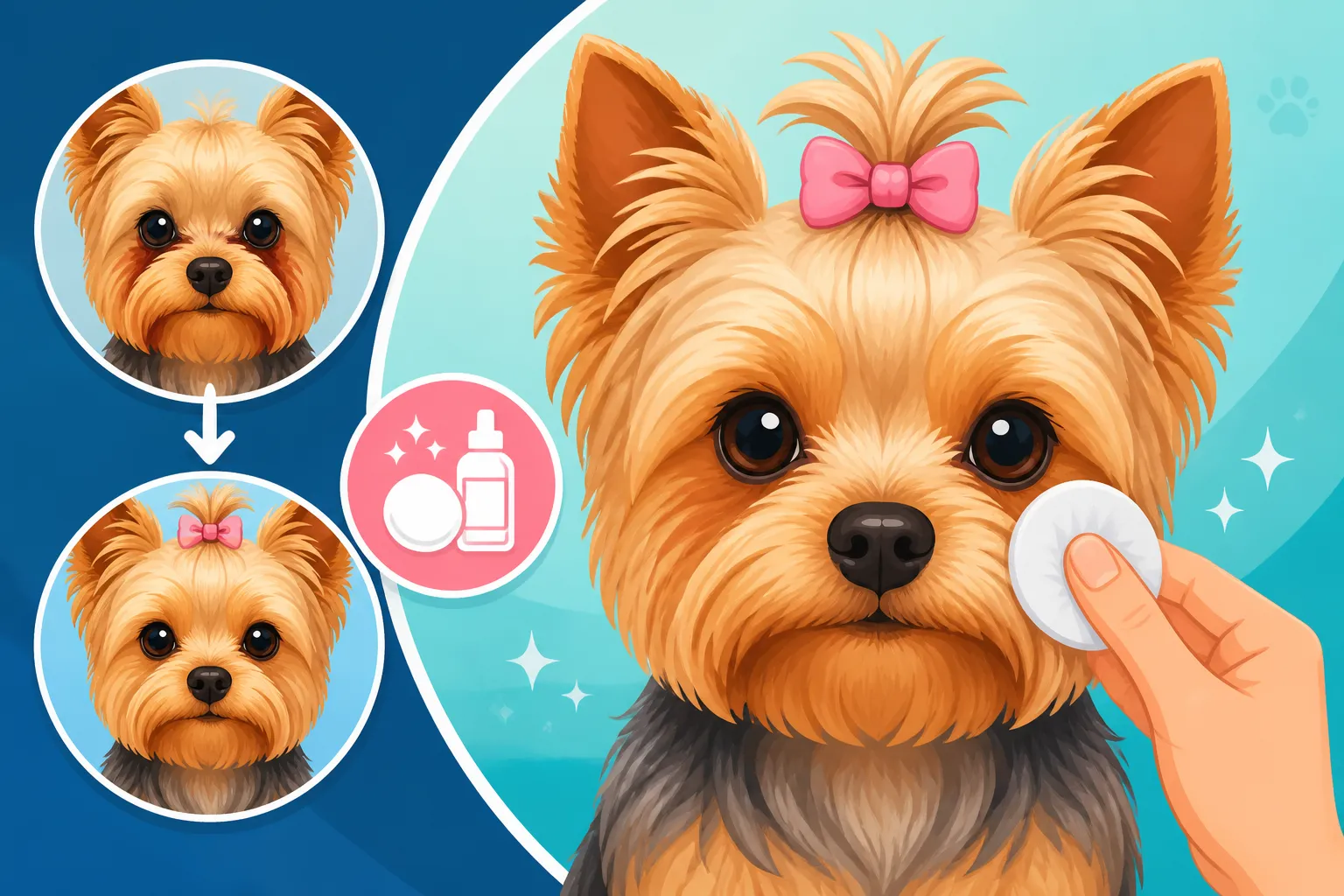
Your best friend here will be a supply of fragrance-free, pH-balanced facial wipes specifically designed for pets. These wipes are formulated to be gentle on your dog's sensitive eye area while effectively removing tear residue. Look for products that avoid alcohol or harsh chemicals, as these can irritate your Yorkie's eyes or skin. Brands like Earthbath or Petkin offer good options that are widely available on platforms like Chewy or even at your local pet store. Use a fresh wipe for each eye to prevent cross-contamination. Simply take a wipe and gently clean the area beneath your Yorkie's eyes, wiping away any dampness, crust, or visible tear paths. Be careful not to rub directly into the eye itself.
The key to success with wipes is frequency and consistency. Ideally, you should aim to do this daily, or even twice a day if your Yorkie is prone to heavy tearing. Imagine if you didn't wash your face for a week! The tears contain those staining porphyrins and can quickly accumulate, creating a fertile ground for bacterial and yeast growth. A quick wipe-down in the morning and before bed can prevent tears from drying and adhering to the fur, making future cleaning much easier and reducing the chances of deep-set stains. This also helps keep the skin under the eyes dry, deterring microbial growth.
Keeping Hair Around the Eyes Trimmed
Your Yorkie's signature long, silky coat is beautiful, but it can be a major contributor to tear stains if not managed properly around the eyes. Those delicate hairs are often the first point of contact for tears, and they can also act as wicks, drawing moisture down the face.
The main reason long hair contributes to staining is that it can act like a sponge, soaking up tears and holding them against the skin. This constant dampness, combined with the presence of porphyrins and the warmth of your dog's body, creates the perfect breeding ground for those reddish-brown stains and bacterial/yeast growth. Furthermore, stray hairs can irritate the eye itself, causing increased tearing, a vicious cycle that only worsens the problem. Imagine having a hair constantly poking your eye – you'd definitely tear up more!
Regular safe trimming techniques are essential. You can gently trim the hair around your Yorkie's eyes using blunt-nosed scissors, ensuring you always point the tips away from the eye. It's often easier and safer to use a small, rounded-tip grooming scissor for this delicate area. You want to create a clear, dry path for tears to run without saturating the surrounding fur, or better yet, to evaporate before they can cause issues. If you're nervous about doing this yourself, which is totally understandable, a professional groomer can easily take care of it during their regular sessions. Many groomers offer specific "face trims" or "tidy-ups" between full grooming appointments, which can be a lifesaver. You can also ask your groomer to demonstrate how to safely trim these areas at home.
Water Quality Matters
It might sound surprising, but the water your Yorkie drinks can actually influence their tear stains. Tap water, especially in certain regions, often contains high levels of minerals like iron, manganese, and calcium. While generally safe to drink, these minerals can be excreted through your dog's tears and contribute to the staining process.
When tears rich in these minerals dry on the fur, they can leave behind mineral deposits that exacerbate the discoloration caused by porphyrins. Think of hard water stains in your bathroom – similar principle. These minerals can also affect your dog's overall internal balance, potentially influencing tear composition. Switching to filtered water can make a noticeable difference. Many pet parents find success with simple tap water filters (like a Brita pitcher) or even using bottled spring water for their Yorkies. Reverse osmosis or distilled water can also be options, though some argue that these remove beneficial minerals. The goal is to reduce the mineral content that might be contributing to the staining.
Beyond the water itself, the type of bowl your Yorkie drinks from is also important. Plastic bowls, especially if scratched, can harbor bacteria and yeast, which can then transfer to your dog's face as they drink. These bacteria can then contribute to existing tear stains or even cause minor irritation around the muzzle. Switching to ceramic or stainless steel bowls is highly recommended. These materials are non-porous, easier to clean, and less likely to harbor harmful bacteria. Make sure to wash your Yorkie's water and food bowls daily with hot, soapy water to maintain optimal hygiene. This simple step can significantly reduce bacterial transfer and keep your pup healthier overall.
Effective Cleaning Methods for Existing Stains
Once those stains have set in, prevention alone won't make them magically disappear. You'll need some targeted strategies to gently and effectively lighten or remove the existing discoloration. Remember, consistency is your greatest tool here, and patience is a virtue!
Over-the-Counter Tear Stain Removers
For many pet parents, specialized over-the-counter tear stain removers are the first line of defense against stubborn discoloration. These products are formulated to tackle the specific compounds that cause staining.
When choosing a commercial tear stain remover, it's important to understand the active ingredients and how they work. Many products contain mild cleansing agents, astringents, or even gentle bleaching agents (like hydrogen peroxide in very dilute forms) to lift the stain. Some popular options you might find on Chewy or Amazon include brands like TropiClean, Eye Envy, or Angels' Eyes (though it's important to note that some older versions of Angels' Eyes contained antibiotics like tylosin, which are now largely regulated and not present in newer, compliant formulas. Always check labels and consult your vet before using any product, especially one with medicinal claims). The goal is to gently oxidize and break down the porphyrins and clean away the microbial growth without irritating your dog's eyes.
Application is key. Always follow the manufacturer's instructions carefully. Typically, you'll apply the solution to a cotton ball or pad and gently wipe the stained area, avoiding direct contact with the eye. Let it sit for a few minutes before gently wiping it clean with a damp cloth. You might need to do this once or twice a day for a period of weeks to see significant results, as the stains tend to fade gradually rather than disappear instantly. It’s also wise to do a patch test on a small, less sensitive area of your Yorkie’s fur first to ensure there's no adverse reaction. Look for products that specifically state they are safe for use around the eyes.
Natural and DIY Remedies
If you prefer a more natural approach or want to supplement commercial products, several home remedies have been suggested by other Yorkie owners. However, always exercise caution and consult your vet before applying anything directly to your dog's sensitive eye area.
One common suggestion is colloidal silver, known for its antimicrobial properties. Some owners dilute it and gently wipe the stained area, believing it helps combat the yeast and bacteria contributing to the stains. Another popular, albeit controversial, remedy is diluted apple cider vinegar (ACV). The idea is that a tiny amount, diluted heavily in water, can change the pH of the tears or act as an antimicrobial. However, extreme caution is advised here; even highly diluted ACV can be irritating if it gets into the eye, so many vets discourage its direct application.
Other methods include using a paste made from milk of magnesia and cornstarch or baking soda. The alkaline nature is thought to help lift stains. You'd apply a thin paste to the stained area, let it dry, and then gently brush it off. Again, steer clear of the eyes themselves. A very mild solution of boric acid (available at pharmacies) has also been used by some, as it's a natural eye wash. However, incorrect dilution can be harmful. For any DIY remedy, always err on the side of caution. If your Yorkie shows any signs of discomfort, redness, or irritation, discontinue use immediately and rinse the area thoroughly with plain water. It’s better to be safe than sorry, especially with something so close to their eyes.
Using a Fine-Toothed Comb
Sometimes, the tear stains aren't just discoloration; they involve dried crust and matted fur that can be quite uncomfortable for your Yorkie and difficult to remove with just wipes. This is where a fine-toothed comb, often called a flea comb, can come in handy.
The purpose of a fine-toothed comb is to gently break up and remove the hardened tear residue and any tiny mats that have formed in the fur around the eyes. These crusts are a combination of dried tears, dirt, and often microscopic debris, and they can be tough to dislodge. Left untreated, they can pull on the skin, cause irritation, and even lead to further staining and potential skin infections if moisture gets trapped underneath. A good quality stainless steel flea comb is ideal for this task, as its teeth are close enough together to catch even the smallest particles.
To use it effectively, first, soften the area with a damp cloth or a pet-safe tear stain remover solution. Let the moisture soak in for a minute or two. Then, very gently, starting from the outside edge of the stained area and working inward (always away from the eye), comb through the fur. Use very light, short strokes. You might need to repeat the dampening and combing process a few times. Be incredibly patient and gentle, as the skin around a Yorkie's eyes is very delicate. If you encounter a particularly stubborn, hard crust or mat, do not pull aggressively. Instead, try to soften it further and work at it slowly. If it's too difficult or painful for your Yorkie, it's best to leave it to a professional groomer who has specialized tools and experience with sensitive areas. Remember, your goal is gentle removal, not causing pain or fear of grooming.
| Method | Pros | Cons | Application Frequency | Typical Results |
|---|---|---|---|---|
| Daily Facial Wipes | Easy, gentle, good for prevention | Won't remove deep, set-in stains | Daily | Prevents new stains, mild lightening |
| Commercial Removers | Formulated for stains, can be very effective | Cost, potential for irritation if not used carefully | Daily-Weekly (as directed) | Gradual lightening/removal |
| Trimmed Hair | Prevents wicking, reduces irritation | Requires careful handling or professional help | Monthly-Bi-monthly | Significant reduction in new stains |
| Filtered Water | Addresses mineral contribution internally | Results can be slow, requires commitment | Continuous | Reduces severity of new stains |
| Fine-Toothed Comb | Physically removes crust and mats | Can be uncomfortable if not gentle, won't remove color | As needed | Clears debris, improves hygiene |
| Dietary Changes | Holistic approach, improves overall health | Can be expensive, takes time to see results | Continuous | May reduce tear production |
| Natural/DIY Remedies | Low cost, avoids harsh chemicals | Efficacy varies, potential for irritation if misused | As needed | Mixed results |
Dietary Considerations for Reducing Tear Stains
What your Yorkie eats can have a surprisingly big impact on their tear stains. Many owners find that once they address their dog's diet, the staining either lessens significantly or disappears entirely. It's all about providing the right nutrients and avoiding common irritants.
High-Quality, Hypoallergenic Food
Just like humans, dogs can develop sensitivities or allergies to certain ingredients in their food. These reactions can manifest in various ways, and one of them is excessive tearing, which directly contributes to those stubborn stains.
Many commercially available dog foods, especially those on the cheaper end, contain fillers, artificial colors, preservatives, and common allergens like corn, wheat, or soy. For a sensitive Yorkie, these ingredients can trigger an inflammatory response that includes itchy, watery eyes. When choosing a food, prioritize high-quality, limited-ingredient, or hypoallergenic formulas. Look for foods where a named meat source (e.g., "chicken meal," "lamb") is the first ingredient, followed by easily digestible carbohydrates like sweet potatoes or peas. Brands like Royal Canin often have breed-specific formulas for Yorkshire Terriers, addressing their unique needs, including sensitive skin and coats. You might also consider fresh food options, such as those offered by Ollie, which focus on human-grade ingredients and tailor meals to your dog's specific profile.
Making a dietary change isn't an overnight fix; it takes time for your dog's system to adjust and for the effects to show. When switching foods, do it gradually over 7-10 days to avoid upsetting your Yorkie's stomach. Monitor your dog closely for improvements in tear staining, as well as other signs of allergy relief like reduced scratching or better digestion. If you suspect food allergies, your vet might recommend an elimination diet to pinpoint the specific culprit. This can be a game-changer not just for tear stains, but for your Yorkie's overall health and well-being. It also supports good oral health, which is vital as Yorkie Dental Disease Prevention can be impacted by diet too.
Supplements That May Help
Beyond a well-balanced diet, certain supplements can lend a helping hand in reducing tear stains by supporting your Yorkie's internal health and potentially altering tear composition. However, always chat with your vet before introducing any new supplements, as what works for one dog might not be suitable for another.
Probiotics are often recommended. A healthy gut microbiome is crucial for overall immunity and can impact how your dog processes nutrients and reacts to allergens. If your Yorkie's gut flora is out of balance, it can lead to inflammation and exacerbate allergy symptoms, including watery eyes. Introducing a high-quality probiotic supplement can support gut health, potentially reducing systemic inflammation and thereby decreasing tear production. You can find these in powder form to sprinkle on food or as chewable treats.
Another common suggestion is cranberry supplements. While often associated with urinary tract health, cranberries contain compounds that can help prevent bacteria from adhering to surfaces, and some believe this extends to the tear ducts. While research specifically on cranberry for tear stains is limited, anecdotal evidence from some owners suggests it can be helpful, particularly if bacterial growth is a significant factor in their Yorkie's staining. Other supplements might include ingredients like marshmallow root or Eyebright, which are thought to have soothing effects on the mucous membranes. Remember, supplements are meant to support a healthy diet and lifestyle, not replace them. They work best when combined with other preventative measures.
Proper Hydration and Bowl Choice
We touched on water quality earlier, but it bears repeating that proper hydration and the type of bowls your Yorkie uses are fundamentally important for managing tear stains. These seemingly small details can have a profound impact.
Ensuring your Yorkie is always properly hydrated is essential for their overall health, including the health of their eyes and tear production. Good hydration ensures that bodily functions, including tear duct drainage, operate optimally. If a dog is even mildly dehydrated, their bodily fluids, including tears, can become more concentrated, potentially leading to more potent porphyrins and thus darker, more noticeable stains. Always provide fresh, clean water throughout the day. Using a filtered water source, as discussed, can also reduce the mineral content in the water, which in turn reduces the mineral deposits in tears that contribute to staining.
The bowls themselves are a critical, yet often overlooked, component. Plastic bowls are notorious for developing tiny scratches and pores over time. These imperfections become ideal breeding grounds for bacteria and yeast. When your Yorkie eats or drinks from these bowls, these microorganisms can transfer to their face, contributing to skin irritation and intensifying the bacterial and yeast growth that darkens tear stains. This can even lead to other issues like "acne" around the mouth. The solution is simple: switch to stainless steel or ceramic bowls. These materials are non-porous, much easier to clean thoroughly, and less likely to harbor bacteria. Make it a daily habit to wash both food and water bowls with hot, soapy water. This simple act of hygiene can significantly reduce the bacterial load around your Yorkie's face, making a real difference in preventing and managing tear stains.
When to Consult Your Veterinarian
While many tear stain issues are cosmetic or easily managed at home, there are times when those persistent streaks could be indicative of a more serious underlying health problem. Knowing when to escalate the situation to a professional is crucial for your Yorkie's well-being.
Recognizing Underlying Medical Conditions
It's easy to dismiss tear stains as just a "Yorkie thing," but sometimes they are a symptom of something more concerning. Ignoring these signs could lead to prolonged discomfort or even vision problems for your furry friend.
Pay close attention if your Yorkie's tearing suddenly increases, changes in color (especially if it becomes yellowish or greenish), or is accompanied by other worrying symptoms. Signs of a potential underlying medical condition include:
- Pain or discomfort around the eye: Squinting, rubbing their face excessively, holding one eye closed.
- Swelling or redness: Of the eyelid, around the eye, or in the whites of the eye.
- Thick or colored discharge: Beyond clear tears; pus-like or mucus-filled.
- Cloudiness or visible injury to the eye itself.
- Changes in behavior: Lethargy, loss of appetite, reluctance to play.
These could be indicators of various issues, from eye infections (bacterial or viral) to corneal ulcers, allergies, or even something more serious like glaucoma. Sometimes, dental problems, especially in the upper jaw, can cause inflammation that affects the tear ducts, leading to increased tearing. If you notice any of these more severe symptoms, it's definitely time to schedule an appointment with your veterinarian. They can properly diagnose the problem and ensure your Yorkie gets the care they need. For a deeper dive into general health, you might want to read our article on Yorkshire Terrier Health Problems to Know.
Diagnostic Tests and Treatments
When you bring your Yorkie to the vet for persistent or concerning tear stains, they won't just glance at them and send you home with a wipe. They'll perform a thorough examination to get to the root of the problem.
Your veterinarian will likely start with a comprehensive eye examination, often using an ophthalmoscope to look for abnormalities. They might check tear production using a Schirmer tear test, which involves placing a small strip of paper in the corner of the eye to measure tear volume. They may also use a fluorescent stain to check for corneal abrasions or ulcers. If a blocked tear duct is suspected, they might perform a tear duct flushing, where a saline solution is gently flushed through the tear ducts to clear any blockages. This can often provide immediate relief and reduce tearing.
If allergies are suspected, your vet might recommend allergy testing to identify specific environmental or food triggers. Treatment would then involve avoiding the allergens or prescribing antihistamines. For bacterial or yeast infections, the vet might prescribe topical antibiotic eye drops or ointments, or even oral antibiotics or antifungals, depending on the severity. Surgical intervention might be considered for structural issues like entropion or persistent tear duct blockages that don't respond to flushing. It's important to be upfront with your vet about any products or home remedies you've tried, as this information can help them in their diagnosis and treatment plan. Remember, your vet is your best resource for keeping your Yorkie healthy, and this includes their precious eyes. When in doubt, it’s always better to err on the side of caution and get a professional opinion. You can learn more about finding the right care in our guide on How to Choose a Vet for a Yorkie.
Long-Term Management and Maintenance
Let's be realistic: completely eliminating tear stains on a Yorkie, especially one predisposed to them, can be an ongoing journey. It's not usually a "one and done" situation. The real victory lies in consistent, long-term management and a good dose of patience.
Establishing a Consistent Routine
The biggest secret to keeping those tear stains at bay is establishing and sticking to a routine. Think of it like brushing your teeth – it’s something you do regularly to prevent bigger problems down the line.
Your routine should encompass daily, weekly, and perhaps monthly tasks. Daily, this means gently wiping your Yorkie's eye area with a pet-safe wipe, ideally twice a day. This removes fresh tears before they oxidize and prevents crust from building up. Ensure their water bowl is clean and filled with filtered water daily. Weekly, you might want to give your Yorkie a mini-grooming session, focusing on carefully trimming any hairs around the eyes that could cause irritation or wick tears. You could also use a commercial tear stain remover on existing, stubborn stains, following the product's directions for frequency. Monthly, a full bath and groom (either at home following a How to Groom a Yorkshire Terrier at Home guide or with a professional) will ensure overall hygiene, which indirectly helps with tear stain management.
The key here is consistency. Skipping a day or two might not seem like a big deal, but with tears, the staining process is continuous. A lapse in routine allows stains to reappear or darken, making your job harder. Integrate these steps into your daily interactions with your Yorkie – maybe after their morning walk, or during cuddle time in the evening. Make it a positive experience with praise and treats, so your Yorkie associates facial cleaning with something pleasant rather than a chore. This will make the entire process much smoother for both of you.
Patience and Persistence
Managing Yorkie tear stains truly is a marathon, not a sprint. It's easy to get discouraged when you don't see immediate results, but it's important to manage your expectations and understand that improvement takes time.
Deep-set, long-standing tear stains will not disappear overnight. The discolored hair needs time to grow out and be replaced by new, unstained hair. This process can take weeks or even months, depending on your Yorkie's hair growth cycle. Products designed to lighten stains work by gradually breaking down the porphyrins and lifting the color, but they can't magically erase years of buildup in a single application. You might notice a gradual lightening, rather than a sudden transformation. Don't compare your Yorkie to others you see online who might have different genetic predispositions or a less severe staining issue. Focus on your dog's progress.
Persistence is your best friend here. Stick with your chosen cleaning and preventative routine even if you feel like you're not making headway. A slight improvement over time is still an improvement! If after several weeks or a couple of months you see absolutely no change, or if the problem seems to be worsening despite your best efforts, that's a good indication it's time to revisit your veterinarian. There might be an underlying issue that hasn't been identified, or perhaps the products you're using aren't effective for your specific Yorkie. Remember, your goal is not just a stain-free face, but a healthy and comfortable Yorkie, so keeping an open dialogue with your vet and staying dedicated to their care is paramount.
Disclaimer
This article is intended for informational purposes only and does not constitute veterinary advice. Always consult with a qualified veterinarian for any health concerns or before making any decisions about your pet's health or treatment.