How to Stop a Yorkie from Begging
Understanding why Yorkshire Terriers beg helps owners apply consistent strategies, use redirection techniques, and establish boundaries during mealtimes.
Work with the temperament you have.
House-training and crate work, recall, leash manners, separation anxiety, and the behaviors this breed is wired for.

Understanding why Yorkshire Terriers beg helps owners apply consistent strategies, use redirection techniques, and establish boundaries during mealtimes.

Yorkshire Terrier behavior problems involve jumping on people due to excitement, but practical training and consistency stop this habit.
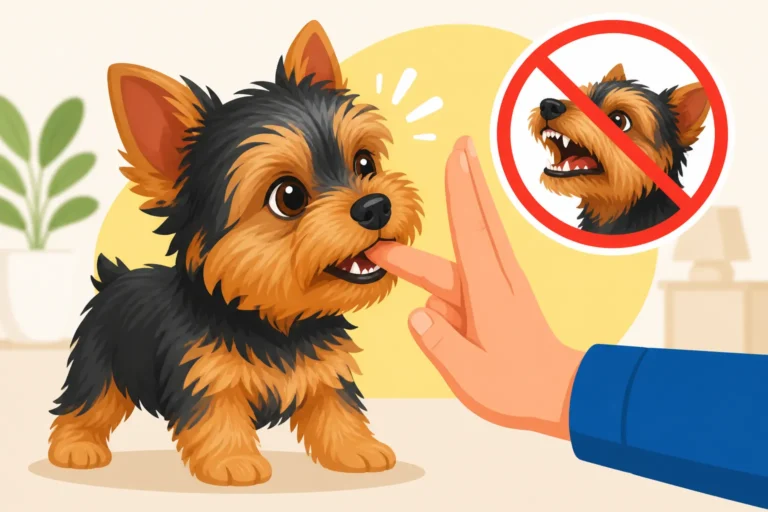
Yorkshire Terrier nipping behavior requires targeted strategies to address puppy teething and adult fear, fostering a calmer relationship with your pet.

Yorkshire Terrier furniture chewing stems from teething, boredom, or anxiety, but proper toys and management stop this destructive behavior.

Yorkshire Terrier marking behavior stems from instinct and anxiety, requiring spaying, enzymatic cleaners, and strict potty training consistency.

Yorkshire Terrier indoor accidents are solved by checking health issues, maintaining schedules, using crate training, and giving positive reinforcement.
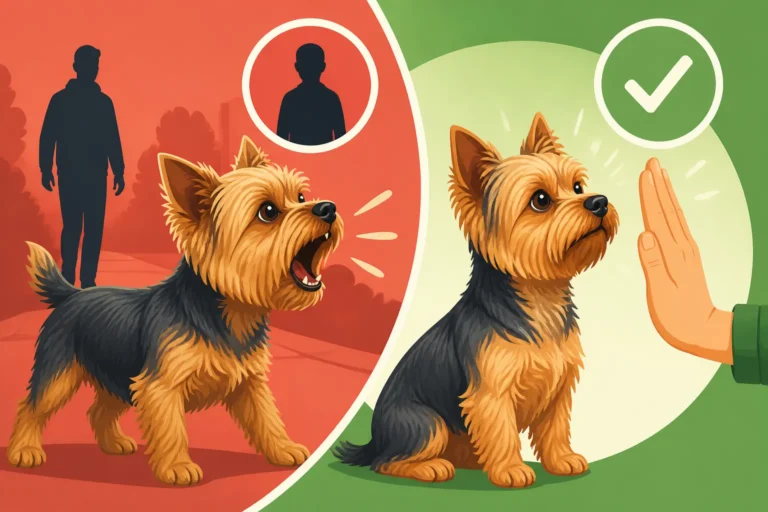
Yorkshire Terrier barking behavior stems from natural instincts and fear. Proper socialization and controlled introductions reduce this excessive noise.

Understanding why Yorkshire Terriers bark at night and applying practical strategies can help restore peaceful sleep for everyone in your household.

Crate training a Yorkshire Terrier teaches proper size selection, positive den association, gradual entry techniques, and troubleshooting for barking.

Yorkshire Terrier house-training requires consistent routines, crate management, and positive reinforcement to help small dogs reliably eliminate outside.