How to Prevent Hypoglycemia in Yorkie Puppies
Yorkshire Terrier puppy hypoglycemia prevention requires frequent small meals, high-calorie small breed food, warm environments, and emergency glucose gel.
Know what to watch for.
Breed-specific conditions, screening and DNA tests, what surgery actually costs, and the daily habits that stretch a healthy lifespan.
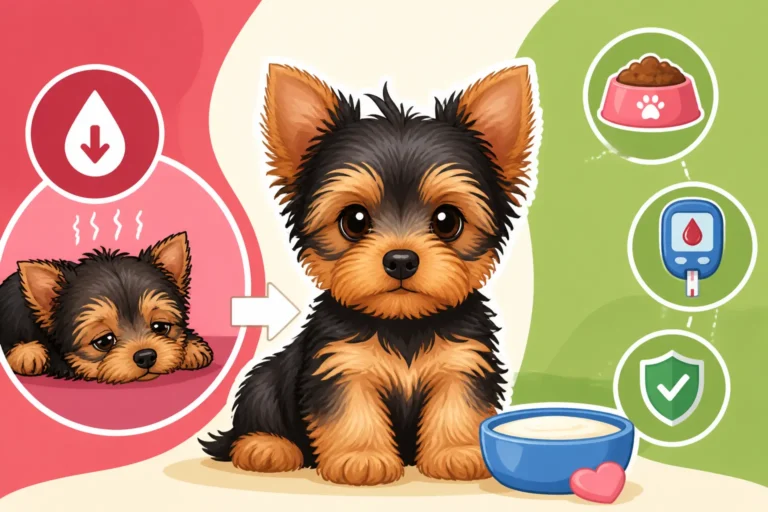
Yorkshire Terrier puppy hypoglycemia prevention requires frequent small meals, high-calorie small breed food, warm environments, and emergency glucose gel.
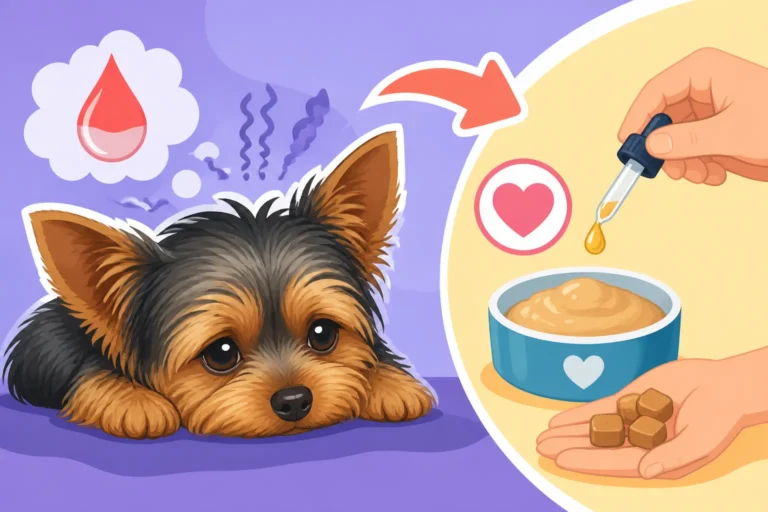
Yorkshire Terrier low blood sugar causes, early symptoms, emergency first aid steps, and effective daily feeding strategies for prevention.
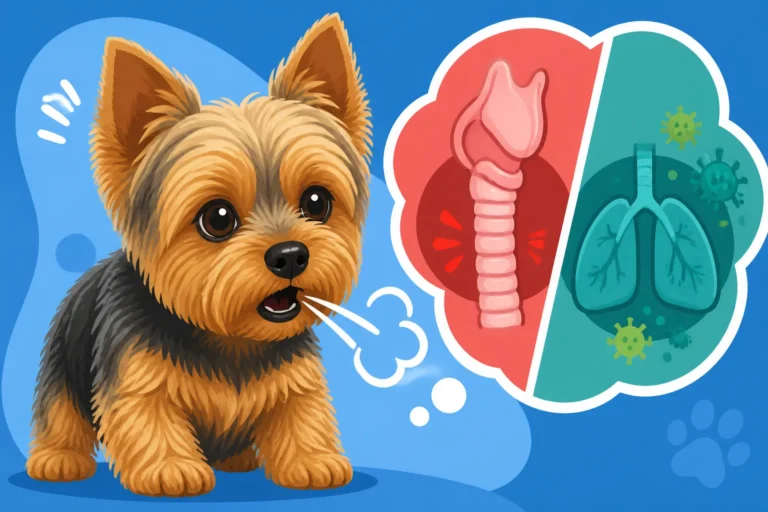
Yorkshire Terrier respiratory health involves identifying coughing causes, spotting tracheal collapse, and knowing when to consult a veterinarian.

Yorkshire Terrier harnesses protect delicate tracheas and spines by distributing leash pressure safely across the chest and shoulders during daily walks.

Yorkie end-of-life care involves recognizing physical and behavioral decline, managing pain with a veterinarian, and creating a comfortable home.
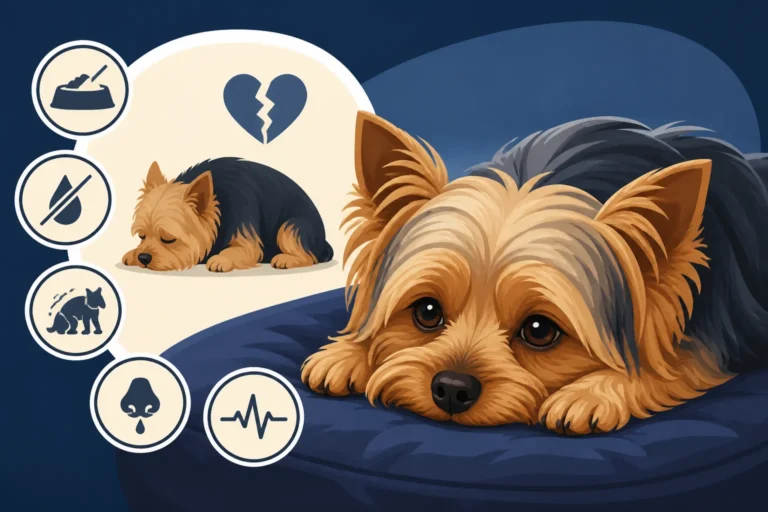
Yorkshire Terrier health decline involves reduced appetite, weight loss, decreased mobility, and behavioral changes indicating end-of-life stages.

Yorkshire Terrier life expectancy spans 11 to 15 years, influenced by genetics, nutrition, veterinary care, and avoiding teacup breeds.

Senior Yorkshire Terrier care involves adapting home environments, managing physical and behavioral changes, and adjusting diet routines for aging dogs.

Severe breathing difficulties, sudden collapse, persistent vomiting, uncontrolled bleeding, and low blood sugar are critical Yorkshire Terrier emergencies.
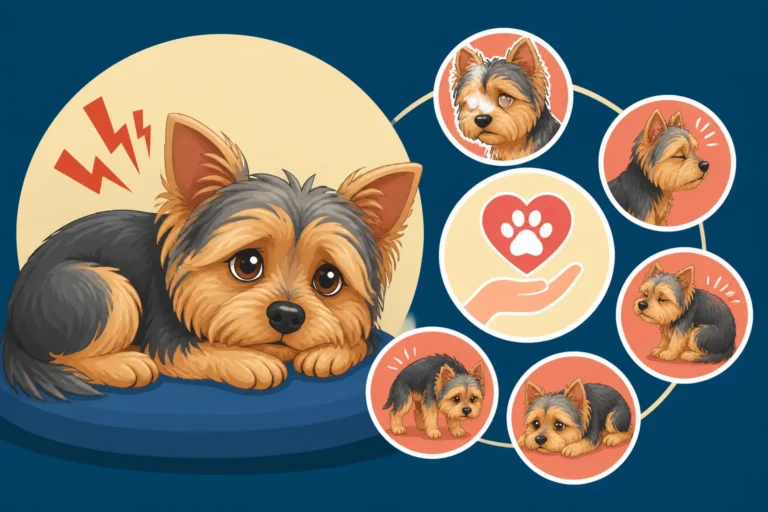
Subtle behavioral changes, altered eating habits, and unusual postures help owners identify hidden pain in Yorkshire Terriers.