Yorkie Dry Eye Management
Keratoconjunctivitis sicca in Yorkshire Terriers causes chronic eye irritation, requiring veterinary diagnosis and ongoing management to protect vision.
Know what to watch for.
Breed-specific conditions, screening and DNA tests, what surgery actually costs, and the daily habits that stretch a healthy lifespan.

Keratoconjunctivitis sicca in Yorkshire Terriers causes chronic eye irritation, requiring veterinary diagnosis and ongoing management to protect vision.
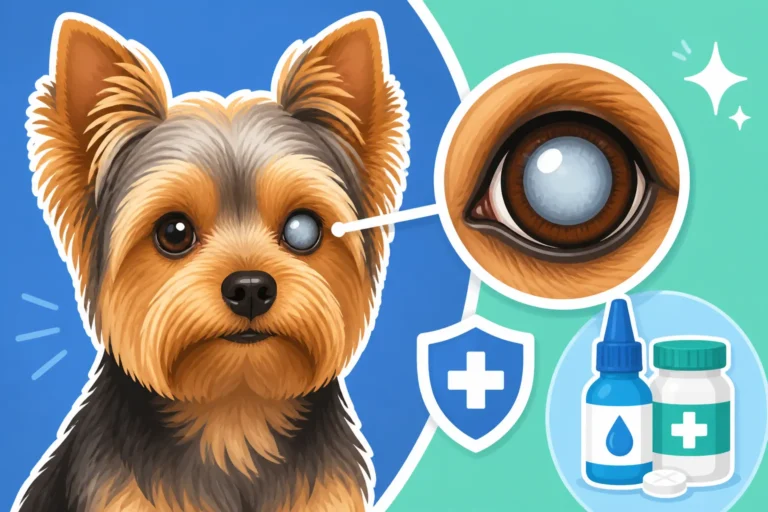
Yorkshire Terrier cataracts explain the physical signs of cloudy lenses, behavioral clues of vision loss, and available veterinary treatments.

Yorkshire Terrier eye discharge stems from allergies, conjunctivitis, dry eye, blocked tear ducts, and injuries requiring professional veterinary care.

Yorkshire Terrier joint health improves with weight control, pet stairs, low-impact exercise, and targeted nutritional supplements for mobility.
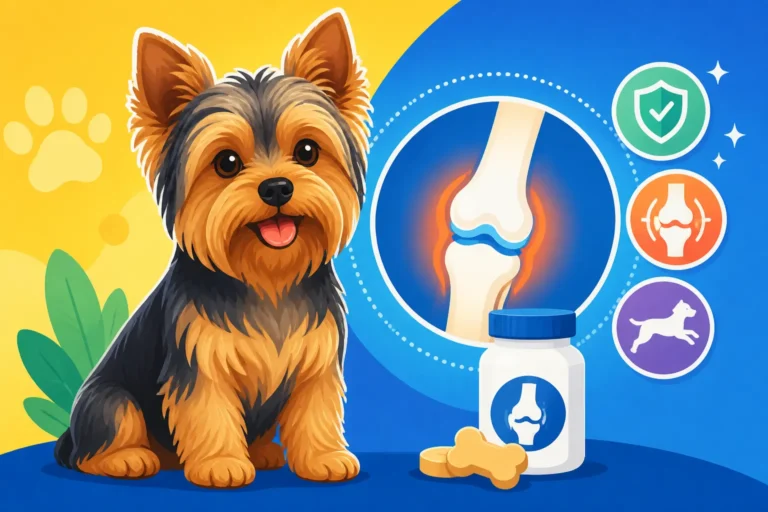
Yorkshire Terrier joint supplements with glucosamine and omega-3s help manage arthritis, luxating patellas, and everyday mobility issues.

Yorkshire Terrier patellar luxation causes slipping kneecaps, limping, and joint pain. Veterinarians grade the severity to determine treatment needs.

Yorkshire terrier dental chews prevent plaque buildup and gum disease using appropriate textures and active ingredients for small mouths.

Yorkshire Terrier dental care instructions explain proper tools, pet-safe toothpaste selection, and step-by-step techniques to brush tiny teeth.
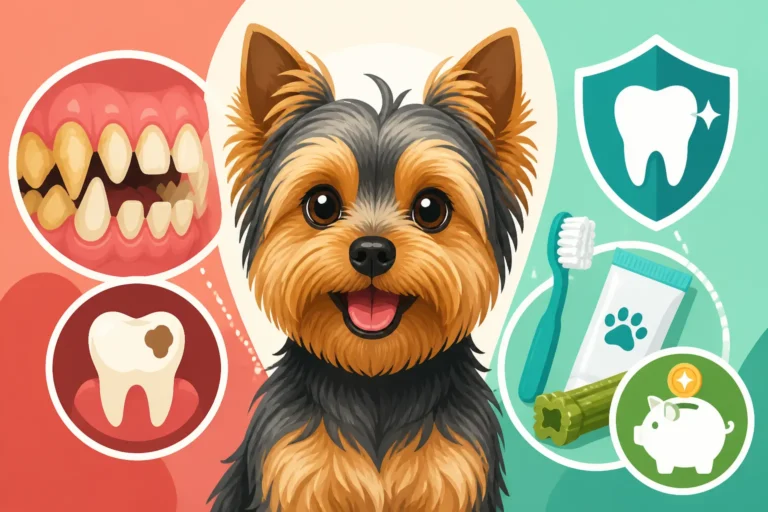
Yorkie dental disease treatment costs between three hundred and twenty five hundred dollars depending on the stage of the condition.
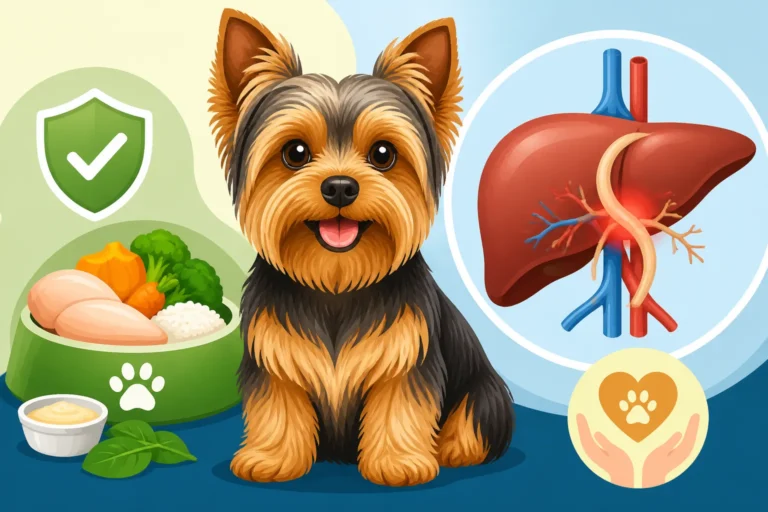
Yorkshire Terrier liver shunt management requires specific prescription diets, restricted protein intake, medical supervision, and proper daily hydration.