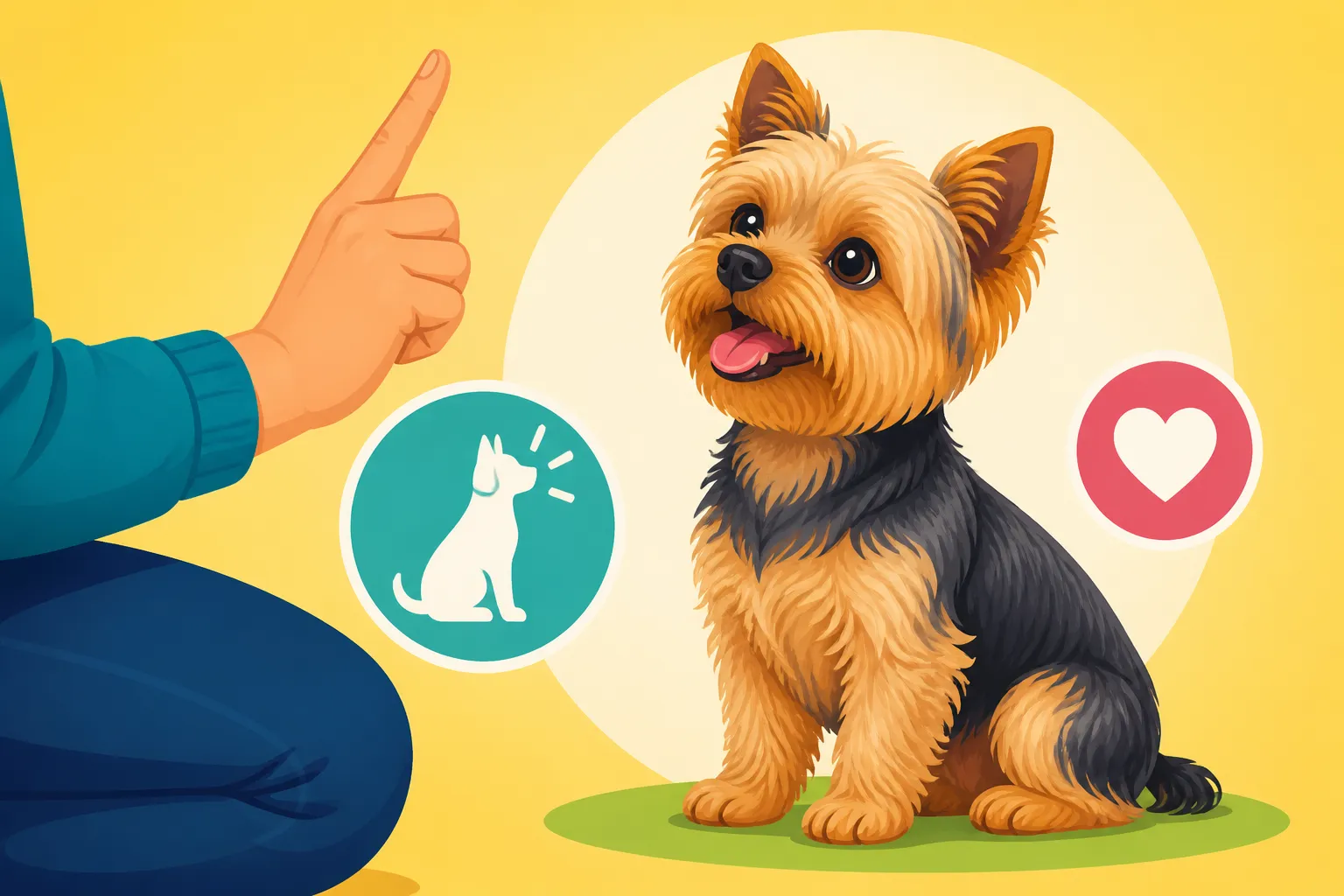
How to Teach a Yorkie to Sit
It's incredibly frustrating when you're trying to teach your energetic little Yorkshire Terrier something as fundamental as "sit," only to be met with a bouncy bundle of fur who seems more interested in exploring the dust bunny under the couch than following your cues. Many Yorkie parents feel like they're speaking a different language to their tiny companions. This comprehensive guide is here to walk you through a foolproof, patient method to teach your beloved Yorkie the "sit" command, building a stronger bond and more responsive communication along the way.
Why "Sit" is More Than Just a Cute Trick for Your Yorkie
Teaching your Yorkshire Terrier to sit isn't just about showing off for guests or getting a cute photo. It's a foundational command that opens the door to so much more in their training journey and everyday life. For such a small dog, often with a big personality, having a reliable "sit" can be a game-changer.
Enhancing Safety and Control
Imagine you're at the dog park, or even just crossing a busy street, and your Yorkie gets spooked or overly excited by another dog or a sudden noise. If they know "sit" reliably, you have a crucial tool to regain their focus and keep them safe. Instead of lunging or darting, a simple "sit" command can anchor them, preventing potential accidents or dangerous encounters. It gives you a moment to assess the situation and react calmly, knowing your little friend is safely beside you. This isn't just theory; it's a real-world scenario that can happen in a flash, and having that immediate response can make all the difference for your precious pet.
Building Better Manners and Impulse Control
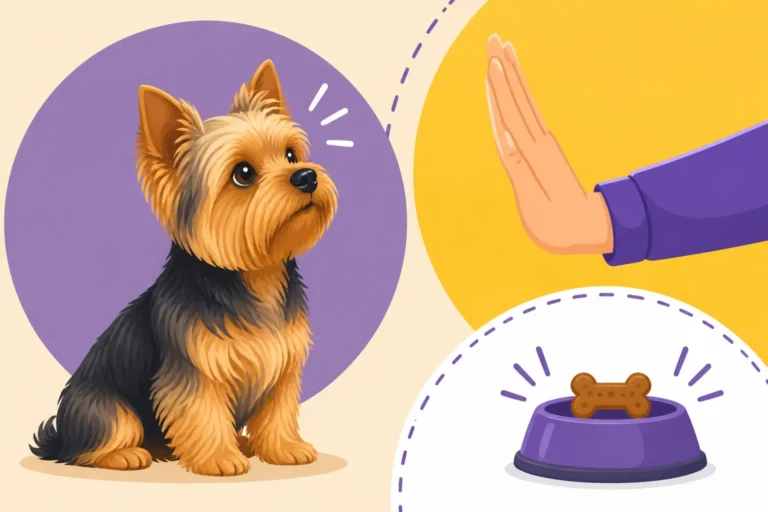
Yorkies, bless their little hearts, can sometimes be prone to "small dog syndrome" or just general over-excitement. They might jump on visitors, beg for food, or rush excitedly at their dinner bowl. The "sit" command is your secret weapon against these less-than-ideal behaviors. By teaching your Yorkie to sit before they get their meal, before they greet someone, or before they get a treat, you're not just teaching a command; you're instilling impulse control. They learn that calm behavior, in this case, a sit, leads to the good stuff. This positive association helps them understand boundaries and makes them a more polite and enjoyable companion in all sorts of situations. Think of it as teaching them the canine equivalent of "please."
Strengthening Your Bond and Communication
Training, especially using positive reinforcement, is a fantastic way to deepen the connection you have with your Yorkie. When you spend time teaching them new things, you're engaging their minds and creating shared experiences. Your Yorkie learns to trust you as their leader and understands that listening to you brings good things – treats, praise, and happy interactions. Every successful "sit" isn't just a command executed; it's a moment of clear communication and mutual understanding. This makes your Yorkie feel more secure and understood, and it makes you feel like a truly effective and loving pet parent. This consistent interaction can even help with other behavioral aspects, like understanding how to build confidence in a timid Yorkie or even managing their energetic tendencies.
Gathering Your Tools: Essential Supplies for Training Success
Before you even think about starting your first training session, it’s important to gather a few key supplies. Trying to train without the right tools can lead to frustration for both you and your Yorkie. Having everything ready ensures smooth, positive, and productive sessions.
High-Value Treats
When it comes to training a Yorkie, their motivation is often directly linked to what delicious reward awaits them. Dry, boring kibble might work for some dogs, but for many Yorkies, you need something extra special to capture their attention and make them eager to learn. Think small, soft, and exceptionally tasty.
Examples include tiny pieces of cooked chicken, cheese, or specialized training treats. Brands like Zuke's Mini Naturals or Wellness Soft Puppy Bites are often a hit. The key is that they should be small enough to be swallowed quickly so your Yorkie doesn't spend too much time chewing, losing focus in the process. You can find a vast selection of these high-value treats on Amazon, making it easy to experiment and find what truly motivates your particular pup. Remember, the goal is to make the reward worth the effort in your Yorkie's eyes.
A Comfortable Training Space
Yorkies can be easily distracted by their surroundings. A bustling household with kids playing, the TV blaring, or other pets running around is not an ideal learning environment. For successful training, you need a quiet, calm, and distraction-free zone. This could be a small room, a corner of your living room, or even a quiet hallway.
The important thing is that it should be an area where your Yorkie feels safe and comfortable, but also where there are minimal outside stimuli to pull their attention away from you. This allows them to focus solely on your cues and the task at hand. As they get better at the "sit" command, you can gradually introduce more distractions, but for initial learning, quiet is key.
Clicker (Optional, but Recommended)
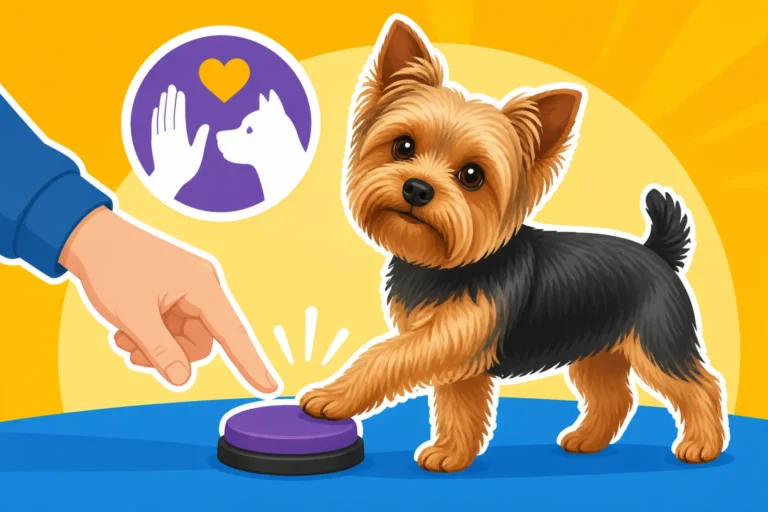
A clicker is a small device that makes a distinct, consistent sound, and it can be an incredibly powerful tool in positive reinforcement training. While not strictly necessary, many trainers swear by them, especially for smart little dogs like Yorkies who can sometimes be a bit stubborn.
The clicker acts as a precise marker. When your Yorkie performs the desired action (like their bum touching the ground for "sit"), you immediately click, then follow with a treat. The click tells your dog, "YES! That exact thing you just did is what earned you this reward!" This precision helps them understand much faster what behavior you're looking for, especially when compared to just giving a treat a second or two later. It bridges the time gap between action and reward, making the connection crystal clear. If you're new to clicker training, there are plenty of resources on platforms like BAXTER & Bella that can guide you through the initial conditioning phase.
The Step-by-Step Guide to Teaching "Sit"
Alright, let's get down to business! Teaching "sit" to your Yorkie is a process that requires patience, consistency, and a whole lot of positive reinforcement. Don't rush it, and celebrate every tiny victory along the way.
Luring the Sit Position
The easiest way to start teaching "sit" is by using a technique called "luring." This involves using a treat to guide your Yorkie into the desired position without any physical manipulation.
First, get your Yorkie's attention. Hold a high-value treat close to their nose. Let them sniff it, so they know what you have. Then, slowly move the treat from their nose, over their head, and slightly towards their tail. As the treat moves back over their head, their nose will naturally follow it, causing their head to tilt upwards. This upward motion makes their rear end naturally lower to the ground. The moment their bum touches the floor, even for a split second, say "YES!" (or click your clicker if you're using one) and immediately give them the treat. This immediate reward is crucial for them to associate the action with the treat. Repeat this many, many times in short, frequent sessions. Aim for 5-10 repetitions per session, with several sessions spread throughout the day. It's better to do many short sessions than one long one, as Yorkies have short attention spans.
Adding the Verbal Cue
Once your Yorkie is consistently sitting when lured with the treat, it's time to introduce the verbal command. This is where you start to associate the word "sit" with the action they are already performing.
As you begin the luring motion with the treat, just before their bum touches the ground, say the word "Sit" clearly and calmly. Continue the lure, and the moment their bum hits the floor, say "YES!" or click, and give the treat. The timing here is important: you want the word to precede the action, not happen simultaneously or afterward. Over time, your Yorkie will start to connect the sound of "sit" with the physical act of lowering their rear. Keep practicing this step until they sit reliably when they hear the word and see the lure. This might take a few days or even a week, depending on your individual Yorkie and their existing understanding of other basic commands. Remember, consistency is key; every time they sit, use the word.
Fading the Lure
This is often the trickiest part for many dog owners because it requires gradually removing the visual cue of the treat lure. The goal is for your Yorkie to respond solely to your verbal command, not the treat in your hand.
Start by making the luring motion smaller and less obvious. Instead of moving the treat directly over their head, you might just move your empty hand in the same gesture. As their bum touches the ground, "YES!" or click, and then immediately present the treat from your other hand or from your pocket. The key is that the treat is no longer part of the lure itself. Gradually reduce the motion of your hand until you're just giving the verbal command "Sit" with a subtle hand gesture, or eventually, no hand gesture at all. If your Yorkie doesn't sit, go back a step and use a more obvious lure. Patience here is paramount. Don't get discouraged; some Yorkies catch on faster than others, but they all get there with persistence. This fading process builds the foundation for more advanced obedience training.
Practicing in Different Environments
A common mistake new dog owners make is assuming that once their dog performs a command perfectly in one location, they'll do it everywhere. This isn't usually the case. Dogs, especially small ones like Yorkies, don't generalize commands easily.
Once your Yorkie is reliably sitting to the verbal command in your quiet training space, start practicing in different parts of your home, then in your backyard, and eventually in low-distraction public areas like a quiet park. Each new environment is like teaching the command all over again, but it usually goes much faster. Start with minimal distractions and slowly increase the complexity. For instance, practice "sit" when someone new enters the room, or when another family member is in the vicinity. Always remember to bring those high-value treats, as the reward needs to be compelling enough to overcome new distractions. This step ensures your Yorkie will "sit" no matter where you are, which is vital for their safety and your peace of mind.
Here's a quick reference table for the "Sit" command process:
| Step | Action | Key Point | Common Pitfall |
|---|---|---|---|
| 1. Luring the Sit | Hold treat at nose, move over head; as bum touches, "YES!"/click, treat. Repeat. | Immediate reward after bum touches floor. | Not moving treat far enough back; treat too big. |
| 2. Adding Verbal Cue | As you begin lure, say "Sit." As bum touches, "YES!"/click, treat. Repeat. | Word "Sit" before bum touches. | Saying "Sit" too late, or repeating it multiple times. |
| 3. Fading the Lure | Use smaller hand motion, treat from other hand. Gradually reduce motion. "YES!"/click, treat. | Treat is no longer part of the lure. | Removing lure too quickly; not having treats readily available. |
| 4. Different Environments | Practice in various locations, starting with low distractions and gradually increasing. "Sit," treat. | Dogs don't generalize; each new place is a new learning opportunity. | Assuming success in one spot means success everywhere. |
Common Challenges and Troubleshooting Tips
Even with the best intentions and methods, you might run into a few bumps along the road when teaching your Yorkie to sit. It's totally normal, so don't get discouraged! Let's tackle some common issues head-on.
My Yorkie Won't Sit for the Lure
This is a pretty common frustration, especially if your Yorkie is particularly bouncy or just not food-motivated by the usual stuff. Sometimes, it's not that they won't sit, but that the treat isn't quite appealing enough, or your lure motion isn't clear.
First, re-evaluate your treats. Are they truly high-value? For some Yorkies, a tiny piece of boiled chicken or low-fat cheese is far more enticing than dry kibble. Experiment with different options until you find their absolute favorite. Second, observe your lure. Are you moving the treat smoothly and directly over their head, causing their nose to naturally follow and their rear to drop? If the treat goes too high, they might jump; too low, and they might just paw at it. Make sure your hand motion is clear and consistent. If they're jumping, try lowering the treat a bit and moving it slightly slower. Sometimes, a tiny bit of gentle pressure on their rear can help guide them down for the very first few times, but always pair it with the lure and immediately release and reward when they sit. The goal is for them to choose the position, not be forced into it. This step is essential in avoiding common Yorkie training mistakes.
My Yorkie Jumps Instead of Sits
Ah, the jumper! This often happens when the lure is held too high or too far back, causing your Yorkie to rear up on their hind legs to reach the treat. It's an easy fix, but it requires mindful adjustment.
When luring, ensure the treat is just above their nose level and moves back over their head, not straight up. You want their head to tilt, not their body to stretch. If they still jump, try taking a tiny step backward as you lure the treat over their head. This subtle movement can encourage them to shift their weight backward and down, making a sit more comfortable than a jump. Consistency in your lure motion is crucial here. If you're inconsistent, your Yorkie will be confused. Every time they jump, calmly remove the treat and reset. Only reward when their rear touches the ground. If you consistently reward jumping, you're inadvertently teaching them to jump for treats!
My Yorkie Only Sits if I Have a Treat
This is a classic problem, and it means you've successfully taught them that your hand with a treat is the cue, rather than the verbal command or your body language. It's not a bad start, but it's not the end goal.
The solution lies in the "fading the lure" step we discussed earlier. You need to make the treat less obvious and gradually transition to using life rewards. Start by showing the treat, putting it in your pocket, then giving the "Sit" command and using your now empty hand as a lure. When they sit, then retrieve the treat from your pocket and reward them. Slowly, make your hand lure smaller and smaller until you're just saying "Sit." Beyond just treats, start rewarding sits with other things they value: a quick pet, their favorite toy, opening the door for a walk, or putting down their food bowl. These are called "life rewards" and they help your Yorkie understand that "sit" is a key to unlocking good things in their daily life, not just a treat dispenser. This process also helps in situations where your Yorkie is not listening and seems to only respond to bribes.
Maintaining Consistency and Advancing the Command
Teaching your Yorkie to sit is a fantastic achievement, but training doesn't stop once they've mastered the basic command in your living room. True mastery and reliability come from consistent practice and gradually increasing the challenge.
Incorporating "Sit" into Daily Routines
The absolute best way to make "sit" a reliable command is to weave it seamlessly into your Yorkie's everyday life. This means making it a habit, not just a training exercise you do a few times a week.
Think about all the moments throughout the day when you interact with your Yorkie. Before you put their food bowl down, ask them to "Sit." Before you open the door for a walk, "Sit." Before you throw their favorite toy, "Sit." When a visitor comes to the door, ask your Yorkie to "Sit" (and reward them for it!). Every time you want something from them, or they want something from you, make "sit" the prerequisite. This teaches them that being polite and listening to your command leads to all the good things in life. This consistent application reinforces the command without it feeling like a chore, and it strengthens your role as their benevolent leader. This is also how you can keep your Yorkshire Terrier healthy in terms of mental stimulation and good behavior.
Varying Rewards and Praise
While high-value treats are invaluable in the initial learning phases, you don't want your Yorkie to become dependent on them forever. The goal is to transition to a variety of rewards, including your voice, touch, and everyday privileges.
Once your Yorkie is reliably sitting, start varying the rewards. Sometimes, give them a treat. Other times, give them enthusiastic verbal praise ("Good sit!"), a gentle ear scratch, or a few seconds of playtime with their favorite toy. You can even combine them! The idea is to make them less predictable and teach your Yorkie that listening to "sit" can result in many different good outcomes. This keeps them engaged and motivated. Moreover, regularly using different types of positive reinforcement prevents them from "tuning out" if they're bored with the same old treat. Remember, your enthusiastic praise is a huge reward for your loving Yorkie!
Moving to Advanced Practice and Duration
Once "sit" is solid, you can start to make it more challenging and useful. This involves adding duration and distance to the command, making it more practical in real-world scenarios.
To add duration, ask your Yorkie to "Sit," and instead of immediately rewarding, wait one second before saying "YES!" or clicking and treating. Gradually increase the time they must remain in the sit position before getting their reward. Start with just a second or two, then three, then five, and so on. If they break the sit, simply reset and try again at an easier duration. For distance, start by asking them to "Sit" while you take one step back, then two steps, then three. The key is to build up gradually. Always reward them for holding the sit, even if it's for a short time or a short distance. This kind of advanced training is not only practical but also fantastic mental stimulation for your clever little Yorkie. You can then begin to explore how to teach a Yorkie to stay, which builds directly on this foundation.
Disclaimer
The information provided in this article is for general informational purposes only and is not a substitute for professional veterinary advice, diagnosis, or treatment. Always seek the advice of your veterinarian or other qualified animal health provider with any questions you may have regarding a medical condition or treatment plan for your Yorkshire Terrier. Individual results from training methods may vary, and patience and consistency are always recommended.