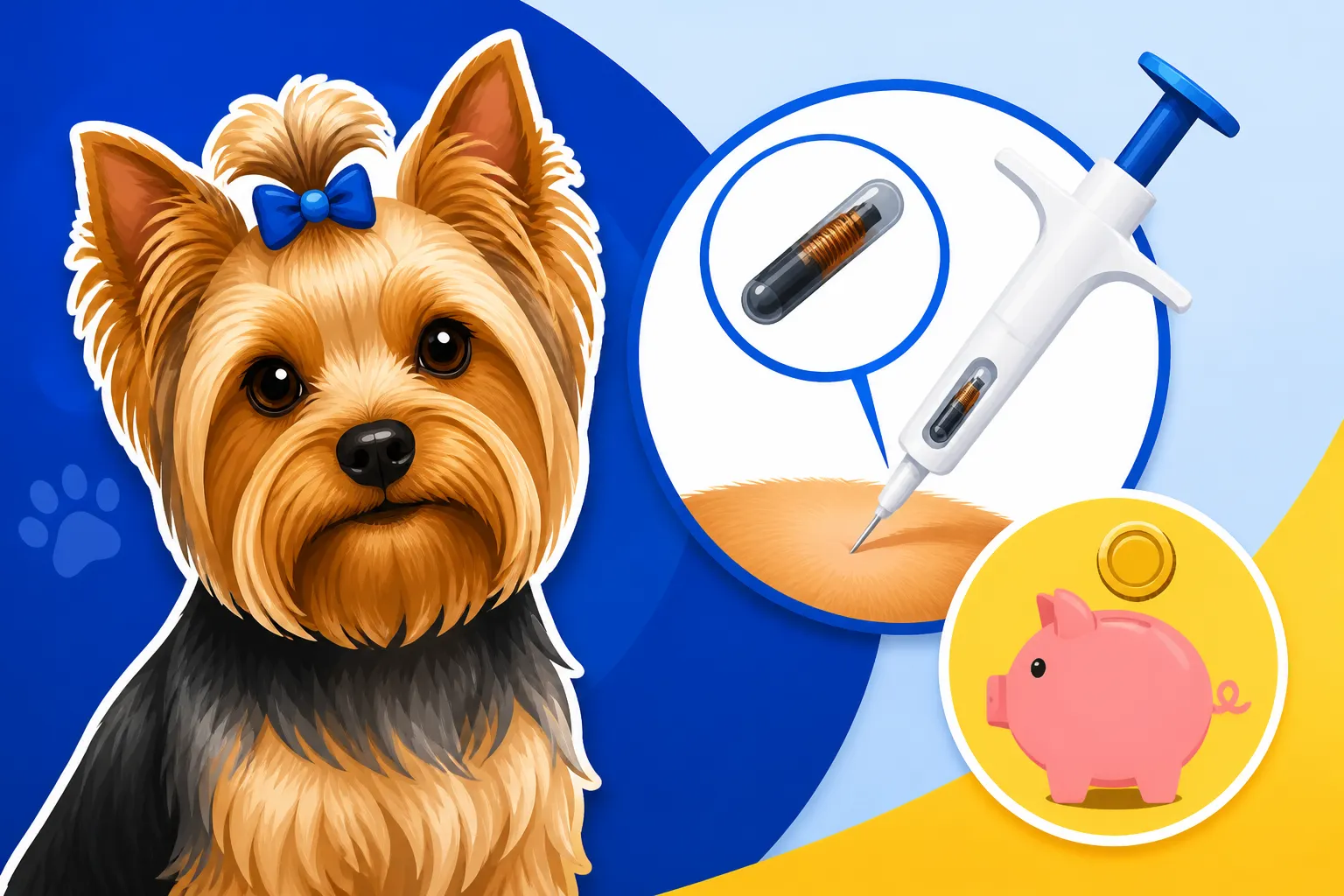
Yorkie Microchipping Cost
Losing your beloved Yorkshire Terrier is every pet parent's worst nightmare, and the thought of them being lost without a way to identify them can be absolutely terrifying. That gnawing fear of not knowing if they'll ever find their way back home, especially for such a tiny, vulnerable breed, is a heavy burden. This comprehensive guide will walk you through everything you need to know about Yorkie microchipping costs, the process, and why this small chip offers immense peace of mind.
Understanding Yorkie Microchipping: More Than Just a Chip
When we talk about microchipping, it can sound a bit technical, but really, it's a simple, safe procedure that provides a permanent form of identification for your furry family member. Unlike a collar and tag that can fall off or become unreadable, a microchip stays with your Yorkie for life, acting as their silent, always-on ID card. For a breed as adventurous and sometimes escape-prone as a Yorkshire Terrier, this layer of security is truly invaluable.
What Exactly is a Microchip?
Imagine a tiny capsule, roughly the size of a grain of rice. That's essentially what a pet microchip is. This small electronic device contains a unique identification number that's registered to you, the pet owner. It's not a GPS tracking device, which is a common misconception; it doesn't transmit your dog's location in real-time. Instead, when a lost pet is found and scanned by a vet, animal shelter, or rescue organization, the scanner emits a low-frequency radio wave that reads the chip's unique ID number. This number is then entered into a national pet recovery database, which links back to your contact information. It's an incredibly effective system, designed to reunite lost pets with their worried families. The procedure itself is quick, usually taking mere seconds, and involves implanting the chip just under the skin between your Yorkie’s shoulder blades using a sterile needle. Most dogs barely react, equating it to a routine vaccination shot.
Why Microchipping is Especially Important for Yorkies
Yorkshire Terriers, with their small stature and sometimes feisty personalities, can be surprisingly quick to slip out a door, dart through a gate, or even get disoriented in an unfamiliar place. Their curious nature, combined with their portability, can unfortunately make them targets for theft, too. For such a small dog, wearing a heavy, clunky ID tag might not always be comfortable or practical, and a breakaway collar, while safer, means the tags could be lost entirely. This is where the microchip becomes a critical safeguard. If your Yorkie were to go missing, a microchip dramatically increases the chances of a happy reunion. Animal shelters and veterinary clinics are equipped with scanners, and checking for a microchip is standard procedure when a stray animal comes in. Without it, finding your specific Yorkie among many lost dogs becomes a much more daunting task, relying solely on visual descriptions or outdated tags. It's truly a small investment for such significant protection, especially for a breed known for its spirited personality and sometimes tenacious independence. Having a microchip provides that vital link back to you, no matter how far they roam or how long they're lost. It’s part of being a responsible pet parent and adding another layer of safety to their Yorkshire Terrier Daily Care Routine
Breaking Down the Yorkie Microchipping Cost
When you're considering microchipping your Yorkshire Terrier, it’s natural to wonder about the financial aspect. The good news is that it’s generally a one-time, relatively affordable cost, especially when you weigh it against the peace of mind it provides. However, there can be some variations depending on where you live and the type of facility you choose. Understanding these factors will help you budget appropriately.
Average Costs for Microchipping
In most areas across the United States, the cost for microchipping a Yorkie typically ranges from $25 to $60. This price usually covers the microchip itself and the procedure for implanting it. For example, in a city like Dallas, Texas, you might find clinics offering the service for around $35-$45, while in a more expensive area like New York City, it could lean towards the higher end of that range, perhaps $50-$65. Many veterinary clinics offer microchipping as part of a routine check-up or a puppy package, which can sometimes reduce the overall price or make it feel less like an additional expense. Some humane societies or animal shelters might even offer discounted microchipping events throughout the year, especially during periods like National Pet ID Week, making it even more accessible. It’s always a good idea to call your local vet or animal welfare organization to inquire about their specific pricing.
Factors Influencing the Price
Several elements can cause the microchipping cost to fluctuate:
- Veterinary Clinic vs. Shelter/Low-Cost Clinic: Private veterinary clinics might charge a bit more for the convenience and personalized service, often integrating it into an existing appointment. Animal shelters, humane societies, or dedicated low-cost clinics frequently offer microchipping at a reduced rate as part of their community outreach programs.
- Location: As mentioned, geographical location plays a role. Costs in urban, high-cost-of-living areas tend to be higher than in rural or suburban regions.
- Package Deals: Sometimes, if you're getting other services, such as your Yorkie’s Yorkie Vaccination Schedule, or a spay/neuter procedure, the microchipping might be bundled in at a lower rate or even included. This is especially common for new puppies.
- Type of Microchip: While most microchips are standard, there might be slight variations in brands or technology, which could minimally impact the price. However, this is less common with pet microchips compared to other electronics.
- Additional Services: Some clinics might include the initial registration fee with a pet recovery database as part of their microchipping cost, while others may list it as a separate charge. Always clarify what's included when you ask for pricing.
What the Microchipping Fee Typically Includes
Generally, when you pay for your Yorkie's microchipping, the fee covers:
- The Microchip Device: The physical chip itself, with its unique ID number.
- Implantation Procedure: The quick, sterile injection of the chip under your dog’s skin by a trained professional.
- Scanning Verification: Immediately after implantation, the vet or technician will scan your Yorkie to ensure the chip is working correctly and can be easily read.
- Basic Documentation: You’ll receive paperwork with your Yorkie's microchip number and instructions on how to register it.
It's crucial to understand that implantation and registration are two separate steps. While the clinic might implant the chip, you are usually responsible for registering that unique ID number with a pet recovery database and keeping your contact information up to date. This is a critical step that many pet parents unfortunately overlook, rendering the chip largely useless if not properly linked to your information. Don’t let your small investment go to waste by skipping this vital follow-through!
The Registration Process and Associated Fees
Getting the microchip implanted is only half the battle; the other, equally crucial half, is registering that chip and keeping your contact information current. This is where the chip truly becomes a lifeline, connecting your lost Yorkie back to you. Neglecting registration or failing to update your details is a common mistake that can tragically prevent a reunion.
Initial Registration Fees
Once your Yorkie is microchipped, you'll receive a unique ID number. Your next step is to register this number with a reputable pet recovery database. Some microchip companies, like those used by clinics, might offer a one-time registration fee that covers the lifetime of your pet. This can range from $15 to $35. Other databases might charge a smaller initial fee and then offer optional premium services or annual subscriptions. For instance, HomeAgain, one of the most widely used pet recovery services, charges an initial fee and then offers optional annual memberships that include additional benefits beyond just registration, like lost pet alerts and travel assistance.
It’s important to read the fine print. Ensure that the database you choose is recognized nationally and ideally participates in a universal lookup tool, so any shelter or vet can access your contact information regardless of the chip's brand or the specific database it's registered with. Without proper registration, that tiny chip is just a number in your pet's shoulder, with no corresponding data to help get them home. Think of it like buying a new phone: you have the device, but it's useless until you activate it and link it to your personal information. The same goes for your Yorkie’s microchip.
Annual Maintenance or Update Fees
While many reputable microchip registries offer a one-time, lifetime registration fee, some services might encourage or require an annual renewal fee. These annual fees typically range from $10 to $20. Often, these "renewal" fees are for additional services offered by the registry, such as a 24/7 lost pet recovery hotline, broadcast alerts to local shelters, or even pet insurance discounts.
Here's a quick comparison of common registration types:
| Registration Type | Description | Typical Cost Range | Ongoing Fees? |
|---|---|---|---|
| Lifetime Registration | One-time fee, your pet's data stored indefinitely. Most common and recommended. | $15 – $35 | No |
| Annual Subscription | Lower initial fee, but requires annual renewal to keep information active. Often includes extra services. | $0 – $15 | Yes ($10-$20) |
| Basic (Free) Registration | Some microchip brands offer free basic registration, but always double-check features and database reach. | Free | No |
Even if you opt for a lifetime registration without annual fees, it is absolutely critical to update your contact information if you move, change phone numbers, or even if your emergency contact changes. You can usually do this online through the registry's website. A microchip is only as effective as the information tied to it. Many heartbreaking stories exist of pets found with microchips, but owners couldn't be reached because their phone numbers were outdated. Making sure your information is current should be as routine as checking your Yorkie's Eye Problems Explained.
Choosing a Reliable Pet Recovery Service
There are several major players in the pet recovery service world. Some of the most well-known and respected include HomeAgain, PetLink, and AKC Reunite. When choosing, consider:
- Database Size and Reach: How many pets are registered? How widely is the database used by shelters and vets across the country?
- 24/7 Support: Do they offer a round-the-clock hotline for lost and found pets?
- Additional Services: Do they offer lost pet alerts, pet poison control hotlines, or vet care discounts?
- Ease of Updating Information: Is their online portal user-friendly for updating your contact details?
Some microchip companies require you to register with their specific database. Others allow you to register with any reputable service. Regardless, the most important thing is that the chip's unique ID is linked to your current contact information in at least one active, accessible database. Don’t assume your vet will handle the registration for you beyond providing the paperwork; it's ultimately your responsibility. This ensures that if your Yorkie ever goes missing, the system works exactly as it's designed to, bringing them safely back home.
Long-Term Value: Is Microchipping Worth the Investment?
When it comes to the safety and well-being of your precious Yorkshire Terrier, very few investments offer as much long-term value and peace of mind as a microchip. While there’s an initial cost for implantation and potentially a registration fee, these expenses are remarkably small compared to the potential heartbreak and frantic searching if your Yorkie goes missing without proper identification.
Peace of Mind and Increased Reunion Rates
The emotional toll of a lost pet is immense. The worry, the guilt, the constant searching – it’s an experience no pet parent wants to endure. Microchipping offers a powerful antidote to this anxiety. Knowing that if your Yorkie is ever picked up by animal control, brought to a shelter, or found by a kind stranger who takes them to a vet, there’s a reliable, permanent way to identify them and get them back to you is truly priceless.
Statistics consistently show that microchipped dogs have a significantly higher chance of being reunited with their owners compared to those without a chip. Studies have indicated that about 52% of microchipped dogs are returned to their owners, compared to only about 22% of non-microchipped dogs. For a small breed like a Yorkie, who can easily be overlooked or mistaken for another small dog, this identification is critical. It eliminates the guesswork and provides a clear, undeniable link back to you. This is especially important for breeds prone to Yorkshire Terrier Separation Anxiety Solutions, as they might try to escape to find their owners.
Comparing Microchipping to Traditional ID Tags
Traditional ID tags on collars are certainly valuable and serve as an immediate visual identifier, which is why most responsible pet owners use them. They tell anyone who finds your dog exactly who to call without needing a special scanner. However, they come with distinct limitations:
- Vulnerability to Loss: Collars can slip off, get snagged and break, or be removed by someone with ill intentions. Many Yorkies are so small that a collar might not always be secure.
- Wear and Tear: Information on tags can become scratched, faded, or unreadable over time.
- Limited Information: Tags typically only have space for a name and phone number.
Microchips, on the other hand, are:
- Permanent: Once implanted, they stay with your dog for life.
- Tamper-Proof: They cannot be removed easily without professional intervention and are hidden from view.
- Comprehensive: They link to a database that can hold multiple contact numbers, emergency contacts, medical information, and even vet details.
Ideally, your Yorkie should have both: a collar with up-to-date ID tags for immediate identification and a microchip for permanent, failsafe identification. The tag acts as the first line of defense, while the microchip is the crucial backup system, especially if your Yorkie's collar is lost or removed. Brands like Chewy offer a wide array of durable tags and collars to complement your microchipping efforts, ensuring multiple layers of protection.
Pet Insurance and Microchipping Benefits
Beyond the direct benefit of reuniting lost pets, microchipping can sometimes offer tangential advantages, particularly when it comes to pet insurance. While microchipping itself isn't typically covered by pet insurance policies (it's often seen as a preventative measure or an elective procedure rather than a medical necessity), many insurance providers encourage it. In some cases, a pet insurance company might offer a small discount on premiums if your pet is microchipped, recognizing the reduced risk of permanent loss.
Moreover, some pet insurance plans, like those offered by Healthy Paws, may require that your pet be microchipped before certain wellness benefits or lost pet coverage can be applied. It's often viewed as a fundamental aspect of responsible pet ownership. When budgeting for your Yorkie's health and safety, consider the entire picture: from ensuring they have quality food like Ollie to managing their Yorkshire Terrier Vet Costs and Health Budget. Microchipping is a small but significant part of that comprehensive care plan, offering an indispensable safeguard against the distress of a lost pet. For an animal that is essentially a tiny, vulnerable member of your family, the relatively low cost of microchipping is a sound investment in their lifelong safety and your peace of mind. It truly helps maximize your Yorkie Lifespan: How to Maximize It.
The Microchipping Process: What to Expect
The idea of getting a microchip implanted might sound intimidating, but it's a very straightforward procedure, especially when done by an experienced veterinarian. Knowing what to expect can ease any anxieties you might have about this quick, life-saving step for your Yorkshire Terrier.
Before the Procedure: Preparation and Considerations
There isn't much "preparation" needed on your part for microchipping itself, as it's such a simple procedure. However, a good vet will typically:
- Conduct a Brief Exam: Before implanting the chip, the vet will usually give your Yorkie a quick once-over to ensure they are healthy and that there are no pre-existing skin conditions in the implantation area. This is often done during a routine check-up, making it convenient.
- Explain the Process: The veterinary staff should explain what a microchip is, where it will be implanted, and what you need to do afterwards (i.e., registration). Don't hesitate to ask any questions you have.
- Confirm No Existing Chip: Before implantation, the vet will scan your Yorkie to ensure they don't already have a microchip from a previous owner or breeder. This is an important step to prevent duplicating chips, which could complicate identification if they were ever lost.
It’s often recommended to microchip puppies when they are around 8 weeks old, or during their first round of vaccinations, but an adult Yorkie can be microchipped at any time. If you're adopting an adult Yorkie, especially from a rescue, they will likely already be microchipped, but you'll need to transfer the registration into your name. Remember to check out a Puppy Yorkshire Terrier Health Checklist.
During the Implantation: Quick and Minimally Invasive
The actual implantation of the microchip is remarkably fast and causes minimal discomfort to your Yorkie. Here's how it usually goes:
- Locating the Spot: The microchip is typically implanted subcutaneously (just under the skin) between the shoulder blades. This area is chosen because it’s a relatively loose flap of skin, making the injection easy and ensuring the chip stays in place.
- Using a Sterile Injector: A special, sterile needle and syringe device are used. The needle is slightly larger than a typical vaccination needle, but because the procedure is so quick, most dogs tolerate it very well.
- Quick Injection: The vet or technician will pinch the skin, insert the needle, and inject the microchip. This takes just a few seconds. Many Yorkies react no more than they would to a routine vaccine, perhaps a tiny yelp or flinch, but usually, it's over before they fully realize what happened.
- Verification Scan: Immediately after implantation, the area will be scanned to ensure the chip is active and readable in its new position. This confirms the procedure was successful.
There's no anesthesia required for microchipping, and your Yorkie can go home immediately after the procedure. You might notice a tiny bump or feel the chip under their skin, but it's generally unnoticeable and causes no ongoing discomfort.
Aftercare and Registration: Your Crucial Next Steps
Post-implantation care is simple: keep an eye on the injection site for any swelling or redness, although complications are extremely rare. The most important "aftercare" actually involves the registration process:
- Receive Microchip Information: The vet will give you a sticker or form with your Yorkie's unique microchip ID number and instructions on how to register it.
- Register Immediately: Do not delay! Go online or call the specified pet recovery service to register your Yorkie's microchip number with your current contact details. Include multiple phone numbers (cell, home, work) and an emergency contact if possible.
- Update Information Promptly: If you move, change phone numbers, or update emergency contacts, log into your microchip registry account and update the information immediately. This is perhaps the most critical step to ensure the chip can actually do its job.
- Periodic Checks: During your Yorkie’s annual vet visits, ask your vet to scan their microchip to ensure it's still functioning correctly and hasn't migrated to another area of the body. While migration is uncommon with modern chips, it's a good preventative measure.
By diligently following these steps, you're not just getting a microchip for your Yorkie; you're activating a powerful safety net that significantly increases the likelihood of a happy reunion should they ever get lost. This simple, one-time procedure is a fundamental part of responsible pet ownership and provides an unparalleled level of security for your furry family member. When you think about How to Keep a Yorkshire Terrier Healthy, physical health and safety measures like microchipping go hand in hand.
Disclaimer
This article is intended for informational purposes only and does not constitute veterinary advice. Always consult with a qualified veterinarian for any health concerns or before making any decisions about your pet's care. Microchipping costs and processes can vary by location and provider.