Why Is My Yorkie Red Eyes
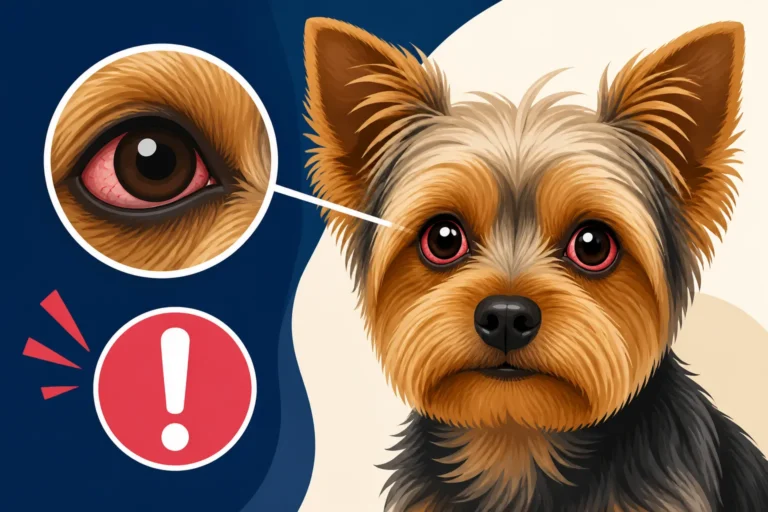
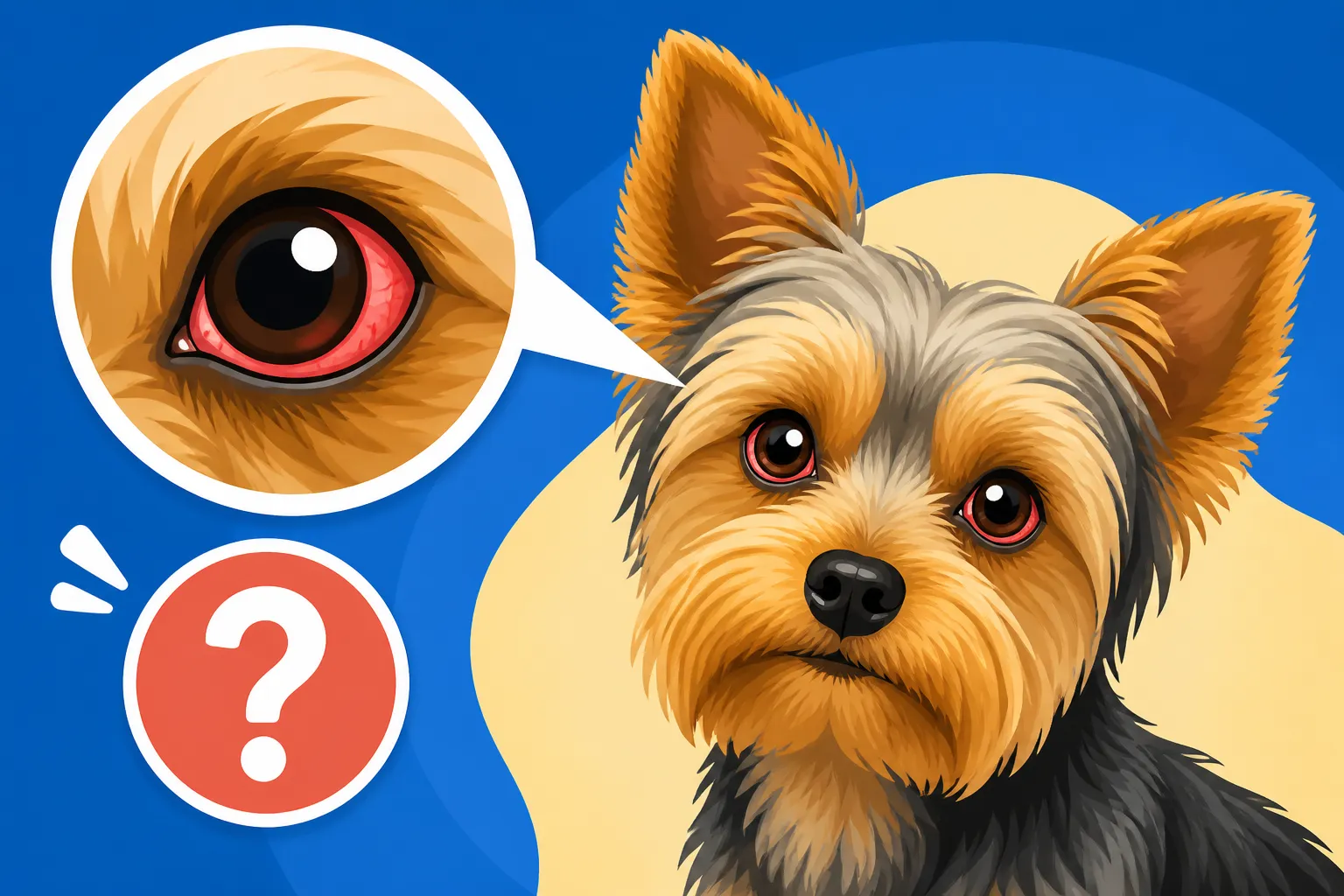
It's truly alarming when you look into your beloved Yorkshire Terrier's sweet face and see those typically bright, intelligent eyes appearing red and inflamed. As a Yorkie parent, that immediate pang of worry is completely understandable. Red eyes can signal a whole host of issues, from something as minor as a bit of dust to a more serious underlying health concern that needs urgent attention. This comprehensive guide is here to walk you through the common reasons why your Yorkie might have red eyes, what symptoms to watch for, and most importantly, when it's time to get professional help.
Common Causes of Red Eyes in Yorkshire Terriers
Redness in a Yorkie's eyes isn't just a cosmetic issue; it's often a sign that something is irritating or affecting the delicate structures of their eyes. Because Yorkies have those beautiful, expressive, and sometimes prominent eyes, they can be particularly susceptible to certain conditions. Understanding these can help you better pinpoint what might be going on.
Allergies and Environmental Irritants
Just like us, Yorkies can suffer from allergies, and their eyes are often the first place to show it. Environmental allergens like pollen, dust mites, mold spores, or even certain household cleaners can cause their eyes to become itchy, watery, and red. Imagine stepping outside on a high-pollen day; your own eyes might feel gritty and irritated. Your Yorkie experiences something very similar, but they can't tell you directly.
Beyond allergies, simple irritants in their daily environment can also be culprits. A stray piece of lint from their bedding, a speck of dirt kicked up during playtime in the yard, or even residue from shampoo if it gets too close during bath time can lead to a noticeable redness. Sometimes, it’s as simple as their hair growing too long around their eyes, constantly poking and irritating the delicate tissue. This type of irritation usually affects both eyes if it's an environmental allergen, but a foreign object or a direct splash of something could affect just one.
Conjunctivitis Pink Eye
Conjunctivitis, often called "pink eye," is an inflammation of the conjunctiva, the clear membrane that covers the white part of the eye and lines the inside of the eyelids. When this membrane becomes inflamed, it swells and becomes noticeably red. It's a fairly common condition in dogs, and it can stem from several causes.
Bacterial or viral infections are frequent offenders, leading to discharge that might be clear, watery, or thick and yellowish-green, often accompanied by crusting around the eyes. Allergies, as mentioned before, can also trigger a non-infectious form of conjunctivitis. Even physical irritants like smoke, dust, or a foreign body can cause it. If your Yorkie is rubbing or pawing at their eyes, blinking excessively, or showing signs of discomfort, conjunctivitis might be at play. It's important to differentiate between the causes, as treatment for a bacterial infection will be very different from managing an allergic reaction.
Corneal Ulcers and Scratches
The cornea is the transparent outer layer at the front of the eye. It's incredibly sensitive and vital for vision. A corneal ulcer is essentially an open sore on the surface of the cornea, which can be incredibly painful and cause significant redness. These ulcers can range from superficial scratches to deep wounds that penetrate multiple layers of the cornea.
Yorkies, with their somewhat protruding eyes and sometimes playful, energetic nature, can be prone to corneal injuries. A scratch from a sharp twig during a walk, a poke from another pet's claw, or even rubbing their eye too vigorously against a rough surface can cause a corneal ulcer. You might notice your Yorkie squinting, tearing excessively, developing a cloudy appearance in the affected eye, or showing extreme sensitivity to light. If you suspect a corneal ulcer, it's an emergency, as untreated ulcers can lead to serious complications and even vision loss.
Dry Eye Syndrome Keratoconjunctivitis Sicca KCS
Keratoconjunctivitis Sicca, mercifully shortened to KCS or simply "dry eye," is a chronic condition where the eyes don't produce enough tears to stay properly lubricated. Tears are vital not just for moisture but also for washing away debris and providing nutrients to the cornea. Without adequate tears, the eyes become dry, irritated, and inflamed, leading to prominent redness.
Yorkies can be predisposed to dry eye, which makes it a condition every Yorkie owner should be aware of. You might notice a thick, yellowish discharge, frequent blinking, or a dull, cloudy appearance to the eye over time. The constant irritation can also lead to corneal damage if not managed properly. This condition requires ongoing veterinary care to stimulate tear production or provide artificial tears to keep the eyes comfortable and healthy. Our article on Yorkie Dry Eye Management goes into more detail about how to handle this condition.
Eyelid Abnormalities
Sometimes, the structure of your Yorkie's eyelids themselves can cause problems, leading to chronic irritation and redness. Two common abnormalities are entropion and ectropion.
- Entropion: This is a condition where the eyelid rolls inward, causing the eyelashes and surrounding hair to constantly rub against the cornea. This constant friction is incredibly irritating and can lead to chronic redness, tearing, and even corneal ulcers over time. Imagine having a hair constantly poking your eye – it's just as uncomfortable for your Yorkie.
- Ectropion: Less common in Yorkies but still possible, ectropion is when the eyelid rolls outward, exposing the delicate conjunctiva to environmental irritants and making the eye more prone to dryness and infection. While sometimes a "droopy" look can be endearing, if it's causing constant issues, it needs attention.
Both conditions can lead to persistent redness and discomfort. Severe cases often require surgical correction to reposition the eyelids and prevent further damage.
Glaucoma
Glaucoma is a serious and painful eye condition characterized by increased pressure inside the eye. This pressure can damage the optic nerve and, if left untreated, quickly lead to permanent blindness. The increased internal pressure often causes significant redness in the white part of the eye (sclera) and can make the eye appear cloudy or even enlarged.
For a Yorkie, symptoms of glaucoma can appear suddenly and intensely. You might notice one or both eyes suddenly becoming very red, appearing hazy or bluish, and your dog might be in considerable pain, often pawing at their face, squinting, or becoming lethargic. This is a medical emergency. Time is critical with glaucoma, as irreversible damage can occur within hours. Early intervention is crucial to save your Yorkie's vision.
Trauma or Foreign Objects
Sometimes, the simplest explanation is the most straightforward: your Yorkie might have experienced some kind of trauma to the eye or gotten a foreign object lodged in it. This could be anything from a playful rough-and-tumble with another dog that resulted in a scratch, running through bushes and getting a thorn in the eye, or even a piece of debris flying into their eye.
A foreign object, even a tiny one, can cause immense irritation, tearing, and severe redness as the eye tries to flush it out. If you suspect a foreign object, never try to remove it yourself, as you could cause more damage. Similarly, any direct trauma, even if it doesn't leave a visible foreign body, can lead to bruising and inflammation around the eye, making it appear red and uncomfortable. Always approach these situations with caution and a trip to the vet.
When to Worry and Seek Veterinary Care for Your Yorkie's Red Eyes
While some mild redness might resolve on its own, it's really important to know when a "wait and see" approach isn't appropriate. With eye issues, things can escalate quickly, and delaying treatment can sometimes lead to irreversible damage or unnecessary pain for your furry friend.
Emergency Signs to Never Ignore
As a responsible Yorkie owner, it’s crucial to recognize the red flags that indicate an urgent trip to the vet. Your Yorkie's eyes are delicate, and what seems minor can be a precursor to something serious. Don't hesitate if you observe any of these symptoms:
- Sudden Onset of Redness or Severe Redness: If one or both eyes turn bright red very quickly, especially if accompanied by other symptoms, it's a sign of acute inflammation or injury.
- Squinting, Pawing, or Rubbing: These are clear indicators of pain or extreme discomfort. Your Yorkie is trying to tell you something hurts!
- Thick or Discolored Discharge: While clear tearing can be normal with irritation, greenish, yellowish, or pus-like discharge strongly suggests an infection.
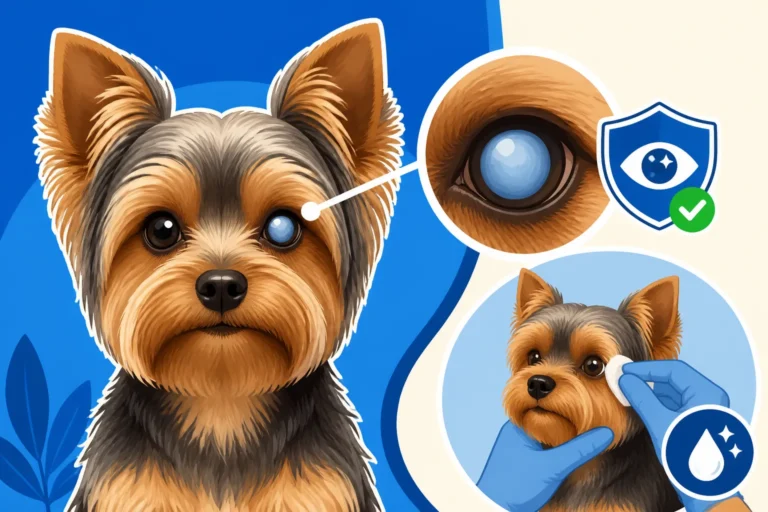
- Cloudiness or Change in Eye Color: A hazy, bluish, or cloudy appearance to the cornea can signal an ulcer, glaucoma, or other serious internal eye problems.
- Pupil Size Changes or Uneven Pupils: If one pupil is significantly larger or smaller than the other, or if they don't react normally to light, it could indicate neurological issues or severe internal eye pressure.
- Swelling Around the Eye: Swelling of the eyelids or the tissue around the eye points to inflammation, infection, or possibly an allergic reaction.
- Visible Foreign Object or Injury: If you can see something stuck in the eye, or if there's any visible trauma like a cut or abrasion, don't try to remove it yourself.
- Loss of Vision or Bumping into Things: If your Yorkie seems disoriented, is bumping into furniture, or hesitant to navigate familiar spaces, their vision might be compromised, which is an emergency.
- Lethargy or Loss of Appetite: If eye pain is severe enough, it can affect your dog's overall demeanor, making them withdrawn, less playful, and uninterested in food.
When you notice any of these signs, it's not the time for home remedies. Head to your veterinarian or an emergency animal clinic immediately. For more information on what to watch for, check out our guide on Yorkie Emergency Symptoms to Never Ignore.
What to Expect at the Vet Visit
When you bring your Yorkie in for red eyes, your vet will perform a thorough ophthalmic examination. They'll start by taking a detailed history from you: when did the redness start, are other symptoms present, has there been any trauma, what's your Yorkie's general health like? Be prepared to answer questions about any recent changes in diet, environment, or exposure to other animals.
The vet will then conduct several diagnostic tests. These might include:
- Schirmer Tear Test: This measures tear production, crucial for diagnosing dry eye (KCS). A small strip of paper is placed under the lower eyelid for a minute.
- Fluorescein Stain Test: A special dye is applied to the eye. If there's an ulcer or scratch on the cornea, the dye will stick to the damaged area and glow under a blue light, making even tiny abrasions visible.
- Tonometry: This measures the pressure inside the eye, which is essential for diagnosing glaucoma. A small probe gently touches the surface of the eye.
- Ophthalmoscopy: The vet will use a specialized light source to examine the interior structures of the eye, looking for any abnormalities of the retina or optic nerve.
- Swabs and Cultures: If an infection is suspected, your vet might take a swab of discharge to identify the specific bacteria or fungus present, ensuring the correct antibiotic or antifungal medication is prescribed.
Based on these findings, your vet will determine the underlying cause and prescribe the appropriate treatment. This could range from antibiotic eye drops or ointments for infections, anti-inflammatory medications for allergies or inflammation, lubricating drops for dry eye, or even surgical intervention for conditions like severe entropion or glaucoma. Remember, early diagnosis and treatment are key, and pet insurance like Healthy Paws can be a lifesaver for unexpected veterinary costs.
Home Care and Prevention Tips for Yorkie Eye Health
While professional veterinary care is paramount when red eyes persist or are accompanied by serious symptoms, there are many things you can do at home to support your Yorkie's eye health and potentially prevent some minor irritations.
Gentle Eye Cleaning Practices
Maintaining good hygiene around your Yorkie's eyes can go a long way in preventing minor irritations and infections. Their long facial hair, a hallmark of the breed, can easily trap debris and moisture, creating a breeding ground for bacteria or causing constant irritation.
- Daily Wiping: Make it a habit to gently wipe around your Yorkie's eyes daily with a soft, damp cloth or a veterinarian-approved eye wipe. Always wipe away from the eye, towards the nose, to avoid introducing debris into the eye itself. Use a fresh part of the cloth for each eye to prevent cross-contamination if one eye is irritated.
- Trim Facial Hair: Keeping the hair around your Yorkie's eyes trimmed short is one of the most effective preventive measures. Long hair can poke the cornea, trap tears, and harbor bacteria. If you're uncomfortable doing this yourself, your groomer or vet can do it safely. This simple step can significantly reduce the risk of physical irritation.
- Be Gentle with Baths: When bathing your Yorkie, take extra care to shield their eyes from shampoo and water. Use tearless puppy shampoo formulated for dogs, and gently wipe their face rather than rinsing directly. Residue from harsh shampoos can be a major irritant, leading to red, burning eyes.
For more detailed advice on maintaining sparkling clean eyes, you might find our article on Yorkie Eye Problems Explained helpful, as it covers various aspects of eye care.
Environmental Management to Minimize Irritants
Your Yorkie's environment plays a huge role in their overall health, including their eyes. Minimizing exposure to common irritants can help keep those beautiful eyes clear and bright.
- Dust Control: Yorkies are low to the ground and can easily inhale or get dust into their eyes. Regular vacuuming with a HEPA filter, dusting with damp cloths, and changing HVAC filters regularly can significantly reduce dust and airborne allergens in your home.
- Avoid Smoke and Strong Scents: Cigarette smoke, strong air fresheners, burning candles, and aerosol sprays can be highly irritating to a Yorkie's sensitive respiratory system and eyes. Try to minimize these exposures in your home. If you must use them, ensure your Yorkie is in a different, well-ventilated area.
- Outdoor Safety: Be mindful of where your Yorkie plays outside. Avoid areas with tall grasses, thorny bushes, or excessive dust and debris. If you're gardening or doing yard work, keep your Yorkie safely indoors to prevent accidental injury from flying debris or chemicals. Consider a doggy stroller or carrier for longer outdoor excursions to protect them from ground-level hazards, especially if they have sensitive eyes.
The Role of Nutrition and Supplements
A well-balanced diet is the cornerstone of overall health, and this extends to eye health too. While no specific food will cure a severe eye condition, good nutrition can support the immune system and provide essential nutrients for healthy vision.
- High-Quality Dog Food: Ensure your Yorkie is eating a high-quality, complete, and balanced dog food appropriate for their age and size. Look for foods with real meat as the first ingredient and without excessive fillers or artificial additives. Brands known for quality often include essential fatty acids and antioxidants beneficial for eye health.
- Omega-3 Fatty Acids: Omega-3s, particularly EPA and DHA, found in fish oil, are known for their anti-inflammatory properties. These can be beneficial for dogs with allergic conjunctivitis or dry eye. Talk to your vet about appropriate dosages if considering a supplement. Some premium dog foods, such as those from Royal Canin or Purina Pro Plan, often include these beneficial fatty acids.
- Antioxidants: Vitamins C and E, beta-carotene, and lutein are powerful antioxidants that can help protect eye cells from damage. While most commercial dog foods contain these, you can also discuss with your vet if additional supplements are warranted, especially for older Yorkies. Remember, always consult your veterinarian before adding any supplements to your Yorkie's diet, as too much of a good thing can sometimes be harmful.
Regular Veterinary Check-ups
Even if your Yorkie's eyes seem perfectly fine, regular veterinary check-ups are crucial. These routine visits are not just for vaccinations; they're an opportunity for your vet to perform a full physical examination, including a basic eye check, which can catch potential issues before they become serious.
During a routine check-up, your vet can identify subtle signs of conditions like early-stage dry eye, incipient cataracts, or minor eyelid abnormalities that you might miss at home. Early detection allows for earlier intervention, often leading to better outcomes and preventing the progression of diseases. For instance, if your vet suspects a predisposition to certain conditions, they might recommend preventive measures or suggest specialized diets. Knowing your Yorkshire Terrier Health Problems to Know can help you have an informed discussion with your vet about potential concerns. Investing in a good pet insurance plan, like one from Healthy Paws, can also provide peace of mind, knowing that if a serious eye condition does arise, a significant portion of the treatment costs could be covered.
Table of Common Yorkie Red Eye Causes and Urgency
| Cause | Key Symptoms | Urgency Level | Typical Treatment |
|---|---|---|---|
| Allergies/Irritants | Redness, tearing, itching, mild swelling (often both eyes) | Low to Moderate | Identifying/removing irritant, antihistamines, gentle cleaning, anti-inflammatory drops |
| Conjunctivitis (Pink Eye) | Redness, clear/mucus/pus-like discharge, squinting, swollen eyelids | Moderate | Antibiotic/anti-inflammatory eye drops, cleaning |
| Corneal Ulcer/Scratch | Intense redness, squinting, tearing, pain, cloudy spot on cornea | High (Emergency) | Antibiotic drops, pain relief, sometimes surgery, protective collar |
| Dry Eye (KCS) | Chronic redness, thick mucus discharge, dull eye, frequent blinking, pain | Moderate to High | Tear stimulants, artificial tears, anti-inflammatory meds, lifelong management |
| Eyelid Abnormalities | Chronic redness, irritation, tearing, often associated with eyelid rolling | Moderate to High | Lubricating drops, sometimes surgical correction |
| Glaucoma | Sudden severe redness, pain, cloudy/hazy eye, dilated pupil, eye enlargement | Very High (Emergency) | Immediate medication to reduce pressure, potentially surgery, pain relief |
| Trauma/Foreign Object | Sudden redness, pain, squinting, tearing, visible object/injury (often one eye) | High (Emergency) | Removal of object, antibiotic drops, pain relief, protective collar |
This table is a quick guide, but remember that only a qualified veterinarian can accurately diagnose and treat eye conditions.
Final Thoughts on Your Yorkie's Eye Health
Seeing your Yorkie's eyes red and irritated is a worrying experience, and it's something no pet parent wants to endure. The world is a place full of wonders for our furry friends, and their vision is crucial for them to explore and enjoy it. By being vigilant, understanding the potential causes of red eyes, and knowing when to seek immediate veterinary attention, you're taking the best steps to protect their delicate peepers. Regular care, a clean environment, good nutrition, and prompt medical care will ensure your little companion's eyes remain bright and healthy for many happy years to come. Remember, a quick call to your vet is always better than waiting and wondering when it comes to eye health!
Disclaimer
This article is intended for informational purposes only and does not constitute medical advice. Always consult with a qualified veterinarian for any health concerns or before making any decisions related to your pet's health and treatment.