Why Is My Yorkie Reverse Sneezing
That sudden, loud, snorting sound coming from your tiny Yorkshire Terrier can be downright terrifying. One moment they’re happily trotting along, and the next, they’re making these dramatic, gasping noises, often struggling to breathe, and it leaves you feeling utterly helpless and worried sick. This guide is here to shed light on exactly what reverse sneezing is, why your beloved Yorkie might be experiencing it, and most importantly, what you can do to help and when it's time to seek professional veterinary advice.
Understanding Reverse Sneezing in Yorkshire Terriers
It’s a peculiar thing, this reverse sneezing. Unlike a regular sneeze where air is forcefully expelled through the nose, a reverse sneeze involves your dog rapidly pulling air in through their nose, often with a snorting or gagging sound. It can look and sound quite alarming, especially given the delicate nature of a Yorkie's respiratory system. Many first-time Yorkie owners, and even seasoned ones, often mistake it for choking, an asthma attack, or some other dire emergency.
What Does a Reverse Sneeze Look Like
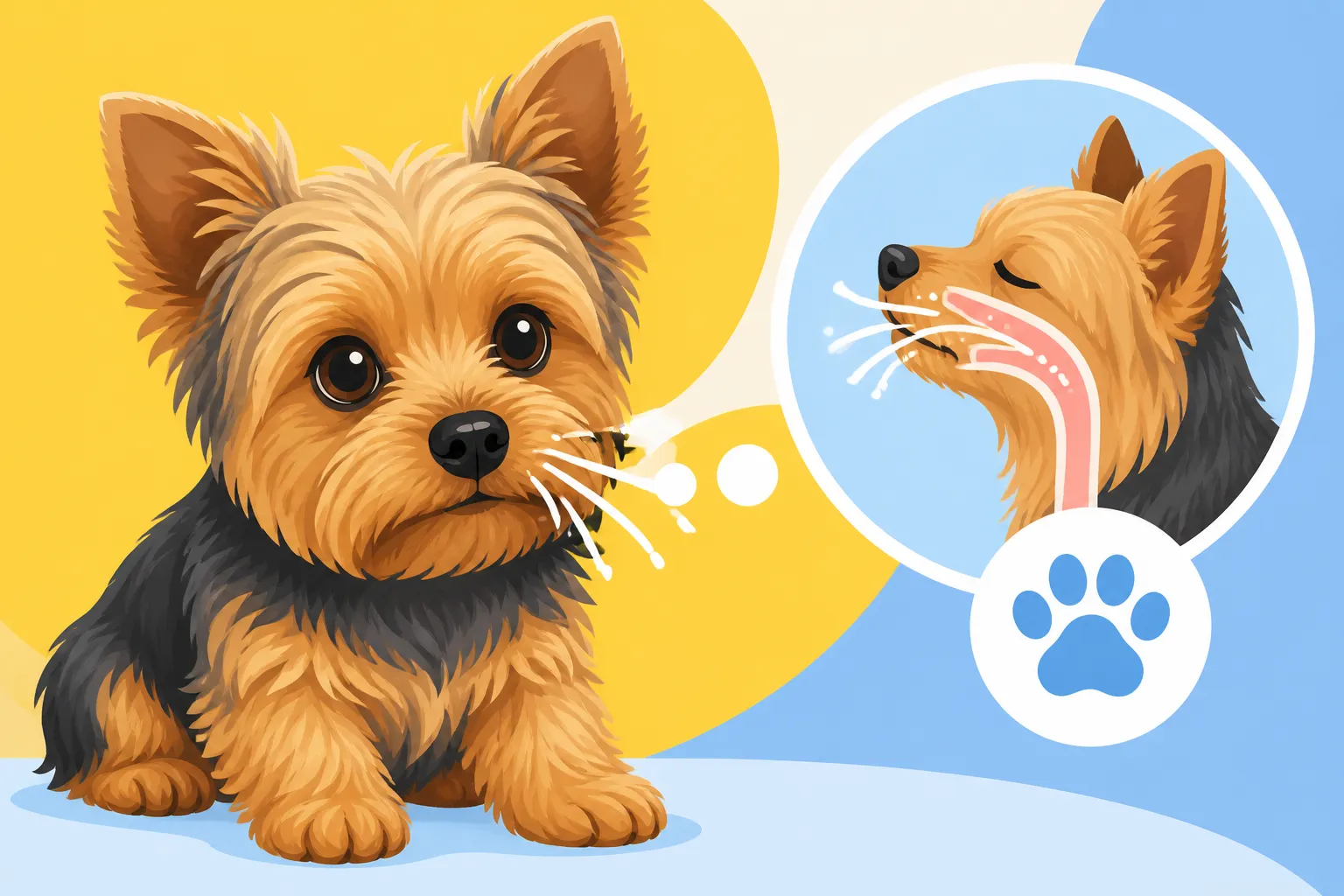
Imagine your little Yorkie suddenly freezing in their tracks, extending their neck, and making a series of loud, rapid, inward gasps or snorts. Their chest might heave, and their eyes might bulge slightly, as if they are desperately trying to catch their breath. This episode typically lasts anywhere from a few seconds to a minute or two, and then, just as suddenly as it started, it stops. Your Yorkie will usually shake it off and act completely normal, as if nothing out of the ordinary just happened. This dramatic presentation is what often sends pet parents into a panic, but understanding the mechanics can help you remain calm.
Differentiating from Other Respiratory Issues
It’s crucial to distinguish reverse sneezing from other more serious respiratory conditions. A regular sneeze is usually a single, outward expulsion of air, often to clear irritants. Coughing, on the other hand, is a forceful expulsion of air from the lungs, usually with a characteristic "hack" sound, originating from the throat or lower respiratory tract. Reverse sneezing is specifically an upper respiratory phenomenon.
Here’s a quick comparison to help you tell the difference:
| Symptom Feature | Reverse Sneeze | Regular Sneeze | Cough |
|---|---|---|---|
| Airflow Direction | Rapid, forceful inward inhalation | Forceful outward expulsion | Forceful outward expulsion from lungs |
| Sound | Snorting, gagging, choking, wheezing | "Achoo!" sound, single or a few | Hacking, raspy, sometimes moist |
| Body Posture | Neck extended, standing still, head lowered | Head lowered, quick jerk of head | Standing or lying, often with head extended |
| Duration | Seconds to a couple of minutes | Brief, usually less than a few seconds | Can be short or sustained |
| Common Causes | Irritation of soft palate/pharynx | Nasal passage irritation (dust, pollen) | Tracheal irritation, lung issues |
| Urgency | Usually benign, but vet if frequent/severe | Rarely urgent | Can be a sign of various conditions; monitor |
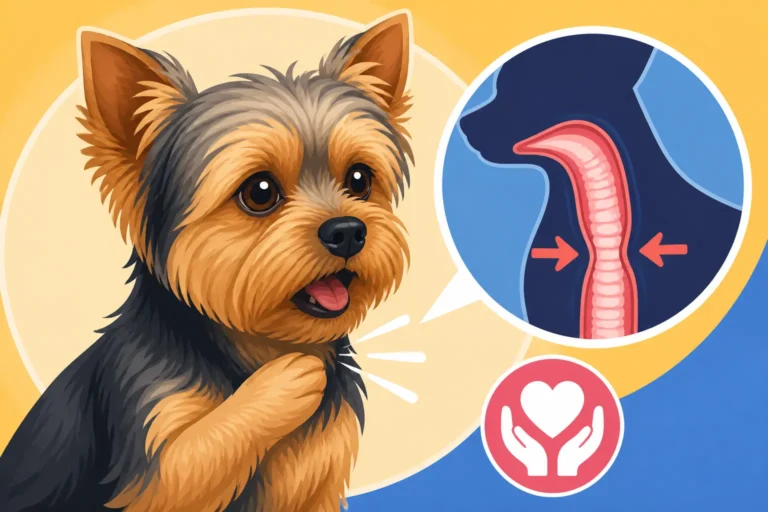
Conditions like tracheal collapse, which is unfortunately common in small breeds like Yorkies, can sometimes mimic aspects of reverse sneezing or coughing. If your Yorkie experiences symptoms frequently or seems distressed, it's always best to consult your vet. You can learn more about specific respiratory issues by reading our guide on Yorkie Breathing Problems Explained.
Common Triggers for Yorkie Reverse Sneezing Episodes
Reverse sneezing, medically known as paroxysmal respiration, is typically caused by an irritation or inflammation of the soft palate and pharynx. These tissues then spasm, causing the dog to repeatedly and rapidly inhale air. Because Yorkies are a brachycephalic-leaning breed (even though not truly brachycephalic, their small size and delicate respiratory anatomy make them prone), their elongated soft palates can easily become irritated and fall into this spasm.
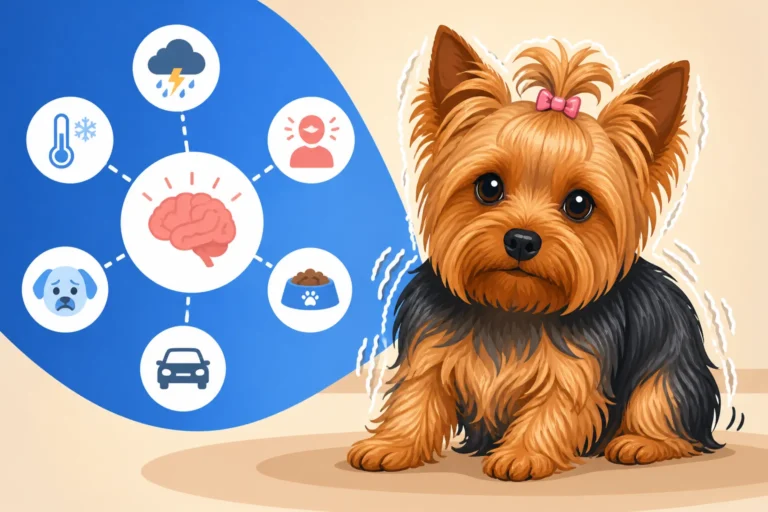
Environmental Irritants
Just like humans, dogs can be sensitive to things in their environment. For a tiny Yorkie, whose nose is much closer to the ground and more sensitive, these irritants can be even more pronounced.
Consider your home environment:
- Dust and Pollen: If you live in an area with high pollen counts or have a dustier home, your Yorkie might be more susceptible. Vacuuming regularly with a HEPA filter vacuum, and changing air filters frequently can make a difference.
- Strong Scents: Air fresheners, perfumes, cleaning products, cigarette smoke, or even strong candles can irritate their sensitive nasal passages and trigger a spasm. Imagine a tiny dog walking through a cloud of harsh chemicals – it's no wonder they react! Using pet-safe, unscented cleaning products or diffusers with pet-friendly essential oils can help create a more comfortable environment for your Yorkie.
- Temperature Changes: Moving from a warm house to cold outside air, or vice-versa, can sometimes trigger these spasms. It's similar to how some people's noses run when they step out into the cold. Providing a warm sweater for your Yorkie on chilly walks can mitigate this.
Excitement and Over-Stimulation
Yorkies are known for their lively and sometimes excitable personalities. This high energy, while endearing, can also be a trigger for reverse sneezing.
Think about common scenarios:
- Greeting Visitors: When guests arrive, or you come home after being out, your Yorkie's excitement can cause them to breathe faster and more intensely. This rapid inhalation can lead to irritation and subsequent reverse sneezing.
- Playtime: Vigorous play, especially fetch or wrestling, where they are panting heavily or snorting in excitement, can also trigger an episode.
- Eating and Drinking Too Fast: Sometimes, a dog might reverse sneeze after rapidly eating or drinking, especially if they gulp down their food or water too quickly, causing food or liquid to irritate their throat. Using a slow feeder bowl can help if this is a recurring issue.
Physical Factors and Allergies
Beyond the immediate environmental and excitement triggers, there are a few physical reasons why your Yorkie might be more prone to reverse sneezing.
These include:
- Allergies: Just like us, dogs can suffer from seasonal or environmental allergies. Pollen, dust mites, or certain food allergens can cause inflammation in their nasal passages and throat, leading to more frequent reverse sneezing episodes. Your vet might be able to suggest allergy management strategies, which could include dietary changes or antihistamines. For more on managing allergies, check out our article on Yorkie Allergies: Signs and Relief.
- Elongated Soft Palate: Many small breeds, including Yorkies, can have an elongated soft palate. This means the soft tissue at the back of their mouth extends too far into their throat, and when they get excited or inhale sharply, it can get sucked into the windpipe, causing the spasm. This anatomical quirk is a common reason why this phenomenon is so prevalent in smaller dogs.
- Mild Upper Respiratory Infections: Sometimes, a mild cold or irritation from an infection can lead to temporary inflammation, making your Yorkie more susceptible to reverse sneezing. These cases usually resolve as the infection clears.
While these triggers are generally benign, they highlight the importance of observing your Yorkie closely and creating a comfortable, low-stress environment for them.
When to Seek Veterinary Advice
While reverse sneezing is typically harmless and self-limiting, it's natural for a pet parent to worry. Knowing when to simply comfort your Yorkie and when to call the vet is crucial. Most episodes are just that – episodes – and resolve on their own, leaving your dog perfectly fine afterward. However, certain signs warrant a professional check-up to rule out anything more serious.
Signs That Warrant a Vet Visit
It's easy to dismiss reverse sneezing as "just a Yorkie thing," but there are instances where it could be indicative of an underlying health concern. You know your Yorkie best, so if something feels off, trust your gut.
Here are specific situations when a trip to the veterinarian is definitely in order:
- Increased Frequency or Duration: If your Yorkie starts having reverse sneezing episodes much more often than usual, or if each episode lasts longer than a couple of minutes, it's a good idea to get it checked out. A sudden change in pattern can signal a new irritation or problem.
- Changes in Behavior After Episodes: After a normal reverse sneeze, your Yorkie usually bounces back to their usual self immediately. If they seem lethargic, tired, or otherwise unwell after an episode, or if they start coughing, wheezing, or seem to struggle for breath even between episodes, then something else might be going on. This could point to conditions like Yorkshire Terrier Collapsing Trachea: Signs and Care.
- Presence of Other Symptoms: Watch out for accompanying symptoms like nasal discharge (especially if it's thick, colored, or bloody), pawing at the face, loss of appetite, persistent coughing (separate from the reverse sneeze), or a fever. These could indicate an infection, foreign body, or other respiratory issues.
- Continuous or Severe Distress: If your Yorkie appears genuinely distressed, panicking, or if their gums or tongue start to turn bluish during an episode, this is an emergency. While rare with reverse sneezing, it can happen if their airway is severely compromised. In such a situation, you should immediately contact your vet or an emergency animal hospital.
- Puppies and Senior Yorkies: Very young puppies or senior Yorkies can be more vulnerable to respiratory issues. If a puppy is experiencing frequent or severe episodes, it's vital to ensure their developing respiratory system is healthy. For older Yorkies, reverse sneezing might be a symptom of age-related conditions or weakened respiratory function, so a prompt vet visit for your Yorkshire Terrier Senior Care Guide is advised.
Potential Underlying Conditions
While often benign, reverse sneezing can be a symptom of other issues that your vet will want to investigate. These are not meant to scare you, but to inform you of the possibilities that a vet considers during an examination.
Some potential underlying conditions include:
- Foreign Body in the Nasal Passage or Throat: Sometimes a blade of grass, a seed, or a tiny piece of kibble can get lodged in the nasal passage or irritate the back of the throat, triggering the spasms. Your vet may need to perform an endoscopy to visualize and remove it.
- Nasal Mites: Tiny mites can sometimes live in a dog's nasal passages, causing irritation and sneezing or reverse sneezing. These are often treated with specific medications.
- Polyps or Tumors: While less common, especially in younger dogs, growths in the nasal passages or throat can cause chronic irritation and reverse sneezing. Your vet might recommend imaging studies like X-rays or a CT scan if they suspect this.
- Chronic Allergies: Persistent reverse sneezing could be a sign of chronic allergies that need ongoing management with medication or environmental control.
- Collapsing Trachea: As mentioned, this is a more serious condition where the cartilage rings of the trachea weaken and collapse. While it usually presents as a dry, honking cough, severe cases can sometimes be confused with reverse sneezing or exacerbate it. A vet can diagnose this through X-rays or fluoroscopy. Our guide on Yorkshire Terrier Tracheal Collapse: Signs and Care provides more detailed information.
A visit to the vet allows them to perform a thorough physical examination, listen to your Yorkie's lungs and heart, and potentially recommend diagnostics like blood tests, X-rays, or even rhinoscopy (looking into the nasal passages with a tiny camera). This is where having pet insurance, such as a plan from Healthy Paws, can be incredibly helpful. It can provide peace of mind by covering a significant portion of diagnostic tests and treatments, allowing you to make the best health decisions for your furry family member without undue financial stress. Understanding your options for Yorkshire Terrier Vet Costs and Health Budget is always a smart move.
Helping Your Yorkie During an Episode
Witnessing your Yorkie in the midst of a reverse sneezing episode can be frightening, but there are practical steps you can take to help them recover quickly and even prevent future occurrences. The key is to remain calm, as your anxiety can transfer to your dog.
Immediate Actions During an Episode
When your Yorkie starts reverse sneezing, your primary goal is to help them clear the irritation and return to normal breathing as quickly as possible.
Here’s what you can do:
- Stay Calm and Reassure: Your Yorkie can sense your stress. Speak in a soothing voice, gently pet them, and let them know everything is okay. Panicking will only make your dog more anxious, potentially prolonging the episode.
- Gently Massage Their Throat: Lightly massaging your Yorkie’s throat, right under their chin, can sometimes help stop the spasm. This action can encourage them to swallow, which helps to clear any irritation in the pharynx and soft palate.
- Cover Their Nostrils Briefly: For a second or two, you can gently place your fingers over their nostrils. This causes them to swallow and breathe through their mouth, which can interrupt the spasm. Be very gentle and don't block their breathing for long; the goal is just to trigger a swallow reflex.
- Offer a Drink of Water: Once the episode subsides slightly, offering a small drink of water can help soothe their throat and clear any residual irritation.
- Distract Them: Sometimes, simply diverting their attention can help. Calling their name, showing them a favorite toy, or gently moving them to another spot can break the cycle of the spasm.
Remember, most reverse sneezing episodes will resolve on their own, even without intervention. These techniques are simply ways to potentially shorten the duration and ease your Yorkie's discomfort.
Long-Term Prevention Strategies
While you can't eliminate all triggers, there are several things you can do to minimize the frequency and severity of reverse sneezing in your Yorkie. Prevention often comes down to managing their environment and overall health.
Consider these preventative measures:
- Identify and Minimize Irritants: Pay close attention to what might be triggering your Yorkie's episodes. Is it a certain cleaning spray? Dust in a particular room? Heavy perfume? Once you identify potential culprits, you can work to eliminate or reduce their exposure. Using air purifiers with HEPA filters can greatly reduce airborne allergens and dust in your home. Be mindful of strong scents from candles, diffusers, and harsh cleaning chemicals.
- Maintain a Clean Environment: Regular cleaning, especially vacuuming with a pet-friendly vacuum cleaner that has good filtration, can significantly reduce dust and dander. Wash your Yorkie's bedding regularly to keep it free from dust mites.
- Avoid Excitement-Induced Episodes: If you notice your Yorkie reverse sneezes when overly excited, try to manage situations that trigger high arousal. For example, when guests arrive, have them greet your Yorkie calmly rather than with high-pitched exclamations. Teach your Yorkie to sit politely for greetings.
- Regular Grooming and Health Checks: Keeping your Yorkie well-groomed, including regular bathing and brushing, can help reduce allergens in their coat. Regular vet check-ups are also crucial. Your veterinarian can monitor your Yorkie's overall respiratory health and catch any underlying issues early. These routine visits are part of how to ensure your How to Keep a Yorkshire Terrier Healthy.
- Consider Allergy Management: If allergies are suspected, your vet might suggest allergy testing, antihistamines, or other treatments. Knowing if your Yorkie has specific allergies can help you tailor their environment and even their diet.
Prevention is often the best medicine, and by being proactive, you can create a more comfortable and healthy life for your Yorkie. Investing in comprehensive pet insurance early, like a policy from Healthy Paws, can also be a proactive measure. It ensures that if any underlying conditions are ever diagnosed or if preventative treatments become necessary, you’re financially prepared to provide the best care without hesitation. You might also want to look into topics like Yorkie Eye Problems Explained or Yorkie Dental Disease Prevention as overall health can impact respiratory sensitivity.
Living with a Reverse Sneezing Yorkie
It's important to remember that for many Yorkshire Terriers, reverse sneezing is a benign condition that simply comes and goes. It's often more startling to the owner than it is harmful to the dog. With a good understanding of what it is, what triggers it, and how to respond, you can handle these episodes with confidence and keep your Yorkie happy and healthy.
Reassurance and Observation
One of the biggest keys to managing a Yorkie prone to reverse sneezing is your own reaction. Staying calm and providing reassurance is paramount. If you react with panic every time, your dog will start to associate the episode with your fear, which can increase their stress and potentially make future episodes more frequent or severe.
After an episode, simply observe your Yorkie. Do they immediately return to their playful, normal self? Are there any lasting signs of discomfort? Most of the time, they'll simply shake it off, look at you as if to say, "What was that all about?", and then go back to sniffing around or cuddling. This rapid return to normalcy is a strong indicator that the episode was harmless. If you notice any deviation from their usual behavior, that's your cue to make a note and perhaps contact your vet. Keeping a small log of when episodes occur and what might have triggered them can be incredibly helpful for your vet if you do need to seek their advice. This detailed observation is part of being a diligent pet parent, helping you differentiate between a harmless quirk and something that might need attention.
When to Consult a Specialist
For persistent or atypical cases of reverse sneezing, where your general veterinarian has ruled out common causes and treatments haven't been effective, they might recommend consulting a veterinary specialist. A board-certified veterinary internist or a veterinary surgeon (especially if an elongated soft palate is suspected to be severe enough to require correction) would have advanced diagnostic tools and expertise.
These specialists can perform more in-depth evaluations, such as:
- Rhinoscopy/Laryngoscopy: Using tiny cameras to directly visualize the nasal passages, throat, and larynx for foreign bodies, polyps, tumors, or anatomical abnormalities.
- Advanced Imaging: Such as a CT scan of the head and neck, which provides detailed cross-sectional images to detect subtle issues not visible on regular X-rays.
- Pulmonary Function Tests: In some rare cases, they might assess lung function to rule out deeper respiratory issues.
While consulting a specialist is often a more involved and potentially costly step, it can provide definitive answers and solutions for chronic issues that significantly impact your Yorkie's quality of life. This is another area where a robust pet insurance plan, like those offered by Healthy Paws, can significantly alleviate financial burdens, making specialized care accessible when your beloved Yorkie truly needs it. Early intervention and thorough diagnostics can make a world of difference for conditions like Yorkshire Terrier Portosystemic Shunt: Signs and Care or other complex internal issues.
Remember, every Yorkie is an individual, and while reverse sneezing is common, staying informed and being proactive about their health is the best way to ensure they live a long, happy, and snort-free life. Always be sure to recognize Yorkie Emergency Symptoms to Never Ignore.
Disclaimer
The information provided in this article is for general informational purposes only and is not a substitute for professional veterinary advice. Always consult with a qualified veterinarian for any health concerns or before making any decisions related to your pet's health and treatment.