Yorkshire Terrier Pancreatitis: Treatment Options
Finding out your beloved Yorkshire Terrier is suffering from pancreatitis can be an incredibly frightening and overwhelming experience. One minute your little companion is their usual spunky self, and the next they're refusing food, hunched in pain, or throwing up, leaving you scrambling to understand what's happening and how to make them feel better. This guide is here to walk you through the various treatment options for Yorkie pancreatitis, offering detailed, compassionate advice to help you navigate this challenging health issue.
Understanding Pancreatitis in Your Yorkshire Terrier
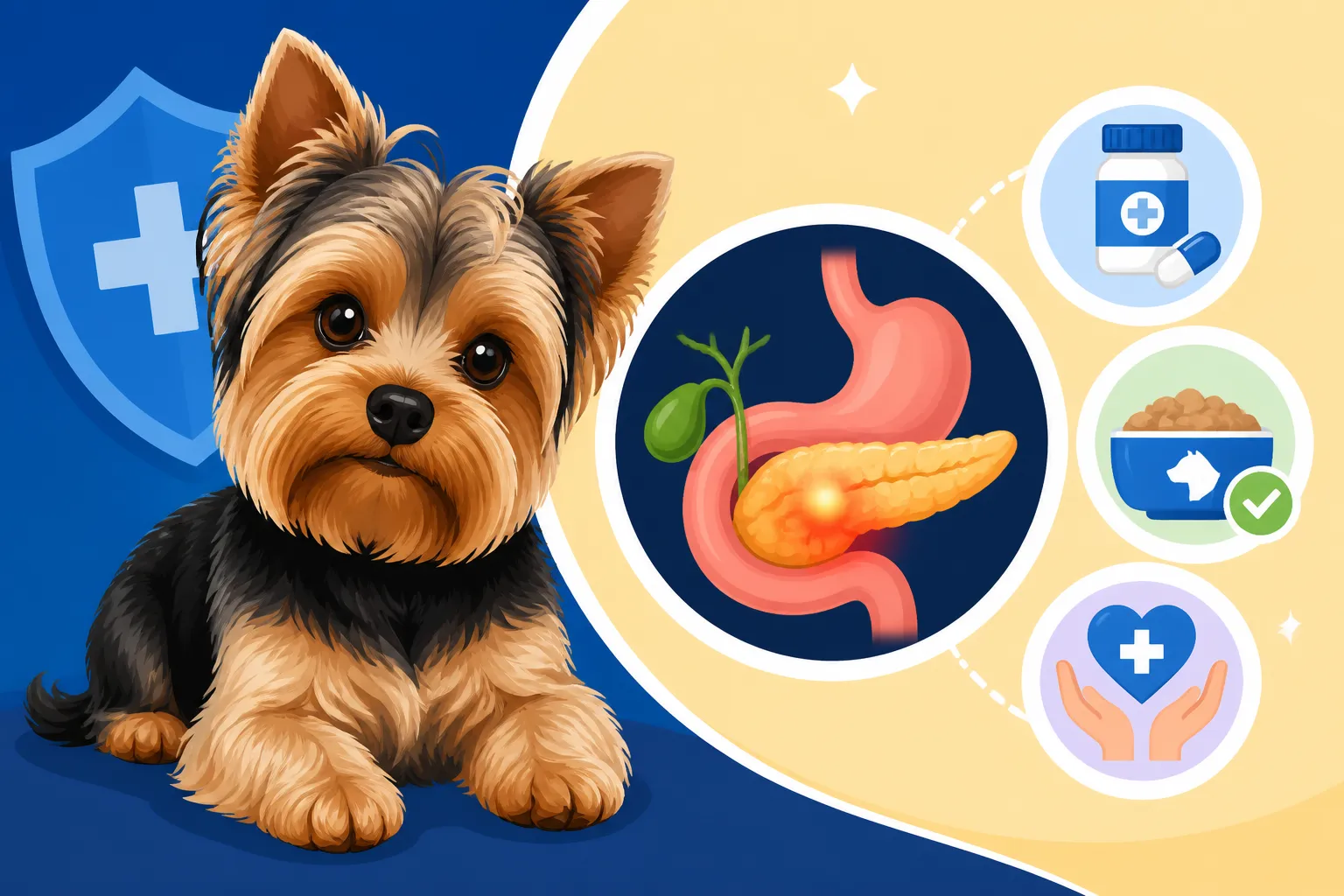
Pancreatitis, simply put, is the inflammation of the pancreas, a vital organ located near the stomach that produces enzymes for digestion and hormones like insulin. When it becomes inflamed, these digestive enzymes can actually start to digest the pancreas itself, leading to severe pain, tissue damage, and a host of other serious health complications. For tiny breeds like Yorkshire Terriers, this condition can be particularly dangerous due to their small size and delicate systems, making prompt recognition and treatment absolutely crucial.
Acute Versus Chronic Pancreatitis
It's important to understand that pancreatitis can manifest in two main forms, each with its own nuances in terms of symptoms and treatment approach. Knowing the difference can help you better understand your vet's diagnosis and the path forward for your furry friend.
Acute pancreatitis strikes suddenly and severely. Your Yorkie might go from seemingly fine to extremely ill very quickly, often after consuming a high-fat meal or treat. The inflammation is typically intense, causing immediate and noticeable symptoms like vomiting, diarrhea, severe abdominal pain, and lethargy. While terrifying, acute cases can often be resolved with aggressive, immediate veterinary intervention, though they do carry a risk of recurrence. Many Yorkie owners recount tales of a holiday meal mishap or a sneaky snack from the counter leading to a frantic trip to the emergency vet, highlighting the sudden onset of this form.
Chronic pancreatitis, on the other hand, develops over a longer period and can be much more subtle. The inflammation might be low-grade and persistent, leading to intermittent, less severe symptoms that come and go. Your Yorkie might have occasional bouts of stomach upset, reduced appetite, or general malaise that seem to resolve on their own, only to reappear later. This makes chronic pancreatitis harder to diagnose and manage, as the signs can be vague and easily mistaken for other minor ailments. However, over time, this chronic inflammation can lead to significant scarring and damage to the pancreas, sometimes resulting in conditions like exocrine pancreatic insufficiency (EPI) or even diabetes if the insulin-producing cells are affected. It's a tricky beast, requiring consistent monitoring and careful management to keep symptoms at bay and prevent further deterioration.
Why Yorkshire Terriers are Susceptible and Common Symptoms
Yorkshire Terriers, along with other small breeds like Miniature Schnauzers and Dachshunds, unfortunately, have a higher genetic predisposition to pancreatitis. The exact reasons aren't fully understood, but it's often linked to their metabolism, particularly how they process fats. A diet high in fat, even a single fatty treat like a bite of bacon or a dollop of butter, can easily trigger an episode in a susceptible Yorkie. Obesity also significantly increases their risk, placing extra strain on their organs. Stress, certain medications, and other underlying health issues can also play a role in precipitating an attack.
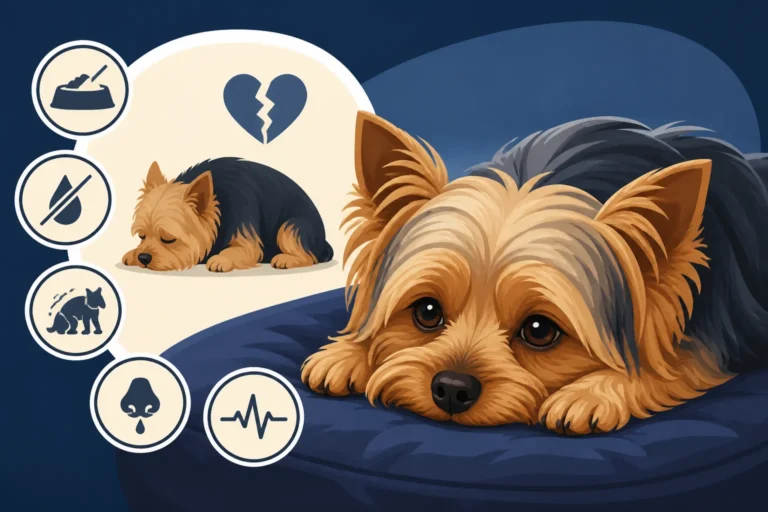
Recognizing the signs early is incredibly important for any Yorkie owner. Common symptoms include persistent vomiting, sometimes with bile; severe diarrhea, which can sometimes be bloody or mucoid; and a noticeable loss of appetite. Your Yorkie might appear hunched over, guarding their abdomen, which is a classic sign of abdominal pain. They may also be lethargic, weak, and reluctant to move or play. In severe cases, they might develop a fever, display signs of dehydration (like sunken eyes or dry gums), or even go into shock. Sometimes, you might observe your Yorkie shaking or trembling, which could be a sign of pain or even hypoglycemia if their blood sugar is affected. If you notice any of these alarming signs, especially after a questionable snack, it's vital to seek immediate veterinary attention. These could also be signs your Yorkshire Terrier is sick with other issues, so a diagnosis is crucial.
Immediate Veterinary Care and Diagnosis
When your Yorkie shows symptoms suggestive of pancreatitis, every second counts. Delaying veterinary care can lead to rapid deterioration, especially in such a small breed where dehydration and electrolyte imbalances can become critical very quickly. Many owners feel a wave of panic and guilt when their dog falls ill, wondering if they missed something or did something wrong. It’s important to push past that and focus on getting them the professional help they need right away.
The Importance of Prompt Veterinary Attention
If you suspect pancreatitis, don't wait to see if the symptoms improve. Pancreatitis is not a condition that "gets better on its own"; it requires medical intervention. As mentioned, Yorkies are prone to rapid dehydration, and vomiting and diarrhea only exacerbate this, leading to a dangerous spiral. Severe pain can also lead to shock if not managed swiftly. Getting your Yorkie to the vet quickly allows for immediate supportive care, which is the cornerstone of pancreatitis treatment. This often means intravenous (IV) fluids to combat dehydration and maintain electrolyte balance, alongside potent pain relief.
Think of it like this: if you were experiencing intense abdominal pain, vomiting, and feeling incredibly weak, you wouldn't hesitate to go to the emergency room. Your Yorkie deserves the same immediate, urgent care. The sooner treatment begins, the better the prognosis and the lower the risk of severe complications, such as multi-organ failure. When to Take Your Yorkie to the Vet for suspected pancreatitis should always be "now."
Diagnostic Tests for Pancreatitis
Upon arrival at the vet, a thorough physical examination will be performed, focusing on your Yorkie's abdominal tenderness, hydration status, and overall demeanor. To confirm a diagnosis of pancreatitis and rule out other potential causes for the symptoms (like gastrointestinal foreign bodies or other illnesses), your veterinarian will likely recommend a series of diagnostic tests.
Blood Work:
A complete blood count (CBC) can reveal signs of inflammation or infection, while a biochemistry panel assesses organ function, including kidney and liver values, and checks for electrolyte imbalances. Specific pancreatic enzymes are key. Amylase and lipase are traditionally checked, but a more reliable and specific test for canine pancreatitis is the canine pancreatic lipase immunoreactivity (cPLI) test. This test is highly sensitive and specific for pancreatitis, helping differentiate it from other causes of digestive upset. Your vet might also check for elevated white blood cell counts, which can indicate inflammation.
Imaging:
Abdominal X-rays might be taken to rule out other issues like foreign objects in the stomach or intestines, though they typically don't directly visualize the pancreas well for pancreatitis. An abdominal ultrasound is far more useful. This non-invasive imaging technique allows the veterinarian to directly visualize the pancreas, looking for signs of inflammation such as swelling, fluid accumulation around the organ, or changes in its texture. Ultrasound can also identify other abdominal abnormalities that might be contributing to your Yorkie's symptoms. This is often a crucial step in confirming the diagnosis and assessing the severity.
Other Tests:
Depending on the initial findings, your vet might recommend additional tests like urinalysis to check kidney function and hydration, or even specific tests for other conditions that can mimic pancreatitis or occur concurrently, such as certain types of liver disease. Collecting a comprehensive picture through these diagnostics helps tailor the most effective treatment plan for your individual Yorkie.
Comprehensive Treatment Options for Yorkie Pancreatitis
Once pancreatitis is diagnosed, the primary goal of treatment is to reduce inflammation, manage pain, prevent dehydration, and allow the pancreas to rest and heal. There's no single "cure" for pancreatitis; instead, treatment focuses on supportive care and addressing symptoms. It's an intensive process, and as a pet parent, it can feel like a rollercoaster of emotions watching your little one go through it.
Supportive Care: IV Fluids and Medication
The cornerstone of pancreatitis treatment is aggressive supportive care, especially in acute cases. This involves several critical components:
- Intravenous (IV) Fluid Therapy: This is paramount. Vomiting and diarrhea lead to significant fluid loss and electrolyte imbalances. IV fluids rehydrate your Yorkie, correct these imbalances, and help maintain adequate blood pressure and organ perfusion. They also help flush toxins from the body. Given a Yorkie's small size, dehydration can become life-threatening rapidly, so continuous IV fluid administration is typically a top priority, often requiring hospitalization.
- Pain Management: Pancreatitis is incredibly painful. Effective pain control is essential not only for your Yorkie's comfort but also to prevent the stress of pain from worsening their condition. Vets will administer strong pain medications, often opioids like buprenorphine or fentanyl, to manage severe abdominal discomfort. These medications are given regularly and adjusted based on your Yorkie's response. Seeing your dog in pain is heartbreaking, so knowing that skilled professionals are managing this aspect is a huge relief.
- Anti-Nausea and Anti-Vomiting Medications: Medications like maropitant (Cerenia) or ondansetron are crucial to stop vomiting. Reducing vomiting helps prevent further dehydration, allows the gastrointestinal tract to rest, and makes your Yorkie feel much more comfortable. These drugs can also help stimulate appetite once the acute phase has passed.
- Antibiotics: While pancreatitis itself isn't typically caused by bacteria, antibiotics may be prescribed if there's a concern about secondary bacterial infections, especially if the pancreas or surrounding tissues are severely damaged, leading to necrosis. This is more common in severe cases.
- Gastroprotectants: Medications that protect the stomach lining, such as famotidine or omeprazole, might be used to reduce stomach acid production and prevent ulcers, which can sometimes occur as a secondary complication.
During this critical phase, your Yorkie will be closely monitored by veterinary staff, often in an intensive care unit. This constant supervision ensures that medication dosages are adjusted, fluid rates are maintained, and any changes in their condition are addressed immediately. This can be a financially stressful time for pet owners, so having pet insurance from providers like Healthy Paws can truly alleviate some of the burden of unexpected veterinary costs.
Dietary Management and Nutritional Support
One of the biggest shifts in pancreatitis treatment over the years has been the move towards early, controlled feeding rather than prolonged fasting. The pancreas, and the gut itself, needs nutrients to heal.
- Initial Fasting (Brief): In very acute, severe cases with persistent vomiting, a short period of fasting (usually 12-24 hours) may still be necessary to give the pancreas a complete rest. However, this is often kept as short as possible, especially for Yorkies who are prone to hypoglycemia (low blood sugar), which can be an emergency situation.
- Reintroduction of Food: Once vomiting is controlled and your Yorkie shows signs of improvement, a very low-fat, highly digestible diet will be gradually introduced. This typically starts with small, frequent meals of prescription gastrointestinal diets specifically formulated for pancreatitis patients, such as Royal Canin GI Low Fat or Hill's Prescription Diet i/d Low Fat. These diets are designed to be easy on the digestive system and minimize pancreatic stimulation.
- Homemade Diets (with caution): While some owners might be tempted to cook for their Yorkie, homemade diets for pancreatitis need to be strictly formulated by a veterinary nutritionist to ensure they are nutritionally complete and appropriately low in fat. It's not as simple as just boiling some chicken! Getting the balance wrong can do more harm than good.
- Water Access: Ensure continuous access to fresh water, assuming your Yorkie isn't actively vomiting. Small, frequent sips are better than large gulps, which can sometimes trigger nausea.
Long-term dietary management is often a lifelong commitment for Yorkies with chronic or recurrent pancreatitis. Maintaining a strict low-fat diet is crucial for preventing future flare-ups. This means absolutely no table scraps, fatty treats, or rich human foods. Even small amounts of fat can trigger another episode. You'll want to review your Yorkshire Terrier Feeding Guide by Age and focus on suitable foods.
Addressing Complications and Advanced Treatments
While most cases respond to supportive care and dietary management, sometimes pancreatitis can lead to severe complications requiring more advanced interventions.
- Treating Exocrine Pancreatic Insufficiency (EPI): If chronic pancreatitis has severely damaged the pancreas's ability to produce digestive enzymes, your Yorkie may develop EPI. This means they can't properly digest their food, leading to weight loss despite eating, and greasy, foul-smelling stools. Treatment involves supplementing their food with pancreatic enzymes (e.g., Pancreaze, Viokase-V) that help break down food in the digestive tract.
- Managing Diabetes Mellitus: In some chronic cases, the insulin-producing cells of the pancreas can be destroyed, leading to diabetes. This requires daily insulin injections and careful dietary management, much like human diabetics. This is a serious, lifelong condition that adds a new layer of complexity to your Yorkie's care.
- Surgery: Surgical intervention for pancreatitis in Yorkies is rare but may be considered in specific, severe circumstances. This could include cases where there's a pancreatic abscess, a blocked bile duct due to pancreatic swelling, or a pseudocyst (a fluid-filled sac) that needs drainage. Surgery for these delicate organs in such a tiny dog is high-risk but can be life-saving in select situations.
- Monitoring for Sepsis/Shock: Severe pancreatitis can lead to systemic inflammatory response syndrome (SIRS), which can progress to sepsis and shock. This requires aggressive critical care, including specialized IV fluids, medications to support blood pressure, and close monitoring of vital signs. This is why immediate, intensive care is so vital.
These advanced treatments underscore the seriousness of pancreatitis and why early, comprehensive veterinary intervention is so important.
Long-Term Management and Prevention Strategies
Bringing your Yorkie home after a pancreatitis scare is a huge relief, but the journey isn't over. Long-term management is key to preventing recurrence and ensuring your little one lives a happy, healthy life. It requires diligence and a proactive approach from you, the owner.
Lifestyle Adjustments for Pancreatitis-Prone Yorkies
Living with a Yorkie who has experienced pancreatitis means making some permanent lifestyle changes, primarily centered around their diet. This isn't just a temporary fix; it's a commitment to their well-being.
- Strict Low-Fat Diet: This is the absolute cornerstone. Your vet will likely recommend a prescription low-fat diet, and it's imperative to stick to it religiously. Avoid sharing human foods, no matter how much those big, brown Yorkie eyes beg. Even small amounts of fatty treats can trigger a relapse. If you need treats for training or rewards, ensure they are specifically low-fat and approved by your vet. Regular check-ins with your vet about appropriate food choices, including the Best Dog Food for Yorkshire Terriers, are important.
- Weight Management: If your Yorkie is overweight, a supervised weight loss plan is critical. Obesity is a significant risk factor for pancreatitis. Your vet can help you determine the ideal weight for your Yorkie and create a safe and effective plan to reach it through diet and appropriate exercise. A healthy weight reduces the strain on all their organs, including the pancreas.
- Regular Exercise: Consistent, moderate exercise helps maintain a healthy weight and overall well-being. Daily walks and appropriate playtime are important, but avoid overly strenuous activities right after a pancreatitis episode. Always consult your vet for exercise guidelines tailored to your Yorkie's condition.
- Stress Reduction: While not a direct cause, stress can exacerbate existing conditions. Create a calm, predictable environment for your Yorkie. This might involve comfortable bedding, a quiet space to retreat, and consistent routines.
- Medication Review: Discuss all medications, including supplements, with your vet, as some can potentially aggravate pancreatitis. Never give over-the-counter human medications without veterinary approval.
These adjustments might seem daunting at first, but they become second nature. The peace of mind knowing you’re doing everything you can to protect your Yorkie from another painful episode is invaluable.
Monitoring and Recognizing Relapse Signs
Even with the best management, a Yorkie with a history of pancreatitis can sometimes experience a relapse. Being vigilant and knowing what to look for can help you catch a new episode early, potentially preventing it from becoming severe.
- Be Alert to Subtle Changes: Learn your Yorkie's normal behavior, appetite, and energy levels. Any subtle changes, such as a slight decrease in appetite, a single bout of vomiting, or mild lethargy, could be an early warning sign. Don't dismiss these as "just a sensitive stomach."
- Monitor Stool Consistency: Keep an eye on your Yorkie's bowel movements. Changes in color, consistency (e.g., greasy, loose stools), or frequency can indicate pancreatic issues.
- Observe for Pain: Watch for signs of abdominal discomfort: a hunched posture, reluctance to be touched on the belly, restlessness, or repeated stretching. Some Yorkies may also show signs like excessive licking of their lips or seeking solitude.
- Maintain Regular Vet Check-ups: Even when your Yorkie seems fine, regular veterinary check-ups (often every 6-12 months) are vital. Your vet can monitor blood work, assess overall health, and catch any brewing issues before they become full-blown crises. These check-ups are also a good opportunity to discuss any new concerns or adjustments to their diet or routine.
- Keep an Emergency Fund or Pet Insurance: Knowing that pancreatitis can recur and be costly to treat, it's wise to be prepared financially. An emergency fund specifically for pet health, or comprehensive pet insurance like Healthy Paws, can provide immense relief during stressful times. Many owners express gratitude for having coverage when faced with a sudden, expensive veterinary bill for conditions like pancreatitis, which often requires hospitalization.
The Role of Pet Insurance in Managing Costs
Let's be real: veterinary care, especially for serious conditions like pancreatitis that often require hospitalization and ongoing management, can be incredibly expensive. It's a huge source of stress for many pet parents, and it can sometimes influence treatment decisions, which is something no one wants to face. This is where pet insurance can be a game-changer.
Companies like Healthy Paws offer various plans that can cover a significant portion of unexpected veterinary bills, including diagnostics, treatments, medications, and even specialized care for conditions like pancreatitis. While it requires an upfront monthly premium, the peace of mind knowing that you can make medical decisions based on what's best for your Yorkie, rather than your bank account, is priceless. For chronic conditions, having pet insurance can help manage the long-term costs of prescription diets, enzyme supplements, or regular blood tests, making ongoing care more sustainable. It’s definitely something to consider, especially if you have a breed like a Yorkshire Terrier, which is predisposed to certain health issues. Researching Pet Insurance for Yorkshire Terriers is a wise move for any owner.
Remember, treating pancreatitis is a journey that requires patience, dedication, and a strong partnership with your veterinarian. By understanding the condition, adhering to treatment plans, and making necessary lifestyle adjustments, you can give your beloved Yorkie the best possible chance at a long, healthy, and comfortable life.
| Treatment Component | Description | Why It's Crucial for Yorkies |
|---|---|---|
| IV Fluid Therapy | Intravenous fluids to combat dehydration, correct electrolyte imbalances, and maintain organ function. | Yorkies dehydrate rapidly due to small size; vital for systemic support and flushing toxins. |
| Pain Management | Administration of strong pain medications (e.g., opioids) to alleviate severe abdominal discomfort. | Pancreatitis is excruciating; pain control improves comfort and prevents stress-induced worsening. |
| Anti-Nausea/Emetic | Medications to stop vomiting and reduce nausea. | Prevents further dehydration, allows gastric rest, and improves comfort, crucial for tiny stomachs. |
| Dietary Management | Gradual reintroduction of very low-fat, highly digestible prescription diets after initial stabilization. | Allows pancreas to heal, provides necessary nutrients, prevents recurrence; strict lifelong adherence often needed. |
| Antibiotics | Prescribed if secondary bacterial infection is suspected or confirmed. | Prevents complications like sepsis in severe cases, though not always necessary. |
| Monitoring | Close observation of vital signs, blood work, and overall condition. | Yorkies can deteriorate quickly; rapid response to changes is critical for survival. |
Disclaimer
This article is intended for informational purposes only and does not constitute medical advice. Always consult with a qualified veterinarian for any health concerns or before making any decisions about your pet's medical care. Every dog is an individual, and treatment plans should be tailored to their specific needs by a professional.