Do Yorkies Do Well in Apartments
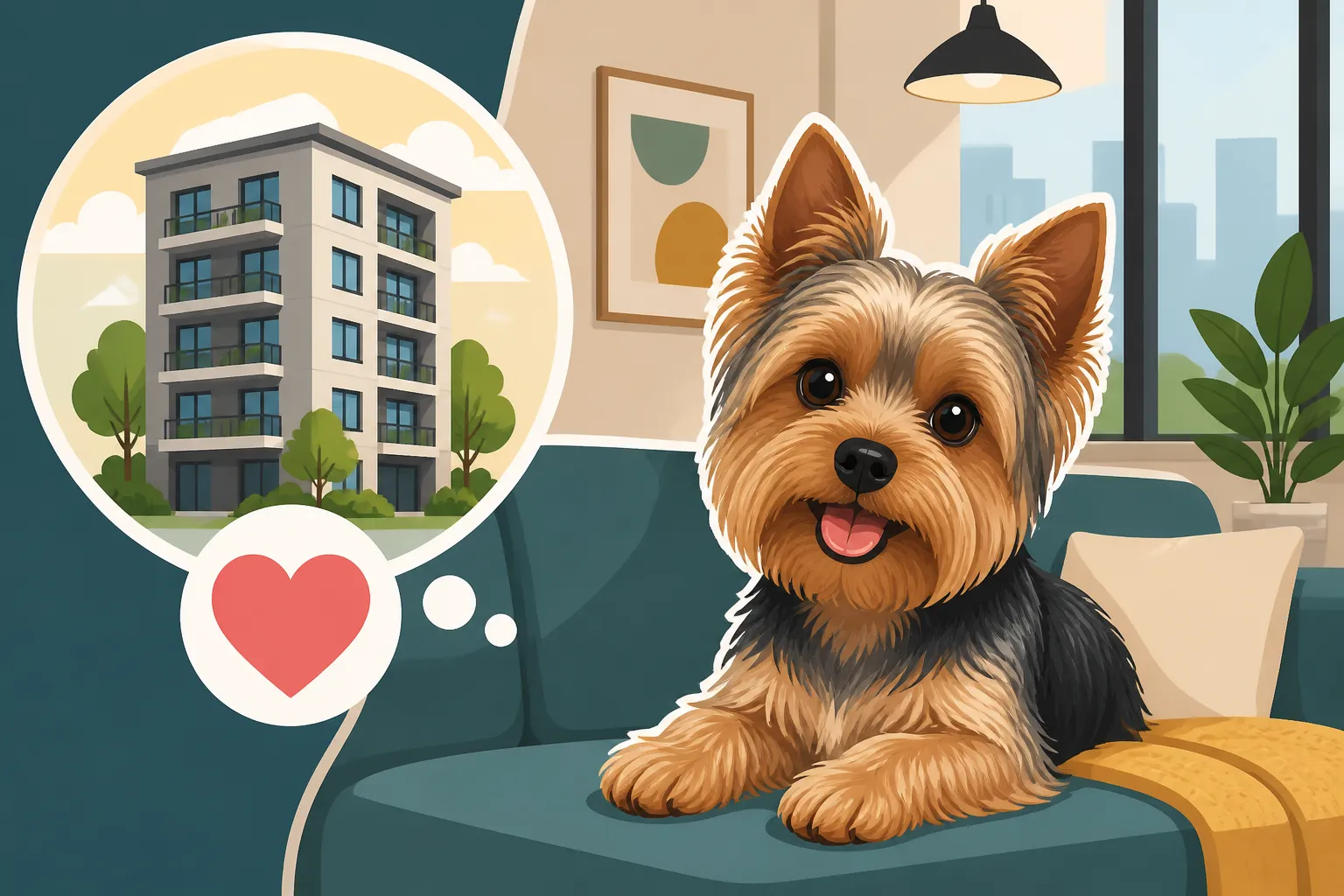
One of the biggest concerns I hear from folks considering a Yorkshire Terrier, especially if they live in a city or a bustling suburban complex, is whether these little dynamos can truly thrive without a sprawling backyard. It’s a completely valid worry! You want to give your furry friend the best life possible, and the idea of a high-energy dog cooped up in an apartment can feel contradictory. But here's the good news: Yorkies, despite their spirited nature, are actually incredibly well-suited for apartment living, provided you understand their unique needs and are prepared to meet them. This guide will walk you through everything you need to know to ensure your Yorkie not only tolerates but absolutely loves their apartment home.
Understanding the Yorkshire Terrier's Apartment Suitability
Let's cut right to the chase: Yorkies are often considered one of the best breeds for apartment dwellers. Their small size is a huge advantage, but it's not the only factor. Their temperament and exercise requirements also play a significant role in making them excellent urban companions.
Size and Exercise Requirements for Apartment Life
When you think about a dog in an apartment, the first thing that often comes to mind is their physical footprint. At a mere 4 to 7 pounds, a Yorkshire Terrier takes up very little space. They don't need a sprawling living room to zoom around in, nor do they require a massive yard to burn off energy. Their small stature means they can comfortably navigate even the coziest studio apartment.
While Yorkies are undeniably energetic, they don't have the endurance of a Border Collie or a Husky. Their exercise needs are moderate and can be easily satisfied through a combination of indoor play and short outdoor excursions. Think about it: a brisk 15-20 minute walk twice a day, coupled with some interactive playtime inside, is often enough to keep a healthy adult Yorkie happy and well-exercised. This makes them perfect for owners who might not have access to a large yard or who prefer shorter, more frequent walks around the neighborhood or local park. They love to explore, but their little legs don't need miles of trails every day.
Yorkie Temperament and Personality in Small Spaces
Yorkies are famous for their "big dog in a small body" personality. They are confident, curious, and often quite fearless, which can be both a blessing and a challenge in an apartment setting. This bold nature means they're not easily intimidated by the sounds and sights of city life; they're more likely to investigate than cower. However, their alertness also means they can be prone to barking at perceived threats, whether it's the mail carrier, a neighbor walking by, or even a leaf blowing past the window. This is where dedicated training and management come in, which we'll delve into shortly.
They are also incredibly loyal and thrive on companionship, often bonding closely with their human family. This strong bond means they genuinely prefer to be where you are, whether that's a penthouse or a studio. They're not dogs that are content to be left alone in a backyard for hours; they want to be part of the action, nestled on the couch, or following you from room to room. This makes them excellent companions for those who spend a lot of time at home or can take their dog with them to pet-friendly places. For more on their delightful quirks, check out our guide on the topic: Yorkshire Terrier Temperament and Personality.
Adaptability and Trainability in an Urban Environment
Yorkshire Terriers are intelligent dogs, and while they can have a stubborn streak (hello, terrier!), they are generally eager to please their favorite humans. This makes them highly trainable, which is a huge asset for apartment living. They can learn to use pee pads or a designated indoor potty area, which is incredibly convenient for those rainy days or when you can't get outside immediately. They can also be effectively crate trained, providing them with a safe, den-like space that is their own, which is especially beneficial in a smaller home.
Their adaptability extends to their routine. While consistency is always key for any dog, Yorkies can adjust to different schedules as long as their core needs for exercise, mental stimulation, and companionship are met. This means if you have a varying work schedule or enjoy weekend adventures, your Yorkie can likely adapt, as long as you maintain a predictable framework around their essential care. The key is setting clear expectations and using positive reinforcement to guide their behavior.
Keys to Successful Apartment Living with a Yorkie
Making apartment life a dream for your Yorkie isn't just about their size; it's about proactively addressing their specific needs within that environment. This means being mindful of their physical and mental stimulation, managing their vocalizations, and establishing solid routines.
Mental and Physical Stimulation in Limited Space
Even though Yorkies don't need extensive outdoor exercise, they absolutely require consistent mental and physical stimulation. Without it, boredom can lead to undesirable behaviors like excessive barking or destructive chewing.
- Indoor Games and Play: Daily indoor play sessions are vital. Think about games like fetch down a hallway, hide-and-seek with toys, or even just chasing a feather wand (yes, they love those!). Interactive toys that dispense treats, available at stores like Chewy, can keep their minds engaged when you're busy. Rotating their toys keeps things fresh and exciting.
- Short, Regular Walks: Aim for at least two short walks per day. These aren't just for potty breaks; they're opportunities for your Yorkie to sniff, explore, and observe the world. The smells and sounds outside your apartment building are incredibly stimulating. A quick trip to a nearby dog-friendly park, even if it's small, can provide a much-needed change of scenery. Our article on Yorkshire Terrier Exercise Needs offers more ideas.
- Training Sessions: Short, daily training sessions are excellent mental workouts. Practicing basic commands like "sit," "stay," and "come," or even teaching new tricks, uses their brains and strengthens your bond. It's amazing how tiring a 10-minute training session can be for a smart little dog!
Managing Barking and Noise Levels
This is perhaps the biggest concern for apartment dwellers with a Yorkie. Their alert nature means they will bark. The goal isn't to eliminate barking entirely (it's how they communicate!), but to manage it so it doesn't become a nuisance for your neighbors or you.
- Identify Triggers: Pay attention to why your Yorkie barks. Is it every time someone walks past the door? The sound of the elevator? The doorbell? Once you know the triggers, you can start to address them.
- Desensitization and Counter-Conditioning: For common triggers like hallway noises, you can try desensitization. Play recordings of typical apartment sounds at a low volume while distracting your Yorkie with treats or a favorite toy. Gradually increase the volume over time. When your Yorkie reacts to a real-life trigger, redirect their attention with a treat or a command, rewarding quiet behavior.
- Training the "Quiet" Command: Teach your Yorkie to bark on command (e.g., "speak!") and then follow it with a "quiet" command, rewarding them when they stop barking. This gives you a tool to manage their vocalizations. You can find more detailed strategies in our guide on How to Stop a Yorkie from Barking.
- Minimize Visual Stimuli: If your Yorkie barks at things outside the window, consider using privacy film on lower panes or drawing curtains during peak activity times. A crate covered with a blanket can also provide a quiet, visually restricted den for rest.
Potty Training Strategies for Apartments
Potty training a Yorkie in an apartment requires consistency and a clear plan, especially since you might not have immediate access to a yard.
- Consistent Schedule: Establish a strict potty schedule and stick to it. Take your Yorkie out first thing in the morning, after meals, after naps, before bed, and regularly throughout the day.
- Designated Potty Spot: Always take them to the same spot outside. The familiar scent will encourage them to go.
- Pee Pads or Indoor Potty: For puppies or for convenience, especially in high-rise buildings, pee pads or an indoor grass patch can be a lifesaver. Place it in an easily accessible, consistent location. Many pet supply stores, including Chewy, offer various options. Transitioning from pads to outdoors can be done gradually as your Yorkie matures. Our Yorkshire Terrier Potty Training Guide dives deep into these methods.
- Reward Successes: Lavishly praise and reward your Yorkie immediately after they potty in the correct spot, whether it's outside or on a pad.
Socialization in an Urban Environment
Just because your Yorkie lives in an apartment doesn't mean they should be isolated. Proper socialization is crucial for a well-adjusted dog, and it's absolutely achievable in an urban setting.
- Puppy Classes: Enroll your Yorkie puppy in socialization classes. These provide controlled environments to meet other dogs and people, learning crucial social cues.
- Dog Parks (with caution): Small dog parks can be great, but always supervise closely. Yorkies can be feisty, and larger dogs, even well-meaning ones, can accidentally injure them. Ensure your Yorkie is confident and comfortable before letting them off-leash in such an environment.
- Planned Playdates: Arrange playdates with trusted friends' dogs who are known to be gentle and well-socialized.
- Exposure to Sounds and Sights: Take your Yorkie on walks in busy areas, exposing them to different people, sounds (traffic, sirens, construction), and objects. Keep these experiences positive with treats and praise. The more positive experiences they have, the less likely they are to be fearful or overly reactive.
Common Apartment Challenges and Solutions for Yorkie Owners
While Yorkies generally do well in apartments, there are specific challenges that come with living in close quarters. Being prepared for these can make all the difference.
Dealing with Small Space Syndrome and Destructive Behaviors
It's not truly a "syndrome," but rather the manifestation of boredom, anxiety, or unmet needs in a confined space. If your Yorkie doesn't get enough mental and physical stimulation, they might resort to behaviors like chewing furniture, incessant barking, or even peeing inside.
- Enrichment is Key: As mentioned, puzzle toys, regular training, and interactive play are your best friends. These keep their minds busy and prevent boredom from setting in. Consider a monthly subscription box from a retailer like Chewy that delivers new toys and treats to keep things exciting.
- Dedicated Space: Even in a small apartment, your Yorkie needs their own dedicated space. This could be a comfortable dog bed in a quiet corner, or their crate (if crate trained). This gives them a safe haven where they can relax undisturbed.
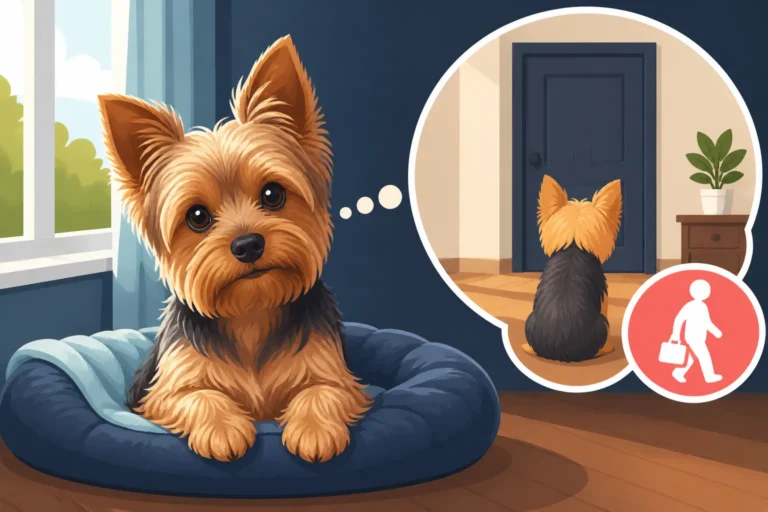
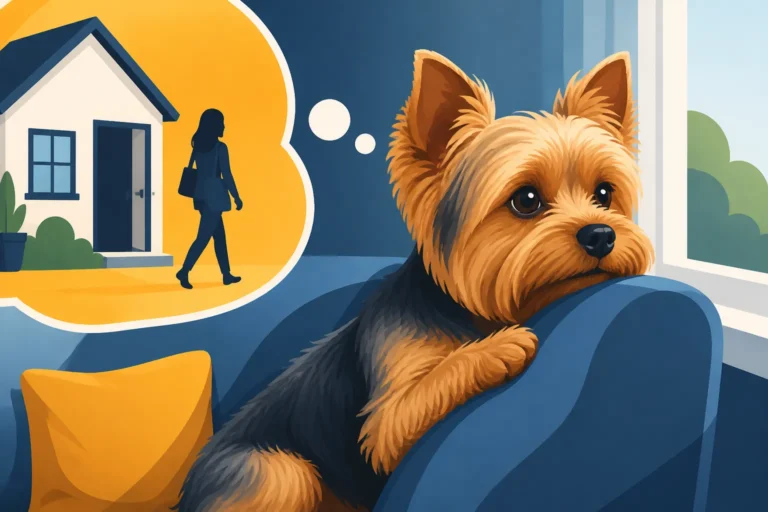
- Combatting Separation Anxiety: Yorkies are prone to separation anxiety because of their strong bond with their owners. This can be exacerbated in an apartment where they might hear more outside noises when you're gone. Practice leaving for short periods, use calming pheromone diffusers, and provide engaging toys before you leave. Our detailed guide on Yorkshire Terrier Separation Anxiety Solutions can offer more tailored advice.
Neighbor Relations and Community Living
Living in an apartment means living in a community, and being a considerate pet owner is paramount.
- Noise Control: This ties back to managing barking. Invest in good quality soundproofing for your door if possible, and work diligently on bark training. If your Yorkie is a persistent barker, a humane bark collar (vibration or citronella, never shock) might be a temporary training aid, but it's essential to address the root cause of the barking.
- Waste Management: Always, always pick up after your Yorkie immediately and dispose of waste properly. Carry extra bags, and don't rely on communal dispensers. This is not just courteous, it's often a building rule and local ordinance.
- Leash Etiquette: Always keep your Yorkie on a leash in common areas like hallways, elevators, and lobbies. This prevents accidental escapes, keeps them safe from other residents or pets, and adheres to most building policies. A good, secure harness is always recommended over a collar for Yorkies, as it protects their delicate tracheas. You can learn more about Why Harnesses Are Better Than Collars for Yorkies.
- Respecting Spaces: Don't let your Yorkie jump on people or sniff their personal belongings without permission. Teach them polite greetings, such as "sit" when someone approaches.
Safety Considerations in Shared Spaces
Apartment complexes often have shared spaces, like laundry rooms, gyms, or even parking garages. These can pose unique safety challenges for a tiny Yorkie.
- Door Dangers: Be incredibly careful when opening your apartment door. A small Yorkie can dart out quickly into a busy hallway. Always have them on a leash or secure them in another room before opening the door.
- Elevator Safety: Always carry your Yorkie in an elevator if possible, especially if other dogs are present. This protects them from being stepped on or from potential conflicts. If you can't carry them, ensure they are on a very short leash right next to you.
- Balcony and Window Safety: If you have a balcony, ensure the railings are secure and that your Yorkie cannot slip through or jump over. For windows, keep them closed or screened securely, especially if your Yorkie is a jumper or climber.
To summarize, apartment living can be incredibly fulfilling for both you and your Yorkshire Terrier. It just requires a bit of foresight, consistent training, and a whole lot of love.
Yorkie Needs vs. Apartment Living Solutions
Here's a quick look at how typical Yorkie needs can be met within an apartment environment:
| Yorkie Need | Apartment Living Challenge | Apartment Solution |
|---|---|---|
| Moderate Exercise | Lack of private yard | Regular short walks, indoor games (fetch, tug), structured play sessions. |
| Mental Stimulation | Risk of boredom, destructive behavior | Puzzle toys, daily training sessions, rotating toys, enrichment activities from Chewy. |
| Companionship | Prone to separation anxiety | Include in daily activities, crate training, short absences practice, calming aids. |
| Potty Access | No immediate outdoor access | Consistent potty schedule, pee pads/indoor grass patch, immediate rewards for success. |
| Socialization | Limited exposure to new things | Puppy classes, supervised dog park visits, controlled playdates, exposure to diverse urban environments. |
| Managing Barking | Potential for noise complaints | Identify triggers, desensitization, "quiet" command training, minimize visual stimuli. |
| Safety | Shared common areas, traffic | Leash use in public, careful door management, carrying in elevators, securing balconies/windows. |
| Grooming | Requires regular care | Establishing a routine for Yorkshire Terrier Grooming Guide, regular brushing, professional grooms. |
Remember, a happy Yorkie isn't about the size of their home, but the size of the love and attention they receive. By putting in the effort, you'll find that your little apartment-dwelling Yorkie will bring immense joy and companionship to your life. And hey, for those occasional bumps in the road, knowing when to contact your vet is critical. Check out When to Take Your Yorkie to the Vet for more emergency preparedness.
Disclaimer
The information provided in this article is for general informational purposes only and is not a substitute for professional veterinary advice. Always consult with a qualified veterinarian for any health concerns or before making any decisions related to your pet's health and well-being.