Golden Yorkshire Terrier: What to Know
It's completely understandable to be fascinated by the idea of a "Golden Yorkshire Terrier." When you see pictures or hear whispers about Yorkies with an unusually soft, buttery, or even reddish-gold coat instead of the classic blue and tan, it sparks a lot of curiosity. Many prospective owners find themselves searching for this unique shade, often feeling a bit confused when official breed standards don't seem to acknowledge it. This guide will clarify what a "Golden Yorkshire Terrier" truly is, delve into the genetics behind these beautiful hues, and provide all the information you need to understand and care for these uniquely colored pups.
What Exactly is a "Golden Yorkshire Terrier?"
When we talk about a "Golden Yorkshire Terrier," it's important to set the record straight right away: there isn't an officially recognized breed standard by organizations like the American Kennel Club (AKC) for a "Golden Yorkie." The traditional Yorkshire Terrier is known for its distinct blue (a dark steel blue, not grayish) and tan (a rich golden tan) coat. However, it's very common to see Yorkies, especially as puppies, or even some adults, sporting shades that appear much more golden, cream, or even a deep reddish-tan. This isn't a separate breed, but rather a variation within the Yorkshire Terrier's genetic makeup.
Dispelling the "Golden Yorkie" Myth
The term "Golden Yorkie" often arises from a combination of natural genetic variation and, sometimes, enthusiastic but perhaps misinformed marketing by less reputable breeders. Some breeders might use terms like "Golden Yorkie" or "Platinum Yorkie" to describe dogs with lighter tan markings, hoping to make them sound more exclusive or desirable. However, these are not official designations. The Yorkshire Terrier breed standard is quite clear on coat color: blue and tan, with the blue extending from the back of the neck to the tail, and tan on the head, chest, and legs.
It's crucial for anyone looking for a Yorkie to understand that while these golden hues are beautiful, they don't signify a different breed or a superior bloodline. An ethical breeder will always focus on health, temperament, and adherence to the breed standard, and will explain any color variations transparently. If you encounter a breeder heavily marketing a "Golden Yorkie" as a rare or special variant, it's a good idea to proceed with caution and ask for clarification on their breeding practices and the dog's lineage.
The True Nature of Their Coat Color
So, if "Golden Yorkies" aren't a separate breed, what causes their distinctive coloring? It primarily comes down to the expression of the tan points, which in some Yorkies can be much lighter or more extensive than the traditional rich tan. Puppies, in particular, are almost always born black and tan. Their "blue" coat only begins to develop and "break" into the adult blue and tan coloring around 9 months to a year old, sometimes even later. During this transition, their tan areas can appear very bright, almost golden.
Additionally, some Yorkies carry recessive genes that influence color dilution or intensity. This can result in lighter tan points, giving them that beautiful golden or cream appearance. It's a natural genetic variation, not a flaw, and certainly not a sign of a mixed breed if the dog is indeed a purebred Yorkshire Terrier. These delightful golden shades are simply a testament to the beautiful genetic diversity within the breed, making each dog truly unique.
Understanding the Genetics Behind the Golden Hue
The captivating golden shades seen in some Yorkshire Terriers are a direct result of their genetic blueprint, specifically how certain genes interact to produce coat color. While the standard color is blue and tan, the "tan" itself has a spectrum of possibilities, influenced by various genetic factors. It's less about a single "golden gene" and more about the interplay of different color modifiers.
The Role of Recessive Genes
At the heart of any unique coat color in dogs are their genes. For Yorkshire Terriers, the base colors are determined by genes that dictate black/blue and tan markings. The classic rich tan is the dominant expression. However, recessive genes can lead to variations. When a Yorkie inherits two copies of a recessive gene for color dilution or intensity, it can lighten the tan points significantly, giving them that stunning golden, cream, or even a deeper, more reddish-gold appearance.
Think of it like eye color in humans – you might have a dominant brown eye gene, but if you inherit recessive genes for blue eyes from both parents, you'll have blue eyes. Similarly, if a Yorkie inherits the right combination of recessive genes from both parents that influence the intensity or shade of their tan markings, you'll see a lighter, more golden hue. This doesn't make them any less of a purebred Yorkshire Terrier; it just means they're expressing a less common, but perfectly natural, genetic variation. These genetic quirks are what make dog breeding such a fascinating, albeit complex, field.
How Color Changes Over Time
One of the most common reasons people perceive a "Golden Yorkshire Terrier" is due to the natural color changes that occur as a Yorkie matures. Yorkshire Terrier puppies are famously born black and tan. Their signature "blue" saddle and face color doesn't just magically appear overnight. This transformation, often called "clearing" or "breaking," can be a gradual process that begins around 9 months of age and can continue until the dog is two or even three years old.
During this period, the black puppy coat on their body will slowly start to lighten, taking on the dark steel blue shade. Simultaneously, their tan markings, which might have been a rich, dark tan as a puppy, can also lighten or brighten, often appearing quite golden, creamy, or even silver-tinged. This is especially noticeable on their head and legs. So, a young Yorkie that appears very golden might eventually develop the classic deep tan as they fully mature. It's a beautiful process to observe, and understanding this natural progression helps temper expectations about a puppy's final adult coloring. For a deeper dive into their development, you might be interested in our guide on Yorkshire Terrier Puppy Health Guide.
Physical Characteristics Beyond the Gold
While the "golden" aspect is what initially captures attention, it's important to remember that these dogs are, at their core, Yorkshire Terriers. This means they share all the charming physical traits and characteristics that make the breed so beloved, regardless of the precise shade of their tan markings.
Size, Build, and Traditional Yorkie Traits
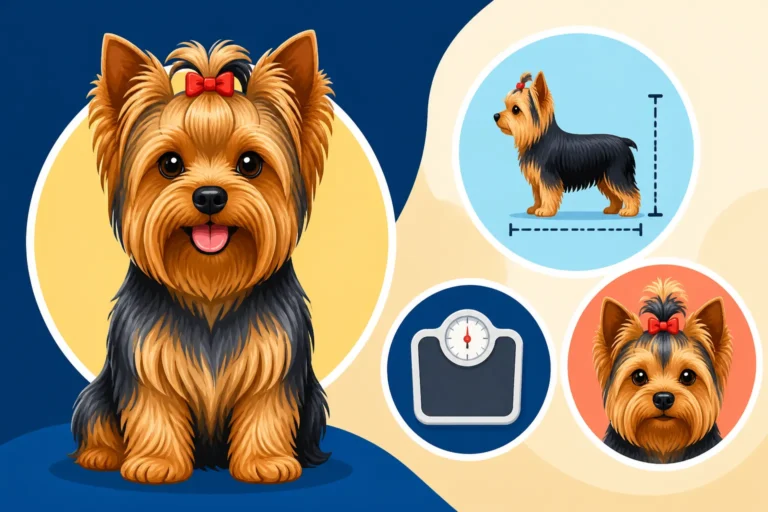
Golden-hued Yorkies conform to the same physical standards as their traditionally colored counterparts. They are a toy breed, known for their compact and well-proportioned bodies. Adult Yorkshire Terriers typically weigh between 4 to 7 pounds (1.8 to 3.2 kg) and stand around 7 to 8 inches (18 to 20 cm) tall at the shoulder. They have a proud, confident carriage, often described as "big dog in a small body." Their overall build is sturdy yet elegant, reflecting their terrier heritage.
Their heads are relatively small and flat on top, with a moderate stop. The muzzle is not too long, and their teeth should meet in a scissor bite. Their ears are small, V-shaped, and carried erect, though sometimes they might be cropped for show, a practice less common and often discouraged today for pet owners. The tail is usually docked to a medium length, carried slightly higher than the level of the back, though this practice is also becoming less common in many places. If you want to know more about what to expect, check out our article on Yorkshire Terrier Size, Weight, and Appearance.
Unique Facial Features and Eye Color
Beyond the coat, a Golden Yorkshire Terrier will still possess those endearing facial features that are characteristic of the breed. Their eyes are medium in size, dark, sparkling with intelligence, and set to look straight ahead. The eye rims are typically dark, adding to their expressive gaze. These dark eyes contrast beautifully with any shade of tan or gold on their face, giving them that alert, inquisitive look.
Their nose is always black, regardless of the tan shade. The most striking aspect of their "golden" presentation often lies in how the lighter tan or cream highlights around their face, muzzle, and ears make their dark eyes and nose truly pop. This creates a soft, almost angelic expression that many find utterly irresistible. It's a subtle difference from the standard deep tan, but it contributes significantly to their unique appeal. For any concerns about their eyes, our guide on Yorkie Eye Problems Explained can offer further insight.
Temperament and Personality of Golden Yorkies
When considering a "Golden Yorkshire Terrier," it's crucial to understand that their personality and temperament are entirely consistent with the Yorkshire Terrier breed as a whole. The color of their coat does not impact their behavioral traits. These dogs, regardless of their specific shade of tan, are known for their spirited, intelligent, and fiercely loyal nature.
Are They Different from Standard Yorkies?
Absolutely not! A Yorkie with a golden hue is still 100% a Yorkshire Terrier in terms of personality. They possess the same vivacious, bold, and sometimes bossy characteristics that make the breed so captivating. Don't let the softer, gentler appearance of a lighter coat fool you; beneath that beautiful golden exterior is the heart of a true terrier. They are often described as having a "big dog" personality in a small package, full of courage and spunk.
This means they'll bring all the typical Yorkie antics into your home: they're alert and can be quite vocal, making excellent little watchdogs. They're incredibly affectionate with their families, often forming strong bonds with one or two primary caregivers, loving nothing more than to be by your side or curled up on your lap. They also have a mischievous streak and love to play, making them wonderfully entertaining companions. Their intelligence means they can be a joy to train, though their independent terrier nature can sometimes lead to a stubborn streak. If you're looking for an in-depth look at what makes them tick, our article on Yorkshire Terrier Temperament and Personality is a great resource.
Common Behavioral Traits
Golden Yorkies, like all Yorkies, are bundles of energy and personality. Here are some common behavioral traits you can expect:
- Courageous and Bold: They often seem unaware of their small size and will confidently approach larger dogs or new situations. This bravery can be charming but also means they need careful supervision to protect them from potential dangers.
- Loyal and Affectionate: They thrive on human companionship and are incredibly devoted to their families. They love to be involved in family activities and will often follow you from room to room.
- Intelligent and Eager to Please (Sometimes!): Yorkies are smart, making them capable of learning many commands and tricks. However, their terrier independence means they can be stubborn. Consistent, positive reinforcement training works best.
- Vocal: They can be prone to barking, especially at new sights, sounds, or visitors. This is part of their watchdog nature, but it's something that can be managed with proper training and socialization.
- High Energy: Despite their size, Yorkies have a surprising amount of energy. They enjoy daily walks and playtime. Mental stimulation is just as important to keep their intelligent minds engaged. You can find more tips on how to keep your pup engaged in our How to Socialize a Yorkshire Terrier guide.
Understanding these traits is key to providing a happy home for any Yorkie, regardless of their specific shade of tan. They need clear boundaries, consistent training, and plenty of love and attention to flourish.
Care and Grooming for a Golden Yorkshire Terrier
Caring for a Golden Yorkshire Terrier involves the same considerations as caring for any other Yorkshire Terrier. Their beautiful coat, lively temperament, and small size dictate specific needs when it comes to grooming, nutrition, and overall health.
Maintaining That Silky Coat
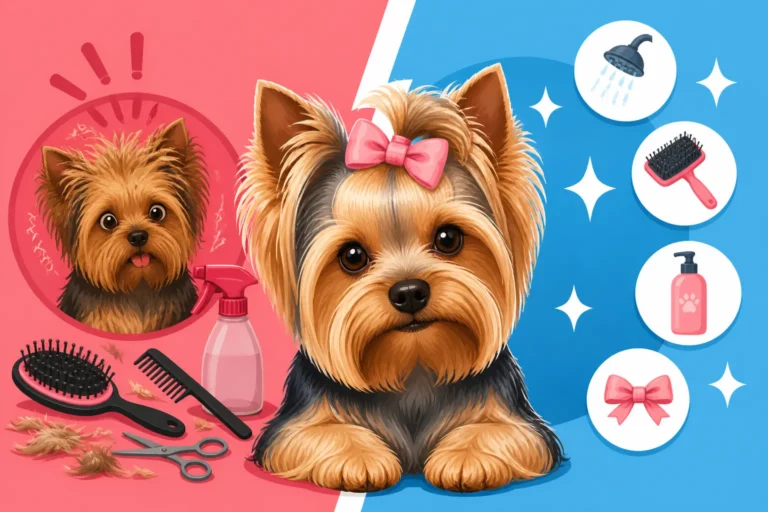
The Yorkshire Terrier's coat is often described as hair rather than fur, similar to human hair, and this holds true for those with golden hues. It's fine, silky, and grows continuously, requiring dedicated grooming to prevent matting and keep it healthy. Whether your Yorkie's tan is rich or a soft gold, the texture and care requirements remain the same.
- Daily Brushing: To prevent tangles and mats, especially if you keep their coat long, daily brushing is non-negotiable. Using a high-quality pin brush or a metal comb is essential. Brands like Chris Christensen offer excellent grooming tools that can make this process easier. You can often find a great selection of these on Chewy. Regular brushing also distributes natural oils, keeping the coat shiny and healthy.
- Bathing: Yorkies generally need bathing every 1 to 2 weeks, or more frequently if they get dirty. Use a gentle, conditioning dog shampoo and conditioner to maintain the softness and prevent dryness. Be sure to rinse thoroughly to avoid skin irritation.
- Professional Grooming or Trims: Even if you prefer a longer coat, regular trims are necessary around the eyes, paws, and sanitary areas. Many owners opt for a "puppy cut" or "teddy bear cut" for easier maintenance, which involves keeping the coat shorter all over. For a comprehensive look at maintaining their beautiful locks, our Yorkshire Terrier Grooming Guide provides all the details you'll need.
- Top Knot Care: If your Yorkie has longer hair on their head, gathering it into a top knot or using a small clip or bow is important to keep hair out of their eyes, preventing irritation and potential eye problems.
Special Considerations for Their Health
Just like any Yorkshire Terrier, those with a golden shade are prone to certain health concerns that owners should be aware of. Their small size makes them delicate, and preventive care is paramount.
- Dental Health: Yorkies are notoriously prone to dental disease. Small mouths mean crowded teeth, making them a breeding ground for plaque and tartar. Daily tooth brushing with dog-specific toothpaste is highly recommended. Regular dental check-ups and professional cleanings are often necessary. You can find excellent dental care products, from toothbrushes to dental chews, on Chewy.
- Patellar Luxation: This is a common orthopedic issue in small breeds where the kneecap slips out of place. It can range from mild to severe, sometimes requiring surgery. Keeping your Yorkie at a healthy weight and avoiding excessive jumping can help. Read more about Yorkshire Terrier Patellar Luxation: Signs and Care for preventive measures.
- Tracheal Collapse: Due to their delicate tracheas, Yorkies are susceptible to this condition, which causes a chronic cough. Using a harness instead of a collar for walks can significantly reduce pressure on the trachea and prevent flare-ups.
- Hypoglycemia: Especially in puppies, low blood sugar (hypoglycemia) can be a serious issue. Ensuring regular, small meals and having a glucose supplement on hand is important. This is a crucial aspect of How to Keep a Yorkshire Terrier Healthy.
- Portosystemic Shunt (Liver Shunt): A congenital condition where blood bypasses the liver, leading to a buildup of toxins. Symptoms can include stunted growth, neurological issues, and digestive problems.
Early detection and regular veterinary care are essential for managing these conditions. Being aware of the Yorkshire Terrier Health Problems to Know allows you to be proactive in your Yorkie's well-being. A balanced diet, appropriate exercise, and a loving environment contribute significantly to their overall health and longevity. When selecting dog food, look for high-quality options tailored for small breeds, and remember that Chewy offers a wide range of premium foods that could be perfect for your Yorkie's specific needs.
Golden vs. Standard Yorkie Appearance Traits
To help clarify the differences and similarities, let's look at a comparison table focusing on appearance traits that often lead to the "Golden Yorkie" distinction versus the breed standard.
| Feature | Standard Yorkshire Terrier | "Golden" Yorkshire Terrier (Genetic Variation) |
|---|---|---|
| Body Color (Adult) | Dark steel blue (not silvery-blue or black) | Dark steel blue (same as standard) |
| Head/Chest/Leg Tan | Rich, deep golden tan, not reddish-brown or silver-gray | Lighter, softer golden, creamy, or even reddish-gold tan |
| Puppy Color | Born black and tan | Born black and tan |
| Color Development | "Blue" develops gradually from 9 months to 2-3 years; tan darkens | "Blue" develops similarly; tan may lighten to a golden hue |
| Eye Rims/Nose | Always dark (black) | Always dark (black) |
| Coat Texture | Fine, silky, glossy, grows long | Fine, silky, glossy, grows long (same texture) |
| Official Recognition | Recognized breed standard by AKC and others | Not a recognized separate breed or color variant |
As you can see, the primary difference lies in the shade and intensity of the tan markings. This variation is simply a beautiful expression of the breed's genetics, not a deviation in breed type.
Disclaimer
The information provided in this article is for general informational purposes only and is not a substitute for professional veterinary advice. Always consult with a qualified veterinarian regarding any health concerns or before making any decisions about your pet's care.