Yorkshire Terrier Temperament
If you've ever spent time around a Yorkshire Terrier, you've probably noticed they're not your average lap dog. Despite their tiny stature, these little bundles of joy come packed with a personality that's often described as spirited, tenacious, and downright feisty. It can be a delightful surprise for new owners, but also a source of frustration if you're expecting a perpetually docile companion. This guide will help you unpack the unique and wonderful temperament of the Yorkshire Terrier, preparing you for the charming complexities of life with one of these tiny titans.
Understanding the Yorkie's Feisty Spirit
Yorkshire Terriers are a breed that truly embodies the phrase "big dog in a small body." Their spirited nature isn't just a quirk; it's deeply ingrained in their history and genetics. These aren't just fluffy accessories; they're working dogs, through and through, even if their current job mostly involves looking adorable on your couch.
The Terrier Instinct
To truly understand a Yorkie's temperament, you have to look back at their roots. Yorkshire Terriers originated in the mid-19th century in Yorkshire, England, where they were bred to catch rats and other vermin in textile mills and mines. This wasn't a job for the faint of heart! These dogs needed to be brave, intelligent, and persistent, often venturing into dark, tight spaces to tackle pests much larger than themselves. That tenacious, determined spirit is still very much alive in today's Yorkies.
Imagine a tiny dog fearlessly chasing a rat in a noisy, industrial setting. That takes immense courage and a strong prey drive. When your Yorkie barks at a squirrel in the yard with intense focus, or proudly "kills" a squeaky toy, you're witnessing that ancestral instinct in action. They're wired to be alert, to protect their territory (which often means your home and your lap), and to stand their ground. This also contributes to why they can be prone to certain Yorkshire Terrier Behavior Problems and Solutions if not properly channeled.
Big Dog in a Small Body Syndrome
This is perhaps the most famous aspect of the Yorkie personality. They genuinely don't seem to realize they're small. A Yorkie will often approach a much larger dog at the park with the same confidence (or even more!) than a Great Dane might. This fearlessness can be endearing, but it also means owners need to be extra vigilant about their safety. Their bravado can sometimes lead them into situations where they could get hurt by a larger, less tolerant dog.
This "big dog" mentality also translates to their interactions with humans and their perceived role in the household. Many Yorkies believe they are the true rulers of the roost. They can be incredibly confident, assertive, and sometimes even a little bit bossy. This isn't aggression; it's often a manifestation of their strong will and self-assured nature. They expect to be heard, seen, and considered important, and they'll let you know if they feel otherwise. This is why consistent training from a young age is so vital to ensure a well-adjusted companion.
Common Temperament Traits and Behaviors
While every Yorkie is an individual, there are several common traits that most owners will recognize. These characteristics, both charming and challenging, define what it’s like to live with these delightful little dogs.
Affectionate and Loyal Companions
Despite their feisty exterior, Yorkies are profoundly affectionate and deeply loyal to their families. They form incredibly strong bonds with their human companions, often choosing one person as their absolute favorite, though they’ll spread love around to others too. This isn't a dog that's content to be an outdoor pet; they thrive on human interaction and being an integral part of daily life.
They are notorious for being "velcro dogs," often following you from room to room, just wanting to be near you. They love to cuddle up on the couch, sleep in your bed (if you let them!), and be carried in your arms. This desire for closeness makes them wonderful companions for those who want an attentive, loving pet. However, this deep attachment also means they can be prone to Yorkshire Terrier Separation Anxiety Solutions if they're not gradually accustomed to being alone. A snuggle with your Yorkie after a long day can truly melt away stress, and their unwavering devotion is one of the most rewarding aspects of owning the breed.
Bold and Bossy Nature
Let's be honest: Yorkies can be little divas. Their boldness isn't just about facing down bigger dogs; it extends to their everyday interactions within the home. They often have strong opinions about everything, from where they want to sleep to when they want their dinner. If you let them, they will run the household with an iron paw! This bossy trait can manifest as demanding attention, barking to get what they want, or even trying to herd family members.
This isn't necessarily a bad thing, but it does require owners to establish clear boundaries and consistent expectations. Without proper guidance, a Yorkie's natural assertiveness can develop into "small dog syndrome," where they believe they can get away with anything because they're cute and tiny. This can lead to undesirable behaviors like nipping, guarding resources, or excessive barking. The key is to remember that while they are small, they are still dogs who benefit from structure and knowing their place in the pack. Using positive reinforcement and setting limits on behavior, such as not letting them jump on guests, is crucial.
Alertness and Barking Tendencies
Yorkies are excellent watchdogs, almost to a fault. Their keen senses and inherent terrier vigilance mean they are quick to notice anything out of the ordinary, whether it's a leaf blowing past the window, a distant siren, or a stranger walking by. And when they notice something, they're not shy about letting you know with a flurry of barks. This can be a huge benefit for security, as no intruder will approach unnoticed, but it can also become a nuisance if not managed.
The barking isn't usually aggressive; it's more of an alert system. They are simply doing what their ancestors did: warning the "pack" of potential threats. However, excessive barking can strain neighborly relations or become incredibly annoying within your own home. It’s important to understand the triggers for your Yorkie's barking and address them through training. Techniques such as teaching a "quiet" command, desensitizing them to common triggers, and ensuring they get enough mental and physical stimulation can make a huge difference. You can learn more about managing this in our guide on How to Stop a Yorkie from Barking.
Socialization and Training Impact on Temperament
A Yorkie's innate temperament is one thing, but how that temperament develops and expresses itself is heavily influenced by their environment, particularly through early socialization and consistent training. You can shape a Yorkie's personality significantly, molding their spirited nature into a well-behaved, confident, and happy companion.
Early Socialization is Key
This cannot be stressed enough for a Yorkie, especially given their bold and sometimes wary nature. From the moment you bring a Yorkshire Terrier puppy home, exposure to a wide variety of positive experiences is crucial. This means introducing them safely and gently to different people, other friendly dogs of various sizes (under close supervision, of course!), different sounds, sights, and environments. Take them for short, positive car rides, let them hear the vacuum cleaner, and meet friends and family members.
Without adequate socialization, a Yorkie can become overly shy, fearful, or even reactive, displaying fear-based aggression or excessive barking towards anything unfamiliar. A well-socialized Yorkie is typically more confident, adaptable, and less prone to anxiety or fear-based behaviors. Think of it like building their confidence portfolio: every positive new experience adds to their sense of security in the world. Enrolling your puppy in a local puppy class is an excellent way to provide structured socialization and begin foundational training. Chewy offers a fantastic selection of positive reinforcement training treats that can make these early experiences even more rewarding for your little one.
Consistent Training and Boundaries
Yorkies are intelligent and eager to please (when it suits them!), which makes them quite trainable, but their stubborn streak can make them challenging if you're not consistent. They respond best to positive reinforcement methods – treats, praise, and play. Harsh corrections or punishment can make them fearful or resentful, potentially exacerbating undesirable behaviors. Starting early with basic obedience commands like "sit," "stay," and "come" is essential. Our comprehensive How to Train a Yorkshire Terrier guide covers all the essentials.
Setting clear boundaries is perhaps even more critical for a Yorkie than for many other breeds. Because they are so small and cute, it's easy to let them get away with things. But remember, a spoiled Yorkie can quickly become a difficult Yorkie. This means no jumping on guests, no excessive demand barking, and consistent rules about where they are allowed to go and what they are allowed to do. For instance, if you don't want them sleeping in your bed as an adult, don't let them do it as a puppy. This also applies to Yorkshire Terrier Potty Training Guide, which can be notoriously challenging without unwavering consistency.
Managing Separation Anxiety
Due to their intense loyalty and desire for companionship, Yorkies can be particularly susceptible to separation anxiety. This isn't just "missing you"; it's a genuine panic response when left alone, which can manifest as destructive chewing, incessant barking, house-soiling, or even self-harm. Recognizing the signs early and implementing strategies to prevent or manage it is key for both your sanity and your Yorkie's well-being.
Gradually accustoming your Yorkie to alone time is crucial, even when they are puppies. Start with short periods, providing engaging toys or long-lasting chews. A comfortable crate, perhaps lined with a blanket that smells like you, can become a safe den for them. Exercise before you leave and quiet time when you return can also help. For more in-depth solutions, check out our guide on How to Leave a Yorkie Home Alone. Sometimes, a Thundershirt or calming supplements available from places like Chewy can also provide some comfort to anxious pups.
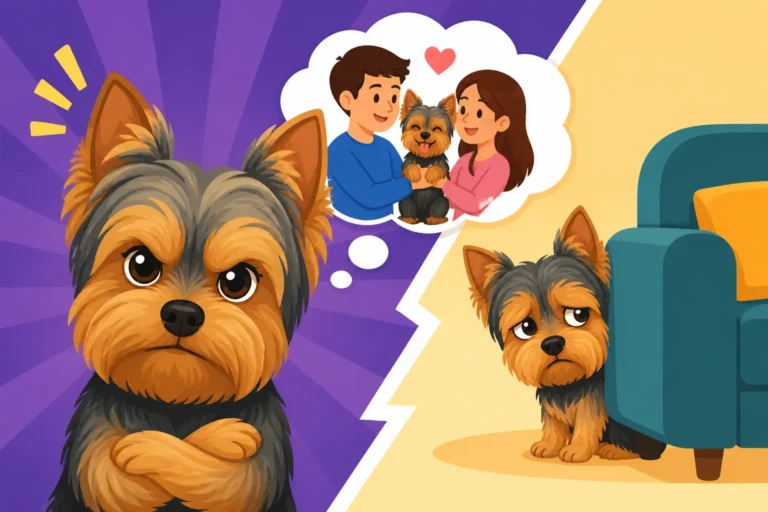
Living with a Yorkie: Expectations vs. Reality
Bringing a Yorkshire Terrier into your life is a joyful experience, but it also comes with a unique set of considerations regarding their temperament and how it integrates into your daily life. Understanding these realities will help you build a harmonious relationship with your tiny companion.
Are Yorkies Good with Kids and Other Pets?
This is a common question, and the answer, like with many breeds, is "it depends." Yorkies can absolutely be Are Yorkshire Terriers Good Family Dogs, especially with older, respectful children who understand how to interact gently with a small dog. However, their small size makes them vulnerable to accidental injury from toddlers or very young children who may not understand boundaries. A Yorkie's feisty nature also means they might not tolerate rough handling and could snap if they feel threatened or hurt. Supervision is always essential.
When it comes to other pets, early and positive introductions are crucial. Many Yorkies can coexist happily with other dogs, even larger ones, as long as the other dog is gentle and the Yorkie doesn't try to push its luck too much. They can also get along with cats, particularly if they are raised together. However, remember that strong prey drive stemming from their roots as ratters. Small pocket pets like hamsters or gerbils might trigger their instinct, so caution is advised. A well-socialized Yorkie is more likely to adapt to a multi-pet household, but their bossy streak means they might try to be the alpha, regardless of size!
Energy Levels and Exercise Needs
Don't let their size fool you; Yorkies are not couch potatoes. While they love a good snuggle, they also possess a surprising amount of energy and need regular exercise to stay happy and well-adjusted. A bored Yorkie is often a destructive or overly vocal Yorkie. They thrive on daily walks, playtime in a secure yard, and engaging indoor activities.
A couple of short walks a day (15-20 minutes each) are usually sufficient for their physical needs, but mental stimulation is just as important. Puzzle toys, training sessions, and interactive games can help satisfy their intelligent minds and prevent boredom. Exploring new smells on a walk, even a short one, can be incredibly enriching for them. If you’re wondering how much activity your particular pup needs, our guide on Yorkshire Terrier Exercise Needs can provide more detailed insights. Remember, adequate exercise helps burn off excess energy that might otherwise contribute to unwanted behaviors like excessive barking or restlessness.
Grooming and Maintenance for a Happy Yorkie
While not strictly a temperament trait, a Yorkie's physical comfort significantly influences their mood and behavior. Their beautiful, silky coat, which is more like human hair, requires regular grooming to prevent matting and skin issues. A matted coat can be painful and lead to irritability or avoidance of touch. Regular brushing, baths, and professional grooming appointments are essential.
Beyond coat care, dental hygiene is paramount. Yorkies are notoriously prone to dental disease due to their small mouths. Painful teeth can make them less inclined to eat, irritable when touched near the face, or generally withdrawn. Establishing a routine of teeth brushing early on is vital, alongside regular vet check-ups. Our Yorkshire Terrier Dental Care Guide offers practical tips to keep those pearly whites healthy. A Yorkie that feels good, physically, is much more likely to exhibit their charming, affectionate side.
Key Yorkie Temperament Traits: A Snapshot
To give you a quick overview of what to expect, here's a table summarizing some of the most prominent Yorkshire Terrier temperament traits:
Trait Description Pros Cons 1. Yorkie, also known as the "Yorkie," is a small dog with a big personality. This breed is known for its energetic and confident character, often acting like a larger dog. But it's important to remember that they are still small and can be fragile.
-
One of the most common questions people ask about Yorkies is whether they are good with children. With proper socialization and training, they can be great family pets. But it's crucial to teach children how to interact with them gently and respectfully. Because of their small size, they can be easily injured if played with too roughly.
-
Yorkies are also known for their loyalty and affection towards their owners. They love to be close to their human companions and often follow them from room to room. They thrive on attention and can become anxious if left alone for long periods. This is a common trait among many toy breeds and something to consider if you work long hours or travel frequently.
-
Their spirited nature often comes with a tendency to bark. Yorkies are excellent watchdogs and will alert you to any perceived threats or visitors. While this can be a good thing for security, excessive barking can become a nuisance. Luckily, with consistent training and redirection, this behavior can be managed.
-
Training a Yorkie requires patience and consistency. They are intelligent dogs, but their independent streak can make them stubborn. Positive reinforcement methods work best, rewarding them for good behavior with treats and praise. Early socialization and obedience classes are highly recommended to ensure a well-rounded and well-behaved adult dog.
-
Overall, the Yorkshire Terrier temperament is a charming blend of sass, sweetness, and confidence. They are energetic, affectionate, and intelligent companions who will bring a lot of joy and personality into your home. Just remember to provide them with plenty of love, attention, and consistent training, and you'll have a loyal friend for life.
Disclaimer
This article is for general informational purposes only and does not constitute professional advice. Laws, prices and regulations vary by location and change over time. Consult a qualified professional for guidance on your specific situation.