Yorkshire Terrier Energy Level
One of the biggest misconceptions about Yorkshire Terriers is that because they’re small, they must be little couch potatoes. Oh, how far from the truth that can be! Many Yorkie parents find themselves utterly perplexed by their tiny companion's boundless energy, wondering if their pint-sized pup is truly normal or if they've accidentally adopted a miniature hurricane. This guide is here to shed light on the typical Yorkshire Terrier energy level, helping you understand, manage, and celebrate your spirited little friend.
Understanding the Yorkshire Terrier's Core Energy
Yorkshire Terriers might fit snugly into a purse, but don't let their dainty appearance fool you. They are terriers through and through, originally bred to hunt rats in textile mills. This working-dog heritage has imbued them with a surprisingly robust and energetic disposition that often catches new owners off guard. It's not uncommon for a Yorkie to have spurts of intense activity, followed by periods of cuddly calm, creating a unique ebb and flow to their daily energy.
The "Big Dog" in a Small Body Myth
It’s true that many small breeds are often underestimated, but with a Yorkshire Terrier, this underestimation can lead to significant behavioral challenges. People often assume that a dog weighing less than seven pounds can't possibly require much exercise or mental stimulation. This couldn't be further from the truth. Their terrier instincts mean they possess a keen intelligence, a strong prey drive, and an assertive personality packed into that tiny frame. They're not just decorative lap dogs; they're spirited companions ready for adventure.
Ignoring their innate energy and drive can result in a frustrated, bored, and potentially destructive Yorkie. You might find them barking excessively, chewing on things they shouldn’t, or even becoming anxious. It's essential to recognize that your Yorkie sees themselves as a formidable companion, capable of keeping up with much larger dogs, and they need activities that respect and engage that "big dog" spirit.
Activity Level Overview
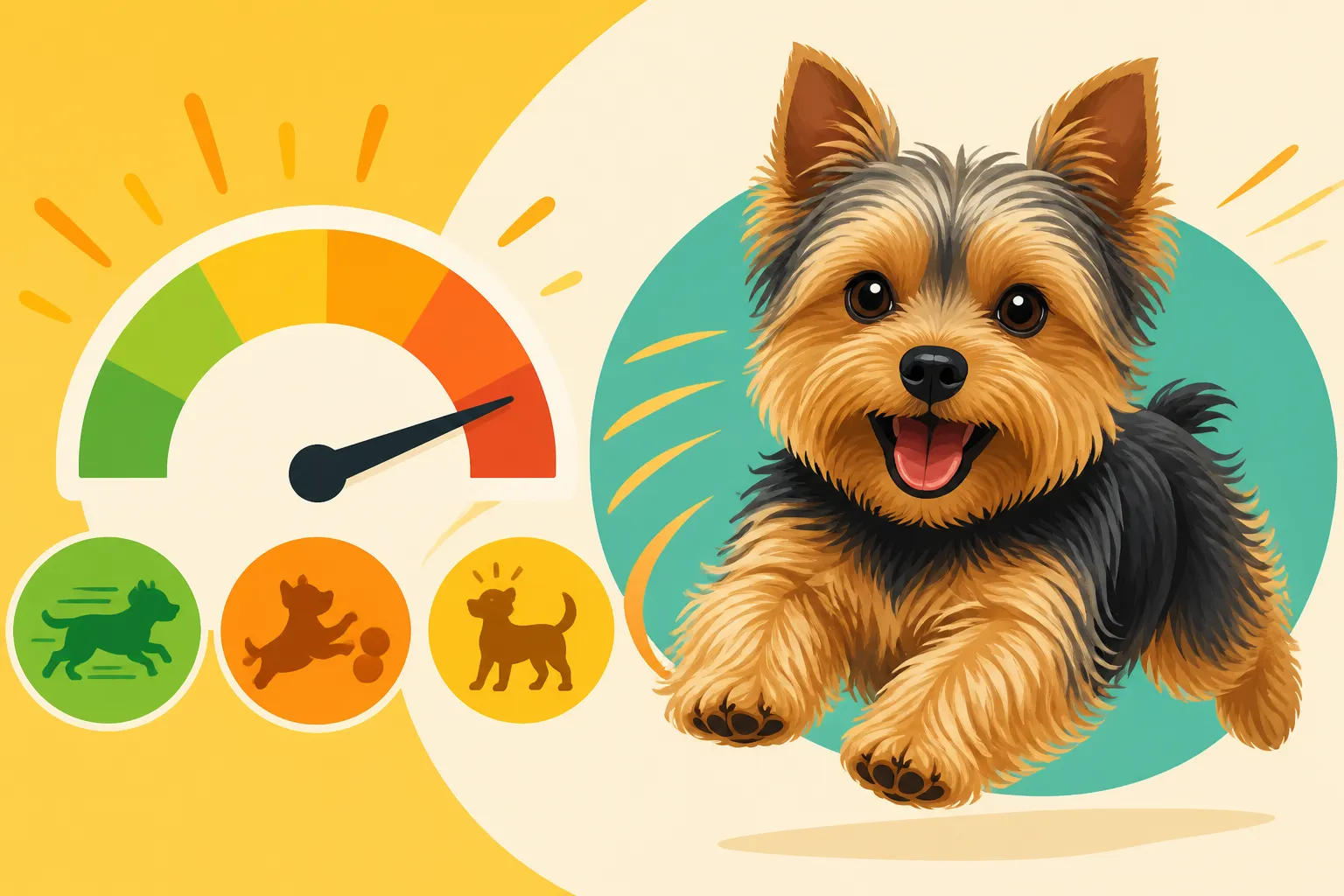
Generally speaking, Yorkshire Terriers have a moderate to high energy level. They're not constantly bouncing off the walls, but they do require regular, structured activity to stay happy and healthy. Think of it as bursts of intense play and exploration interspersed with plenty of naps and cuddle sessions. A typical day for a Yorkie might involve a brisk walk, a rigorous play session with toys, some mental puzzle games, and then a long snooze on your lap.
Their activity level can also be highly responsive to their environment and the energy of their human companions. If you're an active person who loves going for walks or playing fetch, your Yorkie will likely rise to the occasion, eager to participate. Conversely, if your lifestyle is more sedentary, your Yorkie might adapt to a lower activity level, but this often comes at the cost of their overall well-being and can lead to weight gain or behavioral issues. The key is balance and consistency in their daily routine.
Factors Influencing a Yorkie's Energy
Just like people, a Yorkie's energy isn't a static thing. It shifts and changes based on several key factors. Understanding these can help you better gauge what’s normal for your individual dog and when something might be amiss. It’s all part of becoming a truly observant and responsive Yorkie parent.
Age and Life Stage
A Yorkie puppy is a whirlwind of endless energy. From eight weeks to about a year old, they are in a critical developmental stage where play is their primary way of learning about the world, developing muscles, and burning off seemingly inexhaustible enthusiasm. Puppyhood is when you'll see the most frantic zoomies, intense wrestling with toys, and short bursts of absolute chaos. It’s vital to provide appropriate outlets for this energy to help them grow into well-adjusted adults. You can learn more about managing their early years in our Yorkshire Terrier Puppy Health Guide.
As they transition into adulthood, typically around one year of age, their energy levels will begin to stabilize. They'll still be playful and active, but the sheer, unadulterated puppy exuberance will mellow out. An adult Yorkie will enjoy daily walks, games of fetch, and exploring new environments. Finally, as they enter their senior years, usually around 8-10 years old, you’ll notice a more significant decline in their energy. They’ll prefer shorter walks, more naps, and less intense play. This doesn't mean they stop needing exercise entirely, but the type and duration will change dramatically. Our article on Yorkshire Terrier Senior Care Guide offers more insights into caring for aging Yorkies.
Health and Wellness Considerations
A Yorkie's physical health plays a massive role in their energy levels. Any underlying health issue, even a minor one, can cause a noticeable change. Conditions like Yorkshire Terrier Patellar Luxation: Signs and Care, Yorkshire Terrier Collapsing Trachea: Signs and Care, or Yorkshire Terrier Hypoglycemia: Signs and Care can significantly impact their ability or willingness to be active. A dog experiencing pain or discomfort won't have the energy for play, no matter how much they might want to. If you notice a sudden drop in energy that isn't attributable to age, it's always wise to consult your veterinarian.
Beyond acute illnesses, chronic conditions or even dental pain can sap their vitality. A Yorkie struggling with Yorkshire Terrier Dental Disease: Signs and Care might be reluctant to chew on toys or eat properly, which can affect their overall energy. Regular vet check-ups are crucial for catching these issues early. Don't just dismiss a sudden change in energy as "just getting old" without ruling out medical causes. Their small size makes them particularly susceptible to certain health concerns that can quickly impact their vitality.
Diet and Nutrition's Role
What you feed your Yorkshire Terrier directly fuels their energy. A diet lacking in essential nutrients or one that's too high in fillers can lead to sluggishness, poor coat quality, and a host of other health problems. Conversely, feeding them a high-quality, balanced diet formulated for small breeds or their specific life stage can provide them with the consistent energy they need to thrive. Look for dog foods that list real meat as the first ingredient and avoid excessive artificial additives.
Overfeeding can also lead to obesity, which drastically reduces a Yorkie's energy levels and puts them at risk for other health complications. An overweight Yorkie will struggle to move, play, and even breathe properly, turning them into reluctant participants in any activity. Portioned meals, rather than free-feeding, are often recommended to maintain a healthy weight. Many reputable brands, available through retailers like Chewy, offer specialized formulas designed to meet the unique nutritional needs of active small breeds, ensuring they get the right balance of protein, fats, and carbohydrates. Our guide on Best Dog Food for Yorkshire Terriers offers excellent recommendations for fueling your little dynamo.
Meeting Your Yorkie's Exercise Needs
Understanding your Yorkie's energy is one thing; putting that understanding into practice is another. It’s about creating a lifestyle that genuinely meets their physical and mental demands, preventing boredom and promoting a long, healthy life. This isn't just about walks; it's a holistic approach to keeping them engaged.
Daily Exercise Requirements
Despite their small stature, Yorkies typically need about 20-30 minutes of dedicated exercise per day, broken into two or three shorter sessions. This isn't just a leisurely stroll to the mailbox; it means a brisk walk where they can sniff and explore, or an engaging play session in a secure yard or indoor space. Puppies might need more frequent, shorter bursts of activity, while seniors will benefit from gentler, shorter outings. Consistency is key, even on rainy days.
Mental stimulation is just as important as physical exercise for these intelligent little dogs. Puzzle toys, training sessions, and even simply rotating their toys to keep things fresh can tap into their natural curiosity and drive. Ignoring their mental needs can leave them with pent-up energy that manifests as undesirable behaviors. Think of it as a full-body and mind workout for your furry friend.
Here's a general guideline for Yorkshire Terrier exercise by age:
| Life Stage | Age Range | Daily Exercise Recommendation | Notes |
|---|---|---|---|
| Puppy | 8 weeks – 1 year | 3-5 short play sessions (5-10 minutes each), short walks | Focus on positive reinforcement, short bursts of play to prevent overexertion. Avoid excessive jumping or stair climbing to protect developing joints. Potty breaks count as activity. |
| Adult | 1-7 years | 2-3 sessions (10-15 minutes each), total 20-45 minutes of activity | Includes brisk walks, fetch, training, and mental games. Can handle more vigorous play. Adapt based on individual energy and health. A brisk 20-minute walk followed by 10 minutes of indoor play is often a good baseline. |
| Senior | 8+ years | 2-3 gentle, short walks (5-10 minutes each), total 15-20 minutes | Prioritize comfort and avoid high-impact activities. Swimming can be a good low-impact option. Monitor for signs of fatigue or pain. Continue mental stimulation with puzzle toys. Our How to Care for a Senior Yorkie guide provides more details. |
Indoor Activities and Mental Stimulation
When outdoor conditions aren't ideal, or if your Yorkie is prone to health issues that limit strenuous outdoor activity (like Yorkshire Terrier Tracheal Collapse: Signs and Care), indoor exercise and mental stimulation become paramount. These aren't just substitutes; they are crucial components of a well-rounded enrichment plan. Playing fetch down a hallway, hiding treats around the house for them to sniff out, or engaging in a game of tug-of-war can provide excellent physical exertion.
For mental stimulation, consider interactive puzzle toys or snuffle mats, which encourage their natural foraging instincts. Learning new tricks, even simple ones like "sit" or "stay," can be surprisingly tiring for a Yorkie's brain. Short, positive training sessions daily not only burn mental energy but also strengthen your bond. Many excellent options for these types of toys and training aids can be found at pet supply stores and online retailers such as Chewy, making it easy to keep your Yorkie entertained and sharp, no matter the weather.
Outdoor Adventures and Safety
Outdoor adventures are fantastic for Yorkies, allowing them to experience new sights, sounds, and smells, which is incredibly enriching. However, their small size makes safety a top priority. Always use a secure harness – Why Harnesses Are Better Than Collars for Yorkies delves into this – rather than a collar, to protect their delicate trachea. A retractable leash can offer them a bit more freedom to explore safely in appropriate areas.
When out and about, be mindful of larger dogs, curious children, and potential environmental hazards like toxic plants or discarded food. Because they are so close to the ground, they can pick up parasites or ingest harmful substances more easily. In colder climates, a warm dog sweater or coat is essential to keep them comfortable, as their small bodies lose heat quickly. Even in moderate weather, always bring fresh water, especially on longer excursions.
Recognizing and Addressing Energy Imbalances
Just like us, sometimes a Yorkie’s energy can be out of whack. It might be a clear sign that something needs to change in their routine, or it could point to an underlying issue that requires attention. Being attuned to these shifts is key to being a responsible pet parent.
Signs of Too Much Pent-Up Energy
If your Yorkie has an excess of unreleased energy, it often manifests in behaviors that can be challenging for owners. You might notice them constantly barking, especially at any sound or movement outside. They might become destructive, chewing on furniture, shoes, or anything they can get their paws on, even if they have plenty of toys. Excessive jumping on guests or even on you, as well as frantic "zoomies" that seem to go on forever, can also be indicators.
Another common sign of pent-up energy is anxiety. A bored Yorkie can quickly become an anxious Yorkie, leading to behaviors like pacing, excessive licking, or even aggression due to frustration. It’s a vicious cycle where their unmet needs lead to stress, which then makes them harder to calm. If you're wondering How to Calm a Hyper Yorkie, the first step is often to increase their appropriate physical and mental stimulation.
Signs of Low Energy or Lethargy
On the flip side, a Yorkie showing consistently low energy or lethargy is a significant cause for concern. While older Yorkies naturally slow down, a sudden or marked decrease in activity in a younger or adult dog is not normal. Signs of lethargy include a lack of interest in play, refusal to go for walks, prolonged sleeping, and being generally unresponsive or sluggish. They might also show changes in appetite or water consumption.
Lethargy can be a symptom of various health issues, from minor infections to more serious conditions like anemia, heart problems, or even internal parasites. It's their way of telling you something isn't right. If your Yorkie is usually active but suddenly becomes withdrawn and inactive for more than a day, it’s not something to ignore.
When to Seek Veterinary Advice
If you observe any significant or sudden changes in your Yorkie's energy level – whether it's an unexplained burst of hyperactivity that won't subside, or a concerning slump into lethargy – it's crucial to consult your veterinarian. They can help rule out underlying medical conditions that might be impacting your dog's vitality. For instance, a sudden drop in energy could signal Yorkshire Terrier Health Problems to Know, such as Yorkie Hypoglycemia: Emergency Signs, or other systemic illnesses.
Your vet will likely perform a physical examination, and possibly blood tests or other diagnostics, to pinpoint the cause. Describing the exact nature of the energy change, its duration, and any other accompanying symptoms (like changes in appetite, thirst, or bathroom habits) will be incredibly helpful to your vet. Never self-diagnose based on online information alone; professional veterinary advice is irreplaceable when it comes to your pet's health.
Integrating Exercise into a Yorkie's Lifestyle
Making exercise a consistent and enjoyable part of your Yorkie’s life doesn’t have to be a chore. With a little planning and creativity, you can ensure they get all the physical and mental stimulation they need, leading to a happier, healthier, and better-behaved companion. It's about finding what works for both of you and making it a priority.
Establishing a Routine
Dogs thrive on routine, and Yorkies are no exception. Establishing a consistent daily schedule for walks, playtime, and feeding can help regulate their energy levels and reduce anxiety. For example, a morning walk followed by breakfast, a midday play session, and an evening walk before dinner can work wonders. This predictability helps them understand what to expect and when, leading to a more settled and content dog.
Try to stick to a similar schedule even on weekends, as significant deviations can throw them off. If your work schedule is unpredictable, consider enlisting the help of a trusted dog walker or incorporating interactive toys that can keep them busy while you're away. The goal is to build habits that consistently address their needs without overwhelming them.
Gear and Equipment for Active Yorkies
Having the right gear makes all the difference in keeping your Yorkie active and safe. A comfortable and properly fitted harness is paramount, ensuring their delicate throat isn’t strained during walks. Look for harnesses from brands like Kong or even those available on Chewy, which are designed for small breeds and provide good chest support. You'll also need a lightweight but durable leash – a 4-6 foot standard leash is often ideal for control and exploration.
Don't forget toys! A variety of toys is essential for both physical and mental stimulation. Tug toys, small balls for fetch (make sure they’re not too small to be a choking hazard), and puzzle toys that dispense treats are excellent choices. Rotate their toys regularly to keep things interesting and prevent boredom. For colder weather, a cozy sweater or coat is a must to protect their tiny bodies from the chill. Checking out Best Toys for Yorkshire Terriers or Best Harness for a Yorkshire Terrier can give you more specific ideas.
The Importance of Playtime
Structured play isn't just a way to burn energy; it's a vital component of your Yorkie's emotional well-being and strengthens the bond between you. Whether it’s a game of indoor fetch, chasing a flirt pole, or even just engaging in a gentle tug-of-war, these interactions provide crucial mental and physical outlets. Play mimics natural behaviors like hunting and exploring, satisfying their innate instincts.
Beyond the physical benefits, playtime is a powerful tool for building trust and communication. It allows you to reinforce good behavior, teach impulse control, and simply have fun together. Even 10-15 minutes of dedicated, engaged playtime each day can make a significant difference in your Yorkie’s overall happiness and temperament. Remember, a tired Yorkie is often a well-behaved Yorkie.
Disclaimer
This article is for general informational purposes only and does not constitute professional advice. Laws, prices and regulations vary by location and change over time. Consult a qualified professional for guidance on your specific situation.