How to Do a Yorkie Band
Anyone who shares their life with a magnificent Yorkshire Terrier knows the daily battle against those beautiful, silky locks. It’s not just about aesthetics; hair constantly falling into their eyes can cause irritation, discomfort, and even lead to bigger health issues. Learning how to properly secure their topknot with a band is a vital skill for any Yorkie parent, ensuring their comfort, vision, and overall well-being. This comprehensive guide will walk you through everything you need to know to master the Yorkie band, keeping your little companion looking sharp and feeling great.
The Importance of the Yorkie Topknot Band
Banding your Yorkie's topknot isn't just a fancy grooming trick for show dogs; it's a practical necessity that contributes significantly to their health and comfort. That long, flowing hair around their face, while undeniably gorgeous, can quickly become a nuisance if left unmanaged.
Protecting Your Yorkie's Eyesight and Comfort
Imagine constantly having hair tickling your eyes or obstructing your view. That's what many Yorkies experience if their facial hair isn't regularly pulled back. The long strands can rub against their corneas, leading to redness, irritation, and even chronic eye issues over time. Preventing this constant friction is paramount for their long-term eye health. Plus, a clear line of sight means they can navigate their world more confidently and comfortably, without constantly pawing at their face or bumping into things because they can't see clearly. It's about letting them be dogs without unnecessary hindrances. For more insights into common eye issues, you might find our guide on Yorkie Eye Problems Explained helpful.
Preventing Mats and Promoting Overall Coat Health
Yorkies are renowned for their fine, silky single coat, which is more akin to human hair than typical dog fur. While beautiful, this texture is incredibly prone to tangles and mats, especially around the face where they eat, drink, and play. A properly banded topknot keeps this delicate hair neatly gathered, dramatically reducing the chances of it knotting up. Mats aren't just unsightly; they can pull on the skin, causing pain and even skin infections if left untended. Regular banding, combined with a consistent grooming routine like detailed in our Daily Grooming Routine for a Long-Haired Yorkie guide, is a cornerstone of maintaining that signature Yorkie coat in pristine condition, allowing it to grow long and healthy without becoming a tangled mess. Think of it as preventative care that saves you and your Yorkie from painful detangling sessions.
Essential Supplies for Banding Your Yorkie
Before you embark on your banding adventure, having the right tools on hand will make the process much smoother and more pleasant for both you and your Yorkie. Trying to improvise with inadequate tools will only lead to frustration and possibly hurt your dog.
The Right Bands and Combs
The type of bands you use is crucial. You'll want small, gentle, latex-free elastic bands specifically designed for pet grooming. Standard rubber bands are a big no-no, as they can pull and damage delicate hair. Look for clear or neutral-colored bands that blend in with your Yorkie's hair. You can find a wide variety of these on pet supply sites like Chewy or through general retailers like Amazon.
For combs, a metal Greyhound comb with both fine and wider teeth is indispensable. The fine-toothed end is perfect for creating precise sections, while the wider teeth can help with initial detangling. A rat-tail comb, often used for human hair styling, also works wonders for parting the hair cleanly.
Brushes and Detangling Sprays
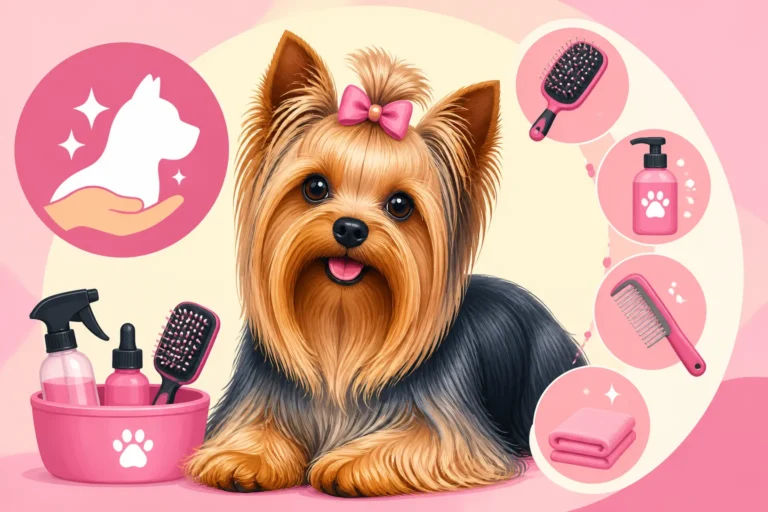
A good quality pin brush or a soft bristle brush is essential for preparing the coat. You'll need to brush through the hair thoroughly before attempting to band it to ensure there are no existing tangles that could get pulled. For particularly stubborn knots or a generally dry coat, a detangling spray designed for dogs will be your best friend. Spritzing a little before brushing helps the comb glide through the hair, minimizing pulling and discomfort. This pre-banding step is vital for making the whole experience positive.
Other Helpful Tools
- Blunt-tip scissors: These are not for cutting the hair but for carefully snipping the elastic band if it gets stuck or needs to be removed without pulling. Safety is paramount here.
- Treats: Positive reinforcement is key! Keep some small, high-value treats (perhaps from Ollie for a healthy option) nearby to reward your Yorkie for their cooperation throughout the process. This helps them associate banding with good things.
- Grooming table or non-slip surface: A stable, elevated surface will make it easier to reach your Yorkie without straining your back and provides a secure spot where they won't easily jump down.
- Hair clips/sectioning clips: These can be helpful for holding back excess hair while you work on the topknot section, ensuring a clean part.
Here’s a quick overview of essential banding supplies:
| Item | Purpose | Key Features | Where to Find |
|---|---|---|---|
| Grooming Bands | Securing the topknot hair | Small, gentle, latex-free elastics | Pet stores, Chewy, Amazon |
| Metal Greyhound Comb | Detangling and precise sectioning | Dual-tooth (fine/wide), sturdy metal | Pet stores, Amazon |
| Rat-Tail Comb | Creating clean, straight parts | Pointed end for parting | Drugstores, beauty supply stores |
| Pin Brush/Bristle Brush | Pre-banding detangling and smoothing | Gentle pins or soft bristles to avoid pulling | Pet stores, Chewy |
| Detangling Spray | Easing comb passage, preventing damage | Pet-safe, conditioning, anti-static | Pet stores, Chewy |
| Blunt-Tip Scissors | Safely removing stuck bands | Rounded tips for safety, small size | Pet grooming section, craft stores |
| High-Value Treats | Positive reinforcement and distraction | Small, tasty, easily digestible (e.g., Ollie training bites) | Pet stores, Ollie website, Chewy |
| Grooming Table/Mat | Stable, comfortable surface for grooming | Non-slip, adjustable height (optional) | Pet supply stores, online retailers |
Step-by-Step Guide to Banding Your Yorkie's Topknot
Now for the main event! Follow these steps carefully to create a beautiful and comfortable topknot band for your Yorkie. Patience and practice are your best friends here.
Preparing Your Yorkie and Their Coat
Before you even pick up a band, ensure your Yorkie is calm and in a comfortable position. Choose a time when they are relaxed, perhaps after a short walk or playtime. Having them on a non-slip surface at a comfortable height will also help prevent wiggling. Speak to them in a soothing voice, offer reassurance, and let them sniff the tools.
Next, give their entire coat, especially the head and face area, a thorough brushing. Use your pin brush first to gently work out any large tangles, then follow up with your Greyhound comb to ensure every strand is smooth. If you encounter any mats, use a detangling spray and carefully work them out before proceeding. Remember, you can't band dirty or matted hair effectively or comfortably, so ensure their coat is clean and well-brushed. For comprehensive coat care, check out our guide on How to Keep a Yorkie's Coat Long and Silky.
Sectioning the Hair for the Topknot
This is perhaps the most critical step for a good-looking and stable topknot. You want to create a clean, square-shaped section of hair on the top of your Yorkie’s head.
- Find the Eye Line: Using your rat-tail comb, start by drawing a straight line horizontally across the top of the head, connecting the outer corners of both eyes. This line marks the front boundary of your topknot section.
- Define the Sides: From the ends of that horizontal line, draw two parallel lines straight back along the sides of the head, towards the ears. These lines should extend to just behind the ears, creating a visible "box" of hair on top of their head.
- Ensure Evenness: Look at your Yorkie from the front and the side to ensure the section is symmetrical and even. All the hair within this square will form the topknot. Use your free hand to hold down any stray hairs outside this section, or use hair clips to keep them out of the way. The cleaner the section, the neater the band will be.
Applying the First Band
Once your section is perfectly isolated, it’s time to apply the first band.
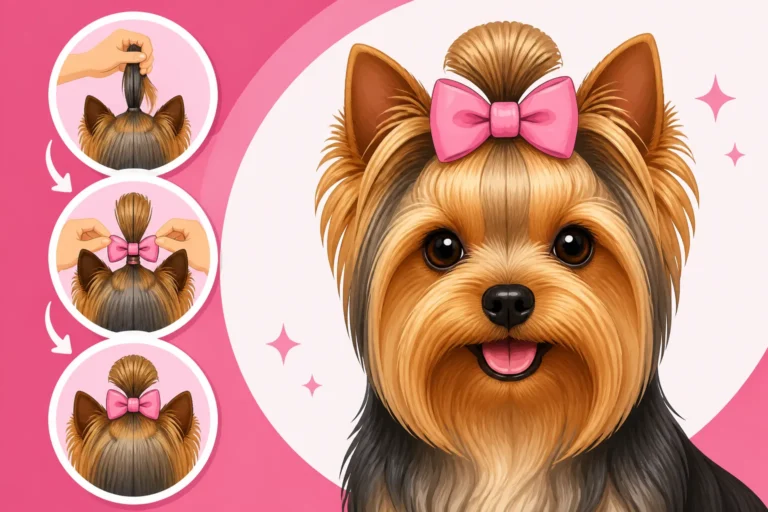
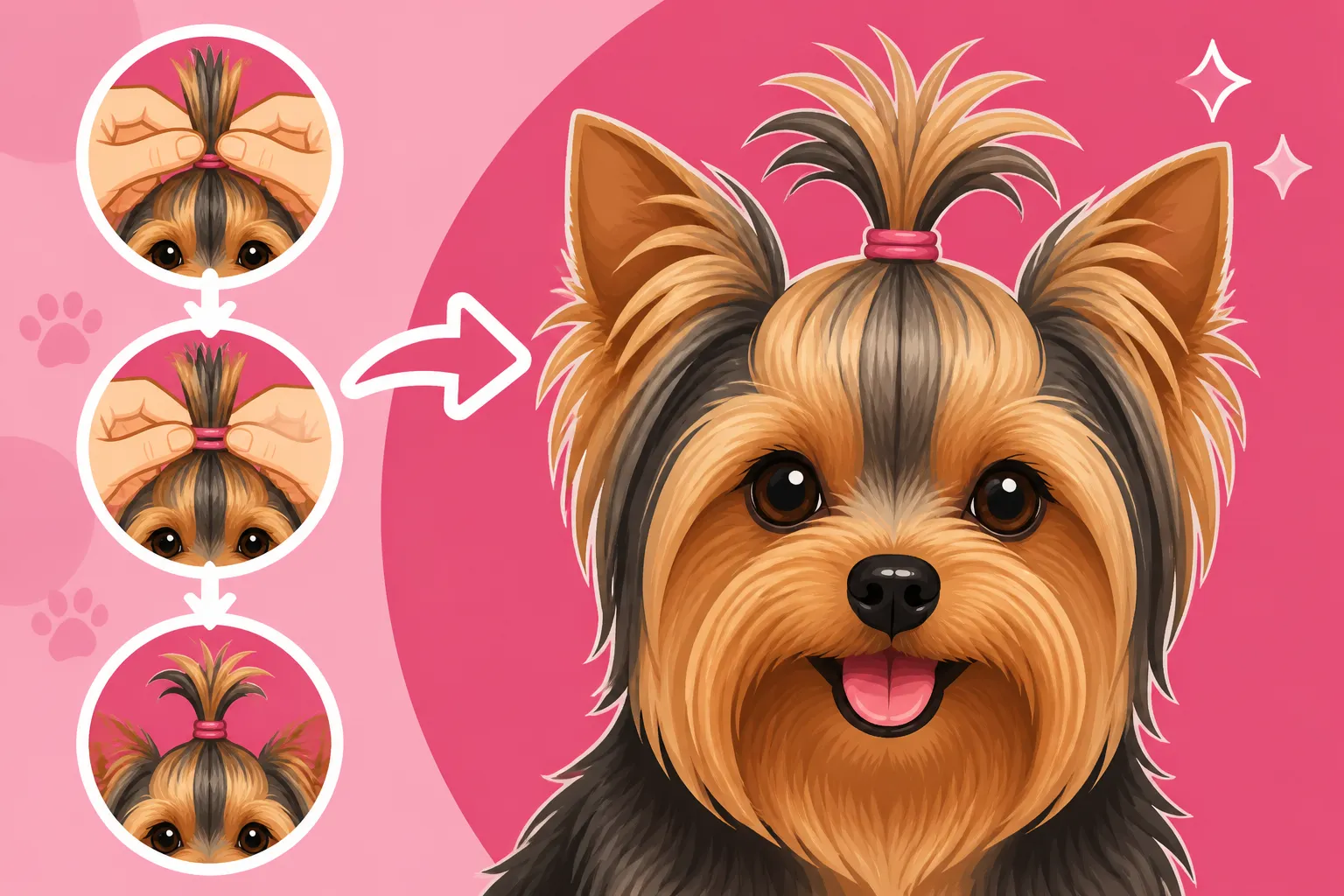
- Gather the Hair: Gently gather all the hair within your defined square section. Hold it firmly but not too tightly, ensuring it's smooth and free of bumps or loose strands at the roots. The hair should be pulled upwards, directly on top of their head, not pulled back or to the side.
- Position the Band: Take one of your small grooming bands. With your thumb and forefinger, secure the hair at the base of the topknot, where it meets the scalp. This is typically about 1/2 to 1 inch back from the eyes, depending on your Yorkie's hair length and preference.
- Wrap the Band: Carefully wrap the elastic band around the gathered hair, making sure it's snug but not painfully tight. You want it secure enough that it won't slip out easily, but loose enough that it doesn't pull their skin or cause discomfort. For most Yorkies, 2-3 wraps are usually sufficient. Once the band is on, gently pull a few strands of hair to check if it's too tight; if the skin around the base looks taut or irritated, it's too tight and needs to be redone. Offer a treat and praise your Yorkie for being patient!
Creating a Double Band or Single Band Style
Many Yorkie parents prefer a double-banded topknot, especially if their dog has very long hair, as it provides extra security and can create a more elegant look.
For a Single Band:
If you prefer a single band, you’re essentially done! Just ensure the hair is neatly fanned out from the band and that no stray hairs are caught. A single band is usually sufficient for puppies or Yorkies with shorter topknot hair.
For a Double Band:
- Separate the Topknot: Once the first band is securely in place, take the entire ponytail of hair that's now gathered in the first band.
- Create a Second Section: About 1 to 2 inches down from the first band (or further, depending on the length of your Yorkie's hair and desired look), gently take a smaller section of hair from within the first ponytail. This second section will typically be about half to two-thirds of the hair in the original topknot.
- Apply the Second Band: Secure this smaller section with another elastic band. Again, ensure it’s snug but not tight. The remaining hair from the original topknot will then fall gracefully from this second band. This creates a two-tiered effect, which is not only stylish but also helps keep even longer hair out of their eyes and prevents it from flopping forward.
After banding, gently fluff the hair and ensure no small hairs are pulling uncomfortably. Always end the session with enthusiastic praise and a special treat. If your Yorkie shows discomfort, try adjusting the band or taking a break. Persistence pays off, and with positive reinforcement, your Yorkie will learn to tolerate, and perhaps even enjoy, their grooming sessions.
Maintaining Your Yorkie's Banded Topknot
Banding is an ongoing process, not a one-and-done deal. Proper maintenance ensures the bands remain comfortable and effective, and the hair underneath stays healthy.
How Often to Re-band and Check for Comfort
Most Yorkies need their topknot re-banded every 1 to 3 days. The exact frequency depends on how active your dog is, how quickly the hair grows, and how easily the bands slip or break. Active dogs who love to play and rub their heads will likely need more frequent re-banding.
When you re-band, always remove the old band carefully. If it's tight or tangled, use your blunt-tip scissors to snip the elastic rather than trying to pull it off, which can cause painful hair breakage. When inspecting your Yorkie's eyes during this process, also keep an eye out for potential issues that may signal it's time to visit the vet, as outlined in our guide, When to Take Your Yorkie to the Vet. Before applying a new band, gently brush through the entire section of hair again to remove any small tangles that may have formed. This also gives you a chance to check for any skin irritation or redness around the base of the topknot that might indicate the previous band was too tight or left on too long.
Nighttime Care for the Topknot
Even at night, your Yorkie's topknot needs consideration. If your Yorkie sleeps rough, rolling around, the band might loosen or even pull uncomfortably. For some Yorkies, especially those with very delicate hair or skin sensitivities, you might consider removing the band at night. However, if their hair is quite long and still falls into their eyes, you might opt for a looser, single band for overnight, or even a soft scrunchie designed for dogs.
Another option is to use a soft snood or wrap designed for dogs to protect their ears and head hair while they sleep. This can help prevent the hair from getting tangled, especially if they rub their head on their bed. Whichever method you choose, the goal is to prevent discomfort and protect the hair from unnecessary friction that could lead to tangles or breakage.
Dealing with Loose Bands and Irritation
Loose bands are a common issue. They don't effectively keep hair out of the eyes and can easily slip off, leading to mats. If a band consistently loosens, try a slightly smaller band or wrap it one more time, ensuring it's snug but not tight.
If you notice any redness, bumps, or excessive scratching around the topknot area, remove the band immediately. This could be a sign of irritation, an allergic reaction to the band material (which is why latex-free is recommended), or a band that was too tight. Clean the area gently and allow the skin to breathe for a few hours or even a day before attempting to re-band. If the irritation persists, consult your veterinarian, as it could indicate a skin infection or another underlying issue that needs professional attention. It's always better to err on the side of caution when it comes to your Yorkie's comfort and health.
Common Mistakes to Avoid When Banding a Yorkie
Even with the best intentions, it's easy to make mistakes when learning a new grooming technique. Being aware of these common pitfalls can help you avoid discomfort for your Yorkie and frustration for yourself.
Tying the Band Too Tightly or Too Loosely
This is probably the most frequent mistake. A band that's too tight will pull on your Yorkie's delicate skin, causing pain, redness, and potentially leading to hair loss or even skin lesions over time. They might paw at their head, rub it on furniture, or even become head-shy, making future grooming sessions a battle. Always err on the side of slightly looser if you're unsure, and frequently check the tension. You should be able to slip a pinky finger under the band without much resistance.
On the flip side, a band that's too loose is ineffective. It won't hold the hair out of their eyes, will quickly slip out, and can lead to tangles and mats forming around the base where the hair is loose. It also defeats the entire purpose of banding. Finding that 'just right' tension takes practice, but it's crucial for both comfort and functionality.
Using the Wrong Type of Bands or Materials
As mentioned earlier, generic rubber bands are a big no-no. Their rough texture and strong elasticity can grip and break fragile Yorkie hair. Always opt for the small, coated, latex-free elastic bands specifically designed for pet grooming. These are gentler on the hair and less likely to cause allergic reactions.
Beyond bands, ensure all your grooming tools are in good condition. Dull scissors can snag hair, and brushes with bent or sharp bristles can scratch the scalp. Investing in good quality tools, like those you might find in a Best Grooming Kit for a Yorkshire Terrier or available from reputable brands on Chewy, is an investment in your Yorkie's comfort and coat health.
Neglecting Regular Brushing and Grooming
A topknot band is a part of a comprehensive grooming routine, not a replacement for it. Simply banding dirty or tangled hair will only lead to more significant problems. Neglecting to brush your Yorkie's entire coat daily, even when the topknot is banded, allows mats to form in other areas. The long hair on their ears, body, and legs also needs attention.
Think of it this way: the topknot keeps the hair out of their eyes, but consistent overall brushing prevents mats, distributes natural oils, and promotes healthy skin and coat. If you’re not brushing regularly, mats can form under the band, becoming incredibly painful to remove. A good daily routine, including practices like outlined in Daily Grooming Routine for a Long-Haired Yorkie, will keep their coat in top shape from head to paw.
Forcing the Process or Not Using Positive Reinforcement
Yorkies are intelligent and sensitive little dogs. If grooming becomes a traumatic experience, they will quickly learn to dread it. Trying to force your Yorkie to stand still or holding them down against their will will only create negative associations and make future sessions exponentially harder.
Instead, prioritize positive reinforcement. Start with short sessions, even just a minute or two of brushing, followed by praise and a treat. Gradually increase the duration as they become more comfortable. Use a calm, reassuring voice. If they get squirmy or distressed, take a break and try again later. Rewarding good behavior with tasty treats (like those from Ollie) and positive verbal cues helps them understand that cooperating leads to good things. Patience truly is a virtue here, and a little extra effort upfront will pay dividends in a lifetime of stress-free grooming.
Alternatives to the Traditional Yorkie Band
While the banded topknot is iconic and highly practical, it’s not the only option for managing your Yorkie’s facial hair. Sometimes, personal preference, your Yorkie's activity level, or even specific coat types might call for a different approach.
The Puppy Cut or Short Hair Styles
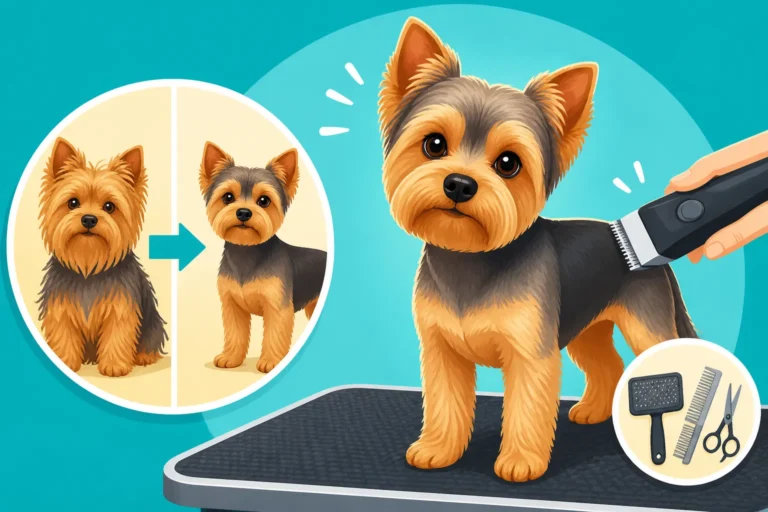
One of the most popular alternatives, especially for pet Yorkies not destined for the show ring, is the "puppy cut" or other short, practical hairstyles. These cuts involve keeping the body and facial hair much shorter, typically an inch or two in length. This entirely eliminates the need for banding, as the hair is too short to fall into their eyes.
Styles like the puppy cut or a simple kennel cut are fantastic for active Yorkies, those who dislike having their hair touched, or owners who prefer a low-maintenance grooming routine. While it means saying goodbye to that long, flowing topknot, it offers unparalleled ease of care and ensures your Yorkie's vision is always clear. It does mean more frequent trips to the groomer or regular at-home clipping, but it often simplifies the daily battle against tangles and eye irritation.
Decorative Clips and Bows
For Yorkies with slightly longer hair that isn't quite long enough for a traditional band, or for those whose owners simply prefer a different aesthetic, decorative clips and bows can be a charming alternative. These are often used in conjunction with a very short topknot section or to simply sweep a small amount of hair to the side.
While adorable, clips and bows tend to be more decorative than functional for keeping all the hair out of their eyes, especially if the hair is truly long. They can also be easier for adventurous Yorkies to shake out or dislodge during play. Ensure any clips or bows you use are lightweight, secure without pulling, and don't have small parts that could be chewed off and swallowed. They work best for adding a touch of flair to an already managed hairstyle rather than as a primary solution for eye-protection in long-haired Yorkies.
Ultimately, the best way to manage your Yorkie's hair will depend on their individual needs, your lifestyle, and your preferences. What's most important is that your Yorkie is comfortable, their vision is unobstructed, and their coat remains healthy. Whether it's a meticulously banded topknot, a practical short cut, or a playful bow, keeping your beloved companion well-groomed is a fundamental part of responsible Yorkie ownership.
Disclaimer
The information provided in this article is for general informational purposes only and is not intended as a substitute for professional veterinary advice. Always consult with your veterinarian for any health concerns or before making any decisions related to your pet's health and well-being. Grooming practices should always prioritize the safety and comfort of your Yorkshire Terrier.