How to Brush a Yorkie’s Teeth Daily
It’s a common frustration for many Yorkshire Terrier parents: you adore your little fluffball, but the thought of prying open their tiny mouth to brush their teeth feels like a wrestling match waiting to happen. Yet, ignoring their dental health isn't an option. Those adorable little choppers are highly susceptible to plaque, tartar buildup, and gum disease, which can lead to painful infections and even impact their overall health. This guide is here to walk you through exactly how to brush your Yorkie's teeth daily, turning what feels like a chore into a manageable, even bonding, routine.
Why Daily Dental Care for Your Yorkie is Non-Negotiable
As a proud Yorkie parent, you’re likely already aware of how delicate these little dogs can be. What many people don't realize is that their dental health is often the first place problems can quietly creep in. Yorkies, like many small breeds, are prone to dental issues, often starting at a surprisingly young age. Their tiny mouths mean their teeth are often crowded, creating perfect little nooks and crannies for plaque and tartar to accumulate.
The Silent Threat of Periodontal Disease
Periodontal disease isn't just about bad breath; it's a serious bacterial infection that affects the gums and the structures supporting the teeth. When plaque isn't removed, it hardens into tartar, which then irritates the gums, leading to gingivitis – inflamed, red gums. If left unchecked, this progresses, destroying the bone and tissue around the teeth. In advanced stages, teeth can loosen and fall out, and bacteria from the mouth can enter the bloodstream, traveling to vital organs like the heart, kidneys, and liver, causing much more significant health problems. This is why addressing dental health proactively, rather than reactively, is so critical for your beloved companion. You can read more about specific issues in our guide on Yorkshire Terrier Dental Disease: Signs and Care.
Long-Term Benefits of a Consistent Routine
Establishing a daily brushing routine for your Yorkie isn't just about preventing bad breath in the short term. It's an investment in their long-term health and comfort. Regular brushing significantly reduces the risk of expensive dental procedures down the line, such as professional cleanings under anesthesia, extractions, and even treatments for organ damage caused by oral bacteria. Think about it this way: a few minutes of daily care can save your Yorkie from pain and you from significant vet bills. It’s also a fantastic way to bond with your dog, as consistent, gentle handling builds trust and comfort, making future interactions, like vet visits or grooming, much easier. For a more complete overview, check out our Yorkshire Terrier Dental Care Guide.
Gathering Your Yorkie's Essential Dental Toolkit
Before you even think about approaching your Yorkie with a toothbrush, you need to assemble the right tools. Using human toothpaste or brushes designed for larger dogs simply won't cut it and can actually be harmful. Yorkies require specialized products that are safe and effective for their unique needs.
Choosing the Right Brush for Tiny Mouths
When it comes to toothbrushes, size definitely matters for a Yorkie. Their mouths are small, and a standard dog toothbrush will be far too large and uncomfortable. You have a few options to consider:
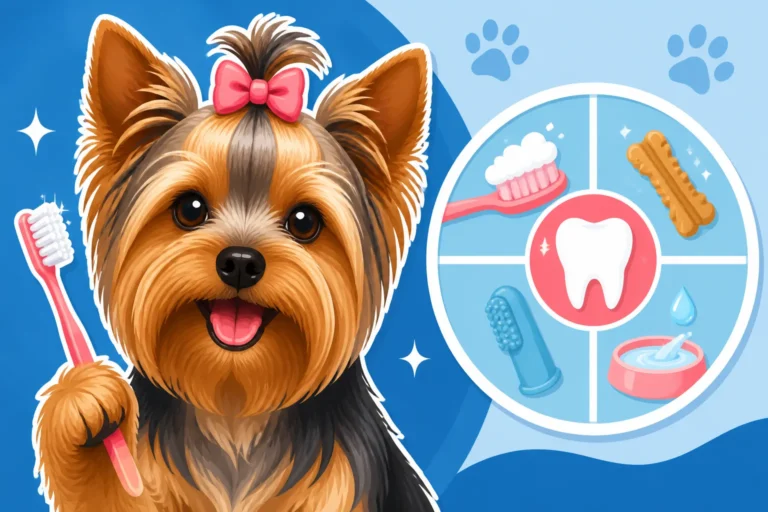
- Finger Brushes: These slip over your finger and have soft bristles or nubs. They're excellent for getting your Yorkie used to the sensation of brushing, offering a gentle introduction and direct control. They're often found in puppy starter kits on platforms like Chewy or Amazon.
- Small-Headed Toothbrushes: Look for brushes specifically designed for toy breeds or cats. These have a very small head, often with an angled design, to reach those tricky back teeth. Brands like Petrodex or Virbac offer excellent options.
- Soft Silicone Brushes: Similar to finger brushes but sometimes available with a small handle, these are very gentle and great for sensitive gums.
Selecting a Safe and Effective Toothpaste
This is perhaps the most crucial item in your dental toolkit. Never use human toothpaste on your Yorkie. Human toothpaste contains fluoride and other ingredients that are toxic if swallowed, and since dogs swallow their toothpaste, this is a serious hazard.
Always choose an enzymatic dog toothpaste. These are specially formulated to be safe for ingestion and contain enzymes that help break down plaque even after brushing. They come in appealing flavors like poultry, beef, or peanut butter, which can make the experience more enjoyable for your Yorkie. Favorites often include brands like Virbac CET Enzymatic Toothpaste or Petrodex Enzymatic Toothpaste, which you can easily find at most pet stores or online retailers.
Here's a quick comparison of common dental tools for Yorkies:
| Tool Type | Pros | Cons | Best For |
|---|---|---|---|
| Finger Brush | Gentle, good for beginners, direct control, builds trust | Less effective for thorough cleaning, can be bitten | Puppies, desensitization, initial training, sensitive gums |
| Small-Headed Brush | More thorough cleaning, reaches back teeth | Can be intimidating initially, requires more technique | Established routines, deeper cleaning, adult Yorkies |
| Enzymatic Toothpaste | Safe to swallow, aids in plaque breakdown, appealing flavors | Needs consistent use, flavor preference varies | All Yorkies, essential for effective brushing |
| Dental Wipes | Quick, easy for light plaque, good for daily maintenance | Not as effective as brushing, doesn't reach between teeth | Quick cleans, travel, supplementary to brushing |
| Water Additives | Easy to use, helps reduce bacteria in drinking water | Not a substitute for brushing, efficacy can vary | Supplementary care, general oral health maintenance |
Optional but Helpful Additions
While not strictly necessary for daily brushing, these items can complement your routine:
- Dental Wipes: For those days when a full brush isn't feasible, a dental wipe can offer a quick clean of the outer surfaces of your Yorkie's teeth. They’re a good supplemental tool but not a replacement for brushing.
- Dental Chews: High-quality dental chews can help scrape away plaque and tartar, but they should be size-appropriate and given under supervision. Look for brands recommended by your vet or endorsed by the Veterinary Oral Health Council (VOHC). Remember, chews are an adjunct, not a replacement for brushing. You can find excellent options and learn more in our guide to the Best Dental Chews for Yorkies.
- Dental Water Additives: These are added to your Yorkie's drinking water and can help reduce bacteria and freshen breath. They offer a passive way to support oral hygiene but are never a substitute for direct cleaning.
A Step-by-Step Guide to Brushing Success
Now that you have your tools, it’s time to embark on the actual brushing process. Patience and consistency are your best friends here. Don't expect perfection on day one!
Phase 1: Acclimatization and Trust Building
Before you even introduce a brush, your Yorkie needs to be comfortable with you touching their mouth.
- Start Slowly: Begin by gently massaging your Yorkie’s muzzle and around their lips. Do this for a few seconds daily, praising them softly.
- Introduce Taste: Put a tiny dab of enzymatic dog toothpaste on your finger and let your Yorkie lick it off. Many Yorkies love the taste, which can create a positive association. Do this for a few days. Brands like Ollie also offer tasty, natural treats that can be used as high-value rewards during this training.
- Finger Brushing Practice: Once they’re comfortable with the taste, put a small amount of toothpaste on a finger brush. Gently rub it along their gumline and teeth for just a few seconds, focusing on the outer surfaces of the upper canine teeth and molars, where plaque tends to accumulate most. Keep it super brief and positive.
- Gradual Progression: Over several days or even weeks, gradually increase the duration and area you're touching with your finger brush. Always end on a positive note with praise and a small, healthy treat.
Phase 2: Introducing the Toothbrush
Once your Yorkie is happy with the finger brush, you can transition to a small-headed toothbrush.
- Toothpaste on the Brush: Apply a pea-sized amount of dog toothpaste to the small-headed toothbrush.
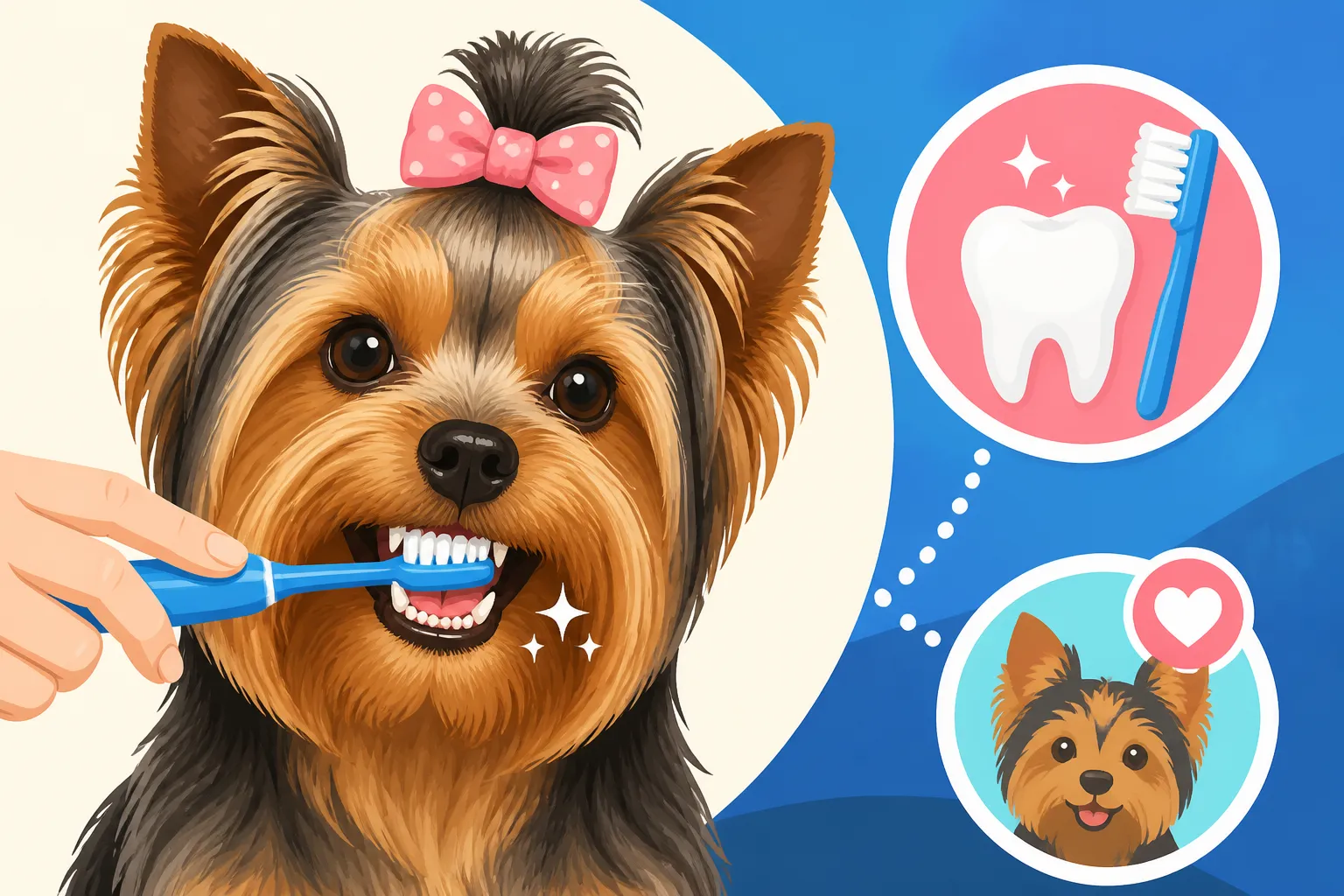
- Gentle Lift of Lips: Gently lift your Yorkie’s upper lip. Many dogs resist having their mouths opened wide, so focus on the outer surfaces first.
- Angle the Brush: Hold the toothbrush at a 45-degree angle to the gumline. This angle allows the bristles to clean both the tooth surface and just under the gumline, where plaque hides.
- Circular Motions: Using small, gentle circular motions, brush a few teeth at a time. Start with the outside surfaces of the upper teeth, especially the canines and back molars. These are the most accessible and often accumulate the most plaque.
- Move to the Bottom: Once the top outside surfaces are done, move to the outside surfaces of the lower teeth.
- Inner Surfaces (Optional but Recommended): Ideally, you should also brush the inner surfaces. However, many Yorkies find this more invasive. If your Yorkie is tolerant, gently try to reach the inner surfaces of their teeth. If not, focus on getting the outer surfaces clean, as these are the primary problem areas.
- Duration: Aim for at least 30 seconds per side, working up to 1-2 minutes total. Consistency is more important than perfection, especially in the beginning.
Phase 3: The Daily Routine
The goal is to make this a seamless part of your Yorkie’s day.
- Choose a Consistent Time: Pick a time that works best for you and your Yorkie. Many people find success after their dog's last meal of the day or right before bedtime.
- Establish a Spot: Have a designated, calm spot for brushing. This could be on your lap, on a towel on the counter, or on the floor.
- Routine Signals: Use a consistent verbal cue, like "teeth time!" or "brush-brush," to signal what's coming.
- Praise and Reward: Lavish praise throughout the process, and always, always end with a special treat or a favorite toy. This positive reinforcement is key to maintaining a cooperative attitude.
- Don't Give Up: If your Yorkie resists, take a break and try again later or shorten the session significantly. Forcing the issue will only create a negative association. Remember, even a few seconds of brushing is better than none.
For prevention and maintenance, consistency is truly key. You can discover more about Yorkie Dental Disease Prevention in our dedicated article.
Turning Brushing into a Positive Experience
Let's be real: no dog instantly loves having their teeth brushed, especially a Yorkie who might have a stubborn streak. The key is to make it a positive, rewarding experience from the very start.
Desensitization and Positive Reinforcement
This isn’t just about getting the job done; it’s about making your Yorkie comfortable and happy with the process.
- Associate with Good Things: Always introduce the toothbrush and toothpaste with something positive. Let them sniff the brush, taste the paste, and then immediately give them a small, high-value treat. Repeat this without even touching their teeth.
- Short and Sweet Sessions: Keep early brushing sessions extremely short—just 10-15 seconds. The goal is to finish before they get fed up. Gradually increase the duration as they become more accepting.
- Calm Environment: Choose a quiet time and place where your Yorkie is relaxed and there are minimal distractions. Avoid rushing or creating a stressful atmosphere. If your Yorkie is prone to anxiety, consider using calming chews (available on Chewy or Amazon) or even a gentle cuddle before starting.
- Reward System: This cannot be emphasized enough. Every single time you brush, no matter how brief or imperfect, follow it immediately with praise, a favorite toy, or a delicious treat. This helps them associate brushing with positive outcomes.
- Consistency is King: Daily repetition, even if it's just a quick swipe, reinforces the routine and helps your Yorkie accept it as a normal part of their day. They learn what to expect, which reduces anxiety.
Handling Resistance and Common Challenges
It's inevitable that you'll encounter some resistance. Don't get discouraged!
- Mouthing/Nipping: If your Yorkie tries to mouth or nip the brush, don't pull your hand away abruptly, as this can turn it into a game. Instead, gently push the brush into their mouth (not hurting them, but making it less fun to bite down on) and then reposition. Or, take a pause and try again later. Sometimes a firm "No" followed by a redirection can work.
- Running Away: If your Yorkie bolts, it means they're uncomfortable. Re-evaluate your approach. Are your sessions too long? Is the toothpaste flavor unappealing? Go back a step in the desensitization process. Perhaps they need more time just licking the toothpaste from your finger.
- Sensitive Gums: If your Yorkie has tender or bleeding gums, stop brushing immediately and consult your veterinarian. This could be a sign of existing dental disease that needs professional attention. It’s also important to remember that some breeds, including Yorkies, can be more prone to specific health issues, so vigilance is key. You might find our comprehensive article on Yorkshire Terrier Health Problems to Know helpful for broader context.
- The Struggle with Inner Surfaces: Many Yorkies simply won't tolerate brushing the inner surfaces of their teeth. While ideally you'd clean all surfaces, focus primarily on the outer surfaces, especially the upper canines and molars. These are the areas most prone to plaque buildup and where brushing has the biggest impact. If you can only manage the outer surfaces, you’re still doing a great job!
When to Seek Professional Help
While daily brushing is paramount, it's not always enough. Even with diligent home care, many Yorkies will still need professional dental cleanings under anesthesia at the vet's office. Think of it like your own dental care: you brush daily, but you still go to the dentist for cleanings.
If you notice excessive tartar buildup (yellow/brown crust on teeth), persistent bad breath (beyond the normal "dog breath"), red or bleeding gums, loose teeth, difficulty eating, or any changes in your Yorkie's behavior around their mouth, it's time for a vet visit. These are signs that professional intervention is needed. Your vet can assess the severity of any dental disease and recommend the best course of action. They can also advise on how often Yorkies need dental cleaning based on your individual dog's health and genetics. Understanding the Yorkie Vet Cost Breakdown can help you budget for these necessary procedures.
By committing to a daily brushing routine, you're giving your Yorkie the gift of better health and a longer, happier life. It takes dedication, but the wagging tail and fresh breath will be well worth it!
Disclaimer
The information provided in this guide is for general informational purposes only and does not constitute veterinary advice. Always consult with a qualified veterinarian for any health concerns or before making any decisions about your pet's health or treatment.