How to Care for a Yorkie in Summer
Summer, glorious summer! For us humans, it often means longer days, outdoor adventures, and soaking up the sun. But for our adorable little Yorkshire Terriers, the rising temperatures can pose a serious threat to their well-being. Many Yorkie parents grapple with the worry of keeping their pint-sized companions cool and safe when the mercury climbs, and it’s a valid concern given their unique physiology. This comprehensive guide is here to walk you through everything you need to know about caring for your Yorkie when the heat is on, ensuring they stay happy, healthy, and comfortable all season long.
Understanding Your Yorkie's Vulnerability to Heat
It’s easy to think that a small dog might be more resilient to heat, or that their short stature keeps them cooler, but the reality is quite the opposite. Yorkshire Terriers, like many small breeds, have several characteristics that make them particularly susceptible to overheating, far more so than their larger, often double-coated counterparts. Understanding these vulnerabilities is the first crucial step in becoming a vigilant summer caregiver.
Why Yorkies Struggle with High Temperatures
One of the primary reasons Yorkies find heat challenging is their small size. While it might seem counterintuitive, smaller animals have a higher surface area to volume ratio, which means they can absorb heat more quickly relative to their body mass. This rapid heat absorption, combined with their limited ability to cool down efficiently, puts them at a distinct disadvantage. Unlike us, dogs don’t sweat through their skin to regulate body temperature. Their main cooling mechanisms are panting and sweating through their paw pads. A Yorkie’s tiny lungs can only pant so much, and their small paw pads offer limited surface area for evaporative cooling. This is why you might see your Yorkie panting heavily even on a moderately warm day – they’re working overtime just to try and stay comfortable.
Furthermore, Yorkies are prone to certain health conditions that can be exacerbated by heat. For instance, some Yorkies may have a predisposition to Yorkshire Terrier Collapsing Trachea: Signs and Care. While this isn't directly caused by heat, the increased panting and respiratory effort required to cool down can put added strain on an already compromised airway, potentially leading to a crisis. Overweight Yorkies also have a harder time regulating their body temperature, as the extra insulation acts like a warm blanket they can't shed. It’s vital to know your Yorkie’s healthy weight range by age to manage this risk.
Identifying Heat Risks in Your Environment
Knowing your dog’s innate vulnerabilities is one thing, but you also need to be acutely aware of the environmental factors that can quickly turn a pleasant summer day into a dangerous situation. Think about the microclimates in and around your home. Is your backyard a sun trap for most of the afternoon? Does your favorite walking path retain heat long after the sun has begun to set?
For example, asphalt and concrete can reach scorching temperatures, easily exceeding 120-140°F (49-60°C) when the air temperature is only 85°F (29°C). Imagine walking barefoot on that! Your Yorkie’s paw pads are not much tougher than our feet, and they can suffer severe burns in mere minutes. Even indoor environments can pose a risk. If you leave your Yorkie alone, consider how quickly a room can heat up if the air conditioning fails or if direct sunlight streams through a window for hours. A closed car, even on a mild day, is an absolute death trap – temperatures inside can rise by 20 degrees in just 10 minutes. Always, always remember: if it’s too hot for you, it’s definitely too hot for your Yorkie. Pay attention to humidity too, as high humidity makes it even harder for dogs to cool down through panting because the air is already saturated with moisture.
Hydration Strategies for Summer Safety
Keeping your Yorkie properly hydrated in the summer is arguably the most critical component of heat safety. Dehydration can happen quickly and insidiously, leading to a cascade of problems that compromise their health and ability to cope with heat. It's not enough to just put a bowl of water down; you need to actively encourage and monitor their fluid intake, especially when the weather is warm.
Encouraging Water Intake
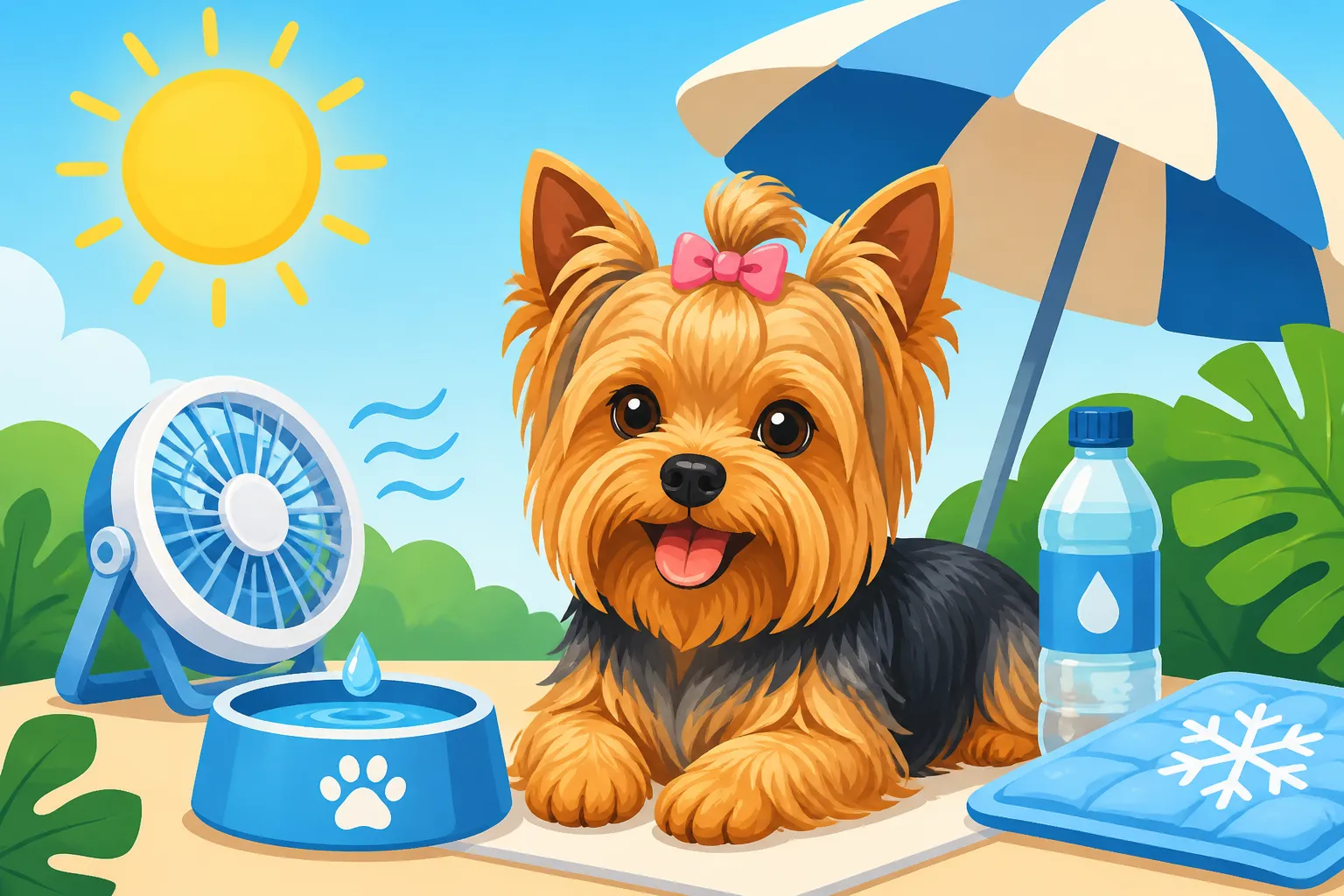
Sometimes, our little Yorkies get so engrossed in their play or exploration that they simply forget to drink, or they might not be motivated enough by plain tap water. To combat this, you need to make water appealing and readily available. Start by ensuring they always have access to fresh, clean water in multiple locations around your home. If you have a multi-story house, place bowls on each floor. For outdoor access, have a dedicated, shaded water bowl that you check and refill frequently. Stainless steel bowls are often recommended as they are easy to clean and resist bacterial growth better than plastic.
You can make water more enticing by adding a splash of low-sodium chicken broth (ensure it has no onion or garlic!), or even a few ice cubes. Some Yorkies love playing with ice cubes, and it's a great way to sneak in some extra hydration. Consider a pet water fountain; the circulating, filtered water can be more appealing to some dogs, as it mimics a fresh stream and stays cooler. Brands like PetSafe or Pioneer Pet offer various designs that can encourage your Yorkie to drink more regularly. When you're out and about, always carry a portable water bottle and a collapsible bowl. Even a short walk to the park can warrant a water break, especially if the air is humid.
Alternative Hydration Sources and Treats
Beyond plain water, there are other creative and delicious ways to boost your Yorkie's hydration levels. Frozen treats are a fantastic option, offering both hydration and a cooling effect. You can make your own pup-sicles using diluted unsweetened fruit juice (like apple or cranberry, always check ingredients for xylitol which is toxic!), or pureed fruits and vegetables like watermelon, cucumber, or pumpkin. Just be sure to remove any seeds from watermelon and only use dog-safe produce.
Another excellent option is adding water-rich foods to their diet. A little plain, unsweetened yogurt (again, check ingredients for xylitol) or cottage cheese can be a treat that also adds moisture. Some dog food brands, like Ollie, offer fresh, human-grade food options that naturally contain higher moisture content than traditional kibble, which can be beneficial during hotter months. You can also rehydrate your Yorkie's dry kibble with water or broth before serving, turning it into a more hydrating meal. Remember, any new food or treat should be introduced gradually and in small quantities to avoid upsetting your Yorkie's sensitive stomach. These methods not only help with hydration but can also be a fun way to engage your Yorkie and provide some mental stimulation.
Protecting Their Delicate Paws and Skin
While their long, silky coats are often admired, a Yorkie's delicate skin and paw pads require special attention during the summer months. They might be small, but they aren't impervious to the elements, and sun exposure and hot surfaces can cause significant discomfort and even serious injury.
Safeguarding Paws from Hot Surfaces
This cannot be stressed enough: hot pavement, asphalt, metal surfaces, and even dark-colored decking can cause severe burns to your Yorkie's paw pads in a matter of seconds. A simple rule of thumb is the "seven-second test": place the back of your hand on the pavement. If you can't hold it there comfortably for seven seconds, it's too hot for your dog's paws.
Always schedule walks during the coolest parts of the day – early morning or late evening. If you must go out during warmer hours, seek out grassy areas, shaded trails, or indoor pet-friendly spaces. For those times when hot surfaces are unavoidable, invest in a good pair of dog booties. It might take some training for your Yorkie to get used to them, but brands like Pawz or Ruffwear offer durable, protective options that can make a huge difference. Start with short wear sessions indoors, associating them with treats and praise. Regularly check your Yorkie's paw pads for any signs of redness, blisters, or tenderness, which could indicate a burn. If you suspect a burn, immediate veterinary attention is crucial. Proper Yorkshire Terrier Dental Care Guide is important year-round, but remember to keep their overall health in mind when considering paw protection, as any discomfort can affect their mobility and willingness to exercise.
Sun Protection for Skin and Coat
Just like us, Yorkies can get sunburned, especially those with lighter coats or areas where their hair is thinner (like the ears, nose bridge, or belly). Sunburn isn't just uncomfortable; it can lead to skin damage, increase the risk of skin cancer, and exacerbate existing skin sensitivities. If your Yorkie has a "puppy cut" or a very short summer trim, they are even more exposed.
For sun protection, consider applying a veterinarian-approved pet sunscreen to exposed areas, particularly their nose and ear tips. Never use human sunscreen, as many contain ingredients toxic to dogs, especially zinc oxide or para-aminobenzoic acid (PABA). Look for sunscreens specifically formulated for pets. Limiting direct sun exposure during peak hours (10 AM to 4 PM) is also essential. If your Yorkie loves to lounge outside, ensure they have ample shade, either from trees, an umbrella, or a designated dog kennel cover. Some brands, available through retailers like Chewy or Amazon, also offer lightweight, UV-protective clothing for dogs, which can be especially helpful for Yorkies with sensitive skin or very short coats. Think of them as tiny rash guards for your furry friend!
Safe Exercise and Play During Hot Weather
Yorkies are known for their lively and energetic personalities, and they need regular exercise to stay happy and healthy. However, during the summer, you need to adjust their activity schedule and type of play to prevent overheating. Pushing them too hard in the heat can quickly lead to dangerous situations. It's about smart exercise, not no exercise.
Timing Your Outdoor Activities
The key to safe summer exercise for your Yorkie is timing. Avoid walking, running, or playing outdoors during the hottest parts of the day, which are typically between 10 AM and 4 PM. Instead, plan their outdoor activities for the early morning hours, just after sunrise, or in the late evening once the sun has begun to set and surfaces have cooled down significantly. Even on cloudy days, UV rays are still present, and the air can still be quite warm and humid, so exercise caution.
Keep a close eye on your Yorkie for any signs of fatigue or overheating during walks, even if it feels mild to you. These can include excessive panting, lagging behind, seeking shade, or stumbling. If you notice any of these, stop immediately, find shade, and offer water. Short, frequent potty breaks in the shade are preferable to one long, strenuous walk. Remember, their small legs mean they have to take many more steps than you do to cover the same distance, increasing their exertion. You can learn more about their energy levels and needs in our Yorkshire Terrier Exercise Needs guide.
Indoor Play and Mental Stimulation
When outdoor conditions are too risky, pivot to indoor activities. This doesn't mean your Yorkie has to be bored! There are countless ways to provide physical and mental stimulation indoors. Engage them with interactive toys like puzzle feeders or treat-dispensing toys, which challenge their minds and keep them busy. A snuffle mat can be a great way to let them "hunt" for their kibble, engaging their natural foraging instincts.
Indoor games like fetch (if you have enough space), hide-and-seek with toys, or even just a good old game of tug-of-war can burn off energy. Training sessions are also excellent for mental stimulation; teach them new tricks or reinforce basic commands. This helps prevent boredom-related destructive behaviors and keeps their minds sharp. Consider a cooling mat or a damp towel for them to lie on after a vigorous play session to help bring their body temperature down. Creating an enriching indoor environment is crucial for How to Keep a Yorkshire Terrier Healthy when outdoor options are limited by the weather.
Grooming for Summer Comfort
A Yorkie's luxurious coat is one of their most defining features, but how you manage it in the summer can greatly impact their comfort and safety. There's a common misconception that shaving a dog completely will keep them cooler, but this isn't always true and can sometimes do more harm than good for certain breeds, including Yorkies.
Appropriate Summer Haircuts
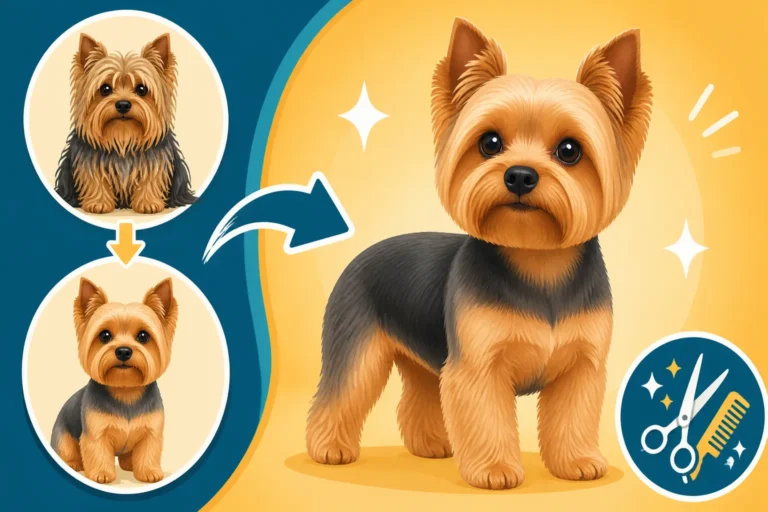
For a Yorkshire Terrier, their single-layer coat is more akin to human hair than a typical dog's fur. It grows continuously and doesn't have an insulating undercoat that many breeds shed. While a long, flowing coat can actually offer some protection from the sun's harsh UV rays, it can also trap heat and become matted if not meticulously maintained, especially with increased swimming or sweating.
For summer, a "puppy cut" or a "teddy bear cut" where the coat is trimmed to a uniform length of about 1-2 inches (2.5-5 cm) is often ideal. This length is short enough to reduce matting, make bathing easier, and allow for better air circulation against the skin, while still providing some protection from sunburn. Avoid shaving them completely down to the skin, as this removes their natural sun protection and can expose their delicate skin to sunburn, insect bites, and even increase the risk of heatstroke because their skin is directly exposed to solar radiation. Consult with your professional groomer, they can advise on the best summer cut for your individual Yorkie, taking into account their coat type and lifestyle. You can also explore options for How to Groom a Yorkshire Terrier at Home if you're comfortable with clippers and scissors.
Brushing and Bathing Routines
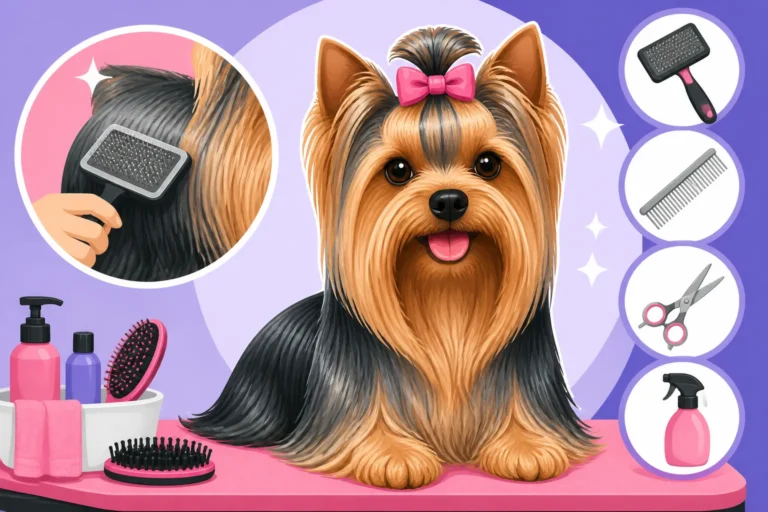
Even with a shorter summer cut, regular brushing remains crucial. Daily brushing helps remove loose hair, prevents mats and tangles (which can trap heat and cause skin irritation), and stimulates blood circulation. A good quality pin brush and a metal comb are essential tools for maintaining their silky coat. Pay particular attention to areas prone to matting, such as behind the ears, armpits, and under the legs. You can find excellent grooming tools from retailers like Amazon or Chewy.
Bathing can also help keep your Yorkie fresh and cool, especially after a sweaty walk or a romp in the yard. However, don't over-bathe them, as this can strip their skin of natural oils and lead to dryness or irritation. Once every 2-4 weeks is generally sufficient, unless they've gotten particularly dirty. Use a gentle, moisturizing dog shampoo and conditioner to maintain coat health. After bathing, make sure to dry them thoroughly, especially if they have any length of coat, to prevent skin issues and matting. A cool-setting blow dryer can speed up the process and ensure their skin is completely dry. Consistent Yorkshire Terrier Grooming Guide practices are vital for their overall health and comfort.
Recognizing and Responding to Heatstroke
Heatstroke is a severe and potentially fatal condition that occurs when a dog's body temperature rises to a dangerously high level (typically over 105°F or 40.5°C). Because Yorkies are so vulnerable, every owner must be able to recognize the signs of heatstroke quickly and know how to provide immediate first aid. Time is of the essence when it comes to heatstroke.
Early Signs of Overheating
It's crucial to be vigilant for the subtle, early signs that your Yorkie is struggling with the heat, before it escalates into full-blown heatstroke. Don't wait until it's too late.
Here are the key indicators to watch for:
- Excessive Panting: While normal panting is how dogs cool down, persistent, heavy panting that seems out of proportion to their activity level, or panting that becomes frantic and labored, is a red flag. Their breathing might sound noisy or raspy.
- Bright Red Gums or Tongue: Normally, a Yorkie's gums should be a healthy pink. If they become bright cherry red, it indicates increased blood flow as their body tries desperately to cool itself. In later stages, gums might appear pale or bluish.
- Increased Thirst: They might be constantly seeking water and drinking excessively, indicating dehydration.
- Vomiting or Diarrhea: These can be signs of internal distress and dehydration.
- Dizziness or Disorientation: Your Yorkie might seem confused, stumble, or have trouble walking in a straight line. They might also appear lethargic or unresponsive.
- Dark, Sticky Saliva: As they dehydrate, their saliva can become thick and ropey, making panting less effective.
If you observe any of these signs, even mild ones, act immediately. Move your Yorkie to a cooler, shaded area, and begin cooling them down. You can find more information about serious warning signs in our guide on Yorkie Emergency Symptoms to Never Ignore.
Emergency First Aid and Vet Care
If you suspect your Yorkie is suffering from heatstroke, immediate action is critical. Every minute counts.
Here's what you need to do:
- Move to a Cooler Area: Get your Yorkie out of the sun and into an air-conditioned room or at least a heavily shaded, cool spot.
- Begin Cooling Slowly:
- Apply cool (not ice-cold) water to their body, particularly on their paw pads, belly, and inner thighs where major blood vessels are close to the surface. You can use a hose on a gentle setting or wet towels.
- Never use ice water, as this can cause blood vessels to constrict, trapping heat inside, and can lead to shock.
- Place a fan near them to aid in evaporative cooling.
- Offer small amounts of cool water to drink, but don't force it.
- Monitor Temperature (if possible): If you have a rectal thermometer, take their temperature. Stop active cooling when their temperature drops to 103°F (39.4°C) to prevent overcooling, which can be just as dangerous.
- Contact Your Veterinarian Immediately: Even if your Yorkie seems to be recovering, heatstroke can cause internal organ damage that may not be immediately apparent. Call your vet on the way to the clinic so they can be prepared for your arrival. Always treat heatstroke as a veterinary emergency. Your vet may need to administer IV fluids, monitor organ function, and provide other supportive care.
Being prepared with this knowledge can literally save your Yorkie's life. Prevention is always better than cure, so implement all the summer care tips diligently to avoid ever reaching this critical stage. Understanding Yorkshire Terrier Health Problems to Know is key to recognizing symptoms that could be exacerbated by heat.
Summer Care Checklist for Your Yorkie
To help you keep track of all the essential summer care tips for your beloved Yorkie, here's a handy checklist. Print it out, stick it on your fridge, and ensure your furry friend has a safe and enjoyable summer!
| Category | Summer Care Action | Why It's Important |
|---|---|---|
| Hydration | Provide multiple fresh, cool water bowls (indoors & outdoors). | Prevents dehydration, critical for temperature regulation. |
| Add ice cubes or a splash of dog-safe broth to water. | Encourages drinking, adds a cooling element. | |
| Offer frozen treats (e.g., watermelon, pup-sicles). | Delicious way to hydrate and cool down. | |
| Carry portable water/bowl on all outings. | Ensures hydration access when away from home. | |
| Paw & Skin | Test pavement heat with your hand (7-second rule). | Prevents severe paw burns. |
| Protection | Walk during coolest parts of the day (early morning/late evening). | Avoids scorching hot surfaces and peak sun. |
| Use dog booties for unavoidable hot surfaces. | Provides physical barrier against heat. | |
| Apply vet-approved pet sunscreen to exposed skin. | Protects against sunburn and potential skin cancer. | |
| Provide ample shade outdoors. | Shields from direct, harmful UV rays. | |
| Exercise & | Schedule outdoor activities for cooler hours. | Reduces risk of overheating and heatstroke. |
| Play | Opt for shorter, more frequent potty breaks in the shade. | Minimizes exertion in heat. |
| Engage in indoor games and mental stimulation (puzzles, training). | Provides exercise and enrichment when outdoor play is unsafe. | |
| Utilize cooling mats or damp towels after play. | Aids in bringing down body temperature. | |
| Grooming | Consider a "puppy cut" or 1-2 inch uniform trim. | Allows air circulation while maintaining some sun protection. |
| Brush daily to prevent mats and promote air flow. | Removes trapped heat, prevents skin issues. | |
| Bathe regularly with gentle shampoo, dry thoroughly. | Keeps coat clean, aids in cooling, prevents skin issues. | |
| Monitoring | Learn signs of overheating: excessive panting, red gums, lethargy. | Enables early intervention for potential heatstroke. |
| & Emergency | Know heatstroke first aid: move to cool area, apply cool water, fan. | Critical immediate steps to lower body temperature safely. |
| Have emergency vet contact information readily available. | Ensures prompt professional medical attention for heatstroke. | |
| Never leave your Yorkie in a car, even for a minute. | Cars heat up rapidly and are absolute death traps for pets. |
Disclaimer
This article is intended for informational purposes only and does not constitute veterinary advice. Always consult with a qualified veterinarian regarding your Yorkie's specific health concerns and before making any decisions about their care or treatment, especially in emergency situations.