How Much Does a Standard Yorkie Cost
Bringing a charming Yorkshire Terrier into your home is an exciting prospect, but many prospective owners are often surprised by the financial commitment involved. It's not just the initial price tag of the puppy that you need to consider; there's a whole world of ongoing expenses that can truly add up. This comprehensive guide is here to shed light on the true cost of owning a standard Yorkshire Terrier, from the moment you decide to welcome one into your life through all their happy, healthy years. We'll break down the different financial stages, explore what influences prices, and help you budget realistically so you can provide the best possible life for your new furry family member.
The Initial Purchase Price of a Standard Yorkie
When you first start looking for a Yorkshire Terrier, the sticker shock can be real. Prices can vary wildly, leaving many wondering why some puppies cost so much more than others. Understanding these factors is key to setting a realistic budget and finding a healthy, well-adjusted companion. A "standard" Yorkie generally refers to one that falls within the breed standard weight of up to 7 pounds when fully grown, distinguishing them from smaller "teacup" varieties which often carry their own set of unique health and cost implications.
For a standard Yorkshire Terrier puppy from a reputable breeder, you can expect to pay anywhere from $1,500 to $3,500, sometimes even more depending on various factors. This range isn't arbitrary; it reflects the breeder's dedication, investment, and the quality of care they provide before a puppy even leaves for its new home. A responsible breeder invests heavily in health testing their breeding dogs for common genetic conditions like patellar luxation or liver shunts, ensuring proper nutrition for the mother and puppies, early socialization, and initial veterinary care, including vaccinations and deworming. They're also there for you, offering lifetime support and guidance, which is truly invaluable.
On the other hand, you might find Yorkies advertised for significantly less, perhaps $500 to $1,000, through backyard breeders or online ads. While tempting, these lower prices often come with hidden costs down the line. Puppies from such sources might not have received proper veterinary care, might be from parents without health clearances, or could have been raised in unsanitary conditions, leading to potential health issues, behavioral problems, or even scams. It’s a sad reality that trying to save money upfront can often lead to heartbreaking and expensive problems later, such as managing a serious condition like Yorkshire Terrier Portosystemic Shunt: Signs and Care. This is why choosing a reputable breeder is a crucial first step in securing a healthy puppy, and you can learn more about this by reading our guide on How to Find a Reputable Yorkie Breeder.
Another avenue for acquiring a Yorkie is through adoption or rescue organizations. While less common to find purebred Yorkie puppies in rescues, adult Yorkies or Yorkie mixes do become available. Adoption fees typically range from $150 to $500, and this fee usually covers spaying/neutering, initial vaccinations, microchipping, and sometimes even a behavioral assessment. This can be a wonderful, more affordable option, and provides a loving home to a dog in need. However, rescued dogs might come with unknown histories or pre-existing conditions, so a thorough vet check-up immediately after adoption is always a good idea.
Essential First-Year Expenses Beyond the Puppy
The moment your standard Yorkie puppy crosses the threshold, a new set of expenses begins. The first year is usually the most expensive after the initial purchase, as you're setting up their environment, establishing their health foundation, and laying the groundwork for their training. It’s easy to overlook these costs in the excitement of a new puppy, but budgeting for them properly will save you a lot of stress.
One of the most significant categories of first-year expenses is veterinary care. Your puppy will need a series of vaccinations to protect them from common canine diseases, typically several rounds of shots over the first few months. They’ll also need regular deworming, a microchip, and a comprehensive health check-up. Once they're old enough, spaying or neutering is a major procedure that can cost several hundred dollars, depending on your vet's fees and your location. A good resource for understanding this timeline and preventing common issues is our Yorkshire Terrier Puppy Health Guide and Yorkie Vaccination Schedule. These initial vet costs alone can easily run from $500 to $1,000 or more in the first year.
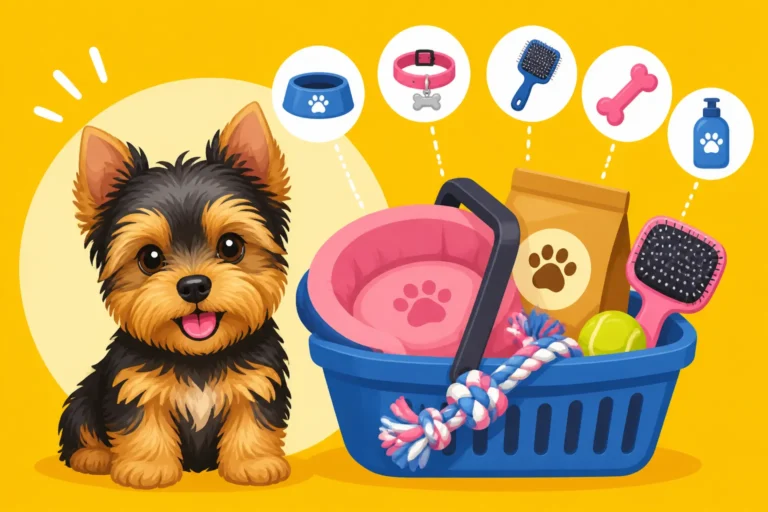
Beyond medical needs, you’ll need to stock up on all the puppy essentials. This includes a comfortable crate, a soft bed, food and water bowls, a leash and harness (we always recommend a harness for tiny breeds like Yorkies to protect their delicate throats), an assortment of appropriate toys, and grooming tools like brushes and nail clippers. Many owners find places like Chewy incredibly helpful for getting all these supplies delivered right to their door. Don't forget puppy pads and enzymatic cleaners for inevitable accidents! High-quality puppy food is also a must, as proper nutrition is vital for their growth and development. This initial shopping spree can add another $300 to $700 to your first-year budget.
Training is another crucial investment. Yorkies are smart but can be a bit stubborn, so early and consistent training is key. Group puppy classes usually cost $100-$300 for a multi-week session and are fantastic for socialization. If you opt for private lessons, expect to pay significantly more, often $75-$150 per hour. Potty training, in particular, can be a challenge with small breeds, and our Yorkshire Terrier Puppy Training Schedule can offer guidance. And speaking of challenges, considering pet insurance early on is a smart move. Companies like Healthy Paws offer various plans that can help mitigate the financial impact of unexpected illnesses or accidents, which are unfortunately more common than we'd like to admit, especially with smaller breeds prone to issues like Yorkshire Terrier Patellar Luxation: Signs and Care.
Ongoing Annual Costs for Your Standard Yorkshire Terrier
Once your Yorkie sails past their puppy stage, the expenses shift from initial setup to a steady stream of routine care. While some costs decrease, others become regular fixtures in your budget. It’s important to plan for these annual expenses to ensure your Yorkie continues to thrive without financial strain on your part. Think of it as investing in their long-term health and happiness.
Food is a recurring expense that you’ll deal with every month. A standard Yorkie doesn't eat a huge amount, but choosing high-quality food is paramount for their health, especially for breeds prone to sensitive stomachs or dental issues. Premium kibble can cost $30-$60 per month, while fresh-food diets, like those offered by Ollie, can be higher, often $60-$100+ per month, but many owners find the health benefits worth the investment. Treats, dental chews, and supplements (like joint support as they age) will also add to this category. Finding the Best Dog Food for Yorkshire Terriers can significantly impact their long-term well-being.
Routine veterinary care continues annually. This includes an annual check-up, booster vaccinations, and parasite prevention (heartworm, flea, and tick medication). These routine visits can cost $200-$500 per year, but that doesn't include potentially significant expenses like dental cleanings. Yorkies are notoriously susceptible to dental disease, and professional dental cleanings under anesthesia are often recommended annually or bi-annually, easily costing $500-$1,000 per procedure. Proactive Yorkshire Terrier Dental Care Guide is crucial to prevent more severe issues. It’s wise to factor these into your Yorkshire Terrier Vet Costs and Health Budget.
Grooming is another significant ongoing cost. Yorkies have a luxurious, fast-growing coat that requires regular attention. Whether you opt for professional grooming every 4-8 weeks or invest in home grooming tools, this expense is unavoidable. Professional grooming can run $50-$100 per session, quickly adding up to $600-$1,200 annually. If you choose to groom at home, you’ll still need to factor in the cost of quality shampoos, conditioners, brushes, clippers, and scissors. Our Yorkshire Terrier Grooming Guide offers tips for both scenarios. Don't forget about pet insurance premiums, which typically range from $30-$60 per month for a comprehensive plan, or $360-$720 annually, providing a financial safety net for unexpected health concerns, such as treating Yorkshire Terrier Collapsing Trachea: Signs and Care.
Key Factors Influencing Yorkie Prices and Your Budget
It's clear that the cost of a standard Yorkie is more than just a single number; it's a dynamic range influenced by several crucial factors, both at the point of purchase and throughout their lifetime. Understanding these variables can help you make informed decisions and prepare for the financial journey ahead with your furry companion. It's not about finding the "cheapest" option, but rather the most responsible one that aligns with your budget and values.
Breeder Reputation and Lineage: This is perhaps the biggest factor in the initial purchase price. Breeders who perform extensive health screenings on parent dogs for common Yorkshire Terrier Health Problems to Know, provide exceptional care for their puppies (including early veterinary checks, vaccinations, and socialization), and offer a health guarantee will naturally charge more. Their prices reflect the significant investment they make in producing healthy, well-adjusted puppies. Conversely, "backyard breeders" or puppy mills often skip these vital steps, leading to lower prices but a much higher risk of future health and behavioral problems, which could quickly negate any initial savings. Show-quality Yorkies, from champion bloodlines, will also command a premium over pet-quality puppies, even if both are destined for loving family homes.
Geographic Location: Just like housing costs or general living expenses, the price of a Yorkie can vary significantly by region. A puppy from a breeder in a high-cost-of-living area like New York City or Los Angeles might be more expensive than one from a rural area in the Midwest. Similarly, veterinary services and grooming costs will also fluctuate based on your location. It’s always a good idea to research average costs in your specific area when planning your budget.
Age and "Rarity": While most people seek out adorable Yorkie puppies, an adult Yorkie or a senior Yorkie might be available at a lower price, especially through rescue organizations. Sometimes, reputable breeders might also rehome retired breeding dogs, often at a reduced fee. While standard-sized Yorkies are common, certain less conventional color patterns (though not recognized by the AKC standard for show dogs) or perceived "rarity" can sometimes inflate prices, though it's important to prioritize health and temperament over aesthetics.
Unexpected Health Issues and Emergency Funds: Even with the best breeders and preventive care, dogs can face unforeseen health challenges. Small breeds like Yorkies are prone to specific issues beyond the common ones mentioned, such as hypoglycemia or tracheal collapse. Having an emergency fund or robust pet insurance is non-negotiable. Without it, a sudden illness or accident requiring emergency vet care could cost thousands of dollars, putting immense financial strain on your family. Many financial advisors suggest having at least $2,000-$5,000 set aside for pet emergencies. This is a vital component of truly knowing How Much Does a Yorkshire Terrier Cost over their lifetime. Planning for these unforeseen circumstances is a crucial part of knowing How to Budget for a New Yorkie Puppy responsibly.
Here's a breakdown of estimated average costs for a standard Yorkshire Terrier:
| Expense Category | First Year (Estimated Range) | Annual Ongoing (Estimated Range) | Key Considerations |
|---|---|---|---|
| Initial Purchase Price | $1,500 – $3,500+ | N/A | Breeder reputation, lineage, location, health testing. |
| Vet Care (Initial) | $500 – $1,000 | N/A | Vaccinations, deworming, microchip, spay/neuter. |
| Supplies (Initial) | $300 – $700 | $50 – $200 (replacements) | Crate, bed, bowls, leash, harness, toys, grooming tools. |
| Food | $360 – $1,200 | $360 – $1,200 | Quality matters; premium kibble vs. fresh food. |
| Grooming | $300 – $1,200 | $300 – $1,200 | Professional vs. DIY; coat length preference. |
| Training | $100 – $500 | $0 – $200 (refreshers/new skills) | Puppy classes, private lessons, behavioral management. |
| Pet Insurance | $360 – $720 | $360 – $720 | Essential for unexpected health issues. |
| Miscellaneous/Emergency | $500 – $1,000+ | $500 – $1,000+ | Toys, treats, boarding, emergency fund. |
| Total First Year | $3,920 – $8,820+ | $1,570 – $4,720+ | Excludes one-time purchase, but includes initial care. |
| Total Lifetime (12-15 yrs) | Varies greatly based on health, lifestyle, and choices. |
This table provides a general overview, and actual costs can vary based on your specific choices, your Yorkie's individual health needs, and where you live. Being prepared for these costs is the most loving thing you can do for your future or current standard Yorkshire Terrier.
Disclaimer
Please note that the information provided in this article is intended for general guidance and informational purposes only. Pet care costs can vary significantly based on location, individual pet needs, veterinary practices, and product choices. Always consult with a qualified veterinarian for personalized advice regarding your Yorkshire Terrier's health and specific care requirements.