Yorkie Not Listening: What to Do
Yorkshire Terrier behavior analysis explains why dogs ignore commands and offers positive reinforcement training strategies to improve communication.
Work with the temperament you have.
House-training and crate work, recall, leash manners, separation anxiety, and the behaviors this breed is wired for.
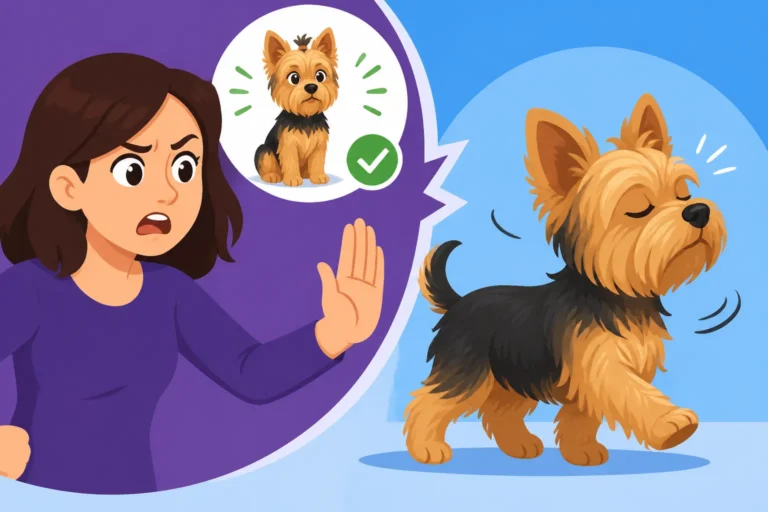
Yorkshire Terrier behavior analysis explains why dogs ignore commands and offers positive reinforcement training strategies to improve communication.
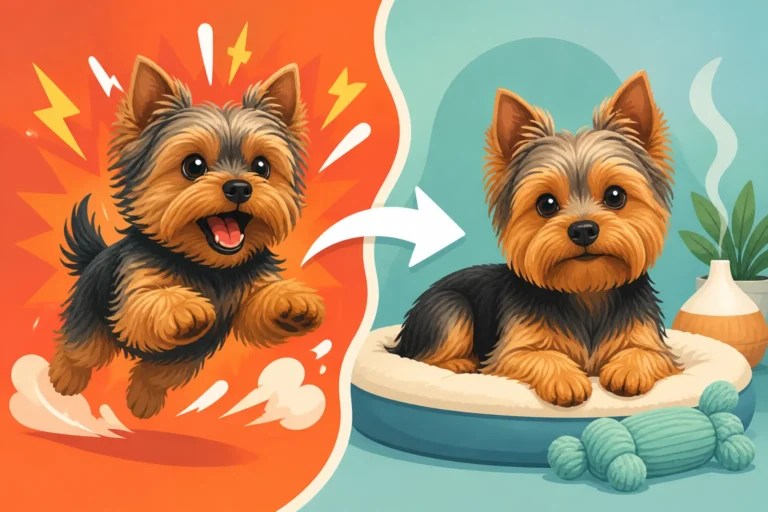
Yorkshire Terrier owners can learn common energy causes and discover daily routines, quiet spaces, and mental exercises to bring home calmness.
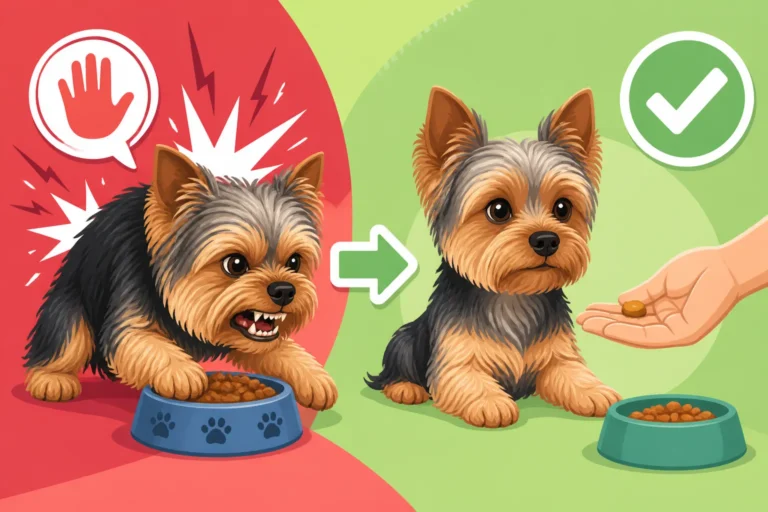
Yorkshire Terrier resource guarding stems from anxiety and triggers like food. Learn subtle signs and positive management techniques to stop this behavior.

Yorkshire Terrier growling indicates fear, pain, resource guarding, or play, meaning owners must decode canine body language and address root causes.

Yorkshire Terrier aggression stems from causes like fear, resource guarding, territorial instincts, and pain, requiring targeted behavioral solutions.

Yorkshire Terrier and cat introduction methods involve establishing safe home zones, managing scent swapping, and conducting controlled visual encounters.

Yorkshire Terrier socialization methods, health preparation steps, and neutral territory guidelines help owners safely introduce their pets to other dogs.

Proper socialization for a Yorkie puppy prevents fear and aggression, helping your dog grow into a confident and well-adjusted adult companion.

Yorkshire Terriers left alone require age-appropriate preparation, safe spaces, puzzle toys, and gradual desensitization to prevent separation anxiety.

Yorkshire Terrier separation anxiety causes destructive chewing and howling, while gradual desensitization and crate training help pets stay calm.