Yorkshire Terrier Puppy Care Guide
Bringing a tiny Yorkshire Terrier puppy home is one of the most exciting, yet simultaneously overwhelming, experiences for any dog parent. These adorable bundles of fluff come with big personalities and an even bigger need for careful, consistent care right from the start. It’s easy to feel a bit lost with all the advice out there, wondering if you're doing everything right for your little one. This comprehensive guide is here to walk you through every aspect of Yorkshire Terrier puppy care, from setting up their new environment to understanding their unique health needs and beginning their journey to becoming a well-adjusted adult dog.
Bringing Your Yorkie Puppy Home: The First Few Days
The first few days with your new Yorkshire Terrier puppy are crucial. This is a big transition for them, leaving their littermates and familiar surroundings. Your goal is to make this period as stress-free and positive as possible, setting the foundation for a lifetime of happiness.
Preparing Your Home for Arrival
Before your tiny fur baby even sets a paw inside, your home needs to be a safe haven. Yorkies are naturally curious and small enough to get into serious trouble, so "puppy-proofing" isn't just a suggestion, it's a critical step. Imagine your home from a puppy's perspective, down low. Are there any loose electrical cords they could chew? What about cleaning supplies, medications, or toxic plants that are within reach? Even small objects like coins, hair ties, or children's toys can be choking hazards. Secure all cabinets, especially those under sinks, and elevate anything potentially dangerous.
Beyond safety, you’ll want to create a welcoming space. Designate a specific area for your puppy that will serve as their den – a quiet, comfortable place where they can retreat. This might be a crate, a playpen, or a cozy corner with a soft bed. This spot should also house their food and water bowls, and perhaps a puppy pad if you plan to use them. Before they arrive, make sure you have all the essentials: a high-quality small-breed puppy food, sturdy yet lightweight food and water bowls (stainless steel is often recommended), a comfortable bed, a small harness and leash (collars can put strain on their delicate tracheas), and an assortment of safe, appropriately sized toys. Websites like Chewy or Amazon are excellent resources for stocking up on these initial supplies, often offering convenient delivery right to your door.
The Grand Welcome: First Moments
When you first bring your Yorkie puppy home, resist the urge to immediately smother them with attention or invite all your friends over for a welcome party. Too much stimulation can be overwhelming for a nervous little pup. Instead, aim for a calm and quiet arrival. When you get home, take your puppy directly to the designated potty area you've chosen, whether it's outside in the grass or to a puppy pad indoors. Give them ample time to sniff around and hopefully relieve themselves. When they do, offer immediate, enthusiastic praise and a small treat. This reinforces that this is the correct place to go.
Once they've had a chance to potty, gently introduce them to their prepared safe space. Let them explore it on their own terms. Allow them to sniff their bed, their bowls, and their toys. Avoid forcing interactions. If they seem hesitant, simply sit quietly near their space, speaking in a soft, reassuring voice. The goal is to let them acclimate at their own pace, building trust and comfort in their new surroundings. Remember, every sound, smell, and sight is brand new to them, and they need time to process it all.
Establishing a Routine Early On
Consistency is truly king when it comes to raising a well-adjusted puppy, especially for a breed as intelligent and sensitive as a Yorkshire Terrier. Establishing a predictable routine from day one helps your puppy understand expectations, reduces anxiety, and makes the potty training and overall adjustment period much smoother. Think about their day: when will they wake up, eat, go potty, play, nap, and sleep for the night?
Try to keep feeding times, potty breaks, and bedtime consistent each day. For example, if you feed them at 7 AM, 12 PM, and 5 PM, stick to that schedule. The same goes for potty breaks – take them out immediately upon waking, after eating, after playing, and before bed, ideally every 1-2 hours for very young puppies. A consistent routine minimizes confusion and helps them anticipate what’s coming next. This predictability is incredibly comforting to a new puppy who is navigating a whole new world. It also makes it easier for you to spot any deviations from their normal behavior, which can be an early indicator of potential health issues.
Essential Daily Care for Your Yorkie Puppy
Once your Yorkie puppy has settled in, your days will revolve around providing consistent care in a few key areas: feeding, potty training, and exercise. Mastering these daily routines is fundamental to their healthy development and your peace of mind.
Feeding Schedules and Portion Sizes
Yorkshire Terrier puppies have tiny stomachs and high metabolisms, which means they need to eat frequently throughout the day. Typically, a young Yorkie puppy (8-12 weeks old) should be fed three to four times a day. As they grow a bit older (3-6 months), you can usually transition to three meals a day, and then eventually to two meals a day as they approach adulthood (around 6-12 months, depending on the individual pup). It's incredibly important to stick to a consistent feeding schedule; this not only aids digestion but also helps immensely with potty training, as puppies often need to relieve themselves shortly after eating.
Measuring your puppy's food accurately is critical. Overfeeding can lead to obesity, even in tiny pups, while underfeeding can result in poor growth and low blood sugar (hypoglycemia), a particular concern for small breeds. Always follow the guidelines on your chosen puppy food bag, adjusted for your puppy's age and weight, and consult with your vet if you have any doubts. If you're transitioning your puppy from one food to another, do it gradually over 7-10 days by mixing increasing amounts of the new food with decreasing amounts of the old. A sudden change can upset their delicate digestive system. For more detailed insights, you might find our guide on How Much to Feed a Yorkshire Terrier or Yorkshire Terrier Feeding Guide by Age particularly helpful.
Potty Training Fundamentals
Ah, potty training – the rite of passage for every new puppy parent! It can feel like a marathon, especially with a small breed like a Yorkie, but consistency and patience are your best friends. The core principle is simple: frequent trips to the designated potty spot, immediate praise and reward for success, and diligent cleanup of accidents. For a young Yorkie puppy, this means taking them out every 1-2 hours, without fail. Always take them out first thing in the morning, immediately after eating, after napping, after playtime, and right before bedtime.
When you take them out, lead them directly to their potty spot and wait. Use a consistent phrase like "go potty" to help them associate the words with the action. When they go, celebrate with enthusiastic praise, a happy voice, and a small, high-value treat. If they don't go, bring them back inside and try again in 15-20 minutes. Never punish them for accidents inside; they don't understand punishment in the way we do, and it can just make them afraid to go in front of you. Clean accidents thoroughly with an enzymatic cleaner to eliminate odors that might attract them back to the same spot. Whether you choose pee pads or outdoor training, remain consistent. For a deep dive into this sometimes challenging but rewarding process, check out our comprehensive Yorkshire Terrier Potty Training Guide.
Exercise and Playtime Needs
Despite their small size, Yorkie puppies are energetic and playful little dogs! They absolutely need regular opportunities for exercise and mental stimulation, but it’s vital to understand their limitations. Unlike larger breeds, a long, strenuous walk isn't appropriate or safe for a tiny Yorkie puppy. Instead, focus on short, frequent bursts of activity throughout the day. Think 5-10 minute play sessions a few times a day, rather than one long outing.
Indoor play can be fantastic for Yorkie puppies, involving toys they can chase, retrieve, or tug on gently. Puzzle toys are also excellent for mental enrichment, challenging their bright little minds. When playing, be mindful of their fragile bones and joints; avoid roughhousing, high jumps, or anything that could lead to injury. A short, supervised stroll on a soft surface like grass in a securely fenced yard or a quiet park can be beneficial for socialization and getting them accustomed to a harness and leash. Just be sure they are fully vaccinated before exposing them to public areas.
Nutrition for Growing Yorkshire Terrier Puppies
What you feed your Yorkshire Terrier puppy lays the groundwork for their entire health and development. Given their small size and specific needs, choosing the right nutrition is one of the most important decisions you'll make as a new pet parent.
Choosing the Right Puppy Food
Yorkshire Terrier puppies have unique dietary requirements. They grow rapidly, but their tiny bodies are susceptible to issues like hypoglycemia (low blood sugar) if they don't get consistent, nutrient-dense meals. Therefore, selecting a high-quality, small-breed specific puppy food is paramount. These formulas are typically designed with smaller kibble sizes to prevent choking and are packed with the right balance of protein, fats, and carbohydrates to support their energy levels and growth.
When looking at dog food labels, prioritize foods that list a real meat source (like chicken, lamb, or fish) as the first ingredient. Avoid foods with excessive fillers like corn, wheat, and soy, or artificial colors and preservatives. Brands like Royal Canin, Hill's Science Diet, or Purina Pro Plan often have breed-specific or small-breed puppy formulas. For those interested in fresh, human-grade options, companies like Ollie provide customized meal plans delivered right to your door, offering a great alternative to traditional kibble. You can find many reputable brands and read reviews on platforms like Amazon or Chewy to help make an informed choice. Always consult with your veterinarian for personalized dietary recommendations based on your puppy's individual health.
Managing Sensitive Stomachs and Hypoglycemia Risks
Yorkshire Terrier puppies are notoriously prone to sensitive stomachs and a condition called hypoglycemia, or dangerously low blood sugar. Their small size means they have minimal energy reserves, and if they go too long without food or experience stress, their blood sugar can drop quickly. Signs of hypoglycemia include lethargy, weakness, wobbling, disorientation, trembling, or even seizures. If you notice any of these symptoms, immediate action is necessary: rub a small amount of honey or Karo syrup on their gums and contact your vet immediately.
Preventative feeding strategies are key. Ensure your puppy eats frequently (3-4 meals a day for young pups) and that they always have access to fresh water. Avoid prolonged periods without food, especially overnight. Keep meal times consistent to regulate their metabolism. For puppies with sensitive stomachs, a bland diet (like boiled chicken and rice, under vet guidance) might be necessary during periods of upset. Introducing new foods or treats gradually can also help prevent digestive upset. Understanding these risks is crucial for any Yorkie owner, and our guide on Yorkie Hypoglycemia: Emergency Signs provides more in-depth information on how to handle these situations.
Hydration and Healthy Treats
Just as crucial as food is ensuring your Yorkie puppy stays well-hydrated. Always provide constant access to fresh, clean water in a shallow, stable bowl. Dehydration can be dangerous for puppies, especially active ones or those experiencing digestive upset. Change the water daily and clean the bowl regularly to prevent bacterial growth. You might notice your puppy drinks more after play or meals, which is perfectly normal.
When it comes to treats, choose wisely. For training, select small, soft, easily digestible treats that won't add too many calories to their daily intake. Many excellent small-breed training treats are available from reputable brands. Avoid giving your Yorkie puppy human foods, especially those known to be toxic to dogs like chocolate, grapes, onions, or anything with artificial sweeteners like xylitol. Even seemingly harmless human foods can cause digestive upset or pancreatitis in sensitive Yorkies. Always err on the side of caution and stick to treats specifically formulated for puppies.
| Age (Weeks) | Feeding Frequency | Food Type | Potential Concerns | Hydration Needs |
|---|---|---|---|---|
| 8-12 | 3-4 times/day | Small Breed Puppy Kibble / Fresh Food | Hypoglycemia, sensitive stomach | Constant fresh water |
| 12-24 | 3 times/day | Small Breed Puppy Kibble / Fresh Food | Growth plate issues (avoid strenuous exercise) | Constant fresh water |
| 24-52 | 2-3 times/day | Transition to Adult (or stay on puppy if vet advises) | Dental development, continued growth | Constant fresh water |
Grooming Your Yorkshire Terrier Puppy's Delicate Coat
Yorkshire Terriers are renowned for their long, silky, human-like hair, which is beautiful but also high-maintenance. Starting a consistent grooming routine early in puppyhood is essential to keep their coat healthy and to make grooming a positive experience for life.
Brushing and Preventing Matting
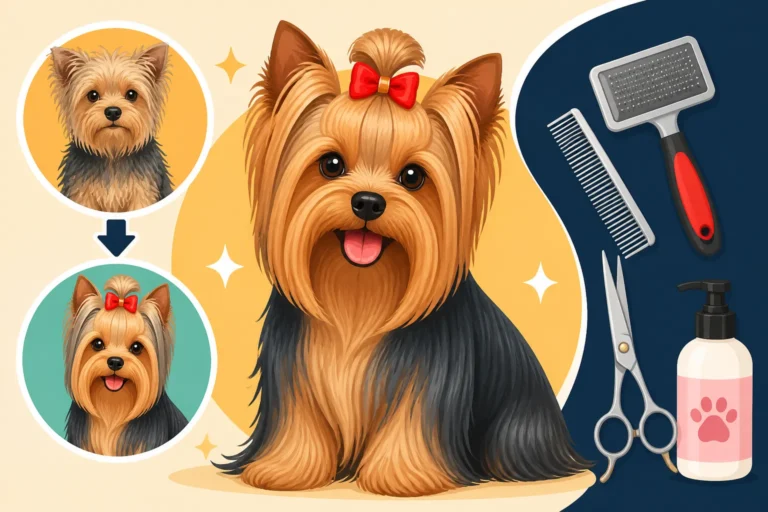
The hallmark of a Yorkshire Terrier is their luxurious coat, but without regular attention, it can quickly become a tangled mess. Daily brushing is absolutely key, even for puppies with shorter coats, to prevent matting and distribute natural oils. Matted hair can be incredibly painful, pulling at their skin, and can even lead to skin infections if left untended. Start brushing your puppy for short periods every day, making it a gentle, positive experience with lots of praise and treats. Use a high-quality pin brush or a soft slicker brush, followed by a metal comb to check for any hidden tangles.
Pay close attention to areas prone to matting, such as behind their ears, under their "armpits," and on their belly and legs. If you encounter a small tangle, gently work it out with your fingers or a detangling spray rather than yanking on it. You can learn more about specific techniques in our guide on How to Brush a Yorkie's Coat, which will help you keep that beautiful hair free of tangles and mats. The earlier you introduce brushing as a normal part of their day, the more accepting your puppy will be of it.
Bathing Best Practices
While daily brushing is a must, frequent bathing is not. Over-bathing can strip your Yorkie puppy's delicate skin of its natural oils, leading to dryness and irritation. Generally, a bath every 2-4 weeks is sufficient, or when they've gotten particularly dirty from playtime. Always use a shampoo and conditioner specifically formulated for puppies or dogs with sensitive skin. Human shampoos are too harsh for their pH balance.
Before bathing, thoroughly brush your puppy to remove any mats, as water will only tighten them. Use lukewarm water and ensure you rinse all the shampoo and conditioner out of their coat to prevent skin irritation. Gently squeeze excess water from their fur and then use a soft towel to blot them dry. Many Yorkie parents opt for a low-heat setting on a dog-specific hairdryer or a regular hairdryer held at a distance, brushing as they dry to prevent tangles and achieve that signature silky finish. Make bath time a calm and gentle experience, offering praise throughout.
Nail Trims, Ear Cleaning, and Eye Care
Beyond their coat, regular attention to nails, ears, and eyes is crucial for your Yorkie puppy's overall comfort and health. Long nails can be painful, affect their gait, and even lead to foot problems over time. Aim to trim your puppy's nails every 2-4 weeks, or as needed. Start by just touching their paws and clippers, gradually progressing to a quick trim of the very tip of each nail. If you’re unsure, ask your vet or a professional groomer to demonstrate. We have a helpful resource, How to Trim a Yorkie's Nails, that can guide you through the process.
Their ears should be checked weekly. Yorkies can have hair growing inside their ear canals, which needs to be carefully plucked (again, often best done by a groomer or vet) to prevent wax and debris buildup, which can lead to ear infections. A gentle wipe with a vet-approved ear cleaner on a cotton ball is usually all that’s needed for external cleaning. For their eyes, Yorkies are prone to tear staining around the inner corners. Gently wipe this area daily with a soft, damp cloth or an eye-safe tear stain remover to keep the area clean and prevent irritation. Consistent eye care is particularly important, as neglecting it can sometimes lead to more serious issues. For more information on potential issues, read our guide on Yorkie Eye Problems Explained.
Health and Wellness for Young Yorkies
Nurturing a healthy Yorkie puppy involves more than just daily feeding and grooming; it requires proactive health management, including regular vet visits, vaccinations, and an awareness of common breed-specific health concerns.
First Vet Visits and Vaccination Schedule
One of the first and most critical steps after bringing your Yorkie puppy home is scheduling an initial veterinary check-up, ideally within the first few days. Even if your breeder provided a health check, a new vet will want to establish a baseline for your puppy's health, discuss their vaccination history, and perform a thorough examination. This initial visit is your opportunity to ask any questions you have about diet, potty training, behavior, and any concerns specific to your puppy.
A crucial part of your puppy’s early life will be their vaccination series. Puppies receive a series of shots, usually starting at 6-8 weeks of age, protecting them against common and serious diseases like Distemper, Parvovirus, Adenovirus, and Parainfluenza (often combined in a DAPP or DHPP vaccine), as well as Rabies. Your vet will outline the specific schedule, which typically involves booster shots every 3-4 weeks until they are about 16 weeks old. It's imperative to complete this series; until then, your puppy's immune system is vulnerable, and they should avoid public places where they might encounter unvaccinated dogs. Along with vaccinations, your vet will also discuss deworming protocols, flea and tick prevention, and potentially heartworm prevention. Our detailed Yorkie Vaccination Schedule can provide a useful overview of what to expect.
Common Yorkie Puppy Health Concerns
While Yorkies are generally a hardy breed, like all purebreds, they are predisposed to certain health conditions that new owners should be aware of, even in puppyhood. Hypoglycemia, as mentioned earlier, is a significant concern due to their small size and rapid metabolism. Always be vigilant for signs of low blood sugar. Another common issue, even in young Yorkies, can be parasites like roundworms, hookworms, or coccidia, which puppies can acquire from their mothers. Regular deworming, as prescribed by your vet, is essential.
Skeletal issues are also a possibility. Patellar luxation, where the kneecap slips out of place, is a common orthopedic problem in small breeds. While often diagnosed later, early signs might be subtle limping or an unusual gait. Collapsing trachea, a weakness in the windpipe, can also start to show signs of a harsh, dry cough even in younger dogs, especially if they pull on a collar. Early detection of any unusual symptoms is crucial for prompt treatment. Our comprehensive guide to Yorkshire Terrier Health Problems to Know offers a deeper look into these and other potential issues. Additionally, checking out Common Yorkie Puppy Illnesses can give you a better understanding of what to watch for.
Preventative Care and Early Detection
Proactive preventative care is the cornerstone of a long and healthy life for your Yorkie. Beyond vaccinations and deworming, this includes regular veterinary check-ups at least once a year, even if your puppy appears healthy. These visits allow your vet to catch potential problems early, discuss nutrition, weight management, dental health, and any behavioral concerns. Yorkies are also prone to dental disease, so establishing good dental hygiene habits, even in puppyhood, is important.
Learning to recognize the subtle signs that your Yorkie puppy might not be feeling well is invaluable. These can include changes in appetite or thirst, lethargy, vomiting, diarrhea, coughing, sneezing, limping, or any sudden changes in behavior. Because Yorkies are so small, conditions can escalate quickly. If you ever observe worrying symptoms, it's always best to contact your veterinarian immediately. Many owners choose to microchip their puppies during one of their vet visits; this simple procedure provides permanent identification and dramatically increases the chances of being reunited if your precious pup ever gets lost. Knowing the Signs Your Yorkshire Terrier Is Sick and When to Take Your Yorkie to the Vet can truly make a difference in an emergency.
Training and Socialization for a Well-Adjusted Yorkie
Training and socialization are not just about manners; they are about shaping your Yorkshire Terrier puppy into a confident, friendly, and well-behaved companion. Given their intelligence and sometimes feisty nature, starting early is key.
Basic Obedience Training
Yorkshire Terriers are smart, eager to please (when it suits them!), and capable of learning a wide range of commands. Starting basic obedience training in puppyhood is vital. Commands like "sit," "stay," "come," and "down" form the foundation of good behavior and are also crucial for your puppy's safety. For instance, a reliable "come" command can prevent a dangerous situation if your puppy slips away.
Keep training sessions short, fun, and positive. Yorkies have short attention spans as puppies, so 5-10 minute sessions a few times a day are far more effective than one long, tedious one. Use positive reinforcement exclusively – lots of praise, gentle petting, and small, high-value treats for correct responses. Avoid harsh corrections or punishment, as this can make sensitive Yorkies fearful or resistant to training. Enrolling in a puppy obedience class can be a fantastic way to learn proper techniques and benefit from a trainer's guidance. Our comprehensive guide on How to Train a Yorkshire Terrier offers a wealth of tips and strategies to help you get started.
Crucial Early Socialization
Socialization is arguably one of the most important aspects of puppy raising, especially for a breed that can sometimes develop a "small dog syndrome" if not properly exposed to the world. Early and positive exposure to a wide variety of sights, sounds, people, and other well-vaccinated, friendly dogs is crucial for preventing fear, anxiety, and aggression later in life. This means safely introducing your puppy to different types of people (men, women, children, people with hats, beards, etc.), various environments (parks, stores where dogs are allowed, car rides), and different noises (doorbells, vacuums, city sounds).
The critical socialization window typically closes around 16 weeks of age, so this period is incredibly important. If you can, enroll your Yorkie puppy in a well-run puppy class, which offers a safe and controlled environment for them to interact with other puppies. Ensure any dog interactions are supervised and positive. Never force your puppy into a situation that makes them uncomfortable. The goal is to create positive associations with new experiences. For more detailed advice, read our guide on How to Socialize a Yorkie Puppy to ensure your little one grows up to be confident and friendly.
Addressing Common Behavioral Challenges
Like all puppies, Yorkie puppies will present some behavioral challenges as they explore their world and test boundaries. Nipping and play biting are common puppy behaviors, as this is how they interact with their littermates. It's important to teach them bite inhibition – that human skin is sensitive. When your puppy bites too hard, give a sharp "yelp" or "ouch," then immediately withdraw attention (stand up and turn away) for a few seconds. This mimics how their littermates would react. Then, redirect them to an appropriate chew toy. Consistency is key here.
Excessive barking or whining can also be common, particularly if they are bored, seeking attention, or experiencing separation anxiety. Understanding the root cause is the first step. Are they barking at every sound? Do they bark when left alone? For more in-depth solutions to these and other issues, explore our articles on Yorkshire Terrier Behavior Problems and Solutions and How to Stop a Yorkie from Barking. Addressing these behaviors early with positive, consistent training will prevent them from becoming entrenched habits.
Creating a Safe and Stimulating Environment
Your home is your Yorkie puppy's entire world, and creating an environment that is both safe and mentally stimulating is paramount for their physical and psychological well-being.
Puppy-Proofing Beyond the Basics
While we touched on initial puppy-proofing, it's not a one-time task. As your Yorkie puppy grows and becomes more mobile and curious, you'll need to revisit and update your puppy-proofing efforts. Their reach will extend, and their determination to explore new things will increase. Continuously scan your home for potential hazards: small items dropped on the floor (like earrings, buttons, or coins), toxic houseplants (lilies, sago palms, azaleas are highly dangerous), and ensuring all trash cans have secure, puppy-proof lids. Remember, if it fits in their mouth, it’s a potential choking hazard or something they shouldn't ingest.
Also, consider their safe spaces. If using a crate, ensure it’s appropriately sized and free of any loose bedding, ropes, or toys that could pose a choking risk, especially when you’re not supervising them. As they mature, they might find new ways to access areas you thought were secure. Always stay one step ahead of your clever little explorer.
Toys and Mental Enrichment
Yorkshire Terriers are intelligent dogs who thrive on mental stimulation. Providing a variety of safe, appropriate toys is not just about keeping them busy; it's crucial for their development and preventing boredom, which can lead to destructive behaviors. Look for durable chew toys specifically designed for small, strong chewers, as puppies go through a teething phase. Interactive puzzle toys that dispense treats are fantastic for engaging their minds and keeping them occupied.
Rotate your puppy's toys to keep things fresh and exciting. A toy that's been put away for a few days will feel new again when reintroduced. Beyond solo play, dedicate time each day for interactive play with you. Fetch, gentle tug-of-war (with clear "drop it" commands), and hide-and-seek are all wonderful ways to bond with your puppy and provide both physical and mental exercise. Ensure toys are not so small that they could be swallowed or so large that your tiny Yorkie can’t manipulate them.
Designated Sleep and Rest Areas
Quality sleep and consistent rest periods are just as important for a growing puppy as food and exercise. Yorkie puppies, despite their boundless energy, need a lot of sleep – often 18-20 hours a day! A designated sleep area provides them with a secure, comfortable, and quiet place to rest and recharge. This is where a crate can become invaluable. When properly introduced, a crate becomes your puppy's cozy den, a safe retreat where they feel secure.
Place their bed or crate in a quiet corner of your home, away from high-traffic areas and loud noises. Ensure the bedding is soft, clean, and warm, but again, avoid anything that could be a choking hazard if left unsupervised. Establishing a consistent bedtime routine – a final potty break, a calming cuddle, and then into their bed – will help your puppy settle down and learn to sleep through the night. This designated space reinforces boundaries and helps them understand when it's time to settle, contributing significantly to a calm and well-adjusted adult dog.
Understanding Common Yorkie Puppy Behaviors
Living with a Yorkie puppy means navigating their adorable antics and sometimes challenging behaviors. Understanding why they do certain things can help you respond effectively and shape their behavior positively.
Nipping and Play Biting
It’s completely normal for a Yorkie puppy to nip and play bite. This is a natural part of their development, how they explore the world with their mouths, and how they learn bite inhibition from their littermates. However, it's crucial to teach them early on that nipping human skin is not acceptable. When your puppy nips too hard, immediately let out a high-pitched "ouch!" or "yelp" – this mimics the sound another puppy would make. Then, instantly withdraw your attention by turning away or leaving the room for 15-30 seconds. This teaches them that hard biting ends the fun.
After a brief time-out, return and redirect their biting to an appropriate chew toy. Provide plenty of safe, sturdy chew toys designed for puppies to help them through their teething phase. Consistency is paramount; everyone in the household needs to respond the same way every time the puppy nips. If you're struggling, consider enrolling in a puppy class where trainers can offer hands-on guidance.
Excessive Barking or Whining
Yorkshire Terriers are known for being quite vocal, and their barking can sometimes escalate to an excessive level if not managed early. Puppy barking or whining can stem from various reasons: seeking attention, boredom, anxiety, fear, or simply alerting you to something (like a doorbell or someone passing by). The first step is to identify the trigger. Is it when you leave the room? When they see a squirrel? Or when they want to play?
If your puppy is barking for attention, try to ignore it when it’s mild, then reward them with praise or a treat when they are quiet. Never reward barking. If boredom is the cause, increase their exercise and mental stimulation with puzzle toys or training sessions. For territorial barking, gradual desensitization and counter-conditioning (e.g., giving a treat when the doorbell rings, before they bark) can be helpful. Teaching a "quiet" command is also an excellent tool. Remember, consistency is key; everyone in the household must respond to barking in the same way. Our guide on How to Stop a Yorkie from Barking offers more detailed strategies.
Dealing with Separation Anxiety
Yorkshire Terriers are often described as "Velcro dogs" due to their strong bond with their humans. While this devotion is endearing, it can sometimes manifest as separation anxiety if not carefully managed. Separation anxiety can lead to excessive barking, destructive chewing, inappropriate urination or defecation, or frantic attempts to escape when left alone. The best approach is prevention, starting in puppyhood.
Gradually accustom your puppy to being alone for short periods. Start by leaving the room for a minute or two, then gradually increase the time. Don't make a big fuss when you leave or return; this can heighten their anxiety. Provide them with a puzzle toy or a special treat only given when you leave, to create a positive association with your departure. Ensure they have had ample exercise and a potty break before you leave. A comfortable crate, when properly introduced as a safe den, can also help. For more comprehensive solutions and understanding, delve into our article on Yorkshire Terrier Separation Anxiety Solutions. Addressing these issues early will lead to a more confident and independent adult Yorkie.
Disclaimer
The information provided in this Yorkshire Terrier puppy care guide is intended for general informational purposes only and does not constitute veterinary advice. Always consult with a qualified veterinarian for any health concerns, diagnoses, or treatment options specific to your individual puppy.