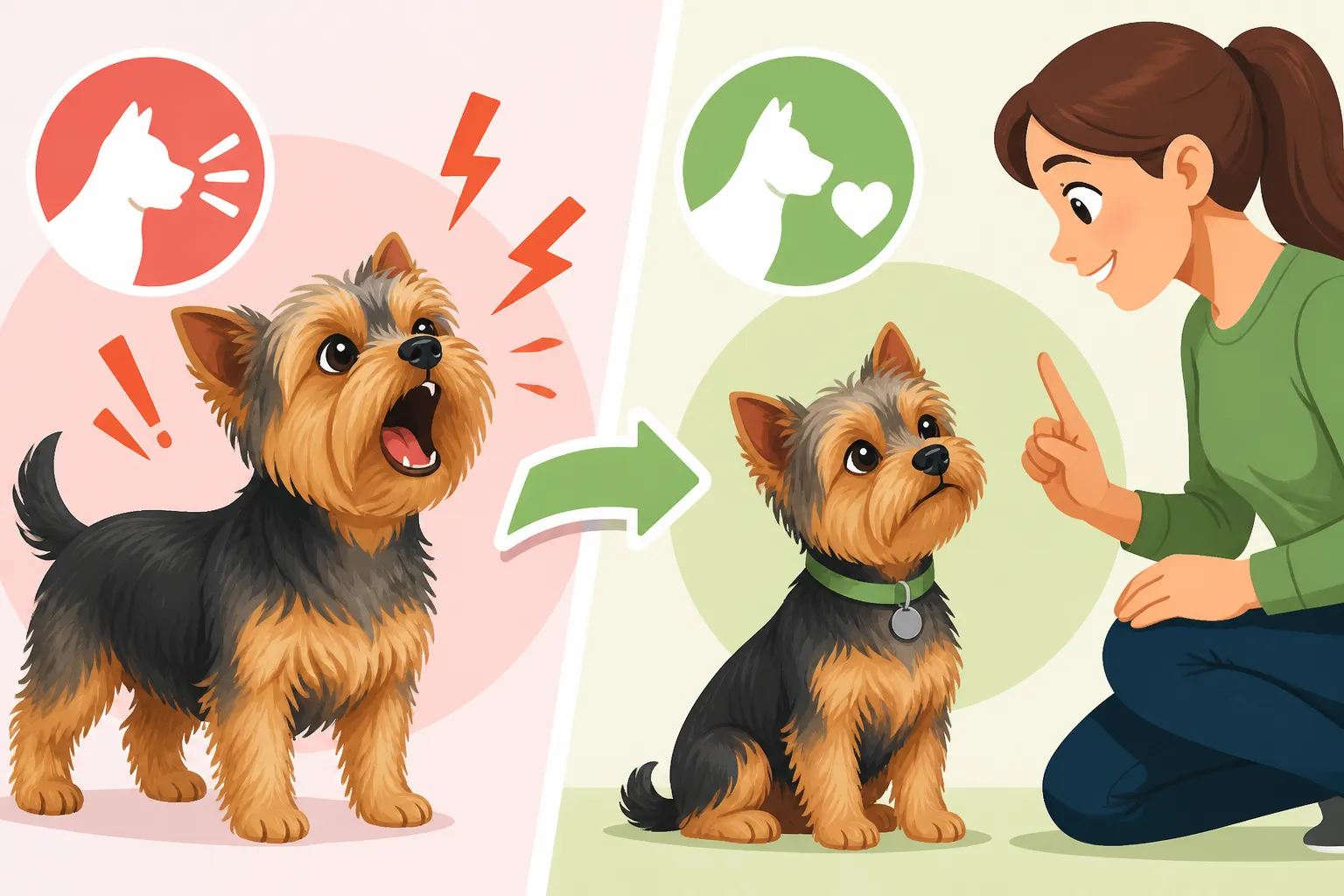
How to Reduce Yorkie Barking with Training
Oh, the infamous Yorkie bark! If you’re a Yorkshire Terrier parent, you know this sound well. It can be a cute little "yip" when they're excited, but it can quickly escalate into a persistent, high-pitched serenade that tries your patience (and your neighbors'). It’s truly frustrating when you love your tiny companion but their incessant vocalizations are creating tension in your home. This comprehensive guide is here to walk you through understanding why your little furball barks so much and, more importantly, equip you with practical, empathetic training strategies to reduce that excessive barking, bringing a little more peace and quiet back into your life.
Understanding Why Your Yorkie Barks Excessively
Before we can even think about tackling the barking itself, we’ve got to play detective. Why is your Yorkie barking? It’s rarely just for the fun of it, though it can certainly feel that way sometimes! Understanding the root cause is the first and most crucial step in effectively reducing the noise.
Alert Barking and Territoriality
Despite their small stature, Yorkies possess the heart of a much larger dog, often acting as fierce guardians of their domain. This is their natural terrier instinct kicking in, making them excellent, albeit sometimes overzealous, watchdogs. They are acutely aware of their surroundings and will often bark to alert you to anything they perceive as a potential threat or anomaly. This could be the mail carrier walking past, a squirrel dashing up a tree, a leaf blowing across the yard, or the dreaded doorbell.
For example, imagine your Yorkie, Fifi, hears the neighbor’s dog barking down the street. In her mind, she’s part of the neighborhood watch, and it’s her duty to respond, perhaps even to tell the other dog off! This territorial barking is especially common if they have a clear line of sight to a busy street from a window or a yard. It’s an inherent trait for many small terriers, and while it stems from a desire to protect you and your home, it can become incredibly annoying when every tiny stimulus triggers a full-blown barking frenzy. Their perception of "threat" can be very broad, encompassing almost anything new or moving in their vicinity.
Attention-Seeking and Demand Barking
Yorkies are incredibly smart and quick learners, and they also thrive on human interaction. This combination can sometimes lead to a challenging behavior: demand barking. If your Yorkie has discovered that barking effectively gets your attention, whether it's for food, a walk, a cuddle, or simply to play, they will use it. This is a classic case of positive reinforcement, even if the "reinforcement" from your perspective is just trying to make them stop!
Think about it: you’re on the couch, and your Yorkie, Charlie, starts yapping at you. You might sigh, pick him up, or offer a treat just to get a moment of silence. Bingo! Charlie just learned that barking leads to something good – your attention or a reward. This can escalate, as they learn to bark for increasingly trivial reasons, from wanting a toy you just put away to simply demanding your gaze when you’re on the phone. This type of barking is entirely learned, and it's a direct result of inadvertently teaching them that being vocal is an effective communication strategy.
Boredom, Loneliness, and Anxiety Barking
A bored Yorkie is a creative Yorkie, and often, that creativity manifests as barking. These intelligent little dogs need mental and physical stimulation to be truly happy and well-adjusted. If they’re not getting enough exercise, playtime, or interactive challenges, they can become restless and frustrated, leading to excessive barking as an outlet. They might bark at shadows, their own toys, or simply at nothing at all, just to relieve their pent-up energy.
Beyond boredom, loneliness and anxiety can also be huge drivers of vocalizations. Yorkies are companion dogs, and many develop strong attachments to their human families. If left alone for extended periods, or if they experience separation anxiety, they might bark constantly as a way to express distress, call for your return, or soothe themselves. This isn't naughty behavior; it's a sign they're struggling emotionally. You might notice this kind of barking is often accompanied by other signs of distress like pacing, destructive chewing, or inappropriate elimination. Learning how to identify and manage Yorkie Separation Anxiety: Signs and Fixes is critical in these situations.
Fear and Frustration-Related Barking
Sometimes, barking is a manifestation of deeper emotional states like fear or frustration. A Yorkie might bark at new or unfamiliar objects, people, or other animals because they are genuinely afraid. This "fear barking" is often accompanied by other body language cues like tucked tail, flattened ears, or attempts to retreat. They might be trying to make the scary thing go away by being loud and assertive.
Frustration barking, on the other hand, occurs when your Yorkie wants something but can't get it. This could be wanting to chase a cat outside while on a leash, wanting to greet another dog but being held back, or simply seeing a toy out of reach. The barking becomes an outlet for their annoyance and inability to achieve their goal. For instance, if you're taking your Yorkie for a walk and another dog passes by, your Yorkie might desperately want to interact but is restricted by the leash. This can quickly turn into a frustrated barking episode, which can be quite embarrassing when you are trying to enjoy a peaceful stroll in the park.
Laying the Foundation for Effective Barking Training
Before we dive into specific techniques to reduce barking, it’s crucial to set the stage for success. Think of it as preparing the canvas before you start painting. Without a solid foundation, any training efforts might just feel like band-aid solutions.
Establishing a Consistent Routine and Environment
One of the most powerful tools in managing any dog behavior, especially for a sensitive breed like a Yorkie, is predictability. A consistent daily routine provides a sense of security and reduces anxiety, which, as we’ve discussed, can be a major trigger for barking. This means establishing fixed times for feeding, potty breaks, playtime, walks, and rest. When your Yorkie knows what to expect and when, they are less likely to feel anxious or resort to barking out of uncertainty or boredom.
Consider their living environment too. Is it chaotic, or is there a designated calm space for them? Setting up a comfortable crate or a cozy bed in a quiet corner can give them a safe haven. If your Yorkie is prone to alert barking at everything outside, manage their access to windows. Use privacy film, blinds, or even strategically placed furniture to block their view of constant outdoor stimuli. A predictable, calm environment helps to preempt many barking scenarios by reducing overall stress and overstimulation. A well-structured day can significantly contribute to their emotional well-being and, consequently, their quietude.
Harnessing Positive Reinforcement
Yorkies respond beautifully to positive reinforcement. This means rewarding the behaviors you want to see, rather than punishing the ones you don't. Punishment, especially with a sensitive dog like a Yorkie, can lead to fear, anxiety, and a breakdown of trust, often exacerbating barking issues rather than solving them. Instead, focus on celebrating silence!
When training, high-value treats (tiny pieces of cooked chicken, cheese, or specialized training treats) are your best friends. The key is timing: you need to mark the desired behavior (silence, looking at you instead of barking) immediately as it happens, then follow with a reward. Clicker training can be incredibly effective here, as the click creates a precise "marker" for the exact moment they did something right, followed by a treat. This helps your Yorkie understand exactly what behavior earned them that reward. It’s all about making good choices rewarding and undesirable choices less fruitful.
Essential Training Tools and Supplies
Having the right tools can make your training journey smoother and more effective. You don't need a lot of fancy gadgets, but a few key items can significantly help in managing and redirecting your Yorkie's barking.
Firstly, a comfortable, well-fitting harness is absolutely crucial. For Yorkies, collars can put undue pressure on their delicate tracheas, which can lead to coughing or even contribute to conditions like tracheal collapse. A harness distributes pressure across their chest, making walks safer and more comfortable, allowing you to manage them without causing distress. If you’re curious to learn more about this, check out our guide on Why Harnesses Are Better Than Collars for Yorkies. You can find excellent options on platforms like Amazon, which offers a wide variety of styles and sizes specifically for small breeds.
Secondly, high-value training treats are indispensable for positive reinforcement. Look for small, soft, and flavorful treats that will really motivate your Yorkie. These are vital for teaching commands like "Quiet" and rewarding calm behavior.
Lastly, consider enrichment toys. Puzzle feeders, snuffle mats, or chew toys can keep your Yorkie mentally stimulated and busy, especially when you can't actively engage with them. A mentally tired dog is often a quiet dog! For a more structured approach, online training programs can be incredibly helpful. Platforms like BAXTER & Bella offer comprehensive, step-by-step guides and live support that cover everything from basic obedience to tackling specific behavioral issues like barking. Their approach focuses on positive reinforcement and building a strong bond, which is ideal for Yorkies. You'll find many useful insights on Best Treats for Training a Yorkie to ensure you're using the most effective rewards.
Step-by-Step Training Methods to Reduce Barking
Now that we understand the 'why' and have our foundation set, let's get into the practical, actionable strategies to reduce that excessive barking. These methods require consistency, patience, and a lot of positive reinforcement.
The "Quiet" Command and Desensitization
Teaching your Yorkie a "Quiet" command is perhaps the most direct way to tackle barking once it starts. The trick here is to teach it while they are barking, then reward the silence that follows.
How to Teach "Quiet":
- Provoke a Bark: Gently encourage your Yorkie to bark. You might do this by ringing the doorbell (if that's a trigger), knocking on a door, or having someone stand outside a window.
- Say "Quiet": As soon as they bark, clearly and calmly say "Quiet."
- Wait for a Pause: Wait for even a tiny pause in their barking. It might only be a second or two at first.
- Mark and Reward: The instant they are quiet, say "Yes!" or click your clicker, and immediately give them a high-value treat.
- Repeat and Practice: Continue this process, gradually increasing the duration of silence required before the reward. Eventually, your Yorkie will associate the "Quiet" command with stopping their barking and getting a treat.
Once they understand the command, you can start desensitization to specific triggers. This involves exposing your Yorkie to their barking triggers at a very low intensity and practicing the "Quiet" command. For example, if the doorbell is a major trigger, start by playing a recording of a doorbell sound at a very low volume. As your Yorkie remains quiet or stops barking on command, reward them. Slowly increase the volume over many sessions, always rewarding calmness or a quick "Quiet" response. This helps them learn to be less reactive to the stimulus. For a more detailed guide, consider our post on How to Teach a Yorkie to Quiet.
Managing Demand Barking and Attention-Seeking
This type of barking can be the most insidious because we often inadvertently reinforce it. The key to stopping demand barking is to consistently ignore it and reward quiet behavior.
- Ignore the Barking: This is crucial, but it's often the hardest part for us humans! When your Yorkie barks for attention (e.g., to be picked up, for a treat, or to play), turn your back, avoid eye contact, and do not speak to them. Walk away if you need to. They might increase their barking initially (this is called an "extinction burst" – they're trying harder because their usual method isn't working), but if you stay strong, it will subside.
- Reward Silence: The moment your Yorkie stops barking, even for a brief second, immediately praise them quietly or offer a calm treat. This teaches them that silence, not barking, gets them what they want.
- Pre-empt and Redirect: Instead of waiting for them to demand bark, try to anticipate their needs. If you know they usually bark for a walk around 5 PM, initiate the walk before they start barking. Offer a puzzle toy or engage in a quiet play session before they resort to vocalizing. This teaches them that good things happen without having to demand them. If you’re struggling with this, our article on How to Stop Yorkie Demand Barking offers more specific techniques.
Addressing Alarm and Territorial Barking
Alarm and territorial barking require a proactive approach to manage your Yorkie's environment and responses.
- Window Management: If your Yorkie barks at everything outside a window, limit their visual access. Use frosted window film, close blinds or curtains, or place furniture in front of the window to block their view. This removes the constant stream of triggers that fuel their watchdog instincts.
- Leash Training and Redirection: On walks, if your Yorkie barks at other dogs or people, work on teaching them to focus on you. When you see a potential trigger approaching, get their attention with a treat, and direct their focus to you. Reward them for looking at you calmly instead of barking. Practice this from a distance, gradually getting closer as they improve. Our guide on Why Does My Yorkie Keep Barking At Strangers dives deeper into specific scenarios for this.
- "Thank You for Barking" Method: For specific triggers like the doorbell, you can use a controlled approach. When the doorbell rings and your Yorkie barks, acknowledge their alert ("Thank you, Fido!"). Then, immediately redirect them to a specific spot (like their bed) with a "Go to your mat" command, and reward them when they settle there quietly. Only open the door after they are calm. This validates their alert but teaches them a more appropriate response. This is a great complement to strategies found in How to Stop a Yorkie from Barking At Strangers.
Combating Boredom and Anxiety with Enrichment
Many barking issues stem from an under-stimulated or anxious mind. Providing adequate physical and mental enrichment is paramount.
- Adequate Exercise: Don't let their small size fool you; Yorkies need daily exercise to burn off energy. Short, brisk walks (at least two a day) and interactive play sessions in a safe, enclosed area are essential. A tired Yorkie is less likely to bark out of restlessness. Consult Yorkshire Terrier Exercise Needs for more insights on appropriate activity levels.
- Mental Stimulation: This is often overlooked but incredibly important. Engage your Yorkie’s brain with puzzle toys, snuffle mats, or regular training sessions that teach new tricks. Even 10-15 minutes of dedicated mental work can be as tiring as a longer walk. Changing up their toys frequently also keeps things interesting. For creative ideas, check out Mental Stimulation Games for Yorkies.
- Consistent Schedule: Revisit the importance of a consistent daily routine. Predictability reduces anxiety. Ensure they have predictable times for eating, potty breaks, play, and rest. This structure can significantly reduce barking related to uncertainty or unmet needs.
| Barking Type | Primary Cause | Training Approach | Key Tools/Techniques |
|---|---|---|---|
| Alert/Territorial | Perceived threats, environmental triggers | Manage environment, teach "Quiet" command | Blinds, frosted film, desensitization, positive reinforcement |
| Attention-Seeking | Learned behavior, desire for interaction | Ignore barking, reward silence, pre-empt needs | Consistent non-response, high-value treats, structured attention |
| Boredom/Loneliness | Lack of stimulation, separation anxiety | Increase mental and physical enrichment, build comfort | Puzzle toys, longer walks, crate training, consistent routine |
| Fear/Frustration | Unfamiliar stimuli, restricted access to desire | Positive associations, gradual exposure, redirection | Safe spaces, desensitization, leash training, high-value treats |
When to Seek Professional Help
Even with the best intentions and consistent effort, some barking issues might feel insurmountable. It's completely normal to hit a wall, and sometimes, a little extra guidance is exactly what you and your Yorkie need.
Recognizing Persistent or Escalating Barking Issues
How do you know when it's time to call in the cavalry? If you've been diligently applying the training techniques outlined above for several weeks, and you're seeing little to no improvement, or if the barking seems to be getting worse, it's a strong indicator that a professional might be beneficial.
Other red flags include:
- Barking accompanied by aggression: If your Yorkie's barking is combined with growling, snapping, or lunging at people or other dogs, it's a safety concern that needs expert intervention.
- Self-harm or extreme distress: Excessive barking that leads to self-mutilation (like licking or chewing themselves raw), or signs of extreme anxiety such as constant pacing, shaking, or panting, points to a deeper issue that's beyond basic training.
- Disruption to your life: If the barking is severely impacting your quality of life, your relationships with neighbors, or your ability to enjoy your dog, then it’s time to get help. This is not a failure on your part, but simply an acknowledgment that some behavioral challenges require specialized knowledge. Perhaps you've made some Yorkie Training Mistakes to Avoid inadvertently, and a fresh pair of eyes can help.
The Benefits of a Certified Professional Dog Trainer
A professional dog trainer, particularly one certified in positive reinforcement methods and experienced with small breeds like Yorkies, can be an invaluable resource. They bring an objective perspective and a wealth of knowledge to the table.
Here's how they can help:
- Accurate Diagnosis: A good trainer can observe your Yorkie's behavior in your home environment and accurately diagnose the underlying cause of the barking. They can often spot nuances that an owner might miss.
- Tailored Training Plan: They won't offer a one-size-fits-all solution. Instead, they'll develop a customized training plan specifically designed for your Yorkie's personality, triggers, and your family's lifestyle. This might include specific desensitization protocols, behavior modification exercises, or enrichment strategies you hadn't considered.
- Hands-on Guidance: A trainer can demonstrate techniques in person, guiding you through the steps and providing immediate feedback. This hands-on support is incredibly helpful for mastering timing and technique.
- Support and Accountability: Having a professional to consult with, ask questions, and hold you accountable can make a huge difference in staying consistent and motivated.
When looking for a trainer, seek out those with certifications from reputable organizations and ask for references. Avoid trainers who advocate for harsh corrections, shock collars, or dominance-based methods, as these can be detrimental to your Yorkie's well-being and worsen fear-based behaviors. Choosing the right professional, much like choosing a vet, is about finding someone who aligns with humane and effective practices.
Disclaimer:
The information provided in this article is for general informational purposes only and is not a substitute for professional veterinary advice. Always consult with a qualified veterinarian or certified professional dog trainer for any health concerns or before making any decisions about your pet's health or training.