How to Train an Older Rescue Yorkie
Bringing an older rescue Yorkshire Terrier into your home is one of the most heartwarming and selfless things you can do, but let's be real – it often comes with a unique set of challenges that can leave new owners feeling overwhelmed and a little lost. These tiny pups often carry baggage from their past, whether it’s a history of neglect, inconsistent training, or simply an unfamiliar routine, which means their training journey will look very different from that of a puppy. This guide will walk you through building trust, establishing routines, and effectively training an older rescue Yorkie with patience, understanding, and realistic expectations.
Understanding the Unique Journey of an Older Rescue Yorkie
When you open your heart and home to an older rescue Yorkie, you're not just getting a dog; you're adopting a lifetime of experiences, some wonderful, some likely traumatic. Unlike a puppy whose slate is relatively clean, an older dog arrives with established habits, fears, and a history you might never fully know. This makes their training journey less about teaching from scratch and more about understanding, re-directing, and patiently building new associations.
The Unwritten History Your Yorkie Carries
Imagine stepping into a completely new life, new rules, new people, and speaking a language you only partially understand. That's often what it's like for a rescue Yorkie. They might come from a crowded shelter environment, a previous home where they were ignored, or even a situation where they experienced abuse. This history, whether known or unknown, profoundly shapes their behavior. For instance, a Yorkie who was constantly crated in their past might develop a strong aversion to confinement, making How to Crate Train a Yorkie a delicate process. Alternatively, one who was never house-trained might struggle significantly with potty training, demanding extra patience and consistency. Understanding that their past influences their present reactions is the first step toward effective training.
Common Behavioral Patterns in Rescue Dogs
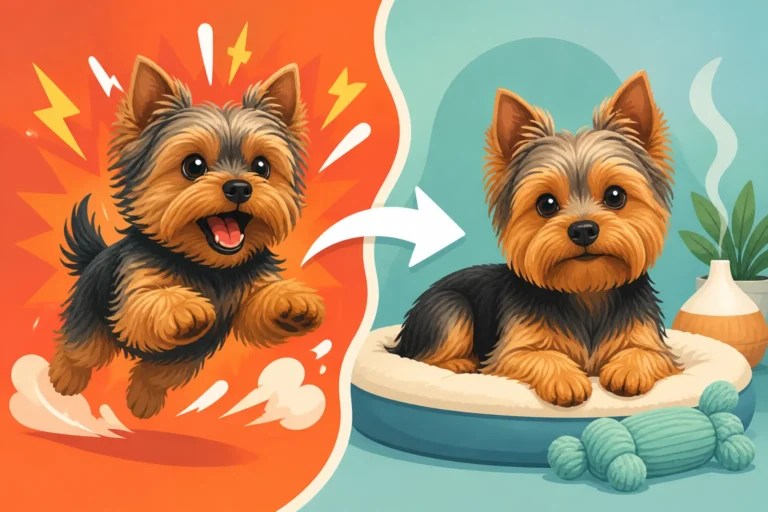
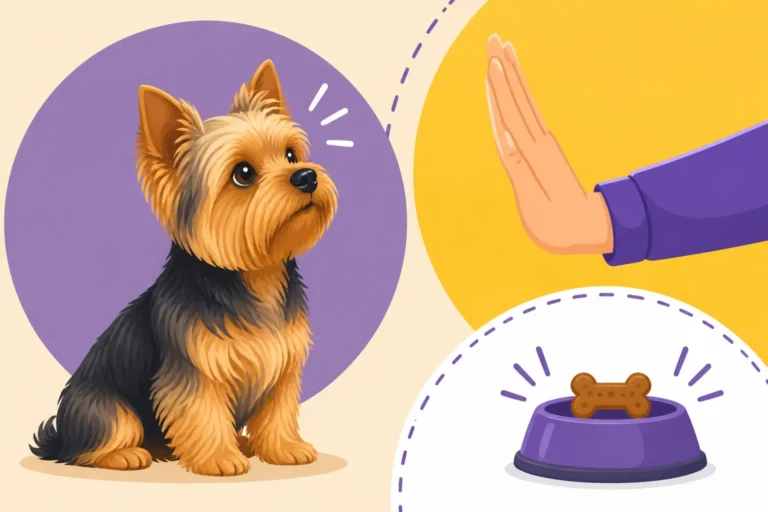
Older rescue Yorkies often exhibit a range of behaviors stemming from their past. Many develop what's often called "small dog syndrome," where they might bark excessively at larger dogs or new people due to fear or a lack of socialization. Others might display separation anxiety because they've been abandoned before and fear being left alone again. You might even encounter resource guarding, where they become possessive over food, toys, or even their bed, a behavior often rooted in insecurity or scarcity in their previous life. These aren't necessarily "bad" behaviors, but rather coping mechanisms they've developed. For specific guidance on common issues, our guide on Yorkshire Terrier Behavior Problems and Solutions offers a deeper dive into understanding these patterns. Your role is to become a consistent, loving, and predictable presence, showing them that their world is now safe and secure.
Laying the Foundation: Building Trust and Establishing Routine
Training an older rescue Yorkie isn't about dominance or force; it's fundamentally about building a bond of trust. Without trust, your Yorkie will be hesitant to learn, and any progress you make will be fragile. Consistency in routine and positive reinforcement are your most powerful tools.
Creating a Safe Haven and Predictable Schedule
One of the most crucial things you can do for your rescue Yorkie is to establish a predictable, consistent routine from day one. This provides a sense of security and helps them understand what to expect. Think of it as painting the framework of their new life. A safe, comfortable space, like a cozy dog bed or a soft blanket-lined crate purchased from Amazon, gives them a retreat when they feel overwhelmed. They need to know when they'll eat, when they'll go out to potty, when playtime is, and when it's time to rest. A regular feeding schedule, perhaps twice a day, and consistent potty breaks (every 2-4 hours initially, especially after waking, eating, and playing) are non-negotiable.
Here’s a sample daily routine to consider:
| Time | Activity | Purpose |
|---|---|---|
| 7:00 AM | Wake up, immediate potty break | Reinforce house training |
| 7:15 AM | Breakfast | Predictable feeding |
| 7:30 AM | Potty break, short walk/playtime | Exercise, elimination, bonding |
| 10:00 AM | Potty break | Prevent accidents |
| 12:00 PM | Short play, potty break | Mental stimulation, elimination |
| 3:00 PM | Potty break, light cuddle/grooming | Bonding, basic hygiene |
| 5:30 PM | Dinner | Predictable feeding |
| 6:00 PM | Potty break, longer walk/playtime | Exercise, elimination, mental enrichment |
| 9:00 PM | Last potty break before bed | Prevent nighttime accidents |
| 9:30 PM onwards | Wind-down, quiet time, bedtime | Promote rest and calm |
This structure helps them learn faster and reduces anxiety, because they know what’s coming next. For more on structuring their day, our guide on Yorkshire Terrier Daily Care Routine offers excellent insights.
The Power of Positive Reinforcement
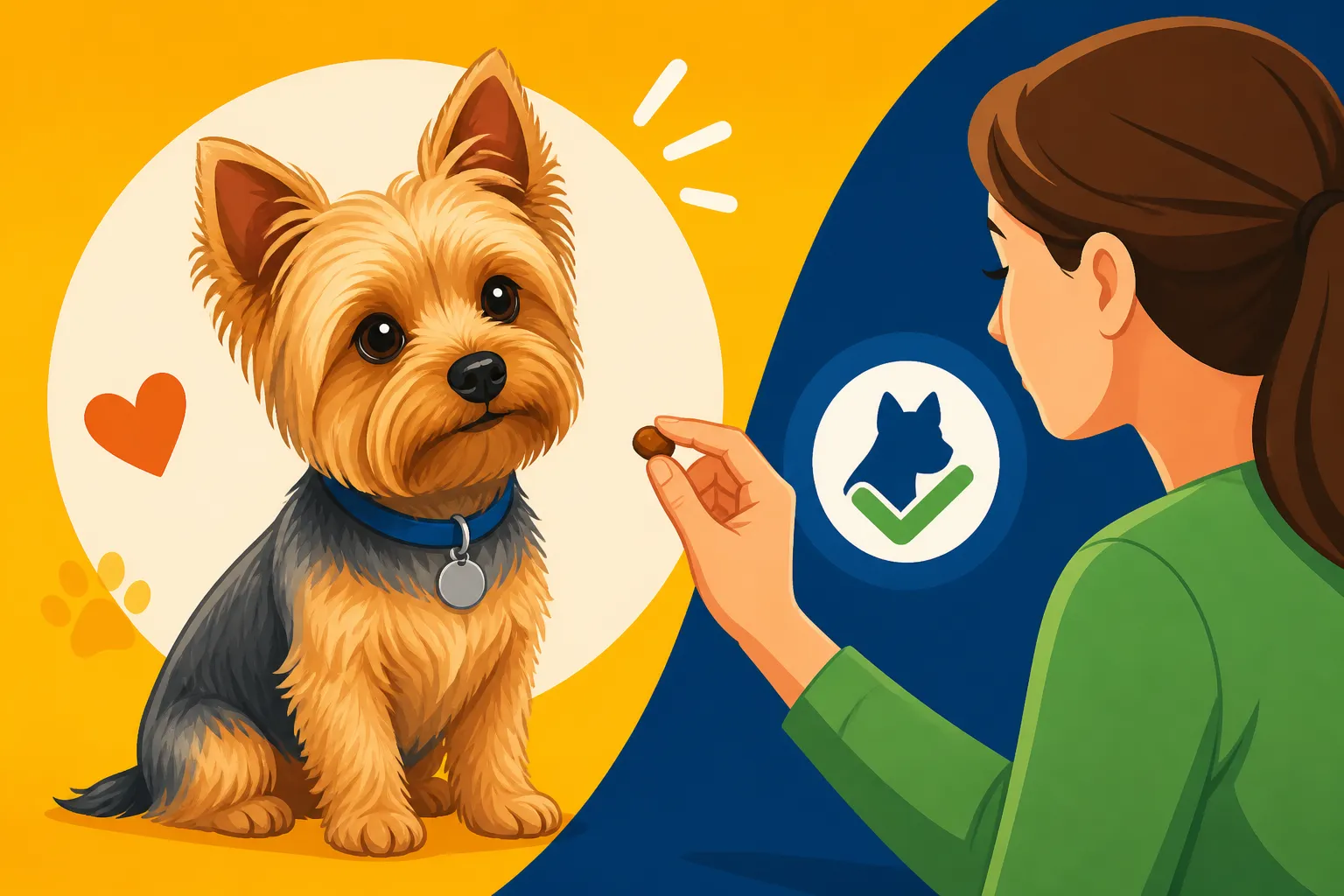
Positive reinforcement is the cornerstone of effective training for any dog, but it's especially vital for rescue Yorkies who may have had negative experiences. This means rewarding desired behaviors with high-value treats, praise, or gentle petting. If your Yorkie potties outside, immediately shower them with praise and a tasty treat. If they calmly sit when you enter the room, reward that calmness. Avoid punishment or harsh corrections, as these can easily re-traumatize a rescue dog and erode the trust you're working so hard to build. They need to associate you and their new home with positive experiences, not fear. Tools like clicker training, which pairs a distinct sound with a reward, can be incredibly effective for clear communication and rapid learning. You can find excellent clickers and a variety of Best Treats for Training a Yorkie on Amazon or at your local pet store.
Addressing Common Behavioral Issues in Older Rescue Yorkies
Once trust is established and a routine is in place, you can start gently addressing specific behaviors. Remember, progress might be slow, and setbacks are a normal part of the process.
Navigating Potty Training Challenges
Potty training is often one of the biggest hurdles with older rescue Yorkies. They might have been kept in conditions where they had no choice but to eliminate in their living space, or they simply weren't taught proper etiquette. The key here is consistency, supervision, and accident prevention. Take them out frequently, always to the same spot, and use a consistent cue word like "potty" or "go pee." Reward them lavishly every single time they go outside. If you catch them having an accident inside, interrupt them gently (a clap, a soft "uh-oh"), and immediately take them outside. Clean indoor accidents thoroughly with an enzymatic cleaner to eliminate odors that might attract them back to the same spot. For dedicated advice, refer to our Yorkshire Terrier Potty Training Guide.
Crate training, if introduced positively, can be a great aid for potty training, as dogs are naturally inclined not to soil their sleeping area. However, if your rescue Yorkie shows extreme anxiety or fear of the crate, it's best to consult with a professional trainer before proceeding, or focus on other methods.
Managing Separation Anxiety
Many rescue Yorkies, having experienced abandonment, can develop severe separation anxiety. This can manifest as excessive barking, destructive chewing, inappropriate urination, or even self-harm when left alone. The core of addressing separation anxiety is to gradually increase the time they spend alone, building their confidence that you will return. Start with very short durations – seconds, then minutes – practicing departures and arrivals that are calm and uneventful. Avoid big goodbyes or excited hellos, as these can heighten their anxiety.
Provide engaging puzzle toys filled with treats before you leave, giving them a positive distraction. Some owners find calming diffusers or special supplements helpful. For a comprehensive approach, our article on Yorkshire Terrier Separation Anxiety Solutions provides detailed strategies and insights. Consistency is paramount, and it's a marathon, not a sprint. Consider exploring online training resources like BAXTER & Bella, which often have modules dedicated to building confidence and independence in dogs, offering a structured approach to tackle separation issues.
Addressing Nipping, Barking, and Fear-Based Behaviors
Yorkies, despite their small size, are terriers at heart, which means they can be vocal and sometimes prone to nipping, especially if they are fearful or haven't been socialized properly. Excessive barking, whether at the doorbell, strangers, or other dogs, often stems from insecurity or a desire to protect their perceived territory. Nipping, particularly in an older rescue, can be a sign of pain, fear, or a lack of bite inhibition training in their youth.
For barking, identify the trigger. Is it the mailman? Other dogs on walks? Then, practice desensitization and counter-conditioning. For example, when the mailman approaches, give your Yorkie a high-value treat before they start barking, associating the trigger with something positive. For nipping, never punish. Instead, redirect their attention to a chew toy. If they nip too hard during play, yelp (like a puppy would) and disengage for a few seconds. This teaches them that hard bites end the fun. If you suspect fear is the root cause, gentle socialization, controlled exposure to new sights and sounds, and building positive associations are key. Our guide on Yorkie Aggression: Causes and Solutions can offer further strategies for these challenging behaviors.
Advanced Training and Maintaining Progress
Once your older rescue Yorkie has settled in and learned some basic manners, you can continue to build on their training and enrich their lives. Every new skill they learn not only makes them a better-behaved companion but also strengthens your bond and boosts their confidence.
Teaching New Commands and Tricks
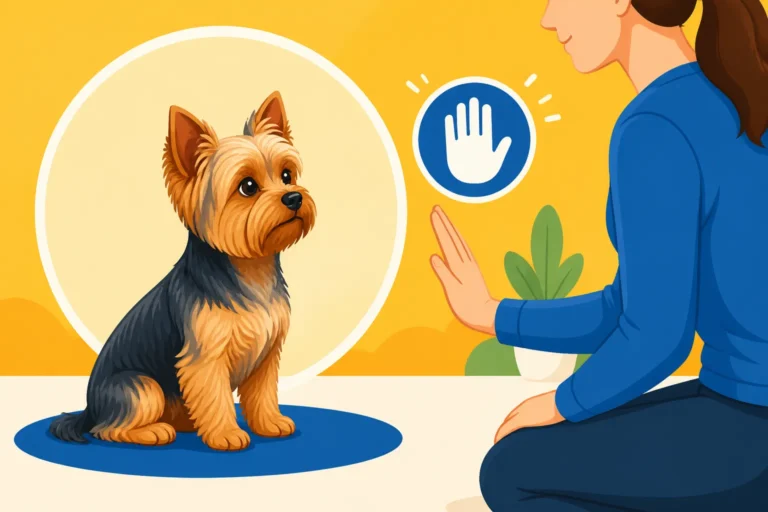
Don't let your Yorkie's age deter you from teaching them new things! Older dogs are absolutely capable of learning. In fact, mental stimulation is just as important as physical exercise for keeping their minds sharp and preventing boredom. Start with simple commands like "sit," "stay," "come," and "down." Use clear, consistent verbal cues and hand signals, always following with positive reinforcement. Your Yorkie might respond slower than a puppy, but with patience, they will get there. You can even teach them fun tricks like "shake a paw" or "spin." The joy you'll see in their eyes when they figure out a new command and earn a treat is truly priceless. Online training platforms, like those offered by BAXTER & Bella, can provide structured lessons and support for teaching new commands, often with video demonstrations that are easy to follow at your own pace.
Continuing Socialization and Exposure
Socialization isn't just for puppies; it's a lifelong process, especially crucial for a rescue Yorkie who might have missed out on early positive experiences. Continue to expose your Yorkie to new, positive experiences in a controlled and safe manner. This could mean short, positive encounters with calm, vaccinated dogs, or meeting new people one-on-one. Always keep these interactions positive and short, ending on a good note. Watch their body language closely – if they show signs of stress (tail tucked, yawning, lip licking, trying to hide), remove them from the situation immediately. A comfortable, well-fitting harness, readily available on Amazon or at your local pet store, can make walks safer and more enjoyable, giving you better control and reducing pressure on their delicate trachea. Our post on How to Socialize a Yorkshire Terrier provides more excellent advice for expanding their world gently and positively.
Celebrating Small Wins and Long-Term Consistency
Training an older rescue Yorkie is a journey of many small steps, not one giant leap. There will be days of incredible progress and days where it feels like you've taken ten steps back. The most important thing is to celebrate every tiny victory – a successful potty break, a moment of calm when a stranger walks by, a night without separation anxiety symptoms. These small wins build momentum and reinforce your own commitment. Consistency, above all, is the magic ingredient. Stick to your routines, remain patient, and continue with positive reinforcement. Your older rescue Yorkie has already endured so much, and your unwavering love and consistent effort will help them blossom into the confident, happy companion they were always meant to be. Remember, their age simply means they've had more time to perfect their habits, both good and bad, but it certainly doesn't mean they can't learn and thrive in their forever home.
Disclaimer
The information provided in this article is for general informational purposes only and is not a substitute for professional veterinary advice, diagnosis, or treatment. Always seek the advice of your veterinarian or other qualified health provider with any questions you may have regarding a medical condition or the health and welfare of your pet.