How to Introduce a New Yorkie Puppy to a Resident Dog
Bringing a new Yorkie puppy into a home where a resident dog already reigns supreme can feel like navigating a minefield. You're probably buzzing with excitement for your new fluffy family member, but also wrestling with a healthy dose of anxiety about how your current canine companion will react. It’s a completely valid concern; the harmony of your household rests on this delicate introduction. This comprehensive guide is here to walk you through every step, helping you introduce your new Yorkshire Terrier puppy to your resident dog as smoothly and stress-free as possible, setting the stage for a loving, multi-dog household.
Understanding the Resident Dog's Perspective
Imagine someone suddenly moving into your house, taking up space, and demanding attention that used to be solely yours. That's often how a resident dog perceives a new puppy, especially a tiny, energetic creature like a Yorkie. Their world, which was predictable and comfortable, is suddenly turned upside down, and it's totally normal for them to experience a range of emotions from curiosity to confusion, and even jealousy or fear. Acknowledging these potential feelings in your resident dog is the first crucial step in orchestrating a successful introduction.
The Dynamics of Displacement and Jealousy
Your resident dog has established routines, preferred sleeping spots, favorite toys, and, most importantly, a clear understanding of their relationship with you. A new puppy, regardless of how adorable, can be seen as an intruder. This can manifest as displacement, where your dog feels their "spot" in the family hierarchy is being threatened. They might become clingier, act out with behaviors they previously didn't exhibit, or even withdraw. It's not about being a "bad" dog; it's about feeling insecure and trying to understand their new role. It's vital during this period to assure your resident dog that their position in the family is secure and loved. Don't let the excitement of the new puppy overshadow the established bond you have with your current companion.
Common Reactions and Body Language Cues
Dogs communicate largely through body language, and it's essential to become a fluent interpreter during this sensitive time. A resident dog might show disinterest, which isn't always negative; sometimes, it's just them processing the new addition. Other reactions can include growling, a stiff posture, baring teeth, or snapping, which are clear signs of discomfort or aggression. On the flip side, some dogs might tuck their tail, try to hide, or excessively lick their lips, indicating fear or anxiety. Pacing, panting, or yawning excessively can also be stress signals. Conversely, a relaxed dog might have a loose body, wagging tail (not stiff!), and soft eyes, perhaps offering play bows or gentle nudges. Always be on the lookout for these cues, as they are your dog's way of telling you how they truly feel about the new Yorkie puppy. Ignoring these signals can escalate a tense situation, so pay close attention and be ready to intervene calmly and redirect.
Preparation is Key: Setting the Stage for Success
Before your adorable Yorkshire Terrier puppy even steps paw inside your home, a significant amount of preparation can dramatically increase the chances of a smooth introduction. Think of it as laying the groundwork for a positive, lasting relationship between your two dogs. Rushing this stage often leads to unnecessary stress and potential behavioral issues down the line.
Pre-Arrival Preparations and Health Checks
First and foremost, ensure both dogs are in tip-top health. Schedule a vet visit for your new Yorkie puppy, if possible, even before bringing them home, to confirm they are free of parasites and have started their necessary vaccinations. Similarly, ensure your resident dog is up-to-date on their vaccinations and deworming. You don’t want to introduce any unforeseen health issues into your household.
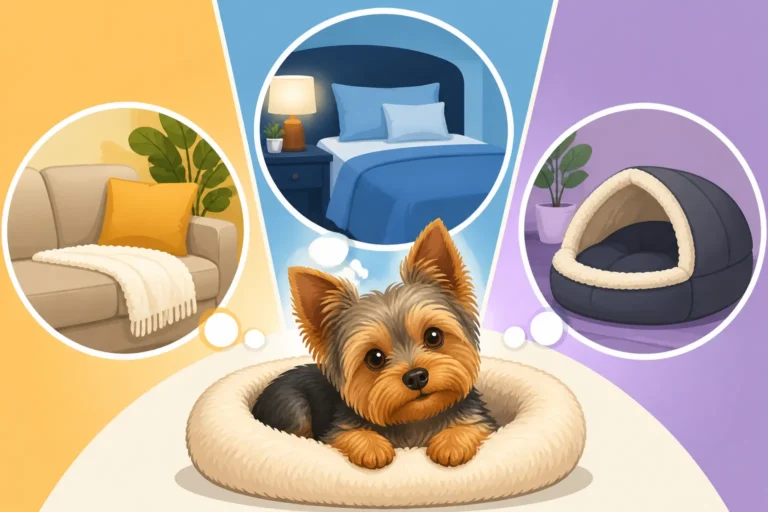
Next, create separate spaces for your new Yorkie puppy and your resident dog. This isn't just about physical boundaries; it's about giving each dog a safe haven where they can retreat and feel secure. This means having separate food bowls, water bowls, beds, crates, and toys. You might want to pick up some adorable new items for your Yorkie puppy on places like Amazon, but remember to have extras for your resident dog too, so they don't feel left out. A great trick is "scent swapping" a few days before the puppy arrives. Take a blanket or toy that smells like the puppy and let your resident dog sniff it from a distance. Do the same with your resident dog's scent for the puppy. This allows them to become familiar with each other's presence without the pressure of a face-to-face meeting. It helps desensitize them to the new smell and reduces the shock of a sudden introduction.
Puppy-Proofing and Safety First
Yorkshire Terriers are small, typically weighing under seven pounds when fully grown, making a new Yorkie puppy incredibly delicate. This means that even a playful nudge from a larger resident dog could accidentally cause harm. Puppy-proofing your home goes beyond just tucking away electrical cords; it means creating physical barriers and safe zones. Invest in sturdy baby gates to block off areas of your home, allowing the puppy and resident dog to see and smell each other without direct physical contact. A playpen is another fantastic investment, giving your Yorkie puppy a secure area to play and rest without your resident dog having constant access. This supervised separation is crucial, especially in the early days, preventing any accidental roughhousing or potential intimidation from the larger dog. Remember, even the most well-meaning resident dog might not understand how fragile a tiny Yorkie puppy is.
The Initial Introduction: Controlled Encounters
The first physical meeting between your new Yorkie puppy and your resident dog is paramount. It sets the tone for their future relationship, so it needs to be carefully orchestrated and stress-free. Avoid simply opening the door and letting chaos ensue; this is a recipe for disaster.
Neutral Territory First
The golden rule for initial introductions is to do it on neutral territory. This means a place where neither dog feels possessive or territorial. A local park, a quiet street you don't usually walk, or even a friend's fenced yard can work. The key is to remove the "this is my home" mentality from the resident dog. Both dogs should be on leashes, handled by separate, calm adults. The leashes are not for pulling or forcing interaction, but for maintaining control and ensuring safety.
Start by walking the dogs parallel to each other at a distance where they acknowledge each other but don't feel overwhelmed. Gradually, as they show calm curiosity, you can decrease the distance. Observe their body language keenly. Look for relaxed postures, sniffing, and perhaps a loose wag of the tail. Avoid nose-to-nose greetings right away, as this can be too intense. Instead, let them sniff each other from the side or rear. Keep the initial meeting short, positive, and end it before either dog shows signs of stress or over-excitement. The goal is a positive first impression, not prolonged interaction. If one dog is trying to retreat or showing signs of discomfort, calmly separate them and try again later, perhaps at an even greater distance.
Home Introduction with Barriers
After a successful neutral territory meeting, you can move the introduction indoors, but still with barriers. This is where your baby gates and playpens come in handy. Allow your Yorkie puppy to explore one area of the house (perhaps with the resident dog in another room initially, or behind a baby gate). This allows them to get used to the sounds and smells of each other in the house without direct contact.
Once both dogs seem comfortable with each other's presence, you can allow them to be in the same room, separated by a baby gate. This enables them to see each other, sniff each other through the gate, and gradually acclimate to proximity. During this stage, make sure to give plenty of positive reinforcement to both dogs. When they are calm, offer treats and praise. You can even engage them in separate, quiet activities on either side of the gate, like chewing on a favorite toy. Keep these barrier-based interactions short at first, increasing the duration as they show comfort. This slow, controlled process helps prevent any negative associations with the new puppy. You're building a foundation of calm acceptance, one positive interaction at a time. It’s a bit like a controlled experiment, but with much more wagging and sniffing! This is also a good time to revisit basic commands, perhaps using some delicious Best Treats for Training a Yorkie to reinforce good behavior.
Building a Bond: Gradual Integration
Once the initial introductions have gone well, the next phase is fostering a true friendship between your new Yorkie puppy and your resident dog. This requires continued patience, supervision, and a consistent strategy for positive reinforcement. Remember, a bond takes time to form, just like any good relationship.
Supervised Interactions and Playtime
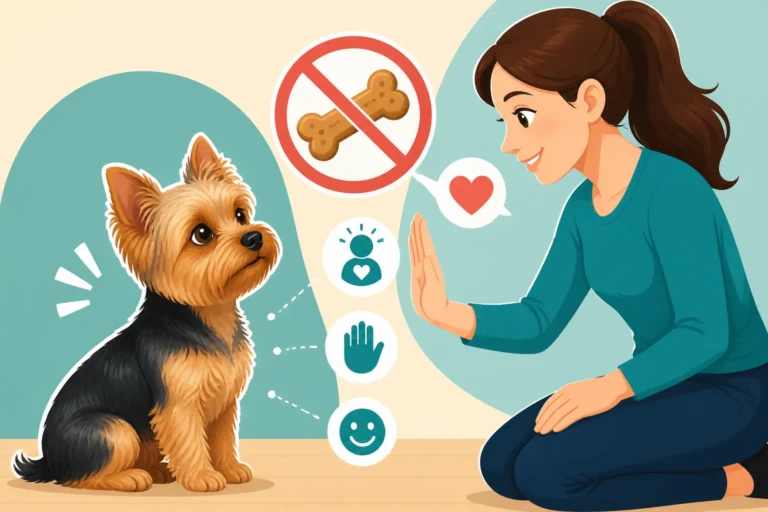
When you begin to allow the dogs to interact directly without barriers, supervision is paramount. These initial off-leash interactions should be short, controlled, and in a quiet environment free from distractions. Watch their body language like a hawk. If play becomes too rough or one dog seems stressed, intervene calmly by separating them, not scolding them. Use a cheerful voice and redirect their attention. For instance, if your resident dog is getting a bit too boisterous, calmly lead them away for a few minutes of quiet time with you, or offer them a puzzle toy.
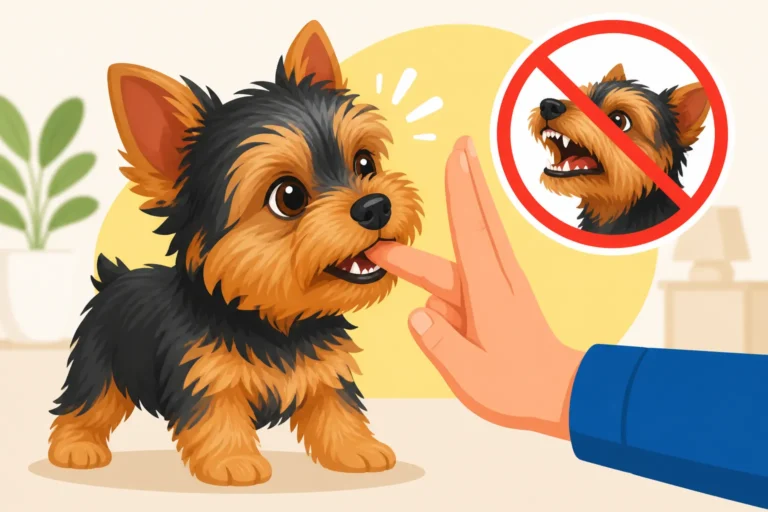
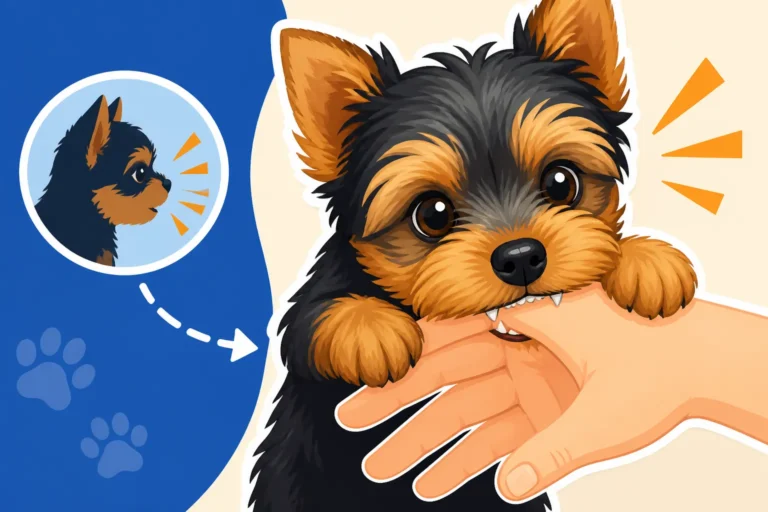
It's crucial to teach both dogs appropriate play behavior. For a tiny Yorkie puppy, an enthusiastic older dog might seem like a giant. Make sure the resident dog understands that gentle play is required. You can use commands like "easy" or "gentle" and reward them heavily when they comply. On the other hand, the Yorkie puppy also needs to learn boundaries. If they are nipping too much, a quick "ouch" and withdrawal of play can teach them that biting means the fun stops. Consider exploring resources on Yorkie Puppy Biting Phase Explained for more tips on managing puppy nipping. You might also want to enroll both dogs in a training program, or utilize online resources like those offered by BAXTER & Bella, which can provide structured guidance on positive interactions and obedience.
Shared Activities and Positive Reinforcement
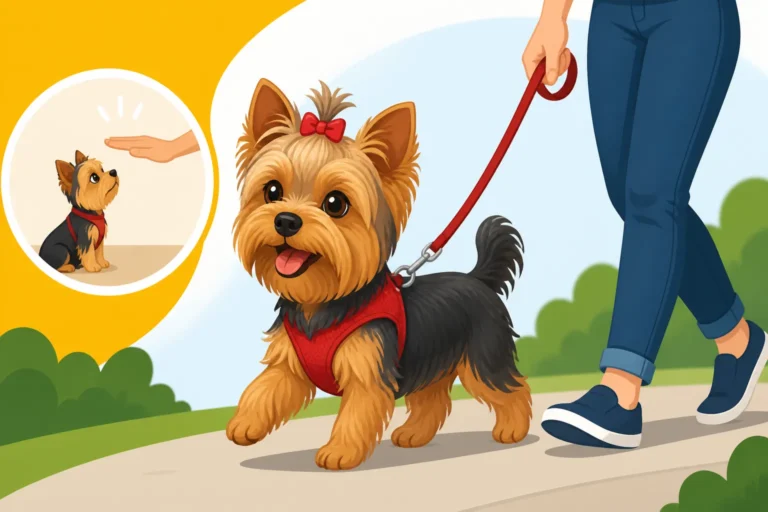
Shared positive experiences are the building blocks of a strong bond. Start taking your dogs on walks together. Ensure both are comfortable on their leashes before doing this, perhaps reviewing How to Train a Yorkshire Terrier basics. Walking side-by-side, even if initially at a distance, helps them associate each other with positive outdoor experiences. Always maintain separate leashes for control.
Feeding time can be a potential flashpoint for resource guarding, so it’s best to feed them separately, in their own bowls, at a safe distance from each other, or even in different rooms. Gradually, as they become more comfortable, you can move their bowls closer, but always maintain enough space to prevent tension. Always make sure to give your resident dog their meal first to reinforce their established status.
Engage them in training sessions, first individually, then together. This helps them learn to focus on you even with the other dog present. Reward calm behavior when they are near each other. If your resident dog lies quietly while the puppy plays nearby, offer a treat and praise. If your Yorkie puppy is calm and not overly rambunctious, reward them too. Remember, consistency is key in reinforcing the behaviors you want to see. This consistent reinforcement of positive behaviors is critical for any dog, and you can find more detailed advice in guides like Positive Reinforcement Training for Yorkies.
Managing Resources and Preventing Guarding
Resource guarding is a common issue when a new pet enters the home. This includes food, toys, sleeping spots, and even your attention. To prevent this, always provide ample resources for both dogs. If one dog has a high-value chew toy, ensure the other dog has an equally appealing one, and ideally, keep them in separate areas while they enjoy them. Never leave high-value items unattended where a conflict could arise. This also applies to treats; distribute them fairly and separately.
It's also essential to give both dogs individual attention every day. Your resident dog needs to know they haven't been replaced. Spend quality one-on-one time with them, whether it's a cuddle session, a game of fetch, or a solo walk. This reassures them of your bond and helps prevent jealousy. The same goes for your new Yorkie puppy, who needs dedicated training and bonding time with you. A well-socialized Yorkie puppy who feels secure is less likely to challenge an older dog.
Troubleshooting Common Challenges
Even with the best intentions and preparations, introducing a new Yorkie puppy to a resident dog can sometimes hit a few bumps in the road. It's important to recognize these challenges and know how to address them effectively, potentially preventing them from escalating into more serious issues.
Addressing Aggression or Fear
If you observe signs of true aggression from your resident dog—such as growling, snarling, snapping, or stiff body language with hackles raised—or extreme fear from either dog, it's a red flag. Mild growling or a warning snap from the resident dog can sometimes be a normal communication, indicating "back off," but consistent or escalating aggression is serious. Similarly, if your Yorkie puppy is constantly trying to hide, trembling, or yelping without being physically hurt, they might be genuinely fearful.
In these situations, immediately and calmly separate the dogs. Do not punish the dog for growling or snapping; this can suppress the warning signs, making future aggressive acts more unpredictable. Instead, go back to square one with barrier introductions, or even reintroduce scent swapping. If aggression persists or fear is extreme, it's time to call in a professional. A certified dog trainer or a veterinary behaviorist can assess the specific dynamics in your home and provide tailored guidance. They can help you understand the root cause of the behavior and develop a safe and effective modification plan. Learning about Yorkie Aggression: Causes and Solutions might also offer additional insights into potential triggers specific to the breed.
Dealing with Ignoring or Apathy
Sometimes, the resident dog might simply ignore the new Yorkie puppy. While this might seem less dramatic than aggression, it can still be frustrating for owners hoping for a harmonious relationship. In most cases, ignoring is a neutral reaction, and it's generally better than conflict. The resident dog might just be deciding that the puppy isn't worth their attention, or they may be a bit overwhelmed and need time.
If your resident dog is ignoring the puppy, don't force interaction. Instead, continue to facilitate positive, low-pressure encounters. You can try engaging both dogs in a shared, calm activity where they are in the same room but focused on separate things, like individual chew toys or a training session with you. The key is to make their presence together a positive experience, without demanding direct interaction. Over time, as the Yorkie puppy matures and their personalities develop, the resident dog might warm up to them. If the ignoring seems to stem from a deeper apathy or a lack of engagement from the resident dog in general, ensure they are still getting plenty of individual exercise and mental stimulation.
Preventing Accidents and Ensuring Safety
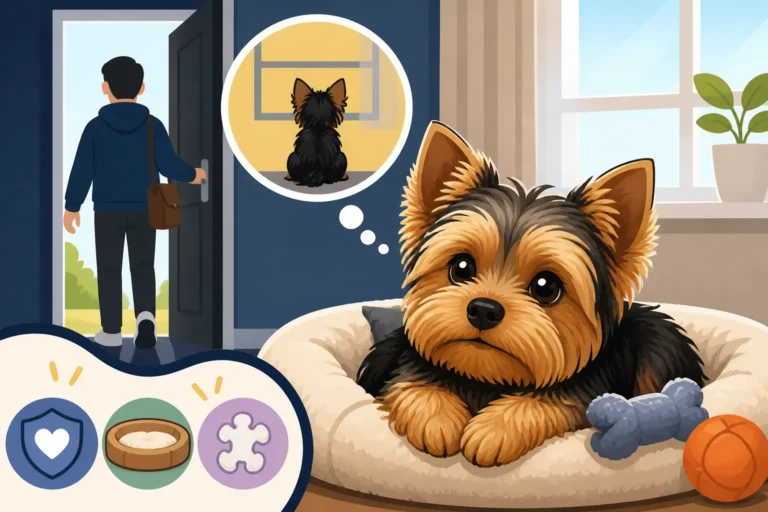
Given the size disparity between a tiny Yorkie puppy and many resident dogs, preventing accidental injuries is paramount. Always supervise interactions, especially during playtime. Never leave the Yorkie puppy and the resident dog unattended until you are 100% confident in their relationship and interaction patterns. This means using crates, playpens, or separate rooms when you can't actively supervise them, such as when you leave the house or overnight.
Teach your resident dog a "leave it" command, which can be invaluable if they get too curious or rough with the puppy. Also, ensure the Yorkie puppy has easy access to safe zones, like their playpen or a raised dog bed that the resident dog cannot easily reach. This allows the puppy to escape and feel secure if they ever feel overwhelmed. Consistency in supervision and safety measures will protect your little Yorkie and help them grow into a confident, well-adjusted member of your pack. It might also be beneficial to consider Why Harnesses Are Better Than Collars for Yorkies to ensure your small puppy is secure and comfortable during walks and supervised outdoor interactions.
Here's a quick reference checklist to help you navigate the introduction process:
| Phase | Key Actions | Notes |
|---|---|---|
| Pre-Arrival | Vet checks for both dogs, vaccinations updated. | Essential for health & safety. |
| Acquire separate supplies: bowls, beds, toys, crates. | Prevent resource guarding and give each dog personal space. | |
| Scent swapping for a few days. | Helps dogs acclimate to each other's smell. | |
| Puppy-proof home, set up baby gates & playpen. | Crucial for the tiny Yorkie puppy's safety. Consider good quality gates from Amazon. | |
| Initial Meeting | Neutral territory, both dogs on leash with separate handlers. | Removes territorial stress; ensures control. Keep it short and positive. |
| Observe body language closely. | Look for relaxed postures, avoid tension. | |
| Barrier introductions at home (baby gate). | Allows visual and scent acclimation without direct contact. Reward calm behavior. | |
| Building Bonds | Supervised direct interactions, short and positive. | Gradually increase time as comfort grows. Intervene if play is too rough. |
| Joint walks, separate feeding (initially). | Positive shared experiences; prevent feeding conflicts. | |
| Individual and joint training sessions. | Reinforce good behavior; teach polite interactions. BAXTER & Bella offers great programs for this. | |
| Continue individual attention for resident dog. | Reassures resident dog of their place in the family. | |
| Troubleshooting | Identify signs of aggression or extreme fear. | Separate dogs immediately. Consult a professional trainer/behaviorist if issues persist. |
| Manage resource guarding carefully. | Provide ample, separate resources. | |
| Never leave unattended until trust is established. | The most important safety rule, especially with a tiny Yorkie puppy. |
Introducing a new Yorkie puppy to a resident dog is a journey, not a single event. There will be ups and downs, moments of pure joy, and perhaps a few anxious sighs. By taking it slow, being consistent, and focusing on positive reinforcement and safety, you’re not just introducing two dogs; you're building the foundation for a harmonious, loving, and slightly more chaotic, multi-dog family.
Disclaimer
Please remember that the information provided in this article is intended for educational and informational purposes only, and does not constitute veterinary or professional advice. Always consult with a qualified veterinarian or professional dog trainer for any health concerns or behavioral issues specific to your pets. Every dog is an individual, and what works for one may not work for another.