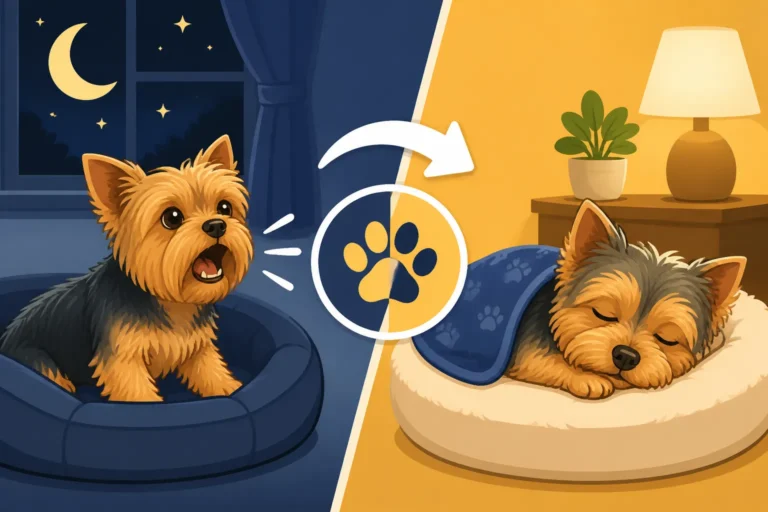
How to Desensitize a Yorkie to Noises
It's incredibly frustrating and heartbreaking to watch your precious Yorkshire Terrier cower, shake, or bark uncontrollably every time a car backfires, the doorbell rings, or a storm rages outside. These aren't just minor inconveniences; they signal genuine distress in our little companions. This comprehensive guide will walk you through the proven techniques of desensitization and counter-conditioning, offering actionable steps to help your Yorkie develop a calmer, more confident response to everyday noises.
Understanding Why Yorkies React to Noises
Before we can even begin to tackle the "how," it's crucial to understand the "why" behind your Yorkie's noise sensitivity. It's rarely a simple case of them being "naughty" or "overly dramatic." Their reactions are deeply rooted in their breed characteristics, past experiences, and even their unique sensory perception.
The Terrier Temperament and Instinct
Yorkshire Terriers, despite their small stature, carry a big personality and a strong terrier instinct. Historically, terriers were bred to hunt small vermin, a job that required keen senses, a watchful nature, and a quick, vocal response to anything unusual in their environment. This means they are often predisposed to being alert, observant, and quite vocal. Their acute hearing, combined with this inherent "watchdog" mentality, can make them hyper-aware of sounds that larger, less sensitive breeds might simply ignore.
Imagine living in a world where every distant siren sounds like it's right next to you, or a dropping spoon echoes like a gunshot. For many Yorkies, this amplified perception is their daily reality. Their ancestors were meant to react, bark, and investigate, and while your Yorkie isn't hunting rats in a barn, that genetic wiring can still kick in, causing an intense, involuntary reaction to sudden or loud noises. Understanding this innate predisposition helps us approach their fear with empathy and patience.
Past Experiences and Learned Fears
While genetics play a role, many noise sensitivities are learned responses, often stemming from a negative or frightening experience. A single, intensely loud event – like fireworks exploding too close, a dropped heavy pan, or a vacuum cleaner unexpectedly turning on – can create a lasting fear association in a sensitive Yorkie. They might generalize this fear, associating a specific sound with generalized anxiety. For instance, a Yorkie terrified by thunder might start to react to the subtle atmospheric pressure changes before a storm even hits, or to any low rumble.
Think of a puppy who was startled by a car horn while out on their first walk; they might then become wary of all car noises, or even the general outdoor environment. These learned fears can be incredibly powerful, especially if the dog wasn't properly socialized during their critical developmental period. If your Yorkie wasn't exposed to a variety of normal household and outdoor sounds in a positive way as a puppy, they might be more prone to developing these anxieties later on. Addressing these fears requires gentle, consistent work to create new, positive associations.
The Role of Genetics and Early Socialization
While we touched on temperament, it's worth diving deeper into how genetics and early socialization intertwine. Some Yorkies are simply born more predisposed to anxiety or heightened sensory perception, much like some people are more sensitive to certain stimuli. A reputable breeder will often try to screen for such tendencies in their breeding lines, but it's not foolproof. If a puppy comes from anxious parents, they might inherit a higher baseline for stress.
Beyond genetics, the period from 3 to 16 weeks is a crucial window for socialization. During this time, puppies need positive exposure to a wide array of sights, sounds, smells, and experiences. A Yorkie puppy who spends this critical period in a quiet, isolated environment might grow up to be more fearful and reactive to the outside world. This lack of early, positive exposure means they haven't built a "library" of safe, normal sounds. Even if they have good genetics, inadequate socialization can leave them unprepared for the cacophony of human life. This is why practices like those advocated by programs like BAXTER & Bella emphasize early, positive exposure to various stimuli, which can lay a strong foundation for a well-adjusted adult dog.
Preparing for Desensitization and Counter-Conditioning
Embarking on a desensitization journey requires preparation. It's not about forcing your Yorkie to "get over it," but rather carefully crafting an environment and strategy that builds their confidence and changes their emotional response to trigger noises.
Gathering Your Toolkit
To effectively desensitize your Yorkie, you'll need a few key items. First and foremost, a generous supply of high-value treats is essential. These aren't just any treats; they should be something your Yorkie absolutely adores, something they rarely get, like small pieces of cooked chicken, cheese, or their favorite soft training treats from a brand like Wellness or Zuke's. The goal is for these treats to be so irresistible that they can distract from, and eventually overshadow, the scary noise. You can find a wide variety of "Best Treats for Training a Yorkie" to keep your treat pouch well-stocked.
Next, you'll need a way to control the volume of the trigger noise. This often involves using recordings of the specific sounds your Yorkie fears, such as fireworks, thunderstorms, doorbells, or construction noises. You can easily find these sound clips online or on apps, and play them through speakers or your phone. A white noise machine or even a fan can also be useful to provide a consistent, calming background sound, which can sometimes mask the sharper edges of unexpected noises. You might even find specialized calming diffusers, available on platforms like Amazon, that release pheromones designed to reduce anxiety.
Setting Up a Safe and Calm Environment
The success of desensitization heavily relies on starting in a controlled, stress-free environment. Choose a quiet room in your home where your Yorkie already feels comfortable and safe. This could be their crate, their favorite dog bed, or a cozy corner where they often nap. Ensure there are no other distractions or potential stressors during your training sessions. Turn off the television, silence your phone, and make sure other pets or family members won't interrupt.
The idea is to create a "safe haven" where your Yorkie can focus solely on the training at hand. You want them to feel completely secure and relaxed before any noise is introduced. This positive association with the training space itself will become a foundational element of the process. Having a dedicated spot, perhaps with their favorite blanket or a chew toy, reinforces the idea that this is their sanctuary, even when new sounds are introduced. Establishing this baseline calm helps to "How to Calm a Hyper Yorkie" during training.
Identifying Trigger Noises and Their Intensity
Before you start, you need to precisely identify what noises trigger your Yorkie and how intensely they react. Is it the sharp bang of a firecracker, the deep rumble of thunder, the sudden ring of the doorbell, or even specific voices from the TV? Make a list of these sounds. Then, try to gauge their reaction on a scale of 1 to 10, where 1 is a mild twitch of the ear and 10 is full-blown panic (shaking, hiding, urinating).
Once you have your list, prioritize them. You'll want to start with the least intense trigger or the one that causes the mildest reaction. For instance, if your Yorkie is terrified of thunder (a 9 on your scale) but only mildly concerned by the mail carrier's truck (a 3), begin with recordings of the truck. Breaking down the problem into manageable pieces is key; trying to tackle a level 9 fear right out of the gate will likely overwhelm your Yorkie and set back your progress. This detailed understanding helps you tailor your approach to your unique dog's needs.
Step-by-Step Guide to Desensitizing Your Yorkie
Now that you're prepared, it's time to put the plan into action. Remember, patience is paramount. This isn't a race; it's a marathon focused on gently shifting your Yorkie's emotional response.
Starting with Low-Volume Exposure
This is the cornerstone of desensitization. Begin by playing a recording of one of your identified trigger noises at an extremely low volume – so low that your Yorkie barely notices it, or perhaps just gives a slight ear twitch without showing any signs of fear or anxiety. The volume should be just audible enough that you can hear it, but not enough to cause any alarm for your dog. If your Yorkie shows any sign of anxiety, even a subtle one like a tense body or a quick glance towards the sound, the volume is too high. Turn it down immediately.
As soon as the sound starts, immediately give your Yorkie a high-value treat. Repeat this several times. The goal is to create a positive association: "Oh, that quiet sound means yummy treats!" This isn't about ignoring the sound; it's about making the sound predict something good. Do this for short sessions, maybe 5-10 minutes, several times a day. You want to keep it positive and prevent any fear response from surfacing. If they remain calm and happy, you're on the right track. This method aligns perfectly with "Positive Reinforcement Training for Yorkies."
Gradual Increase in Intensity and Duration
Once your Yorkie consistently remains calm and even looks to you for a treat when the very low-volume sound plays, you can very, very gradually increase the volume. We're talking about tiny increments, barely noticeable changes. Play the slightly louder sound, immediately deliver treats, and praise your Yorkie for their calm demeanor. If at any point your Yorkie shows signs of stress (panting, lip-licking, yawning excessively, trying to escape, hiding, or barking), you've gone too far, too fast. Immediately reduce the volume back to the previous successful level and end the session on a positive note, perhaps with a short play session or a cuddle.
The key is to always stay below their fear threshold. You are building positive associations, not testing their limits. Over several days or weeks, you can also gradually increase the duration of the sound, but always pair it with continuous treats and praise. The consistency of this positive pairing is what rewires their brain to associate the once-scary sound with something pleasant. This takes time, and you might experience setbacks, which is totally normal. Just revert to an easier step and try again. For further guidance on common issues, you might consult resources on "Yorkshire Terrier Behavior Problems and Solutions".
Incorporating Positive Reinforcement and Rewards
Positive reinforcement is the absolute bedrock of desensitization and counter-conditioning. Every time your Yorkie hears the trigger sound and remains calm, they should be rewarded. These rewards aren't just food; they can also be verbal praise ("Good boy/girl!"), gentle petting, or a quick game with a favorite toy. The reward should be something your Yorkie truly values and enjoys, creating a strong link between the sound and a positive outcome. This is a continuous process.
Consider mixing up the rewards to keep your Yorkie engaged. Sometimes it's a piece of chicken, other times it's a quick belly rub, or even a moment of play with a squeaky toy found on Amazon. The variety keeps them guessing and excited for the next reward. Remember to deliver the reward during or immediately after the sound, so the association is clear and immediate. If your Yorkie is struggling, you might consider enrolling in an online training program like BAXTER & Bella, which often provides structured positive reinforcement techniques and support for various behavioral challenges, including noise sensitivity. They can help you refine your timing and technique for maximum effectiveness.
Advanced Strategies and Troubleshooting Common Issues
Even with the best intentions, you might encounter bumps in the road. Knowing how to troubleshoot and when to seek additional help can make all the difference in your Yorkie's progress.
Addressing Specific Noise Fears
Sometimes, Yorkies have very specific fears beyond general loud noises. For example, if your Yorkie panics at the sound of the vacuum cleaner, the desensitization process needs to be tailored. Start by simply having the vacuum in the room, turned off, and rewarding your Yorkie for being calm around it. Gradually, you can turn it on for a second, then off, rewarding heavily. Slowly increase the duration, then move it slightly, always staying below the fear threshold. The same approach applies to doorbells, washing machines, or even children's toys.
For outdoor noises like thunder or fireworks, you can't control the real-life intensity, which is why recordings are so vital. However, during actual storms or fireworks displays, create a safe, soundproofed space for your Yorkie. Close windows, draw curtains, turn on a white noise machine or soothing music, and offer extra comfort and high-value chews. ThunderShirts or calming wraps, often found on Amazon, can also provide a sense of security during these uncontrollable events. The key is proactive management when you can't control the source of the noise, combined with your systematic desensitization.
When to Seek Professional Help
While desensitization and counter-conditioning are powerful tools, some Yorkies have such deep-seated or generalized anxiety that professional help becomes necessary. If your Yorkie's fear reactions are severe, involve destructive behaviors, self-harm, excessive vocalization even after consistent training (such as "How to Stop a Yorkie from Barking"), or if you're simply not seeing any progress, it's time to consult a certified professional dog trainer or a veterinary behaviorist. These experts can assess your Yorkie's specific situation, rule out underlying medical conditions (as some pain can exacerbate anxiety), and develop a customized behavior modification plan.
They might introduce additional tools or techniques, such as specific exercises designed to build confidence, or in some cases, medication to help reduce anxiety to a level where training can be more effective. Never hesitate to seek professional guidance; it’s a sign of a responsible pet parent who wants the best for their furry friend. Programs that offer direct access to trainers, like some aspects of BAXTER & Bella's online community, can also be a stepping stone before a more intensive one-on-one consultation.
Maintaining Progress and Preventing Regression
Desensitization isn't a "one-and-done" process. It requires ongoing maintenance to ensure your Yorkie retains their newfound confidence. Continue occasional short sessions with recordings of trigger noises, always paired with positive reinforcement, even after your Yorkie seems completely desensitized. This reinforces the positive associations and keeps the neural pathways strong.
Life happens, and sometimes your Yorkie might have a setback, especially after an unexpected, very loud event. Don't get discouraged! Simply go back to an earlier, easier step in the desensitization process, reduce the volume, and rebuild their confidence gradually. Consistency is your best friend here. Continue to provide a calm, predictable environment, plenty of mental stimulation games for Yorkies, and opportunities for safe, positive socialization. The more confident and secure your Yorkie feels in general, the better equipped they will be to handle occasional unexpected noises. Think of it as an ongoing commitment to their emotional well-being, helping them to live a calmer, happier life.
Common Noise Triggers and Starting Volume Examples
Here's a quick overview of some common noise triggers and where you might start with your desensitization recordings. Remember, these are just starting points; always adjust based on your individual Yorkie's reaction.
| Noise Trigger | Initial Volume Level (Approx.) | Reaction to Look For (Too High) | Suggested Pairing |
|---|---|---|---|
| Doorbell | Barely Audible | Ears back, tail tucked, barking/whining, quick head turn | High-value treat, favorite toy |
| Thunder/Rain | Whisper-quiet | Shaking, panting, seeking refuge, wide eyes | Long-lasting chew, gentle massage, calming words |
| Fireworks | Distant Rumble (very low) | Hiding under furniture, frantic pacing, excessive drooling | Interactive treat puzzle, favorite game |
| Vacuum Cleaner | Off, then lowest hum | Trying to escape, growling, lunging, urinating | Treats dropped on floor away from vacuum, praise |
| Sirens/Loud Cars | Faint passing sound | Startled jump, nervous licking, tense body posture | Continued walking with treat delivery, happy talk |
| Children's Play | Muffled sounds from another room | Freezing, stiff body, darting eyes, trying to get away | Playtime with you, gentle grooming, favorite cuddle spot |
Disclaimer
The information provided in this article is for general informational purposes only and is not a substitute for professional veterinary advice, diagnosis, or treatment. Always seek the advice of your veterinarian or other qualified animal health provider with any questions you may have regarding a medical condition or behavior issue. Never disregard professional veterinary advice or delay in seeking it because of something you have read in this article.