How to Socialize a Yorkshire Terrier
Bringing a Yorkshire Terrier into your life is a joyful experience, but it also comes with its unique set of challenges. One common frustration many Yorkie parents face is how to help their little companion navigate the big, wide world around them without fear or excessive aggression. These tiny dogs, with their big personalities, can often be prone to shyness, territorial barking, or even fear-based nipping if they aren't properly introduced to different sights, sounds, people, and other animals. This comprehensive guide will walk you through everything you need to know about effectively socializing your Yorkshire Terrier, whether you have a brand-new puppy or an adult dog who needs a bit more confidence.
Understanding the Yorkshire Terrier Temperament and Why Socialization is Crucial
Yorkshire Terriers are renowned for their spirited and confident demeanor, often described as "big dogs in a small package." While this feisty personality is part of their charm, it also means they require thoughtful and consistent socialization to ensure they grow into well-adjusted companions. Without it, their natural predispositions can easily develop into behavioral problems that are challenging for both the dog and the owner.
The Innate Yorkie Personality
If you’ve spent any time with a Yorkie, you know they are not your average lap dog. These intelligent, alert, and often stubborn little terriers were originally bred to hunt rats in textile mills, which instilled in them a tenacious and courageous spirit. This innate drive means they can be bold and fearless, sometimes to their own detriment, and can easily develop what’s often called "small dog syndrome." This isn't a medical condition, but rather a set of behaviors where small dogs act overly assertive, vocal, or even aggressive towards larger dogs or people, often because they feel vulnerable or have been overprotected by their owners.
It’s completely natural for us to want to scoop up our tiny Yorkies at the first sign of a larger dog or an unfamiliar person approaching. We want to protect them from potential harm, and given their delicate size, this instinct is strong. However, this well-meaning protection can inadvertently prevent them from learning how to properly interact with the world, leading them to believe that every new encounter is something to fear or dominate. Their natural intelligence means they pick up on cues quickly, but if those cues are inconsistent or lead to negative experiences, it can solidify undesirable behaviors. Understanding the full spectrum of their character, including their potential for sass and their need for consistent boundaries, is the first step toward successful socialization. You can delve deeper into their traits by reading about the Yorkshire Terrier Temperament and Personality.
The Dangers of Poor Socialization
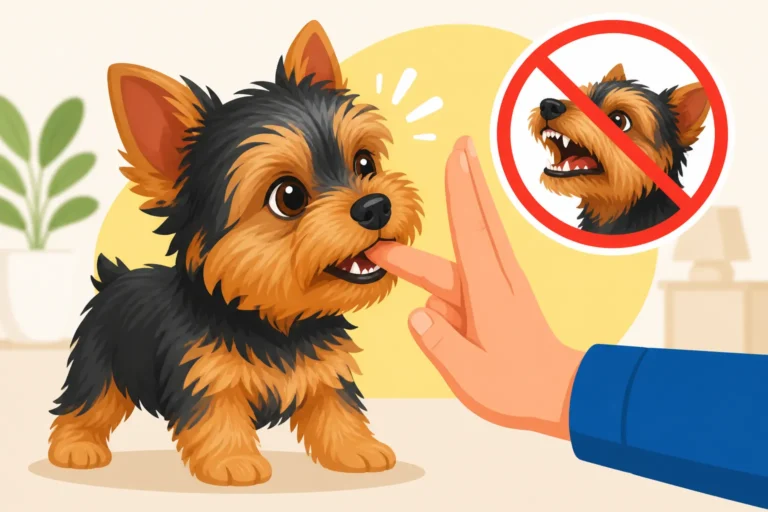
The consequences of insufficient socialization for a Yorkshire Terrier can manifest in a variety of challenging ways. Imagine your Yorkie constantly barking frantically at every passerby on a walk, nipping at visitors’ ankles, or trembling uncontrollably at the vet’s office. These aren’t just annoying habits; they are signs of a dog under immense stress, whose world feels unpredictable and threatening. Poorly socialized Yorkies are more prone to developing fear-based aggression, where they might snap or bite out of terror when confronted with unfamiliar situations, people, or other dogs.
Beyond outward aggression, insufficient socialization can lead to crippling anxiety. Your Yorkie might suffer from separation anxiety when left alone, become destructive, or even self-harm through excessive licking. Everyday activities that should be simple, like a trip to the groomer or a walk in the park, become monumental ordeals. This not only impacts your dog’s mental and emotional well-being, making their life a constant source of stress, but it also places a significant burden on you, the owner. It can restrict where you can take your dog, how comfortable you feel having guests over, and even how you manage your own daily routine. A well-socialized Yorkie, on the other hand, is a confident, happy companion who can adapt to new situations with ease, making life more enjoyable for everyone involved.
Starting Early: Socializing Your Yorkie Puppy
When it comes to socialization, timing is absolutely everything, especially for a small breed like the Yorkshire Terrier. The experiences your Yorkie puppy has during a critical developmental window will shape their perception of the world for the rest of their lives. Ignoring this crucial period can set them up for a lifetime of fear and behavioral issues.
The Critical Socialization Window
For puppies, there's a golden period for socialization that typically spans from about 3 to 16 weeks of age. During these formative weeks, a puppy's brain is like a sponge, soaking up every new experience and forming associations. Positive exposure to a wide variety of stimuli during this time helps them learn that the world is a safe and exciting place, rather than something to fear. If a puppy misses out on these experiences, or if their early experiences are overwhelmingly negative, it can lead to lifelong shyness, fear, or aggression.
While it's important to start early, safety is paramount. Yorkie puppies are tiny and their immune systems are still developing. Before you embark on widespread outdoor adventures, it’s critical to ensure your puppy has received their initial vaccinations to protect them from common canine diseases. Always consult your veterinarian to confirm when it's safe for your specific puppy to begin exploring public spaces. This is why many responsible puppy socialization classes often require proof of initial vaccinations. You can find more detailed information on preventing illness by checking out a good Yorkshire Terrier Puppy Health Guide or by familiarizing yourself with the standard Yorkie Vaccination Schedule. Once your vet gives the green light, the world becomes your puppy's classroom!
Safe and Controlled Puppy Encounters
Once your Yorkie puppy is deemed safe to venture out, the key is to manage their interactions carefully and positively. One of the best ways to provide structured socialization is through puppy classes. These classes, often led by professional trainers, offer a safe and supervised environment where puppies can interact with each other, learn basic manners, and be exposed to various sights and sounds under expert guidance. The puppies are typically of similar age and vaccination status, minimizing health risks.
Beyond organized classes, seek out opportunities for your puppy to meet calm, friendly, and fully vaccinated adult dogs in a controlled setting. A friend's well-behaved older dog, for example, can teach your puppy valuable canine social cues without overwhelming them. Introduce your puppy to a diverse range of people too – different ages, genders, ethnicities, and people wearing hats, glasses, or using mobility aids. The more varied and positive these early encounters are, the less likely your Yorkie will be to develop fear or reactivity towards specific types of people later on. Remember, every interaction should be brief, positive, and end on a good note. Many online platforms, like BAXTER & Bella, offer comprehensive online puppy training programs that include guidance on early socialization techniques, which can be incredibly helpful, especially if you live in an area with limited access to in-person puppy classes. Their structured approach can guide you through these crucial early steps, ensuring your Yorkie gets the best start.
Environmental Exposure and Novel Experiences
Socialization isn't just about meeting other dogs and people; it's also about building your Yorkie puppy's confidence in various environments. Your goal is to expose them to as many different positive sights, sounds, and textures as possible, all while keeping them safe and comfortable. Think about everyday things that might seem mundane to us but can be startling to a small puppy. This could include the whir of a vacuum cleaner, the rumble of a passing bus, the sound of children playing, or even just walking on different surfaces like grass, pavement, carpet, or gravel.
Start small and keep it positive. Short car rides to a pleasant destination (not just the vet!) can help them associate car travel with fun rather than fear. Take them to quiet parts of parks or walk them gently around a calm neighborhood, allowing them to observe the world from a safe distance. If they seem overwhelmed, simply pick them up, offer comfort, and try again another day in a less stimulating environment. Crucially, practice gentle handling and grooming from a young age. This includes touching their paws, ears, mouth, and tail. These seemingly small exposures make future vet visits and grooming sessions far less stressful. You can learn more about how to set up your Yorkie puppy for success by consulting a comprehensive Yorkshire Terrier Puppy Training Schedule, which often integrates these environmental exposures into a broader training plan.
Socializing an Adult or Rescue Yorkie
While the puppy stage is ideal for socialization, it's absolutely not too late to socialize an adult or rescue Yorkshire Terrier. It might require more patience and a different approach, especially if they have had negative past experiences, but significant progress can still be made.
Addressing Past Traumas and Fear
Socializing an adult Yorkie, particularly one with a history of neglect, abuse, or simply a lack of exposure, often means addressing existing fears or anxieties. Unlike a puppy, an adult dog comes with a pre-existing worldview, and if that view is that the world is scary or threatening, it will take consistent, positive experiences to change it. You might notice signs of fear-aggression, extreme shyness, or avoidance behaviors. It's vital to acknowledge these past experiences without dwelling on them, focusing instead on building a positive future.
The key here is extreme patience and unwavering consistency. You are essentially rebuilding your Yorkie’s confidence from the ground up. Never force interactions. If your Yorkie is trembling, tucking their tail, trying to hide, or showing any signs of stress (like excessive lip-licking or yawning), they are telling you they are uncomfortable. Pushing them further will only reinforce their fear. Instead, respect their boundaries, remove them from the stressful situation, and try to understand what triggers their anxiety. This process can be slow, sometimes taking weeks or even months to see significant progress, but every small victory is a step towards a happier, more confident dog. If your Yorkie struggles with being left alone, understanding and addressing issues like Yorkie Separation Anxiety: Signs and Fixes can be an important part of their overall emotional well-being and readiness for socialization.
Gradual Introductions to New People
When introducing an adult or rescue Yorkie to new people, a slow and controlled approach is paramount. Forget about crowded parties or bustling public places initially. Start with one very calm, dog-savvy individual in a quiet environment, such as your home or a neutral outdoor space. The goal is to create a positive association, not to overwhelm. Instruct your visitor to ignore your Yorkie at first, allowing the dog to approach them on their own terms. Avoid direct eye contact or towering over the dog, as these can be perceived as threatening.
Have your guest sit on the floor, perhaps with their side to the dog, and offer high-value treats (small, smelly, and irresistible) without forcing interaction. Let your Yorkie sniff, investigate, and decide when they are ready to engage. If they approach, a gentle, quiet word of praise and a treat are excellent rewards. Avoid reaching over their head, which can be scary; instead, try to pet them under the chin or on the chest if they seem receptive. These careful, positive interactions build trust and teach your Yorkie that new people can bring good things. For more insights on this specific challenge, refer to resources like How to Socialize a Shy Yorkie.
Controlled Introductions to Other Dogs
Introducing an adult Yorkie to other dogs can be particularly tricky, especially if they have a history of fear or reactivity. Again, "controlled" is the operative word. Avoid high-stress environments like dog parks, which can be chaotic and overwhelming. Instead, arrange "meet-and-greets" with one calm, well-socialized dog of a similar size or temperament.
Start in a neutral outdoor territory, like a quiet park path, where neither dog feels possessive of the space. Begin with parallel walking at a distance where both dogs are aware of each other but not reacting. Gradually decrease the distance, allowing them to sniff the ground and remain relaxed. If they seem comfortable, allow for brief, supervised sniff-and-greet sessions. Keep leashes loose to avoid tension, and always have an escape route or a way to separate them if needed. Watch for any signs of stress or aggression from either dog and end the interaction before it escalates. Positive reinforcement (treats and praise) when they are calm and polite is crucial. These small, positive steps, repeated consistently, can slowly build your Yorkie’s confidence around other canines. This process is further elaborated in guides such as How to Introduce a Yorkie to Other Dogs.
Key Principles of Effective Yorkie Socialization
Regardless of your Yorkie’s age, certain core principles will guide your socialization efforts. Adhering to these will not only make the process more effective but also strengthen the bond you share with your little companion. It's about building trust, confidence, and positive associations in every interaction.
Positive Reinforcement is Paramount
When it comes to socializing your Yorkshire Terrier, throw out any notion of punishment or harsh corrections. Positive reinforcement is not just a method; it’s the only truly effective approach, especially for a sensitive breed like the Yorkie. You want your dog to associate new experiences – new people, new places, new dogs – with good things. This means consistently rewarding any calm, brave, or positive interactions with high-value treats, genuine praise, and gentle, appreciative petting.
For example, if your Yorkie sees a new person and doesn't bark, or looks at another dog without lunging, immediately say "Good dog!" and offer a tiny, delicious treat. The goal is to help your Yorkie understand, "When I see something new and act calm, amazing things happen!" This is classical conditioning in action: pairing a potentially scary stimulus with something wonderful. If you punish fear or reactivity, you're essentially punishing your Yorkie for feeling scared, which will only increase their anxiety and make them more likely to lash out in the future. Instead, you'll find that platforms like Amazon offer a vast array of high-value training treats, from freeze-dried liver to soft, chewy morsels, perfect for capturing your Yorkie’s attention and rewarding those crucial positive moments during socialization.
Managing the Environment
Effective socialization isn't just about what your Yorkie experiences; it's also about how you manage those experiences to ensure they are positive and not overwhelming. Given their small size, Yorkies can easily feel intimidated or endangered in busy, chaotic environments. It’s your job to control the environment to set them up for success. This might mean choosing quieter times for walks, avoiding crowded areas, or even using a pet stroller or carrier when first introducing them to busy public spaces. This allows them to observe the world from a safe, elevated vantage point without direct, potentially overwhelming interactions.
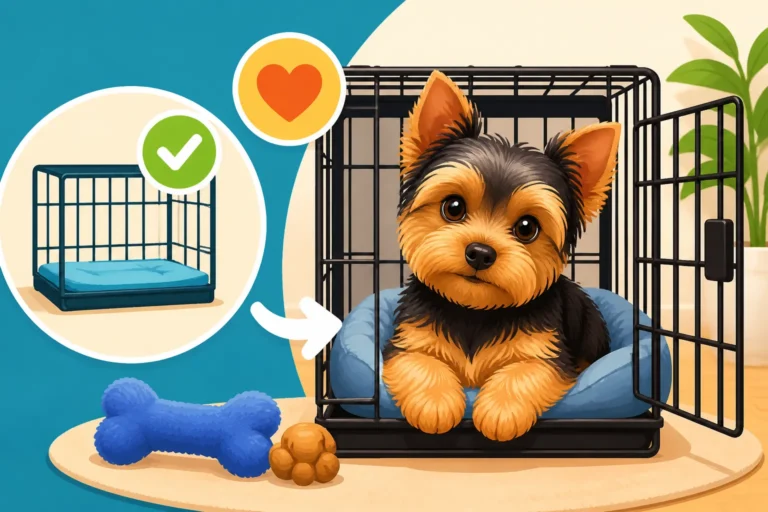
Always use a comfortable and secure harness and leash. For small breeds like Yorkies, harnesses are generally recommended over collars as they distribute pressure more evenly across the chest, preventing potential injury to their delicate neck and trachea. You can learn more about the benefits of this approach by reading Why Harnesses Are Better Than Collars for Yorkies. Having a cozy carrier or crate nearby also provides your Yorkie with a safe retreat if they become overwhelmed. Teaching them that their crate is a haven where they can relax and feel secure is an invaluable tool for managing their stress in new environments.
Consistency and Patience
Socialization is rarely a linear process, and it's certainly not a one-time event. It's an ongoing journey that requires immense consistency and patience on your part. You might have a fantastic day where your Yorkie confidently greets three new people, only to have a setback the next day where they bark at a leaf blowing down the street. This is normal. Progress often comes in fits and starts, and setbacks are a natural part of the learning process.
The key is to keep exposing them to new, positive experiences in short, frequent bursts rather than long, overwhelming sessions. Five minutes of positive interaction with a new person or object every day is far more effective than an hour-long, stressful outing once a week. Understand that especially with an older or fearful Yorkie, progress might be painstakingly slow. Celebrate the tiny victories – a sniff instead of a bark, a curious glance instead of hiding. Your consistent, calm, and positive approach will slowly, but surely, build your Yorkie’s confidence and help them develop into a well-adjusted, happy companion who feels safe and secure in their world.
Specific Socialization Scenarios and Tips
Socialization isn't just a general concept; it applies to various specific situations your Yorkie will encounter throughout their life. Each scenario requires a slightly tailored approach, always keeping their comfort and safety at the forefront.
Socializing with Children
Yorkshire Terriers and children can be a wonderful combination, but it requires careful management and supervision from both ends. Yorkies, being small and sometimes prone to nipping if startled or overstimulated, can be easily injured or become reactive if children aren't taught how to interact gently. Conversely, children, especially young ones, don't always understand a dog's body language or how easily a small dog can be hurt.
Always supervise interactions between your Yorkie and children. Teach children to approach gently, calmly, and to allow the dog to initiate contact. Instruct them to pet softly, avoiding the face or tail, and never to pull on hair, ears, or carry the dog without adult supervision. Show them how to offer a treat with an open palm. It's equally important to teach your Yorkie to tolerate gentle handling and not to jump up excessively. Create a designated "safe space" for your Yorkie, such as their crate or a raised bed, where they can retreat if they feel overwhelmed, and teach children that this space is off-limits. With proper guidance for both your dog and the children, a beautiful, respectful relationship can blossom. For more in-depth advice on this, you might find value in resources discussing Are Yorkshire Terriers Good with Kids.
Socializing with Other Pets
Introducing your Yorkshire Terrier to other pets, be it another dog, a cat, or even a smaller critter, requires a structured and gradual approach to ensure safety and minimize stress. Yorkies can sometimes have a high prey drive due to their terrier heritage, which can make introductions to cats or small rodents challenging.
Start with scent swapping. Exchange blankets or toys between your Yorkie and the other pet for a few days so they can get used to each other's smell. When you're ready for visual introductions, keep both animals securely contained or leashed. For dogs, this means meeting on neutral territory, as discussed earlier. For cats, use a baby gate to separate them, allowing them to see and smell each other without direct physical contact. Reward calm behavior with treats. Over several days or weeks, gradually increase supervised interaction time, always being ready to separate them if signs of stress or aggression appear. Never leave them unsupervised until you are absolutely certain they are comfortable and safe together. Patience is key, and every interaction should reinforce positive associations. If you're specifically introducing your Yorkie to a feline friend, the guide on How to Introduce a Yorkie to Cats offers excellent specific strategies.
Handling and Grooming Socialization
Many Yorkies can be fussy about handling and grooming, which can turn routine care into a battle. Early and consistent socialization to these experiences is vital for their well-being and your sanity. Imagine trying to trim nails or clean ears on a squirming, fearful dog – it's stressful for everyone.
Start by making vet visits and grooming sessions positive experiences, not just necessary evils. For vet visits, take your puppy in for "happy visits" where they just get treats and praise from the staff, without any procedures. At home, regularly practice gentle handling of their paws, ears, mouth (for dental checks), and tail. Pair these touches with high-value treats and praise. Get them used to the feel of a soft brush, the sound of nail clippers (even if you're not clipping), and the sensation of being held and examined. Many Yorkies benefit from professional grooming, but even then, starting the process young makes it much easier for both the groomer and the dog. Regular dental care is also paramount for Yorkies, and early handling makes brushing easier. Resources like the extensive Yorkshire Terrier Grooming Guide and the Yorkshire Terrier Dental Care Guide provide invaluable tips for making these experiences positive for your furry friend.
Recognizing and Addressing Challenges
Even with the best intentions and consistent effort, you might encounter bumps in the road during your Yorkie's socialization journey. It's important to be able to recognize the signs that your dog is struggling and know when to seek professional guidance.
Identifying Signs of Stress or Overwhelm
Your Yorkie might be small, but they communicate volumes through their body language. Learning to "speak dog" is crucial for effective socialization, as it allows you to intervene before a situation escalates or before your dog becomes overly stressed. Early signs of stress or discomfort are often subtle and easily missed. These are called "calming signals" or "displacement behaviors" and include:
- Yawning (when not tired)
- Lip-licking
- Head turns (looking away from the perceived threat)
- Sniffing the ground (disengaging from the situation)
- Turning their back
- Shaking off (as if wet, but they’re not)
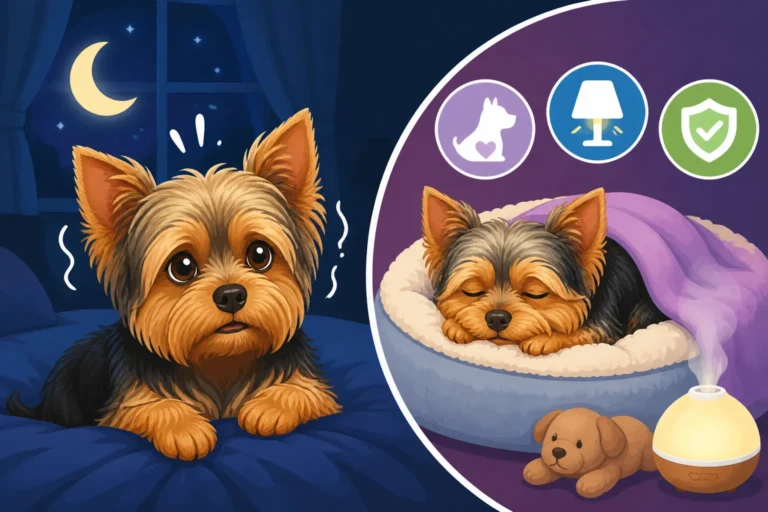
If your Yorkie is showing these signs, it means they are trying to de-escalate the situation or are feeling uneasy. More obvious signs of stress include panting (when not hot), excessive drooling, a tucked tail, cowering, hiding behind your legs, or trembling. If you see your Yorkie shaking, it's often a clear indication of fear or anxiety, and you might want to look at more information on Yorkie Shaking: When to Worry.
When you observe any of these signals, it’s a cue to either remove your Yorkie from the situation or increase the distance. Ignoring these early warnings can lead to more overt signs of fear or aggression, such as growling, snapping, or barking frantically. These are your dog's last-ditch efforts to say, "I'm not comfortable, and I need this to stop." Never punish these warning signals, as it teaches your dog that their communication is unacceptable, potentially leading them to bite without warning in the future.
When to Seek Professional Help
There are times when despite your best efforts, your Yorkie's fear, anxiety, or aggression persists, making socialization challenging or even unsafe. This is not a failure on your part; sometimes, a dog needs a bit more specialized guidance, and that's perfectly okay. If you find yourself in any of the following situations, it's time to seek help from a qualified professional:
- Persistent Fear or Phobias: Your Yorkie is consistently terrified of specific things (e.g., men with beards, children, other dogs) despite gradual, positive exposure.
- Aggression: Your Yorkie is regularly growling, snapping, or attempting to bite people or other animals. This is a serious issue that requires expert intervention for safety.
- Extreme Anxiety: Your dog's anxiety is significantly impacting their quality of life, leading to destructive behaviors, excessive vocalization, or self-harm.
- Lack of Progress: You've been diligently working on socialization for weeks or months with little to no improvement in your Yorkie's comfort level.
- Unmanageable Situations: You can no longer safely manage your Yorkie in specific situations, making walks, vet visits, or guest interactions extremely stressful or dangerous.
Look for a certified professional dog trainer (CPDT-KA) or a veterinary behaviorist. A veterinary behaviorist is a veterinarian with specialized training in animal behavior, who can diagnose underlying medical conditions that might contribute to behavioral issues and prescribe medication if necessary. They can provide tailored guidance, implement behavior modification plans, and help you understand the root cause of your Yorkie’s struggles. Online resources, such as those offered by BAXTER & Bella, also provide access to personalized coaching calls with trainers, which can be invaluable for tackling specific, complex behavioral challenges that arise during your socialization journey. Investing in professional help is an investment in your Yorkie's long-term happiness and well-being.
Yorkie Socialization Stages and Activities
To help visualize the socialization process, here's a general guide outlining key activities and considerations at different life stages for your Yorkshire Terrier. Remember, these are guidelines, and every dog is an individual.
| Age Stage | Key Focus | Recommended Activities | Important Considerations |
|---|---|---|---|
| 8-16 Weeks (Puppy) | Critical Socialization Window | – Puppy classes – Gentle exposure to vaccinated, calm adult dogs – Meeting diverse, gentle people – Various sounds (vacuum, doorbell) and textures (grass, pavement) – Short, positive car rides – Regular, gentle handling (paws, ears, mouth) |
Prioritize positive, brief experiences. Avoid overwhelming. Ensure vaccinations are up to date. Reward calm behavior heavily. |
| 4-12 Months (Adolescent) | Reinforcement & Continued Exposure | – Continue structured playdates – Enroll in obedience classes – Explore new, safe public places (dog-friendly stores, parks during off-peak hours) – Introduce to different environmental stimuli – Practice loose-leash walking around distractions |
Expect some push-back or fear periods. Be consistent and patient. Maintain positive reinforcement. |
| 1+ Year (Adult) | Maintenance & Addressing Challenges | – Regular walks in varied environments – Playdates with known, calm dogs – Introduce new experiences gradually if dog is comfortable – Positive reinforcement for calm behavior in new situations – Targeted desensitization/counter-conditioning for existing fears |
If fear or aggression exists, introductions must be slower and more controlled. Seek professional help if issues persist. |
This table provides a framework, but always observe your individual Yorkie’s comfort level and adjust activities accordingly.
Disclaimer
The information provided in this article is for general informational purposes only and is not a substitute for professional veterinary advice, diagnosis, or treatment. Always seek the advice of your veterinarian or other qualified animal health provider with any questions you may have regarding a medical condition or treatment for your Yorkshire Terrier. Never disregard professional veterinary advice or delay in seeking it because of something you have read in this article.