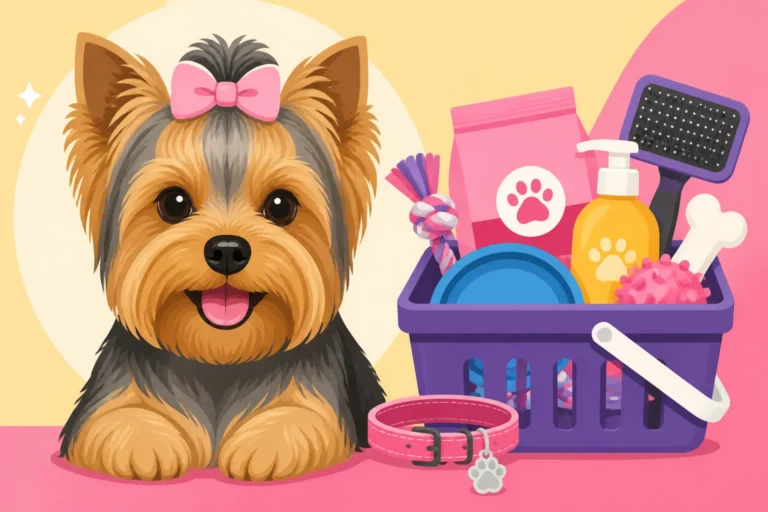
Yorkie Cost vs Other Toy Breeds
Bringing a new furry family member into your home is such an exciting time, but if you're like many prospective pet parents, you're also probably a little overwhelmed by all the considerations, especially when it comes to finances. One of the biggest questions I hear is about the true financial commitment of owning a Yorkshire Terrier, particularly how their costs stack up against other popular toy breeds. This guide is here to break down the real expenses, from the initial puppy price to the ongoing daily care, so you can make an informed decision without any surprises.
Initial Purchase Price Comparison: Yorkie vs. Other Toy Breeds
When you first start looking for a new puppy, the sticker shock can be real. Toy breeds, in general, often come with a higher initial price tag than larger breeds, and that’s due to a variety of factors, including their small litter sizes and the intensive care required for their tiny bodies during the first few weeks of life. Understanding how a Yorkshire Terrier's initial cost compares to other popular small companions can help you budget appropriately.
The Yorkie's Upfront Investment
Yorkshire Terriers are consistently one of the most popular breeds, and this demand, combined with their specific breeding challenges, often translates into a significant initial cost. You're not just buying a puppy; you're investing in the time, effort, and health screening that a reputable breeder has put into their dogs. The price for a well-bred Yorkshire Terrier puppy from an ethical breeder in the United States can range anywhere from $1,500 to $3,500, and sometimes even higher for show-quality lines or those from highly sought-after pedigrees.
This price usually includes initial vet checks, deworming, and the first round of vaccinations. Sometimes, microchipping is also part of the package. It's really crucial to remember that a "cheap" Yorkie, especially one advertised for a few hundred dollars, often comes from a backyard breeder or a puppy mill, and these situations frequently lead to hidden costs down the line due to genetic health issues or behavioral problems. A healthy start is worth every penny. For a deeper dive, you might want to read our article on How Much Does a Yorkshire Terrier Cost.
Popular Toy Breeds and Their Price Tags
Let's look at how Yorkies compare to some other beloved toy breeds in terms of initial purchase price. Keep in mind that these are general ranges, and prices can fluctuate significantly based on location, breeder reputation, and specific lineage.
- Maltese: Known for their elegant white coats and gentle demeanor, Maltese puppies typically fall into a similar price range as Yorkies, often between $1,500 and $3,000. Like Yorkies, they are small, require meticulous grooming, and tend to have smaller litters.
- Shih Tzu: These charming "lion dogs" are also quite popular. Their initial purchase price usually ranges from $1,000 to $2,500. While still a significant investment, they might be slightly less expensive than Yorkies or Maltese on average, though their grooming needs are certainly comparable.
- Chihuahua: As one of the smallest dog breeds, Chihuahuas can have a wide price spectrum. You might find them from $500 to $2,000. While some may be on the lower end, especially from less reputable sources, well-bred Chihuahuas from health-tested lines can still command a higher price. Their appeal is often their tiny size and feisty personality.
- Pomeranian: Fluffy and spirited, Pomeranians often range from $1,000 to $3,000. Their thick double coats require regular grooming, and their vibrant personalities make them popular companions. The variation in price can be due to coat color, size, and breeder reputation.
Factors Influencing Initial Cost
Many variables play into the initial price you'll pay for any toy breed puppy. Understanding these can help you appreciate why one puppy might be significantly more expensive than another.
First, breeder reputation and ethics are paramount. A responsible breeder invests heavily in their breeding dogs, conducting extensive health screenings for genetic conditions common in the breed, providing excellent nutrition and veterinary care for the mother and puppies, and offering proper socialization from birth. They'll also typically provide a health guarantee. This level of care is reflected in the price. They are transparent about their practices and will gladly show you where the puppies are raised and allow you to meet the parent dogs.
Second, location can influence costs. Puppy prices tend to be higher in major metropolitan areas or regions with higher demand and cost of living. For instance, a Yorkie puppy in a bustling city like Los Angeles or New York might command a higher price than one from a breeder in a more rural area. Shipping costs, if applicable, also add to the final price.
Third, lineage and registration also factor in. Puppies from champion bloodlines or those with desirable traits for show competition will naturally be more expensive. While not all owners need a show dog, a strong lineage often indicates a healthier, more predictable temperament and appearance. Registration with organizations like the American Kennel Club (AKC) also confirms pedigree and can influence cost. For a comprehensive list of what to look for, check out our Yorkshire Terrier Puppy Buying Checklist.
Ongoing Annual Costs: Beyond the Initial Price Tag
The purchase price is just the beginning of your financial journey with a toy breed. The real commitment comes with the ongoing annual expenses, which can often be substantial, especially for breeds with specific needs. When comparing a Yorkie to other toy breeds, it's essential to look at these recurring costs.
Food and Nutrition Differences
All dogs need good nutrition, but the type and quality of food, along with a dog's specific dietary needs, can significantly impact your budget.
Yorkshire Terriers, like many toy breeds, are prone to certain health issues that can be managed, in part, through diet. They can be susceptible to hypoglycemia, especially as puppies, and often do best on high-quality, nutrient-dense small breed formulas. They might also develop sensitivities, requiring specialized diets for allergies or delicate stomachs. Depending on whether you choose premium kibble, wet food, or even fresh-prepared meals, your monthly food bill can vary. A good quality kibble might cost $20-$40 a month, while fresh food options, like those offered by services such as Ollie, could be $50-$100+ per month, depending on the dog's specific caloric needs and your subscription plan.
Other toy breeds have similar needs. Maltese often thrive on small-breed formulas, and their sensitive digestive systems may require limited-ingredient diets. Shih Tzus, due to their brachycephalic (flat) faces, often benefit from specially shaped kibble that's easier for them to pick up and chew. Chihuahuas, with their tiny stature, also need nutrient-dense food to support their high metabolism without overfeeding. Pomeranians, with their active nature, also require good quality food to maintain their energy levels and coat health. While portion sizes for all these small breeds are modest, the emphasis on high-quality ingredients means the cost per pound can be higher than for large breed foods. Choosing the Best Dog Food for Yorkshire Terriers is a decision that truly impacts their health and your wallet.
Grooming Requirements and Expenses
Grooming is one area where toy breeds can really differ in cost, and Yorkies are known for their demanding coats.
Yorkshire Terriers have hair, not fur, which means it grows continuously and requires regular attention to prevent matting and maintain skin health. This means professional grooming every 4-8 weeks is often necessary, which can run anywhere from $50 to $100 per session, depending on your location and the groomer's services. Even if you learn to do some grooming at home, you'll still need quality tools like brushes, combs, clippers, scissors, shampoo, and conditioner. This upfront investment in grooming supplies, plus the time commitment, should be factored in.
Compare this to other breeds:
- Maltese and Shih Tzus also have long, flowing coats that are high-maintenance and require similar professional grooming schedules and costs to Yorkies.
- Pomeranians have a dense double coat that needs regular brushing to prevent mats, but they don't typically require as frequent or complex haircuts as a Yorkie. Professional grooming for a Pomeranian might focus more on de-shedding and trimming, potentially costing slightly less per session.
- Chihuahuas, particularly short-haired ones, have the lowest grooming needs among these examples. Regular brushing, nail trims, and occasional baths are usually sufficient, making their grooming costs minimal compared to their long-haired counterparts.
The choice between professional grooming and doing it yourself can significantly impact your monthly expenses. For more on this, check out our guide on Yorkie Grooming Costs Explained.
Veterinary Care and Health Concerns
Preventative veterinary care is non-negotiable for any pet, and toy breeds, despite their small size, can have their own set of unique health predispositions.
Yorkshire Terriers are known to be prone to several genetic and breed-specific health issues, including patellar luxation, tracheal collapse, and dental disease. Regular vet check-ups, vaccinations, parasite prevention, and routine dental cleanings are all crucial. A typical annual vet visit for a healthy Yorkie might cost $200-$500, not including any unexpected illnesses or emergencies. Because of these predispositions, many Yorkie owners opt for pet insurance. Providers like Healthy Paws offer various plans that can help mitigate the financial impact of unexpected health issues, which can save you thousands of dollars if a major surgery or long-term treatment is needed.
Other toy breeds also have their specific health considerations:
- Maltese can be prone to dental issues, luxating patellas, and white shaker syndrome.
- Shih Tzus often face breathing difficulties due to their short snouts, eye problems, and also dental disease.
- Chihuahuas are susceptible to patellar luxation, heart problems, and hypoglycemia.
- Pomeranians can also suffer from luxating patellas, tracheal collapse, and dental disease.
While all these breeds require diligent preventative care, the specific health profiles mean that the potential for higher vet bills for certain conditions might vary. Investing in pet insurance is often a wise decision across the board for toy breeds, given their delicate nature and common genetic predispositions. You can learn more about managing these expenses in our article on Yorkshire Terrier Vet Costs and Health Budget.
Accessories, Toys, and Miscellaneous Expenses
Beyond the big-ticket items, there are countless smaller expenses that add up over time. All toy breeds need collars or harnesses (harnesses are generally better for Yorkies due to their delicate tracheas), leashes, food and water bowls, beds, and a variety of toys.
For Yorkies, due to their small size and delicate nature, specific considerations arise. They need small, durable toys that won't be easily swallowed. High-quality harnesses are essential to protect their necks from tracheal collapse. Cold weather gear, like sweaters or coats, is often necessary due to their single coat and small body mass, especially if you live in a colder climate. Chew toys are important for dental health, but they must be appropriately sized and safe.
Online retailers like Chewy make it convenient to purchase these items, offering a wide selection and often competitive pricing. You can expect to spend a few hundred dollars initially setting up your home with essentials, and then anywhere from $20-$50+ monthly on replacement toys, treats, waste bags, and seasonal clothing. The costs for these items are relatively similar across most toy breeds, with slight variations based on size (e.g., a smaller harness for a Chihuahua vs. a slightly larger one for a Shih Tzu).
Lifetime Financial Commitment: The Long-Term View
Thinking about the lifetime cost of a pet is critical because it moves beyond yearly budgets to encompass the entire duration of your companion’s life. Yorkies, like many toy breeds, tend to have relatively long lifespans, which means a longer period of financial commitment.
Considering Lifespan and Senior Care
Yorkshire Terriers typically live between 11 and 15 years, with many living even longer when provided with excellent care. This long lifespan is a huge blessing, but it also means many years of feeding, grooming, and veterinary care. As Yorkies age, their needs often change, and senior care can become more intensive and costly.
Senior Yorkies may require more frequent vet visits for age-related conditions like arthritis, declining vision or hearing, or managing chronic diseases. Special senior diets, joint supplements, or medications for pain management can become regular expenses. They might also need more comfortable bedding or ramps to access furniture. For detailed insights into caring for an aging Yorkie, our guide on Yorkshire Terrier Senior Care Guide is an invaluable resource.
Other toy breeds also boast impressive longevity. Maltese can live 12-15 years, Shih Tzus 10-16 years, Chihuahuas 14-16 years, and Pomeranians 12-16 years. This means that for any of these breeds, you should anticipate a decade or more of consistent financial responsibility, with an expectation that the later years will likely incur higher veterinary expenses due to age-related health challenges. Understanding the How Long Do Yorkshire Terriers Live can really help you set expectations for this long-term commitment.
Unexpected Expenses and Emergency Funds
Even with the best preventative care and pet insurance, unexpected situations can arise. Accidents, sudden illnesses, or unforeseen surgeries can lead to significant veterinary bills that quickly deplete savings. This is why having an emergency fund specifically for your pet is paramount.
For a toy breed, an emergency vet visit can easily run into hundreds of dollars just for diagnosis, while a major surgery, such as for a severe patellar luxation or a complicated dental extraction, could cost thousands. This potential for high, unexpected costs is universal across all toy breeds, given their delicate nature. Preparing a separate savings account or maintaining a dedicated credit card for pet emergencies is a responsible financial practice for any pet owner.
Here’s a comparative table outlining estimated costs for Yorkies and other toy breeds:
| Category | Yorkshire Terrier (Estimated Range) | Maltese (Estimated Range) | Shih Tzu (Estimated Range) | Chihuahua (Estimated Range) | Pomeranian (Estimated Range) |
|---|---|---|---|---|---|
| Initial Purchase Price | $1,500 – $3,500 | $1,500 – $3,000 | $1,000 – $2,500 | $500 – $2,000 | $1,000 – $3,000 |
| Annual Food Costs | $240 – $1,200 | $240 – $1,000 | $240 – $900 | $180 – $800 | $240 – $1,000 |
| Annual Grooming Costs | $300 – $1,200 | $300 – $1,000 | $300 – $900 | $100 – $300 | $200 – $700 |
| Annual Vet Care (Routine) | $200 – $500 | $200 – $450 | $200 – $400 | $150 – $350 | $200 – $450 |
| Annual Supplies/Toys | $240 – $600 | $240 – $500 | $200 – $400 | $150 – $350 | $200 – $500 |
| Annual Pet Insurance | $300 – $800 | $300 – $750 | $250 – $700 | $200 – $600 | $250 – $750 |
| Total Annual Cost (Approx.) | $1,280 – $4,300 | $1,280 – $3,700 | $1,190 – $3,300 | $780 – $2,400 | $1,090 – $3,450 |
| Estimated Lifespan | 11 – 15 years | 12 – 15 years | 10 – 16 years | 14 – 16 years | 12 – 16 years |
Note: These are estimated ranges and can vary widely based on individual circumstances, location, specific product choices, and health needs.
Ultimately, the cost of a Yorkshire Terrier compared to other toy breeds isn't dramatically different when you consider the quality of care required for any small companion. While a Chihuahua might have a lower initial purchase price and less intensive grooming needs, the potential for specific health issues or the demands of a very long lifespan can still lead to substantial lifetime costs. The key is to be prepared for all aspects of pet ownership, ensuring you can provide a loving, healthy, and fulfilling life for your chosen breed. Understanding these potential Yorkshire Terrier Health Problems to Know can also help you anticipate future costs.
Disclaimer
As a friendly lifestyle blogger, I provide information based on general knowledge and research. This content is for informational purposes only and is not a substitute for professional veterinary advice. Always consult with a qualified veterinarian for any health concerns or before making any decisions about your pet's care.