Yorkie Breeder vs Rescue: Cost Comparison
Bringing a Yorkshire Terrier into your life is an exciting journey, filled with anticipation and dreams of endless cuddles. But let’s be real, before that adorable fluffball arrives, one of the biggest questions looming is often, "How much is this actually going to cost me?" It’s a completely valid concern, and navigating the initial investment, whether you’re considering a Yorkie puppy from a breeder or giving a loving home to a rescue, can feel like trying to compare apples and oranges. This guide is here to break down the financial aspects of both paths, helping you understand the true cost involved and make the best decision for your family and your future furry friend.
Understanding Yorkie Breeder Costs: The Initial Investment
When you decide to get a Yorkshire Terrier from a reputable breeder, you're often looking at a higher initial price tag, and for good reason. Ethical breeders invest a significant amount of time, effort, and money into ensuring the health and well-being of their puppies and breeding dogs. This isn't just about selling a pet; it's about preserving the breed standard and setting up each puppy for a long, healthy life.
The Factors Influencing Initial Puppy Price
The cost of a Yorkshire Terrier puppy from a breeder can vary quite a bit, typically ranging anywhere from $1,500 to $3,500, and sometimes even more for show-quality pups or those with champion bloodlines. This price isn't pulled out of thin air. Several factors play a role in determining the final cost. For instance, the breeder's reputation and experience are paramount; those who have dedicated years to responsible breeding, participate in dog shows, and have a proven track record of healthy, well-socialized puppies will command higher prices. Their extensive knowledge of the breed, including recognizing common issues like Yorkshire Terrier Genetic Conditions, is invaluable.
The lineage of the puppy is another huge factor. Puppies descended from AKC (American Kennel Club) champions or those with strong, verifiable pedigrees often cost more. This is because these bloodlines indicate a commitment to the breed standard, health, and temperament. Furthermore, the location of the breeder can influence pricing; breeders in areas with a higher cost of living or strong demand for Yorkies, such as major metropolitan areas in California or New York, might have higher prices than those in more rural states.
It's also worth noting that "teacup" Yorkies, while not a recognized size by the AKC and often prone to more health issues, sometimes command higher prices due to perceived rarity or demand, a factor we delve into in Teacup Yorkie Price Explained. This is often a red flag, as responsible breeders focus on healthy, standard-sized Yorkies. Always prioritize health and ethical practices over perceived "cuteness" or size.
What the Breeder Price Often Includes
A significant portion of the breeder's price covers the comprehensive care and early interventions that the puppy receives before coming home with you. A reputable breeder will provide the puppy with its first round of vaccinations, often including distemper and parvovirus shots, and multiple deworming treatments. This ensures the puppy starts life with a robust immune system.
Furthermore, most ethical breeders include a thorough veterinary health check-up for each puppy before sale, often providing you with a health certificate and possibly a health guarantee. This guarantee typically covers common congenital issues, giving new owners peace of mind. Microchipping, which is crucial for identification if your Yorkie ever gets lost, is also frequently included in the breeder's price. Some breeders might even include a small "puppy pack" with a starter bag of the food the puppy has been eating (which is often a high-quality, reputable brand), a toy with the litter's scent to help with the transition, and registration papers (often limited registration with the AKC, meaning the dog isn't for breeding). This comprehensive initial care can save you significant upfront vet costs and worries, and you should always inquire about these inclusions when talking to a breeder.
Exploring Yorkie Rescue Adoption Fees: Giving a Second Chance
Choosing to adopt a Yorkshire Terrier from a rescue organization is a deeply rewarding experience, offering a loving home to a dog in need. The financial aspect of adoption is generally more straightforward and, in many cases, considerably lower than purchasing from a breeder. This doesn't mean you're getting a "lesser" dog; it simply means the rescue organization subsidizes much of the cost of care through donations and volunteer efforts.
Typical Adoption Fee Range
Adoption fees for Yorkshire Terriers from rescue organizations typically range from $200 to $800, though this can vary depending on the rescue, the dog's age, and its specific needs. Senior Yorkies or those with special needs might have lower adoption fees to encourage their placement. These fees are not designed to make a profit but rather to help the rescue cover some of the extensive costs involved in rescuing, rehabilitating, and rehoming dogs. Organizations like the Yorkshire Terrier National Rescue often have detailed information on their adoption processes and fee structures, which are critical to their ongoing operations.
While the initial fee is often lower, it’s important to remember that you're still investing in a life. The fee allows the rescue to continue its vital work, providing medical care, food, and shelter for countless other dogs. It’s a wonderful way to contribute to a larger cause while gaining a beloved family member. For a deeper dive into the specifics, check out Yorkie Adoption Fees Explained.
What Rescue Fees Cover
One of the most appealing aspects of adopting from a rescue is the comprehensive care that’s usually already provided, which is reflected in the adoption fee. Virtually all reputable rescues will ensure that their Yorkies are spayed or neutered before adoption. This alone can be a significant cost, often hundreds of dollars, if you were to get a puppy from a breeder and have it done yourself.
In addition to sterilization, rescue dogs almost always come fully vaccinated for their age, microchipped, and thoroughly vet-checked. Many will have received dental care if needed, especially older dogs (a common issue discussed in Yorkie Dental Disease Prevention), and any other necessary medical treatments for pre-existing conditions. For example, if a rescue Yorkie had an ear infection or skin issues upon arrival, the rescue would have treated it. This means that when you bring your rescue Yorkie home, many of the significant upfront veterinary expenses that you would incur with a new puppy are already taken care of. This can be a huge financial relief and provides immense peace of mind.
Beyond the Initial Cost: Long-Term Financial Planning
Whether you choose a breeder or a rescue, the initial acquisition cost is just the beginning of your financial journey with a Yorkshire Terrier. These little dogs, despite their small stature, come with ongoing expenses that require careful budgeting. Thinking about these long-term costs upfront can prevent surprises down the road and ensure you can provide the best possible care for your Yorkie throughout its life.
Essential Supplies and Initial Setup
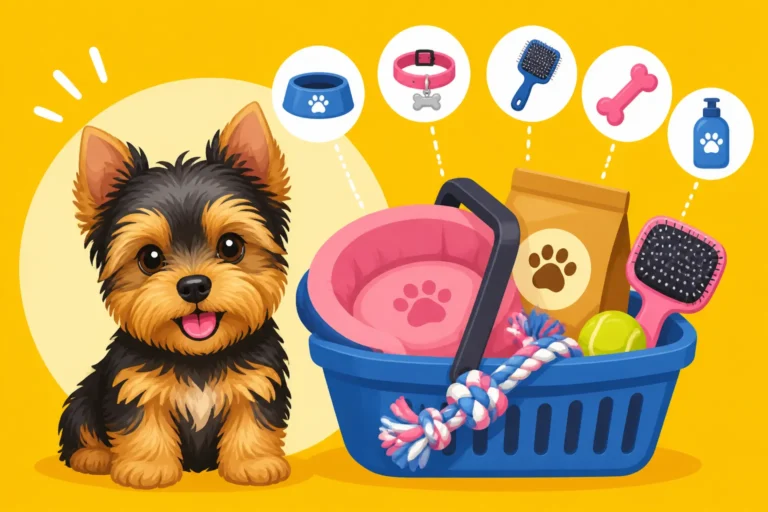
Bringing any new dog home requires a host of essential supplies, and Yorkies are no exception. You’ll need a appropriately sized crate – not too big, not too small – to aid in training and provide a safe den. A comfortable dog bed, food and water bowls (stainless steel or ceramic are often recommended for hygiene), a leash and harness (harnesses are generally preferred for Yorkies due to their delicate tracheas, as highlighted in Why Harnesses Are Better Than Collars for Yorkies), and an array of safe, durable toys are must-haves.
Grooming tools, such as a soft brush, comb, nail clippers, and dog-specific shampoo, will also be necessary. For their delicate coats, you might want a higher-quality brush to prevent matting. Brands like Chewy are excellent resources for finding all these initial supplies, often with good value bundles. Don't forget puppy pads if you're Yorkshire Terrier Potty Training Guide a young one, and definitely some high-quality treats for positive reinforcement. The total cost for this initial setup can easily run from $200 to $500, depending on the quality and quantity of items you choose.
Ongoing Veterinary Care and Health
Yorkshire Terriers, like all breeds, have specific health considerations that necessitate regular veterinary care. Annual check-ups are crucial for preventive health, including booster vaccinations, parasite control, and general wellness exams. Beyond routine care, Yorkies are predisposed to certain conditions, such as Yorkshire Terrier Patellar Luxation: Signs and Care, Yorkshire Terrier Collapsing Trachea: Signs and Care, and dental disease. These conditions can sometimes require expensive treatments or surgeries.
It's wise to budget for potential emergencies or unexpected illnesses. Many owners opt for pet insurance, which can be a lifesaver when those unforeseen vet bills pop up. Companies like Healthy Paws offer comprehensive plans that can cover accidents, illnesses, and even some hereditary conditions. Considering pet insurance for Yorkshire Terriers early on can significantly reduce financial stress if your beloved companion ever faces a serious health challenge. For a full breakdown, consider Yorkshire Terrier Vet Costs and Health Budget.
Food and Grooming Expenses
Diet plays a huge role in your Yorkie's overall health and well-being. A high-quality diet is essential, and premium kibble or fresh food options like Ollie can range from $30 to $80 per month, depending on the brand and portion sizes. It's often worth investing in a good food that supports their digestion and coat health, especially given their susceptibility to sensitive stomachs. You can explore options in Best Dog Food for Yorkshire Terriers.
Grooming is another significant ongoing expense for Yorkshire Terriers, especially if you want to maintain their signature silky coat. Their hair grows continuously, much like human hair, and requires regular brushing to prevent mats, bathing, and professional trims. While you can learn How to Groom a Yorkshire Terrier at Home, many owners opt for professional grooming every 4-8 weeks. The cost for professional grooming services can range from $50 to $100 per session, depending on your location and the specific services requested. Over a year, this can easily add up to several hundred dollars. Regular grooming isn’t just for looks; it’s vital for their skin health and comfort.
Making an Informed Decision: Breeder Versus Rescue
Deciding whether to get your Yorkie from a breeder or a rescue is a personal choice, and both options have distinct advantages and financial implications. It’s not just about the upfront cost, but about what each path offers in terms of health information, support, and the rewarding feeling of expanding your family.
Pros and Cons of Each Option
Let's break down some of the key points to consider when weighing a breeder versus a rescue:
| Feature | Reputable Breeder | Rescue Organization |
|---|---|---|
| Initial Cost | Higher (typically $1,500 – $3,500+) | Lower (typically $200 – $800) |
| Age of Dog | Usually puppies (8-12 weeks old) | Varies (puppies, adults, seniors) |
| Health Info | Extensive parental health testing, health guarantee | Full vet work-up by rescue, may know history or not |
| Temperament | Predictable (known parents), early socialization | Varies, often assessed by foster, may have past trauma |
| Availability | Can have waitlists, specific breed characteristics | Less predictable, diverse personalities, breed-specific |
| Support | Lifelong breeder support, guidance | Ongoing rescue support, community resources |
| Impact | Supports ethical breeding practices | Gives a second chance to a dog in need |
When you go through a breeder, you often have a very clear picture of your puppy's genetic background, and a good breeder will be transparent about any potential Common Yorkshire Terrier Genetic Conditions. They offer lifelong support, ready to answer questions about health, training, or behavior. This level of support can be invaluable, especially for first-time Yorkie owners.
On the other hand, adopting from a rescue means you’re often welcoming an adult dog whose personality is already developed. Rescues often place dogs in foster homes, which provides invaluable insight into their true temperament, how they interact with children or other pets, and their training level. While a rescue dog's full history might not always be known, the rescue’s comprehensive vet care ensures they’re medically sound before adoption. It's a wonderful feeling to know you've made a direct, positive impact on a dog's life.
The True Cost: More Than Just a Price Tag
Ultimately, the "cost" of a Yorkshire Terrier isn't just the initial sum you pay. It's an investment of time, love, and ongoing resources for the dog's entire lifespan, which for a Yorkie can be How Long Do Yorkshire Terriers Live. Both breeders and rescues offer incredible opportunities to welcome a Yorkie into your home, each with its unique financial and emotional considerations.
Whether you choose a breeder for the predictability and genetic assurances of a puppy, or a rescue for the profound joy of offering a second chance, be prepared for the lifelong commitment. The most important "cost" is your dedication to providing a loving, safe, and healthy environment for your new companion. Budget wisely, research thoroughly, and you'll be well on your way to many happy years with your delightful Yorkshire Terrier.
Disclaimer
The information provided in this guide is for general informational purposes only and does not constitute professional veterinary or financial advice. Always consult with a qualified veterinarian for any health concerns regarding your Yorkshire Terrier and a financial advisor for personal financial planning. Costs and availability can vary significantly based on location, individual circumstances, and market fluctuations.